


Carved Timber Bust
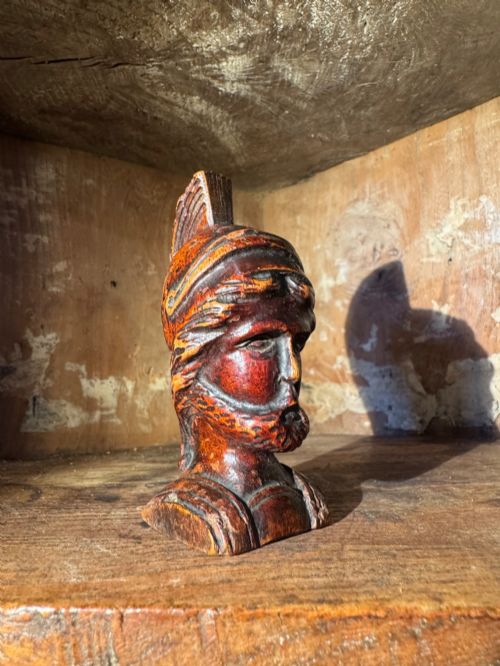
A carved timber bust brings three-dimensional presence into a room, offering striking portraiture shaped from walnut, oak, mahogany, and exotic hardwoods across several centuries.
Carved Timber Bust
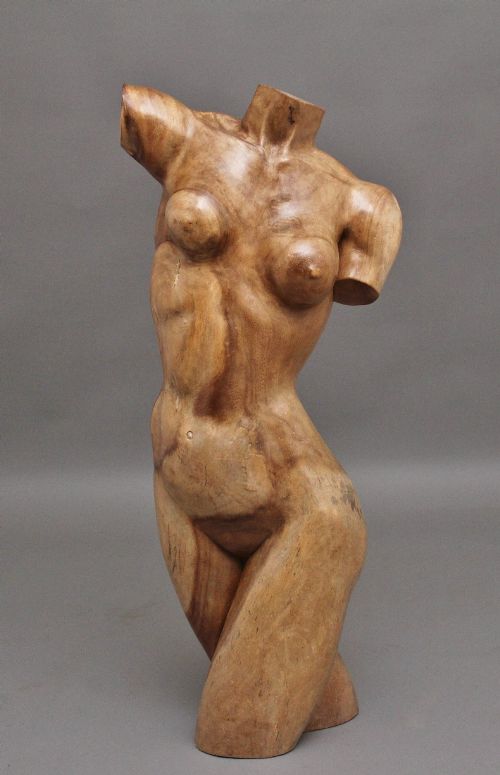
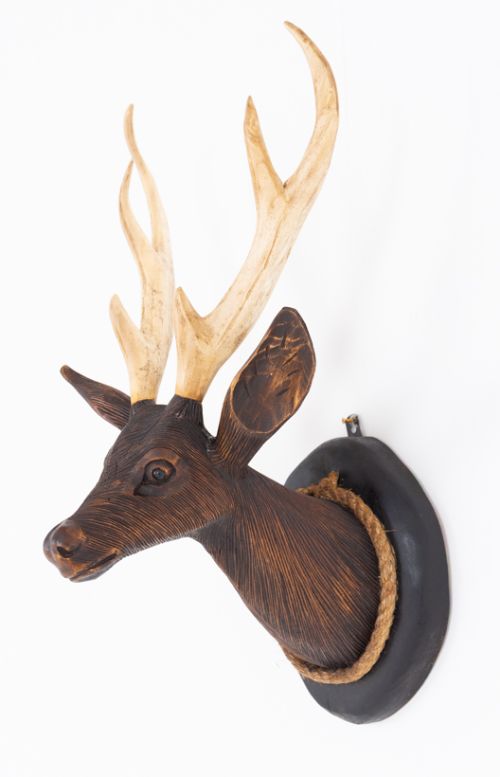
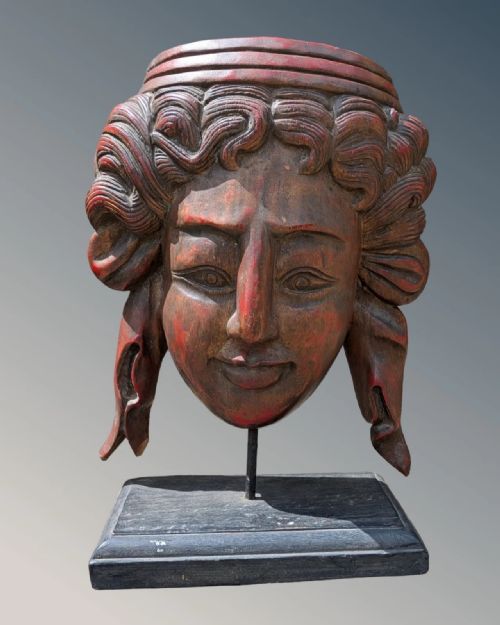
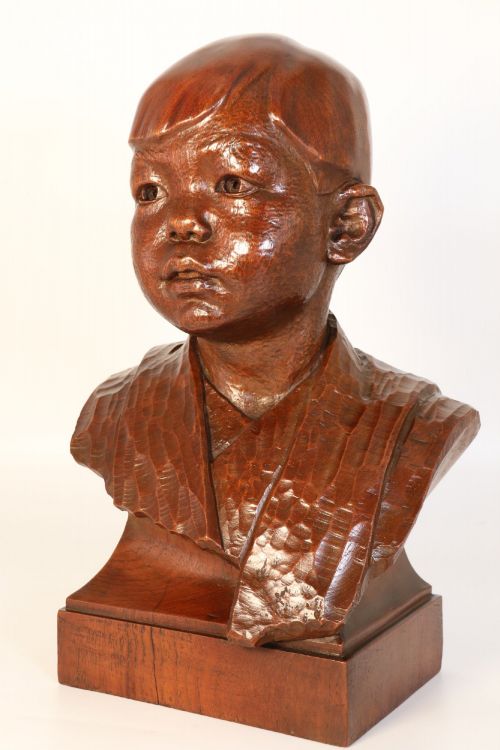
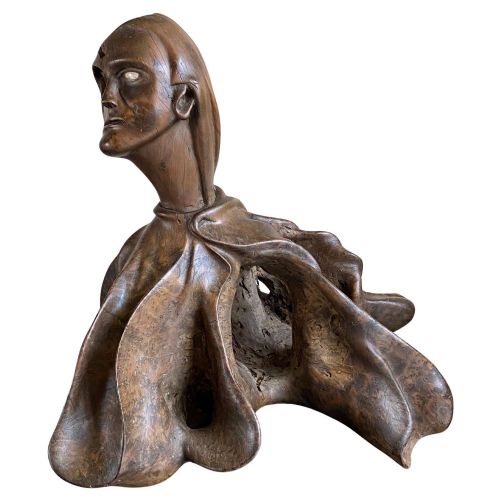
When you search for a carved timber bust, you encounter sculptural portraits and fragments spanning the sixteenth century through the early twentieth century. These works capture human forms, historical figures, and deities in materials ranging from dense oak to rich walnut.
The versions most commonly met on this page include nineteenth-century studies, folk art pieces, and continental European carvings. Makers rendered subjects as diverse as monks, noble ladies, tribeswomen, and classical deities, often utilising specific regional woods.
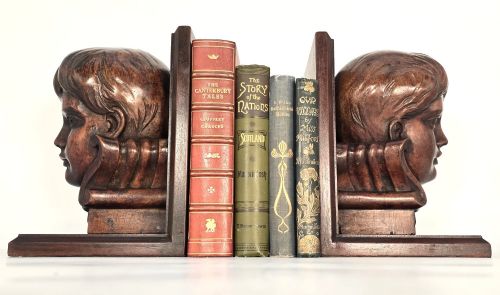
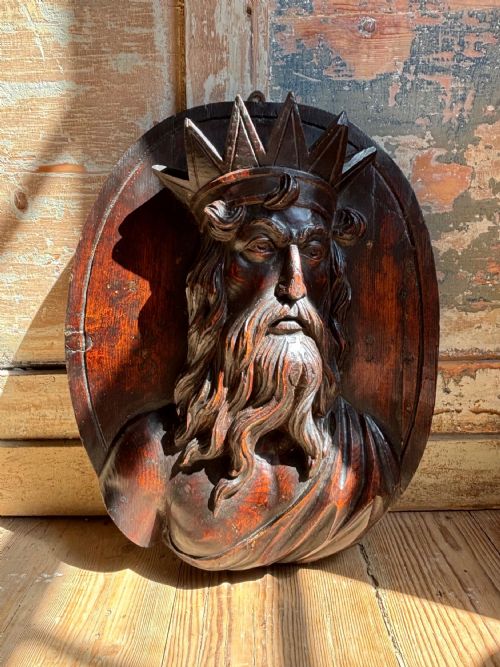
Beyond standalone sculptures, the selections comprise wall plaques, library bookends, and architectural fragments adapted for display. Each piece demonstrates the enduring appeal of portraiture hewn directly from timber.
How they were made
Surfaces frequently received finishing treatments including polychrome paint, giltwood highlights, dark stains, or natural wax polishes. These applications protected the grain while accentuating the modelling of hair, drapery, and expression.
The listings span from the sixteenth century to the 1930s, featuring oak, walnut, mahogany, and polychrome finishes.
What varies in quality
The distinction between ordinary and exceptional carving lies in the anatomical conviction and the crispness of the tool work. Master sculptors achieved believable flesh, tension in the musculature, and convincing depth within the grain.
Condition and originality dictate value, particularly where surface treatments remain undisturbed by later restoration. Pieces that retain their original polychrome, gilt, or aged patina hold greater visual authority than those stripped or aggressively refinished.
George Henry Paulin RBS·V Ramirez·Boudewijn Tuerlinckx
The Carved Timber Bust Glossary
- Polychrome
- Decorated in multiple colours. This technique involved applying paint directly to the timber surface to enhance realism.
- Giltwood
- Wood covered with a thin layer of gold leaf or powder. It was frequently applied to highlights on decorative carvings and frames.
- Caryatid
- A sculpted female figure serving as an architectural support. These forms often appear on pedestals and furniture elements.
- Ecorche
- A figure drawn, painted, or sculpted showing the muscles of the body without skin. Such studies aided artists in understanding human anatomy.
- Patina
- The surface sheen and colour developed through age, handling, and waxing. A desirable patina signals authenticity and prolonged care.
Carved Timber Bust: Frequently Asked Questions
How do I display a carved timber bust?
Place the sculpture on a sturdy surface such as a side table, mantelpiece, or dedicated pedestal at eye level. Ensure the display area avoids direct sunlight and dramatic humidity shifts to protect the timber.
Allow adequate space around the piece so the three-dimensional form and grain can be appreciated from multiple angles. Wall-mounted plaques require secure fixings suited to the weight of the dense hardwood.
What woods were commonly used?
Carvers utilised dense, stable hardwoods that accepted fine detail without splitting. Oak, walnut, and mahogany appear frequently across European workshops, offering rich natural grain patterns.
Softer fruitwoods and specialised materials like yew burr and birch also feature in regional and folk art pieces, often selected for their distinct figure and texture.
How do I date a timber carving?
Examine the tool marks left on the reverse or interior surfaces, as hand-cut channels differ from modern machine production. The style of dress, hair, and facial carving often corresponds to specific historical periods like the Baroque or Victorian eras.
Consider the wood species and the ageing of the patina, noting how centuries of handling and environmental exposure have altered the surface texture.
How should I clean my sculpture?
Dust the carving gently with a soft, dry brush or a lint-free cloth to remove surface particles. Avoid using water, household cleaners, or silicone-based polishes that can penetrate and damage the timber.
Applying a microcrystalline wax very sparingly can help nourish unvarnished wood surfaces if they appear dry, though untouched historic patinas generally require minimal intervention.