
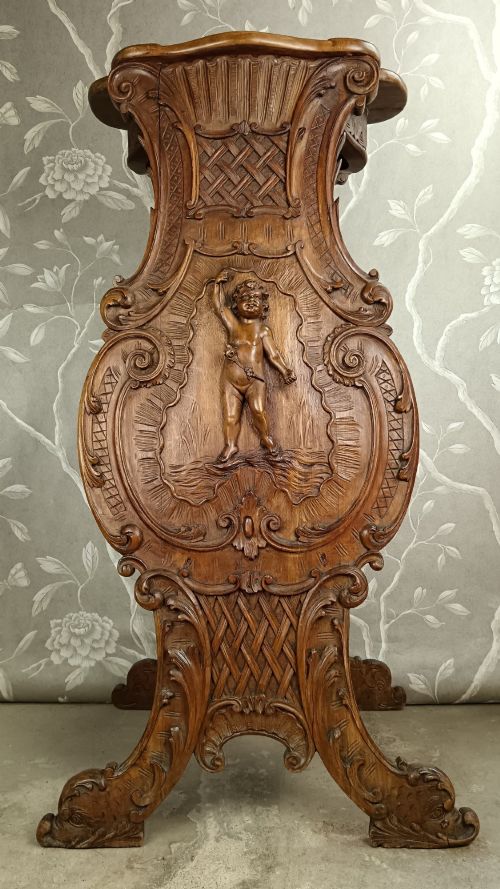
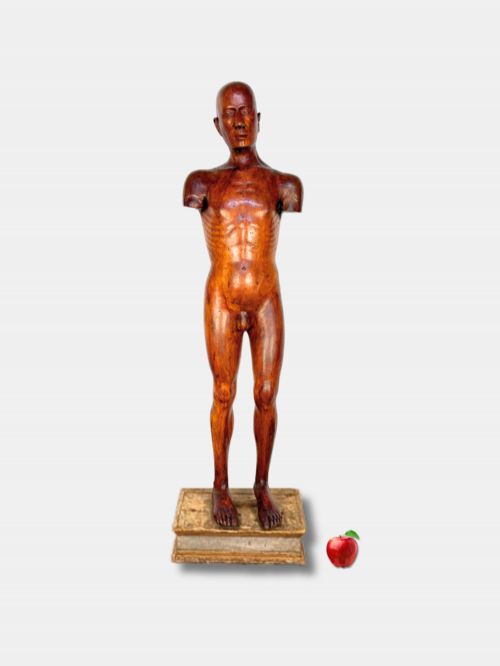


Antique Wood Plinth Sculpture
An antique wood plinth sculpture elevates art and architecture into centre stage, combining solid timber with classical form to anchor a room.
Antique Wood Plinth Sculpture
When you search for an antique wood plinth sculpture, you encounter a diverse gathering of pedestals, columns, display stands, and carved figures mounted upon bases. These items span from the seventeenth century through the Victorian era and into the early twentieth century, reflecting enduring classical tastes.
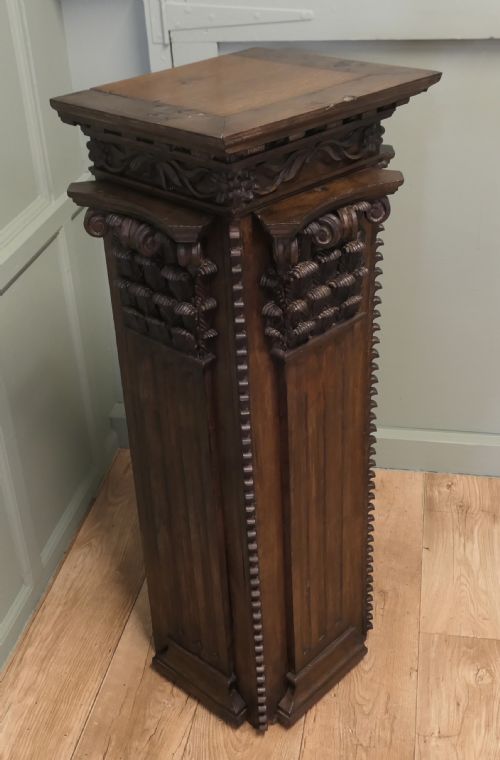
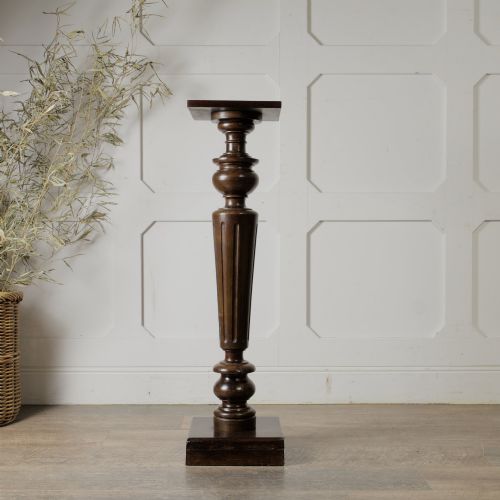
The objects take many structural shapes, including triform bases, cylindrical sculpture stands, pedestal cabinets, and tapered columns designed to display busts, bronzes, and carved figures. French, Italian, and English workshops created these pieces to serve both as functional supports and as decorative focal points.
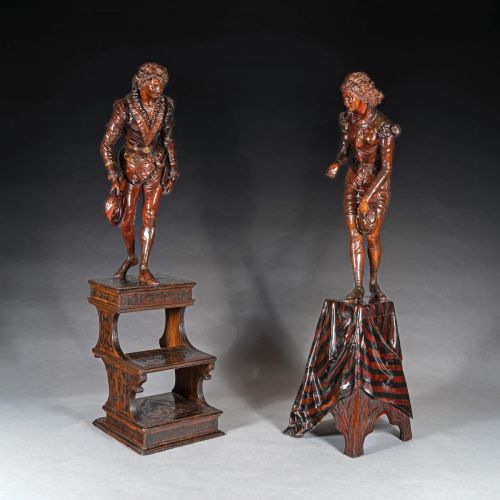
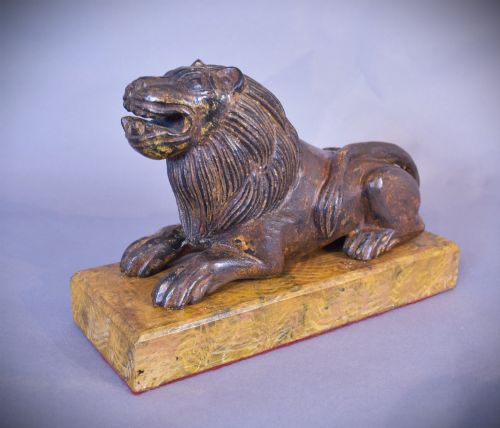
You are most likely to meet nineteenth-century mahogany and walnut pedestals, alongside carved wood figures such as Santos figures or lions on plinths. The selection bridges architectural remnants and dedicated display furniture, drawing on neoclassical and revivalist design.
Materials and construction methods
Makers utilised dense timbers such as mahogany, walnut, oak, amboyna, and birch, often turning solid blocks on a lathe or joining seasoned planks to construct sturdy columns and stands. Carved elements, including lions, griffins, and foliate motifs, demonstrate skilled hand-chiselling directly into the wood.
Surface finishes range from clear polishes that highlight the natural grain to ebonised treatments, faux marble paint, and polychrome pigments. Grain-painted pine and gilt bronze mountings occasionally supplement the primary timber structure to achieve specific decorative effects.
Periods represented span from the 17th century through the Victorian era to the early 20th century.
Judging the execution and depth of design
Quality rests in the crispness of the hand-carving and the structural integrity of the timber joints, distinguishing workshop-produced pieces from simpler utilitarian stands. Heavier proportions, ambitious forms like monumental lions or figural bases, and well-executed surface treatments such as fine grain-painting elevate certain pieces above standard production.
The choice of materials, including exotic woods like amboyna or figured walnut, marks the distinction between everyday display items and exhibition-grade creations. Well-balanced turning, integrated secret compartments, and harmonious proportions indicate a higher level of maker intention.
Gillow and Co
The Antique Wood Plinth Sculpture Glossary
- Plinth
- A heavy base supporting a statue, column, or obelisk. It provides stability and visual weight to the elevated object.
- Torchere
- A tall stand or pedestal originally designed to hold a torch or candle, later adapted for lamps and small sculptures.
- Santos
- A carved wooden religious figure, often dressed in textiles and mounted on a base for devotional display.
- Ebonised
- Wood treated with a chemical stain or dark finish to imitate expensive ebony. This technique was popular in Victorian furniture production.
- Triform
- Having three sides or feet, creating a stable triangular footprint for tall display columns.
Antique Wood Plinth Sculpture: Frequently Asked Questions
What were antique wood plinths used for?
These pieces served primarily to elevate sculptures, portrait busts, decorative urns, and lamps above floor level to improve visibility within a room.
They also functioned as independent decorative items in hallways and drawing rooms, demonstrating the owner's taste for classical architecture and fine furniture.
How do I tell an 18th-century plinth from a Victorian one?
Eighteenth-century examples often display simpler, heavier structural forms such as triform bases or solid carved figural elements with aged surface patination.
Victorian pieces frequently embrace revivalist styles like Neoclassical or Renaissance Revival, utilising exotic veneers such as amboyna or ebonised finishes alongside machine assistance.
Can these stands support heavy stone sculptures?
Many solid mahogany, oak, and walnut pedestals were built with thick timbers and wide bases specifically to bear substantial weight.
However, hollow columns or pieces with delicate veneered construction require careful weight assessment before supporting heavy marble or bronze items.
How do I care for antique wood sculpture stands?
Keep the wood away from direct heat sources and rapid humidity changes to prevent timber splitting or veneer lifting over time.
Apply microcrystalline wax occasionally to nourish polished surfaces, avoiding silicone-based sprays that can damage historic finishes.