





Carved Teak Pedestal
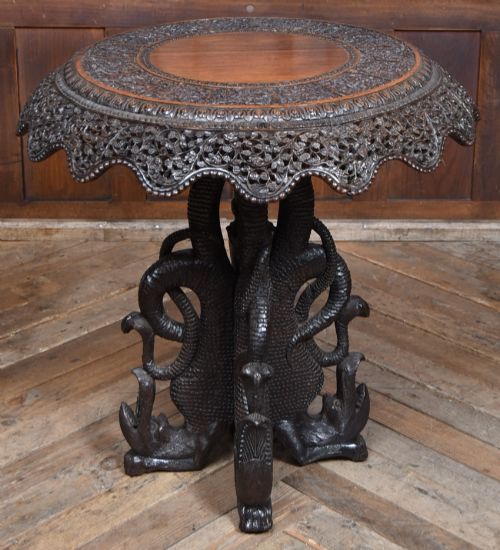
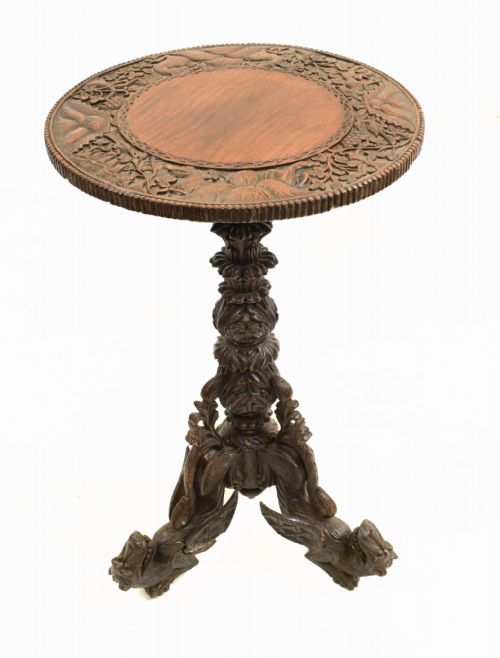
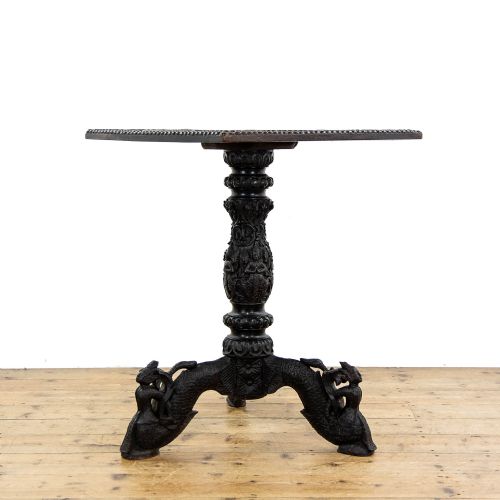
A carved teak pedestal brings dense colonial ornament and rich timber into a room, serving as a striking support for lamps, books or display.
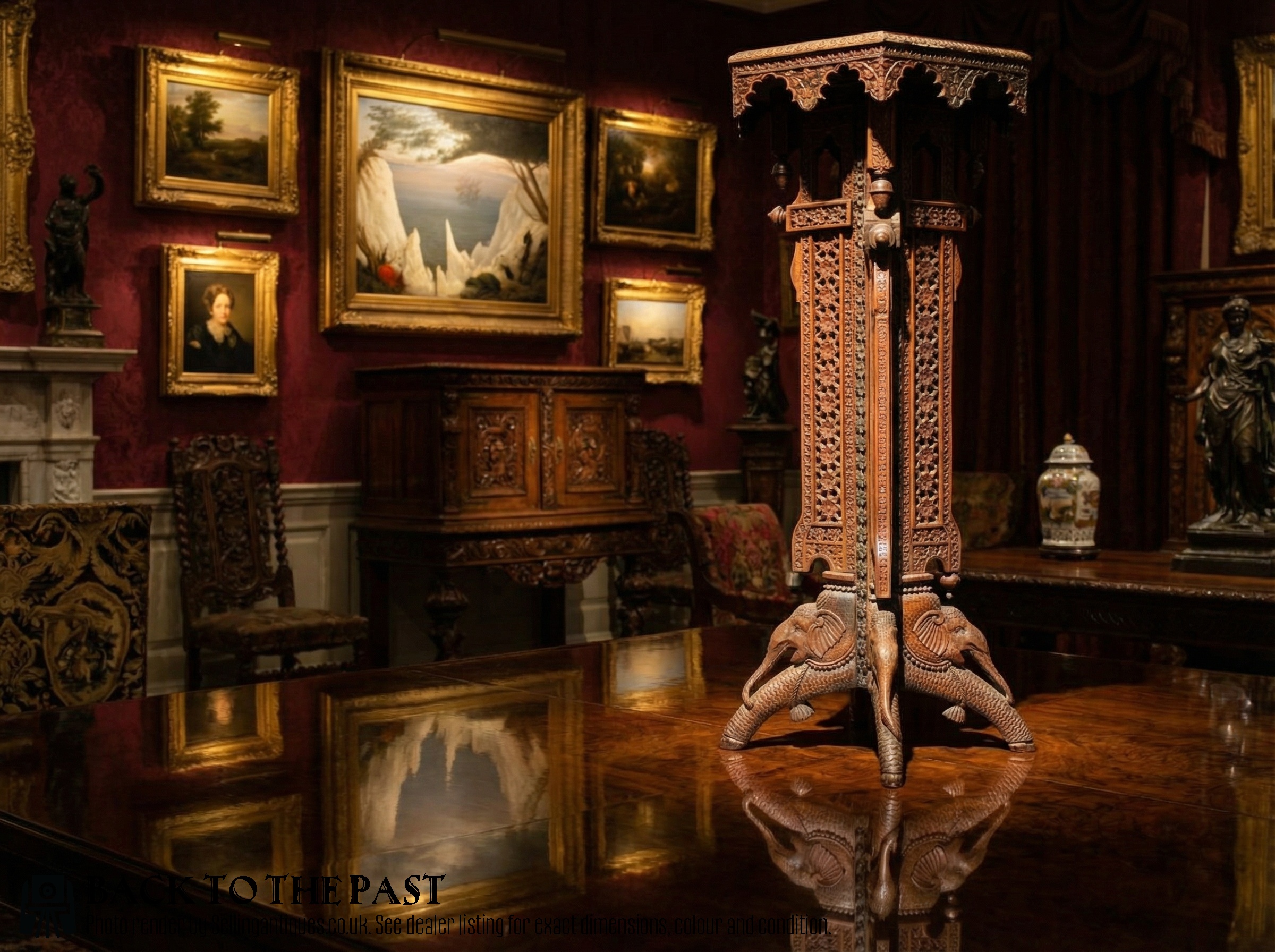
Carved Teak Pedestal
A carved teak pedestal encompasses heavily decorated tables, stands and desks originating from nineteenth-century colonial trade and craftsmanship. The selection centres on Anglo-Indian, Burmese and Chinese Export pieces produced during the Victorian era and the early twentieth century.
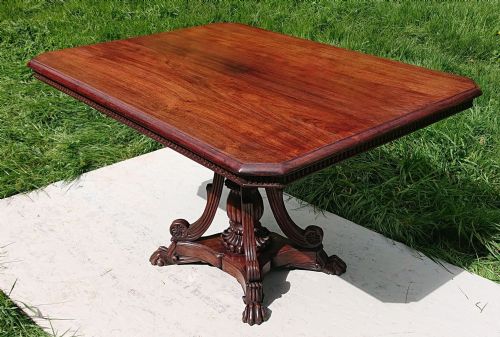
Buyers encounter various forms ranging from tilt-top occasional tables and plant stands to reading desks and revolving bookcases. Many pieces combine teak with padouk, rosewood or marble tops to create functional furniture with deep regional character.
The aesthetic bridges domestic utility with intricate sculptural work, often featuring figures, foliage and geometric patterns carved entirely by hand. These items reflect the cross-cultural exchange of design between British patrons and South and Southeast Asian workshops.
What varies in quality
Depth and crispness of the carving distinguish standard production from exceptional examples, as skilled carvers achieved profound undercut relief without splintering the brittle grain. The complexity of the design, such as fully rendered animal figures or architectural motifs, indicates the time invested by the workshop.
Structural integrity of the timber and joints dictates day-to-day durability, particularly in tilt-top tables and heavy pedestals subjected to regular use. Selection of premium heartwood and well-matched timber boards across table tops separates superior regional pieces from simpler commercial output.
The listings show diverse forms including occasional tables, Davenport desks, plant stands, and revolving bookcases dated predominantly across the nineteenth century.
The Carved Teak Pedestal Glossary
- Anglo-Indian
- Descriptive term for furniture made in India during the British colonial period, often combining European forms with local carving traditions. These items utilise indigenous timbers like teak and padouk.
- Tilt-top table
- A table featuring a mechanism that allows the surface to pivot to a vertical position when not in use. This design saved space in nineteenth-century interiors.
- Padouk
- A heavy, durable tropical hardwood with a reddish-brown hue often seen in colonial furniture alongside teak. Artisans valued it for its resistance to woodworm and shrinking.
- Davenport
- A small compact desk featuring a sloping writing surface above a pedestal of drawers. Examples from the colonial period frequently incorporate dense overall carving.
Carved Teak Pedestal: Frequently Asked Questions
Where were carved teak pedestals made?
These pieces originated primarily in workshops across India, Burma and other colonial trade centres during the nineteenth and early twentieth centuries.
Local artisans built them to satisfy European demand for domestic furnishings imbued with intricate regional decoration.
How do I care for antique teak furniture?
Maintain the timber by keeping it away from direct heat sources and sudden changes in humidity to prevent the wood from splitting.
Apply occasional natural beeswax and dust gently with a soft cloth to preserve the dark lustre of the carved surfaces.
What is a tilt-top table used for?
A tilt-top table served as an occasional piece for tea, reading or displaying decorative objects in Victorian drawing rooms.
The pivoting mechanism allowed the top to fold flat against a wall when the room needed to be cleared for other activities.
How can I tell a Burmese table from an Indian one?
Burmese pieces generally display deeper, more three-dimensional relief carving featuring dense foliage, figures and mythical creatures covering every visible surface.
Indian regional variants often incorporate architectural elements, geometric borders or different combinations of secondary timbers like rosewood and padouk.