



Carved Stone Pendant
A carved stone pendant brings together tactile mineral forms and precise lapidary work from across several centuries.
Carved Stone Pendant
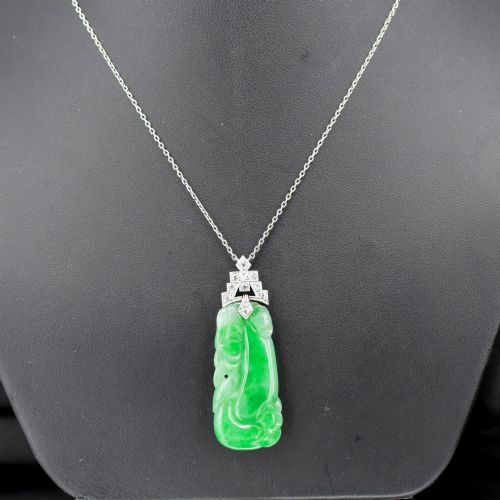
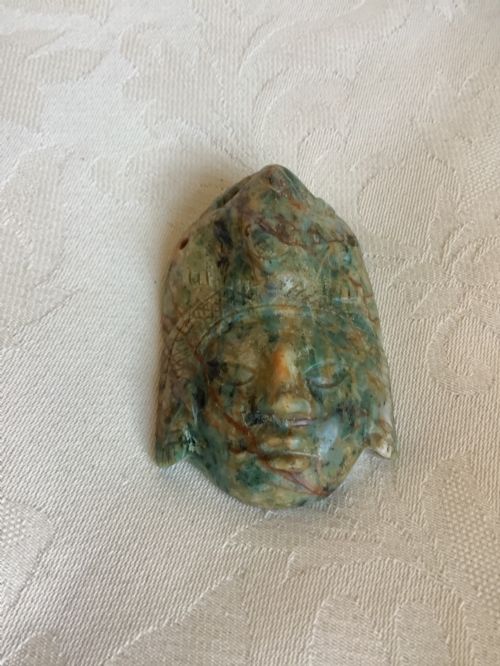
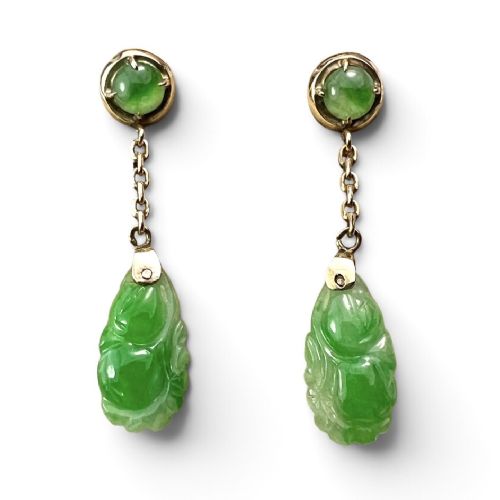
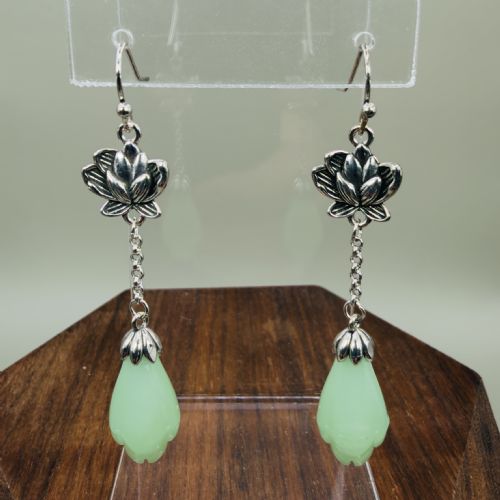
A carved stone pendant is a wearable lapidary piece shaped from materials like jade, alabaster, and agate, appearing across periods from Georgian and Victorian times to the Art Deco era.
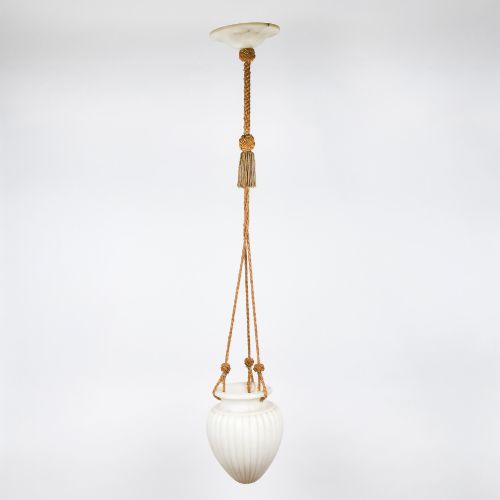
Buyers browsing this selection encounter smaller personal items such as jade plaques, amulets, and gold-mounted seals, alongside larger architectural hanging lights formed from carved alabaster.
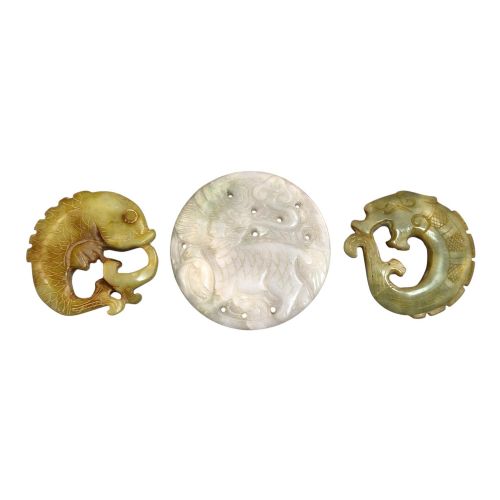
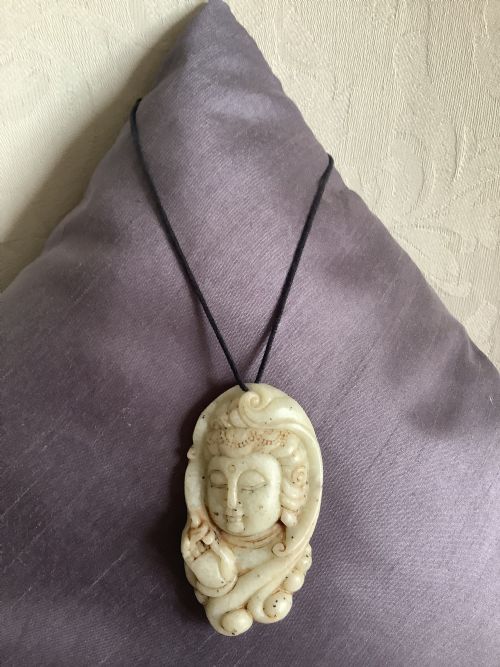
The assortment draws on diverse global traditions, ranging from Traditional Chinese bi discs and deity motifs to Classical Revival cameos and European revival styles.
Materials and construction methods
Lapidaries shaped these pieces using hard stones such as jadeite, nephrite, and chalcedony, which required specialised abrasion and carving techniques to achieve fine detail.
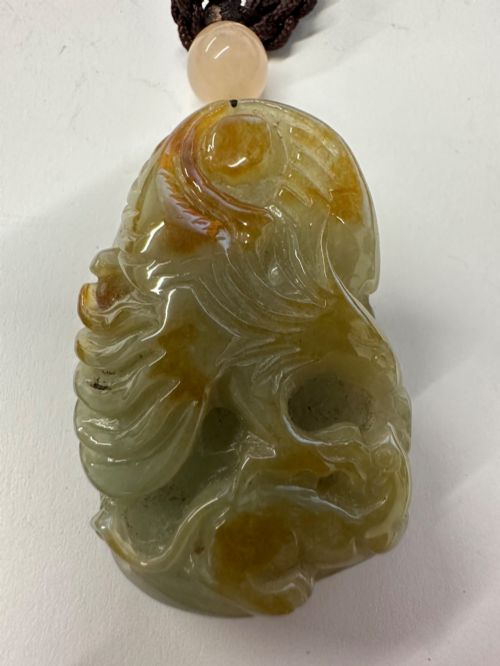
Metal mounts incorporate gold, 14ct gold, and gold casing to secure the carved minerals, often paired with braided or fabric cords for suspension.
Alabaster forms larger hanging dish lights and ceiling fixtures, utilising the stone's natural translucency to diffuse light evenly.
Carved Stone Pendant Retail Price Guide 2026
Typical asking prices for carved stone pendant among the pieces listed under this phrase on Sellingantiques today, from the lower quarter to the upper quarter. They describe what is for sale here now, not the wider market.
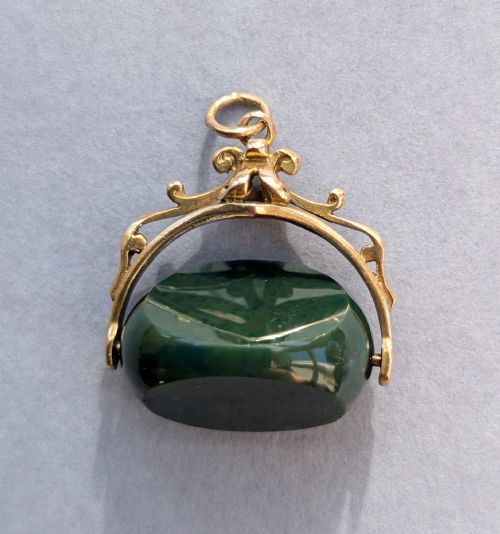
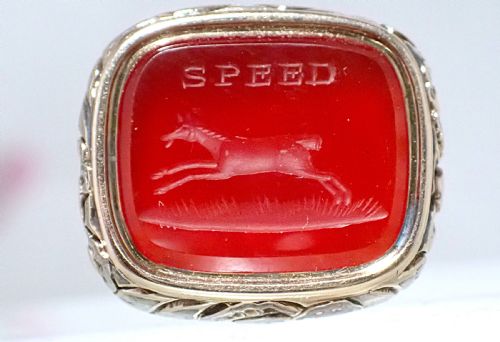
Georgian seals often bear concise inscriptions like the word 'SPEED', turning a pocket-sized desk stamp into an urgent portable message.
Assessing quality in carved stone pendant pieces
The standard of a carved stone pendant rests primarily on the crispness and depth of the lapidary work, where finer pieces display sharp relief and deliberate proportion rather than rounded, soft edges.
Material selection dictates much of the inherent value, with uniformly coloured jade or flawless alabaster commanding greater attention than stones with intrusive natural flaws that disrupt the carving.
The integration between the mineral and its precious metal mount reveals the maker's hand, distinguishing well-integrated gold settings from utilitarian or later replacements.
The Carved Stone Pendant Glossary
- Bi disc
- A flat circular jade artefact with a circular hole in the centre, traditionally associated with Chinese ritual objects and symbolism.
- Alabaster
- A fine-grained, translucent stone utilised for both small decorative objects and larger hanging ceiling lights.
- Fob seal
- A small desk or pendant seal featuring an intaglio carving on the base, frequently mounted in gold during the Georgian and Victorian eras.
- Jadeite
- A pyroxene mineral valued for its vibrant green hues and toughness, commonly carved into plaques and talismanic pendants.
- Lava cameo
- A relief carving executed on volcanic rock, popular among travellers acquiring souvenirs during the Grand Tour.
Carved Stone Pendant: Frequently Asked Questions
How do I date a carved stone pendant?
Dating relies on the style of the carving, the cut of the stone, and the characteristics of any accompanying metal mounts. Georgian and Victorian pieces often feature heavy gold settings and symbolic motifs, whereas Art Deco examples lean toward streamlined geometric forms.
Examining the suspension loop and the tool marks under magnification helps confirm the period of manufacture. Earlier items frequently show hand-abrasion marks distinct from later mechanical cutting.
What is the difference between jade and jadeite?
Jade is an umbrella term that traditionally encompasses two distinct minerals: jadeite and nephrite. Jadeite tends to be brighter in colour and slightly harder, while nephrite has a fibrous structure that makes it extremely tough.
Both materials appear across Asian and European pieces, and distinguishing between them requires examining the internal crystal structure under proper magnification.
How should I care for a carved stone pendant?
Carved minerals require gentle maintenance using a soft cloth and mild soapy water, avoiding harsh chemical dips that can damage softer stones like alabaster or alter the surface of treated jade. Storing each piece separately prevents scratching from other jewellery.
Suspension cords, whether fabric or braided, should be inspected periodically for wear to ensure secure daily wear.
Can alabaster pendant lights be rewired?
Alabaster pendant lights from the early twentieth century generally accommodate modern electrical wiring. Professional electricians can safely update internal fittings while preserving the original carved stone shade.
Care must be taken during handling, as alabaster is relatively soft and susceptible to staining from oils on human hands.