

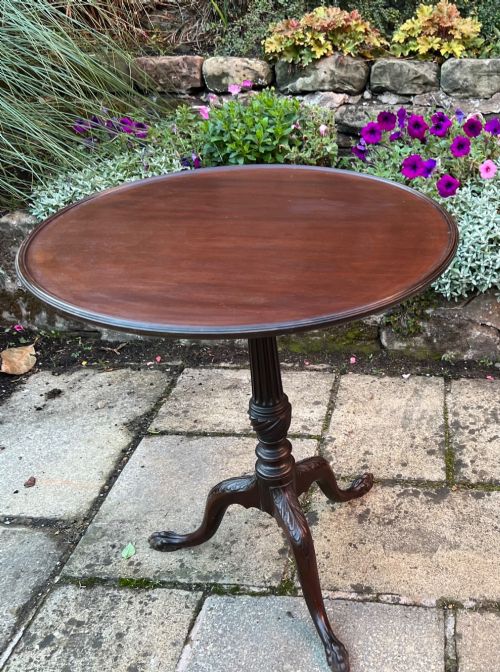
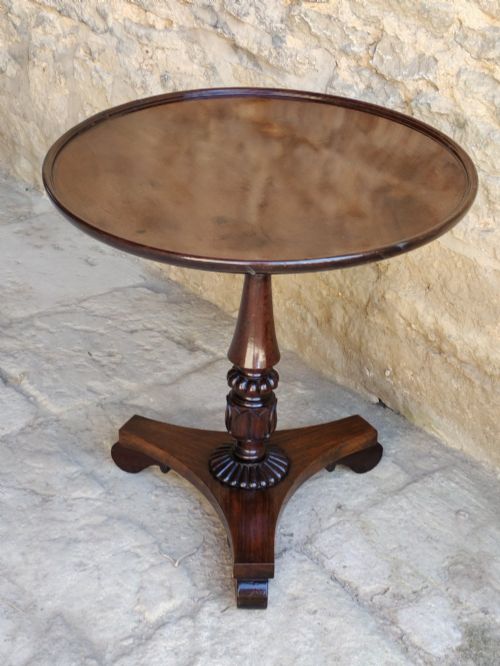
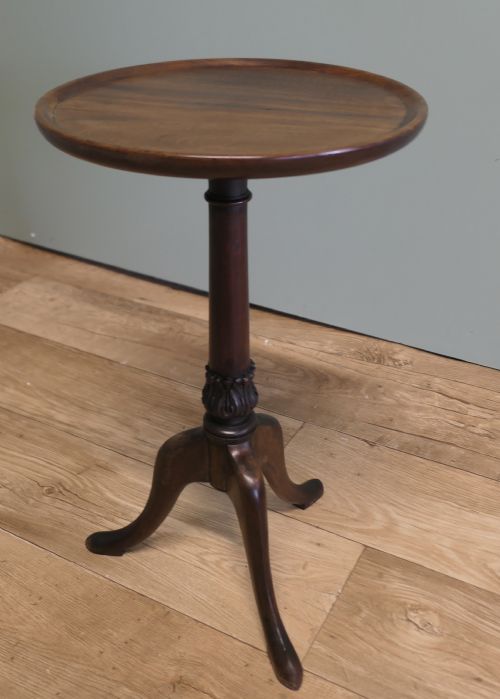
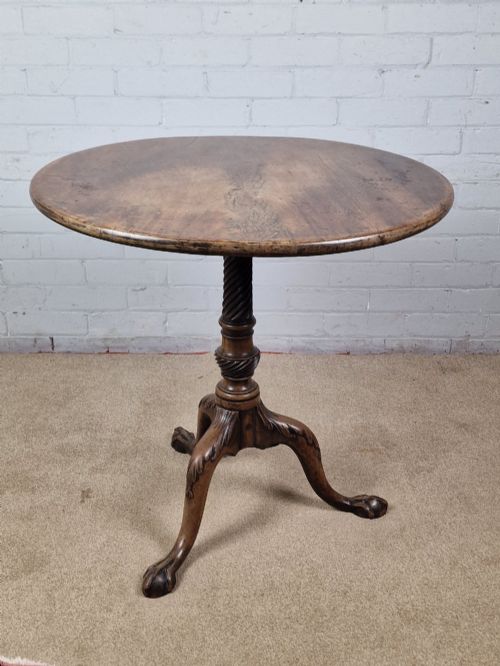
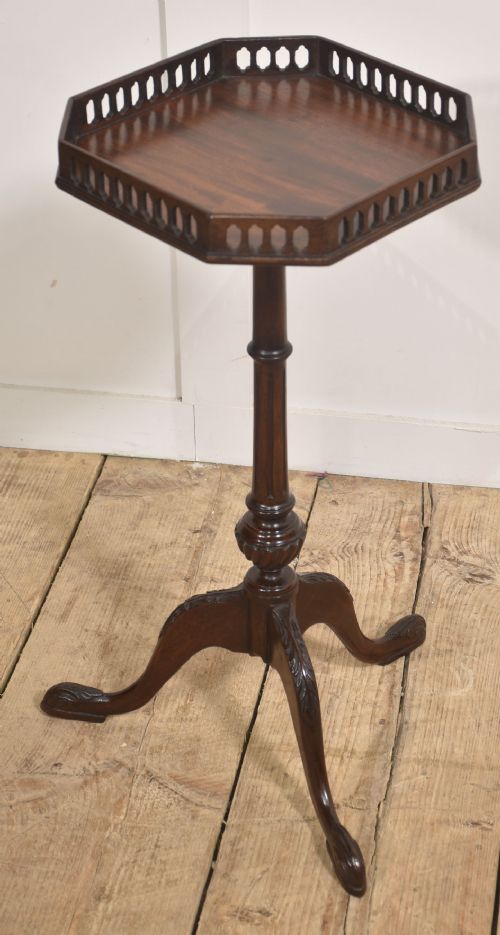


Carved Stem Table
These carved stem table pieces offer a practical surface raised on a decorative support, bringing traditional woodwork into everyday rooms.
Carved Stem Table
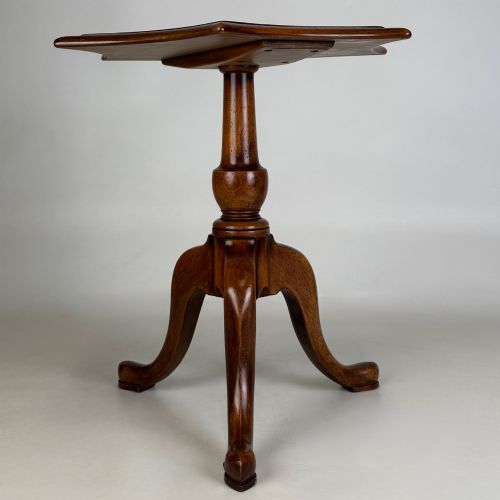
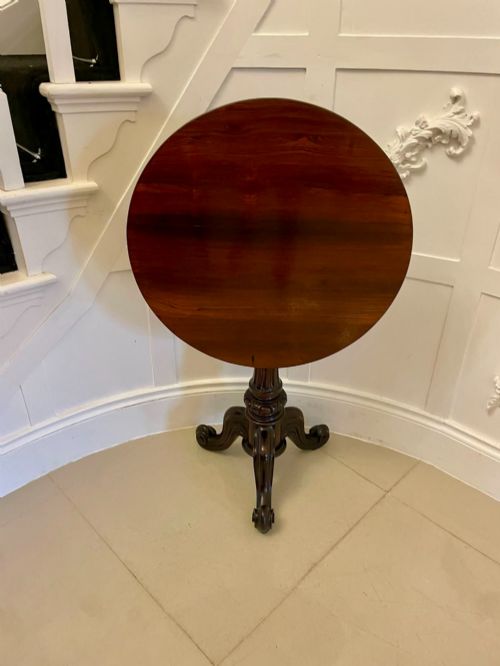
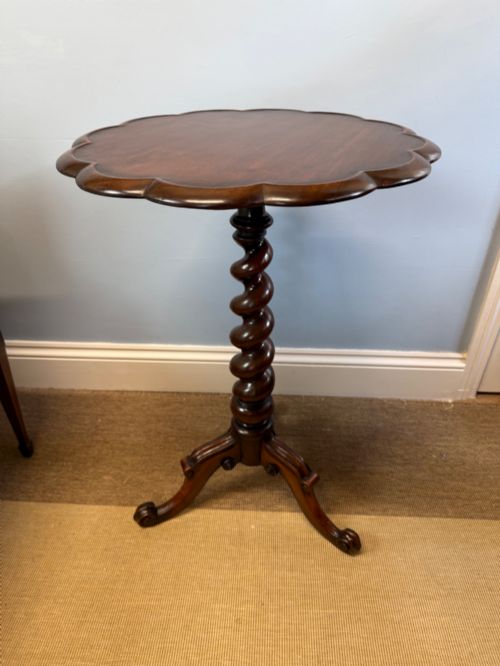
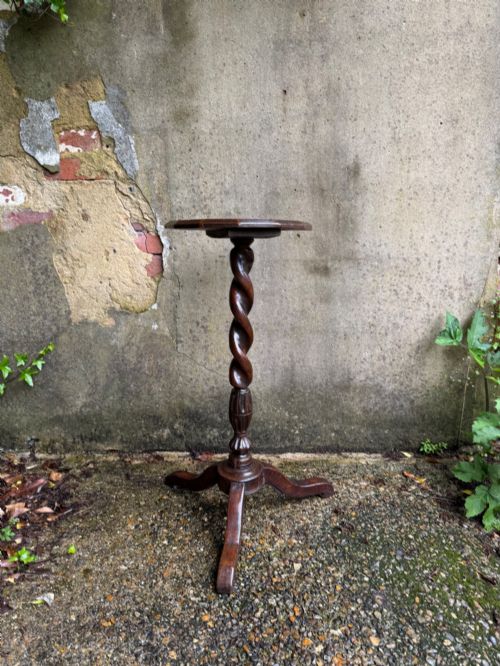
A carved stem table takes various forms, most commonly appearing as occasional tables, wine tables, side tables, tilt top tables, and kettle stands. These functional surfaces serve smaller spaces and provide convenient spots for lamps, drinks, or decorative items.
The selection on this page spans several distinct eras, drawing from the eighteenth century, nineteenth century, and early twentieth century. Examples reflect Georgian, Regency, Victorian, and Edwardian aesthetic preferences alongside revival movements like the Jacobean Revival.
Buyers encounter different physical configurations, including pedestal tables, tripod tables, supper tables, and lamp tables. These variations showcase diverse proportions suitable for placement beside seating or in corners.
Materials and construction methods
Cabinet makers utilised a range of dense timbers, predominantly mahogany, oak, walnut, and rosewood. More specialised pieces incorporate contrasting woods such as palm wood, pollard oak, and satinwood for visual texture.
Structural elements frequently feature brass components alongside turned and carved wooden stems. Joinery techniques connect these vertical supports securely to circular or shaped tabletops and stable tripod feet.
Carved Stem Table Retail Price Guide 2026
Typical asking prices for carved stem table among the pieces listed under this phrase on Sellingantiques today, from the lower quarter to the upper quarter. They describe what is for sale here now, not the wider market.
Listings feature mahogany, oak, walnut, rosewood, brass, palm wood, pollard oak, and satinwood across multiple centuries.
Evaluating craftsmanship and detail
Distinctions in quality often rest upon the depth and precision of the carved stem work. Crisp detailing on wooden columns and tripod bases separates standard production from superior examples.
The choice of timber grain and the harmony of proportion between top, stem, and base dictate the overall visual balance. Superior pieces demonstrate careful timber selection that enhances the natural figure of the wood.
The Carved Stem Table Glossary
- Tilt top table
- A table featuring a mechanism that allows the surface to hinge into a vertical position when not in use. This clever design saved floor space in smaller historical rooms.
- Tripod table
- A small freestanding table supported by a central pillar resting on three legs. The design ensures stability on uneven historical floors.
- Kettle stand
- A small tall table originally intended to hold a boiling kettle for tea service. These pieces usually feature elevated proportions and sturdy central supports.
- Pollard oak
- Timber taken from trees that have been pruned close to the trunk to encourage dense, decorative branch growth. The resulting wood displays a distinctive knotted grain pattern.
- Side table
- A small functional table designed to sit against a wall or beside seating. They provide convenient surfaces without occupying substantial floor space.
Carved Stem Table: Frequently Asked Questions
What is a carved stem table used for?
These pieces function primarily as occasional, side, or wine tables within domestic interiors. Their compact footprints make them suitable for holding drinks, lamps, or small display items beside seating.
Historically, specific variants such as kettle stands and supper tables fulfilled targeted household roles during tea service and evening dining. Today, they continue to serve as versatile accent surfaces in living spaces and hallways.
How do I identify the period of a carved stem table?
Dating relies on observing the prevailing styles, timber choices, and construction methods associated with specific eras. Eighteenth-century examples often feature rich mahogany with restrained carving, while Victorian pieces can display heavier proportions and darker finishes.
Revival styles from later periods frequently reinterpreted earlier Georgian or Jacobean motifs. Examining the underside and joint construction provides further clues regarding the manufacturing date.
Where should I place a tilt top table?
Tilt top tables suit corners, empty wall spaces, or positions beside armchairs where a small surface is occasionally required. Because the top folds down, the table can be stored flat against a wall when floor space is needed.
Placing the piece away from direct heat sources and strong sunlight protects the polished timber and mechanical hinges from unnecessary strain.
What woods were commonly used for these tables?
Cabinet makers relied heavily on dense hardwoods like mahogany, walnut, oak, and rosewood to ensure structural stability. These timbers accepted carving well and developed rich patinas over centuries of use.
More decorative examples incorporated specialised veneers and secondary timbers such as satinwood, pollard oak, and palm wood to create visual contrast on table surfaces and stems.