


Carved Standard Lamp
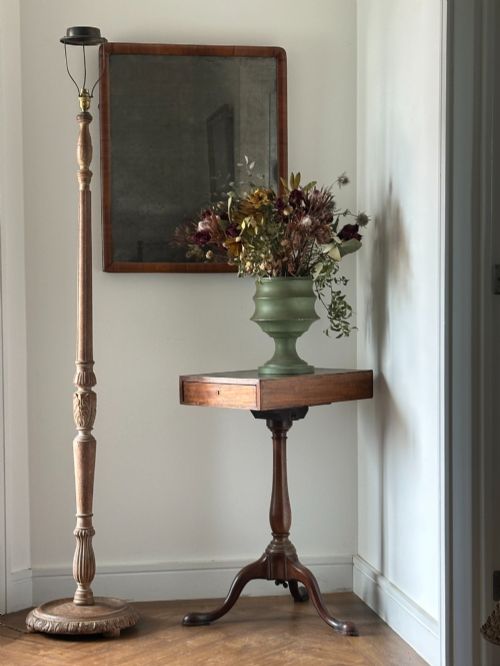
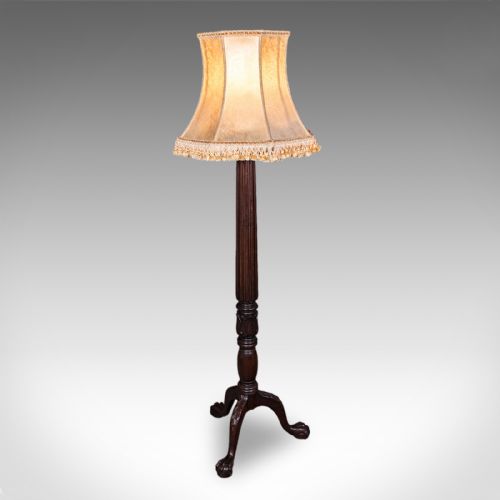
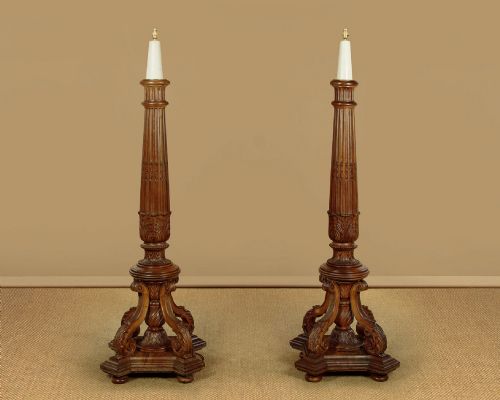
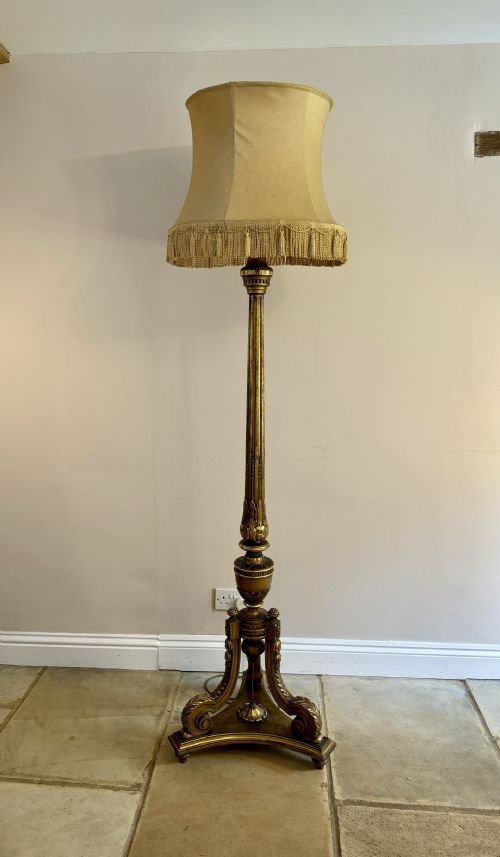
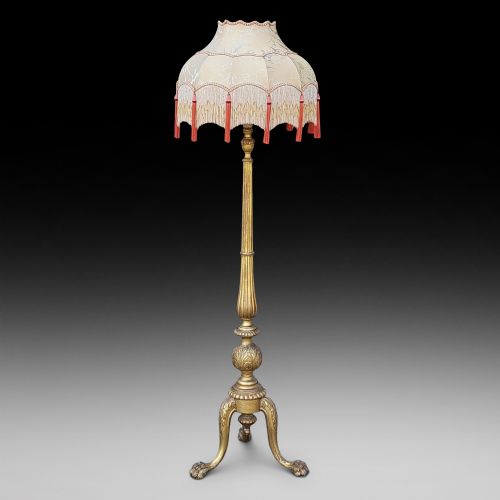
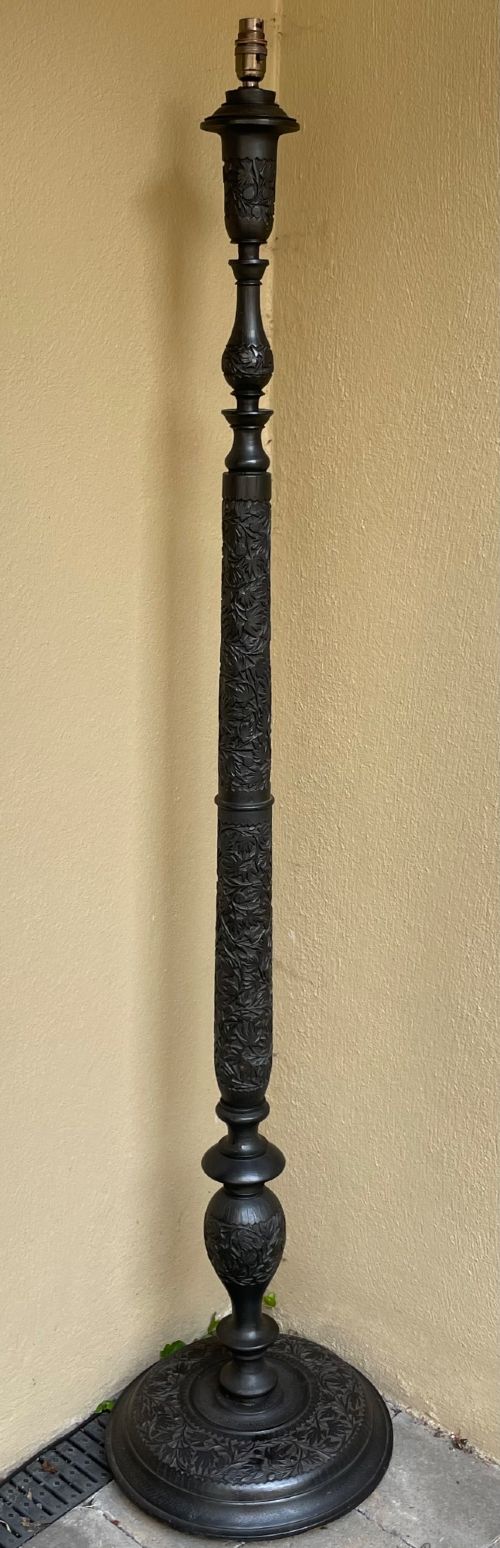
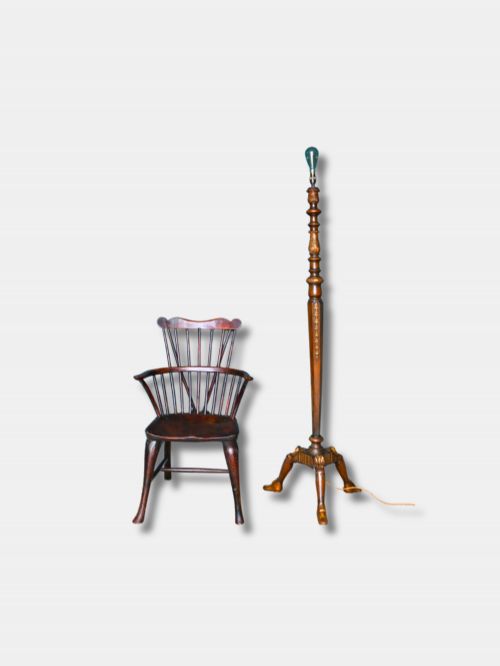
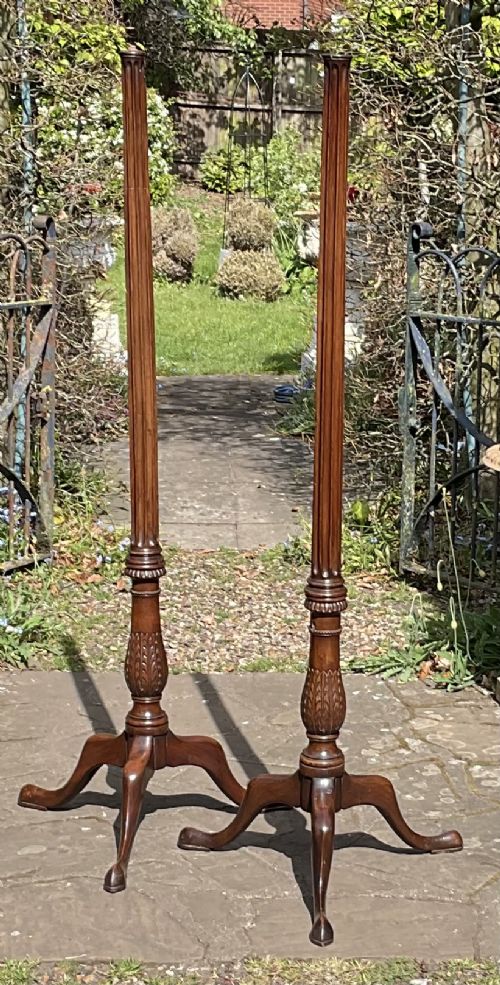
A carved standard lamp brings height, weighted presence and sculptural detail to a corner, delivering functional illumination through traditional craftsmanship.
Carved Standard Lamp
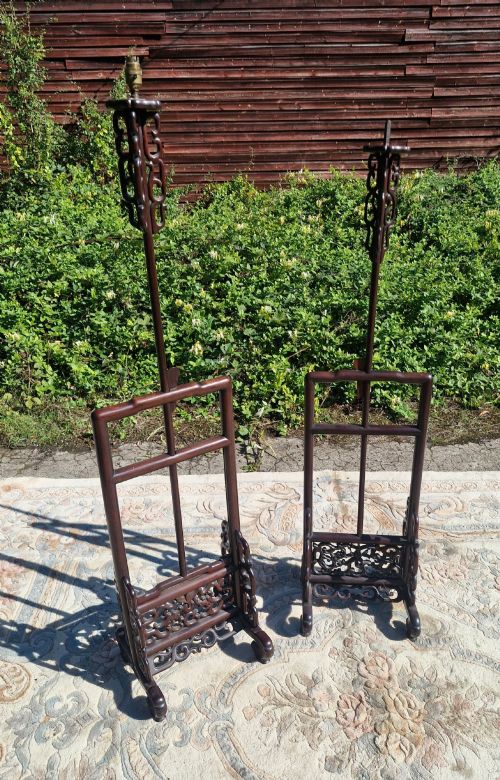
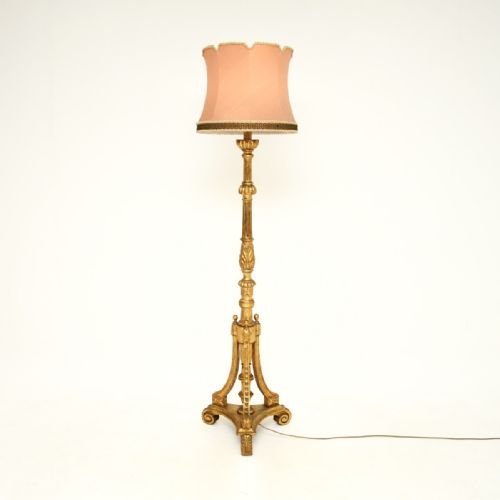
A carved standard lamp acts as a tall floor-standing light source, designed to project illumination across a room from a grounded timber or gilt shaft. Buyers searching for a carved standard lamp encounter pieces ranging from Victorian mahogany columns to interwar oak posts and giltwood revivals.
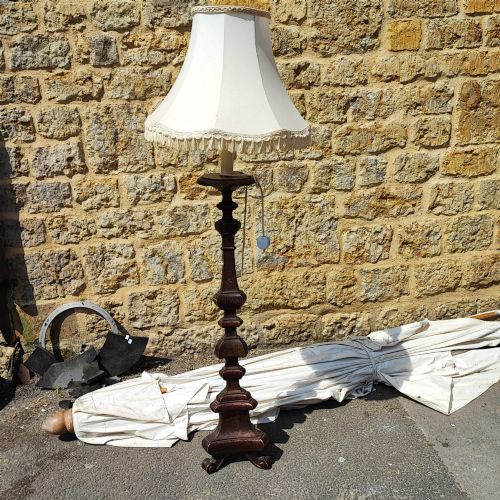
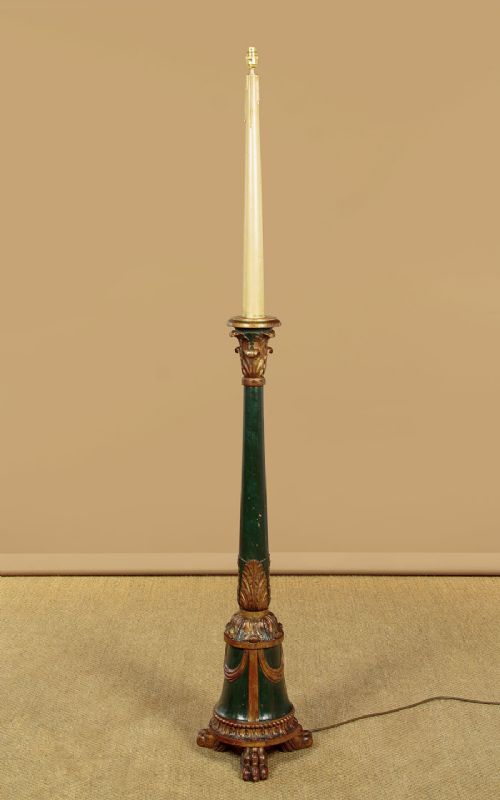
The dominant forms across these listings include turned walnut shafts, barley twist mahogany standards, and elaborate Italian giltwood fixtures featuring acanthus leaf or figural carving. Many examples reflect historical revivals, incorporating neoclassical, gothic, or baroque vocabulary into domestic lighting.
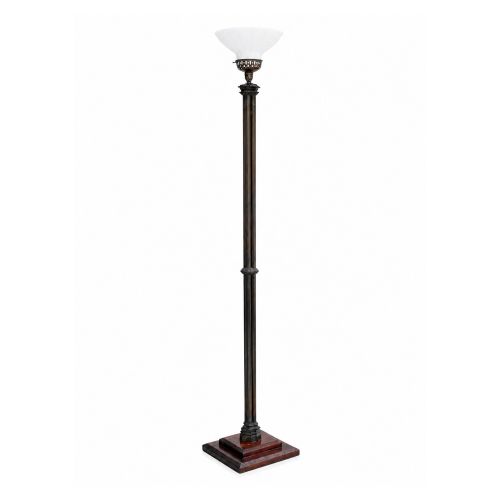
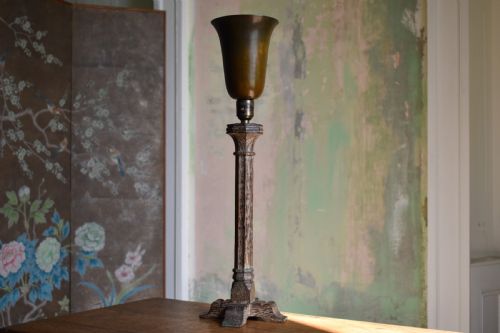
Proportions vary from slender Edwardian torchere columns to heavier carved oak tripod bases intended to anchor traditional seating arrangements.
Assessing quality in carved lighting
Quality rests principally in the crispness and depth of the hand-carving along the shaft, where sharp, undercut foliage distinguishes superior artisan work from shallow, mechanical pressing.
The integrity of the timber selection dictates the durability of tall upright columns, with well-figured walnut and dense mahogany resisting the warping inherent in slender turned wood over decades of use.
Original surface treatments, such as untouched gilding with natural burnishing or period patinated oak, preserve the historical character more effectively than later repainted or stripped interventions.
Listings feature woods including oak, walnut, mahogany, and teak alongside giltwood, brass, and gesso finishes.
Harry and Lou Epstein
The Carved Standard Lamp Glossary
- Torchere
- A tall stand or lamp base originally designed to carry a torch, adapted in these listings into an elevated floor light.
- Gesso
- A plaster-like mixture applied to wood bases as a smooth foundation before gilding or painting.
- Ormolu
- Gilded bronze mountings used for decorative enrichment on nineteenth-century standards.
- Acanthus
- A carved leaf ornament derived from classical architecture, frequently wrapping the capitals and bases of these columns.
- Baluster
- A moulded or turned vertical shaft supporting the main body of the standard lamp.
Carved Standard Lamp: Frequently Asked Questions
What is a carved standard lamp?
A carved standard lamp is a tall, freestanding interior light fixture featuring an upright wooden or gilt shaft decorated with hand-carved ornamentation.
These pieces were built to stand beside armchairs or in room corners, providing ambient illumination at eye level.
How were standard lamps used historically?
Historically, these tall floor lamps illuminated dark corners and reading areas in large Victorian and Edwardian reception rooms.
They offered a movable light source before fixed wall wiring became standard in domestic interiors.
How do I date a carved standard lamp?
Dating relies on identifying the underlying wood species, carving styles, and structural assembly methods associated with specific periods like the Victorian era or the 1920s.
Revival styles often borrow motifs from earlier centuries, so secondary indicators like wiring channels and base weights help confirm the actual manufacturing date.
Are these lamps safe for modern use?
Most antique floor lamps require rewiring with modern cable and PAT testing to ensure electrical safety before regular home use.
Qualified electricians can easily update internal wiring without altering the external antique timber or gilt finish.