

Carved Snuff Box
When you handle a carved snuff box, you hold a miniature tactile sculpture shaped from wood, horn, or nut to carry powdered tobacco.
Carved Snuff Box
A carved snuff box is a small receptacle designed to hold tobacco for inhalation, typically featuring intricate surface ornamentation created by hand. These objects survive from several centuries of personal use, reflecting the social habits of past societies.
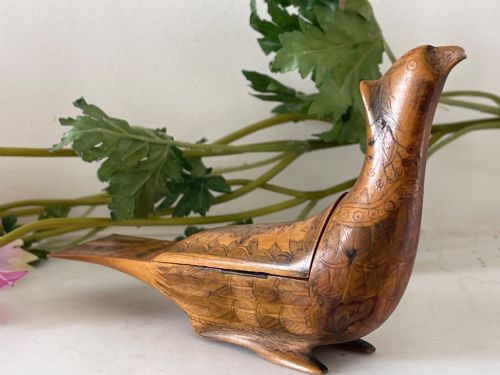
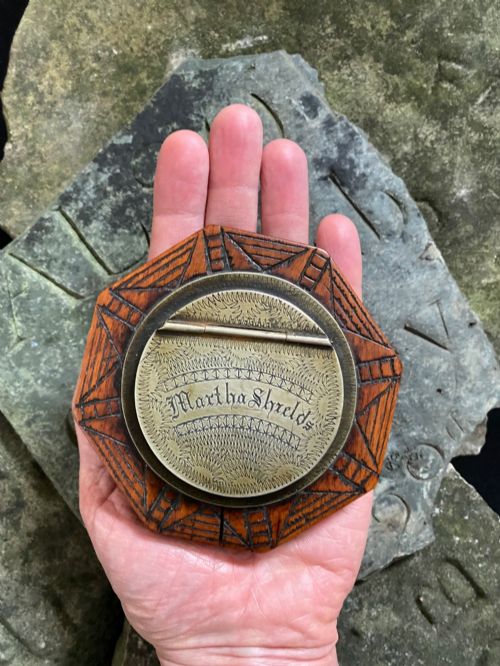
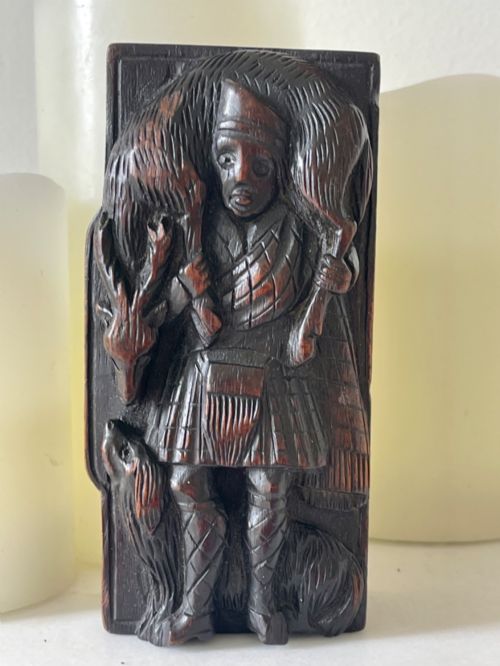
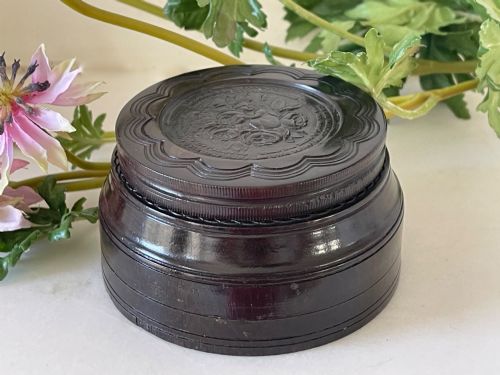
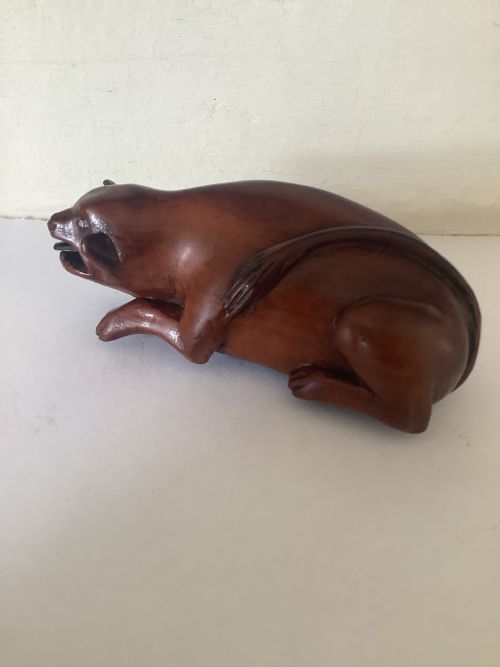
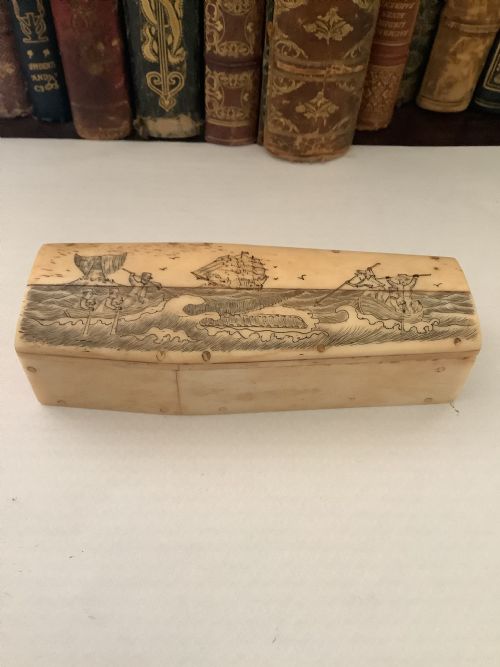
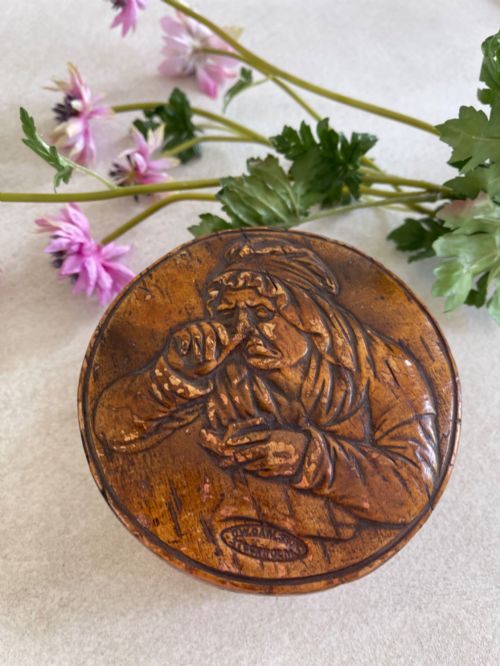
The versions most commonly met on this page include pocket-sized wooden treen items, coquilla nuts, and horn containers fashioned into everyday shapes. Many examples incorporate folk art motifs, figural carvings, and geometric inlay work.
How they were made
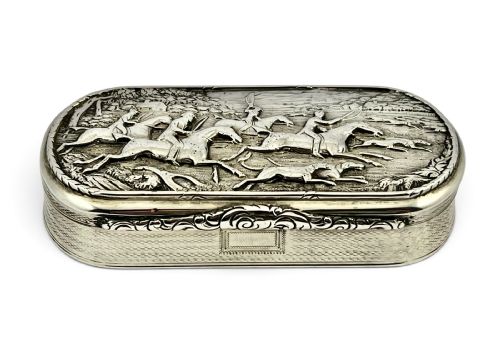
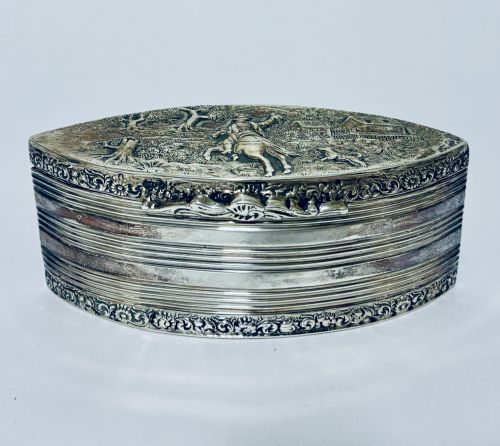
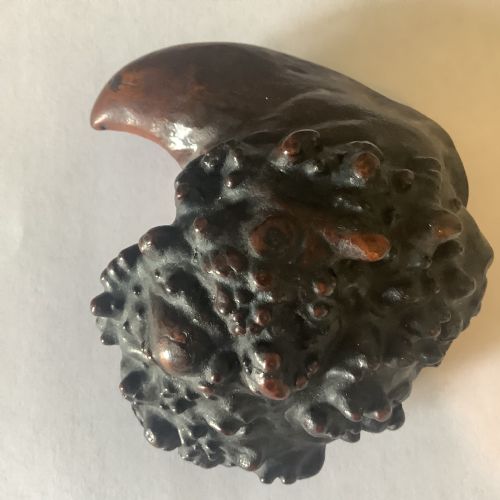
Materials span organic substances like hardwood, fruitwood, boxwood, horn, bone, and shell, alongside metals such as silver and brass. Craftsmen utilised natural variations in burr walnut, maple, and coquilla nut to provide textural interest to the miniature surfaces.
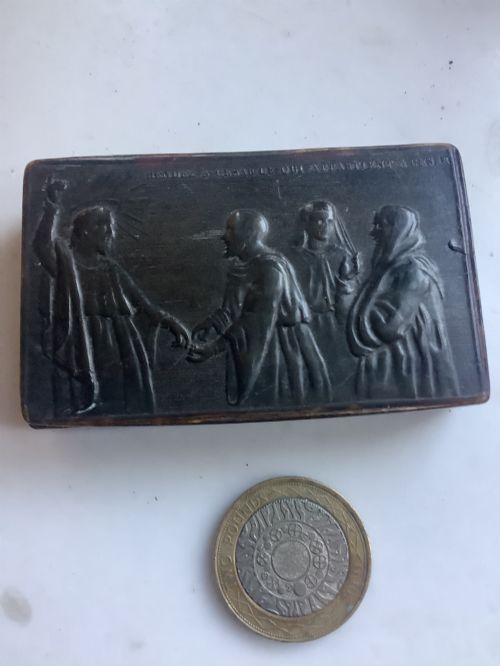
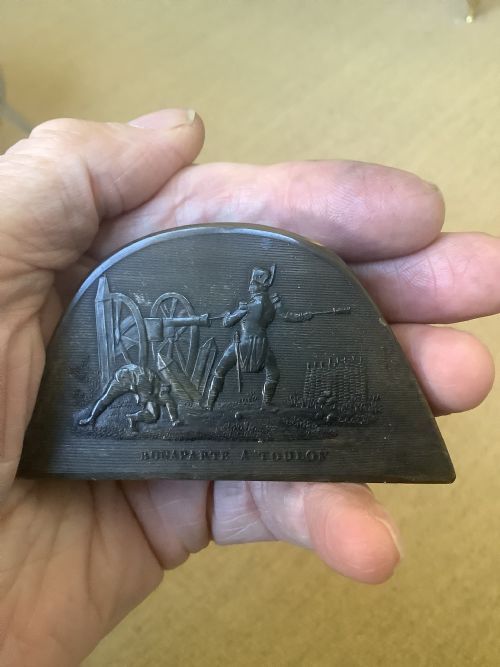
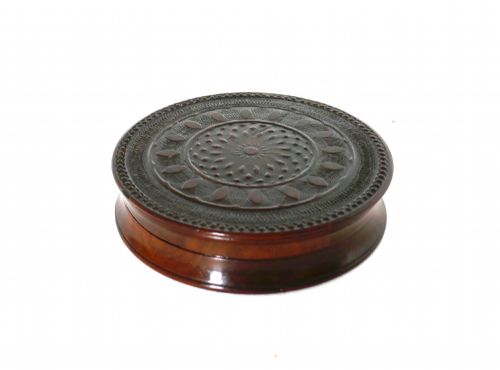
Techniques relied on hand-carving, chip-carving, press-moulding for horn, and turning on a lathe, often enhanced with bone or mother-of-pearl inlay and metal pique work. Artisans combined structural joins with relief carving to depict animals, figures, and symbolic patterns.
Carved Snuff Box Retail Price Guide 2026
Typical asking prices for carved snuff box among the pieces listed under this phrase on Sellingantiques today, from the lower quarter to the upper quarter. They describe what is for sale here now, not the wider market.
The inventory spans the eighteenth, nineteenth, and early twentieth centuries.
What varies in quality
The distinction between ordinary and exceptional pieces lies in the crispness and depth of the relief carving, alongside the preservation of the original surface patina. Sculptural novelty forms that maintain realistic anatomical proportions demonstrate superior workshop execution.
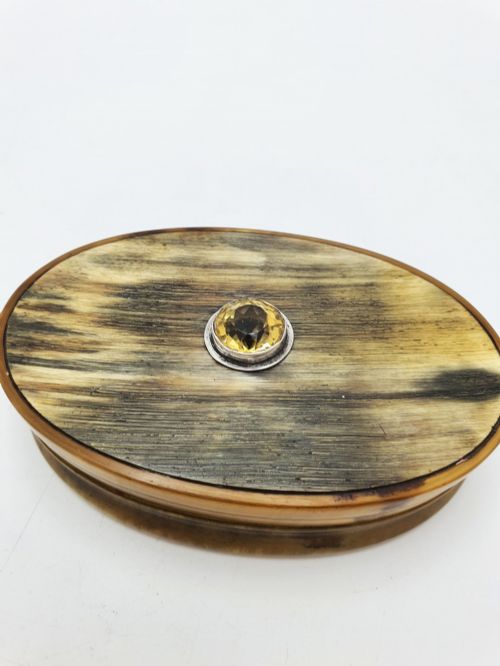
Material selection and the integration of secondary elements, such as contrasting bone inlay, faceted gemstones, or silver mounts, elevate the status of an object. The finesse with which hinged lids close and minute decorative details are rendered determines the standing of the piece.
The Carved Snuff Box Glossary
- Treen
- Small handmade wooden household objects and utilitarian wares. This term encompasses the vast array of pocket containers made from fruitwood, boxwood, and sycamore.
- Coquilla nut
- The large, hard seed of the South American piassava palm. It carved exceptionally well, making it a favoured medium for detailed pocket containers.
- Snuff mull
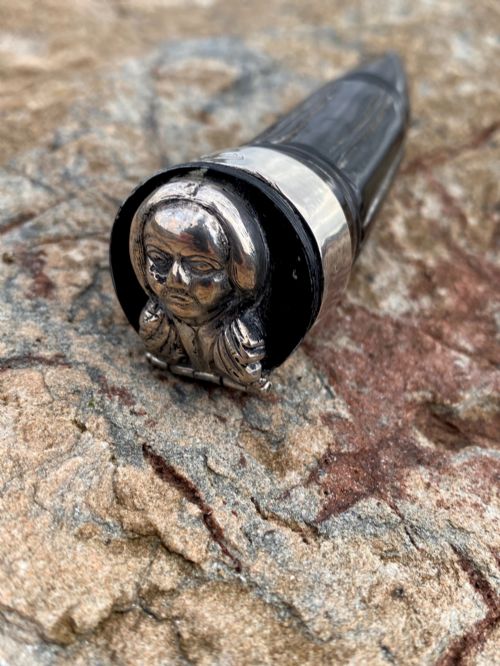
- A Scottish receptacle for holding powdered tobacco, traditionally fashioned from ram's horn decorated with pewter or silver mounts.
- Pique work
- A method of decorating tortoiseshell or horn with tiny gold or brass pins and wire. It creates delicate geometric patterns across the surface of small boxes.
- Memento mori
- An artistic reminder of the inevitability of death, often taking the form of skulls or symbolic imagery carved into personal items.
Carved Snuff Box: Frequently Asked Questions
What are these carved boxes?
These carved boxes are historical personal containers designed to hold dry powdered tobacco for sniffing. Users carried them in pockets or displayed them on tables during social gatherings.
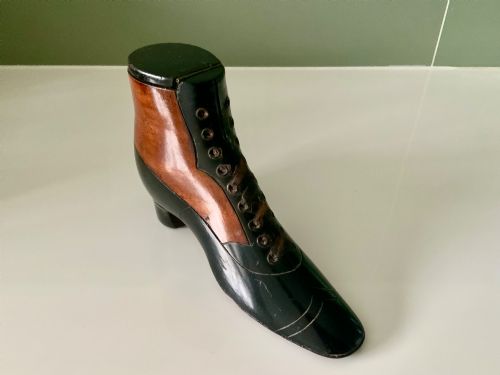
Craftsmen shaped them from organic materials like wood, horn, and nut, often carving them into whimsical forms such as shoes, animals, or books.
How were snuff boxes used?
Owners opened the snug-fitting lid to pinch a small amount of tobacco powder for nasal ingestion. The practice was a widespread social ritual across the eighteenth and nineteenth centuries.
Boxes were passed among company, serving as conversation pieces that displayed the owner's taste and the carver's ingenuity.
How do I care for antique horn?
Antique horn requires stable environmental conditions away from direct heat sources and strong sunlight to prevent warping and drying. Handling the material naturally deposits protective skin oils onto the surface.
Avoid immersing horn items in water or applying modern chemical polishes, as these treatments can damage the historical structure and finish.
How are different periods identified?
Periods are identified by examining the prevailing artistic styles, the specific tooling marks left by the maker, and the materials employed. Georgian pieces often display distinct chip-carving techniques, while Victorian examples frequently embrace elaborate novelty shapes.
Inlay materials, mechanical construction methods, and secondary motifs also provide clues regarding the era in which the box was produced.