


Carved Small Table
A carved small table brings useful surface space and period character into a room without dominating the floor.
Carved Small Table
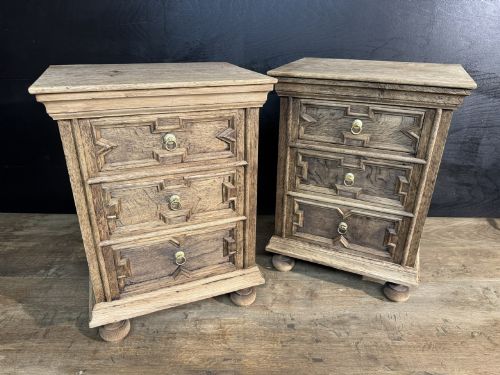
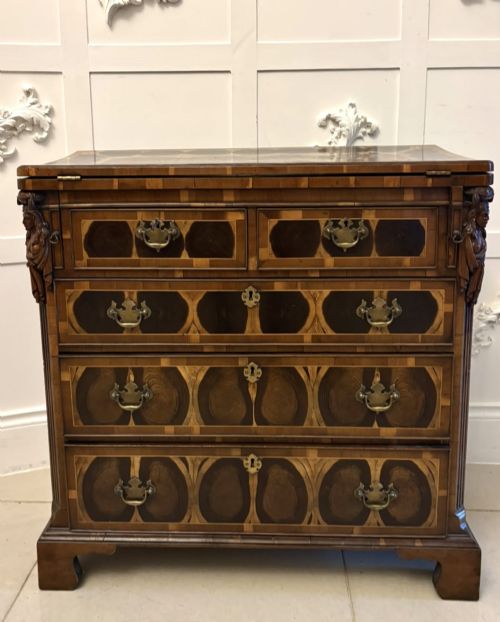
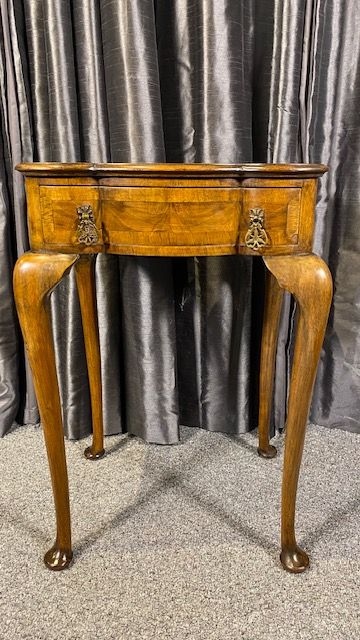
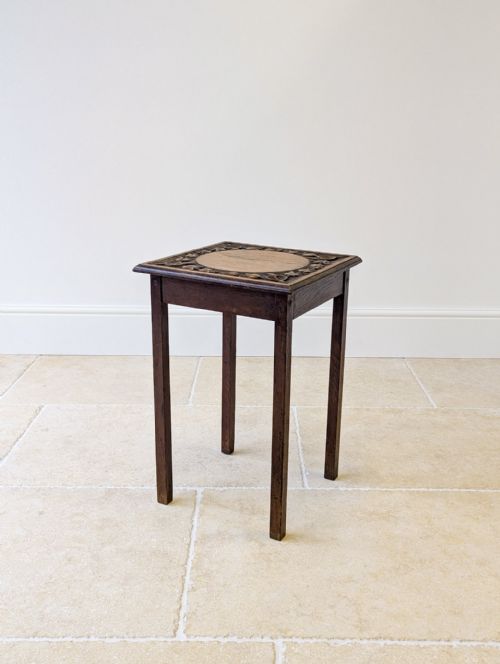
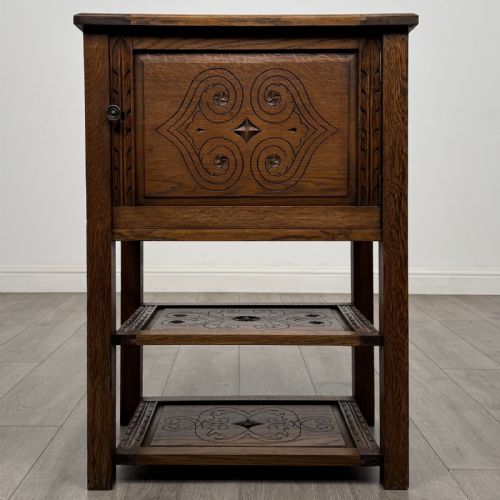
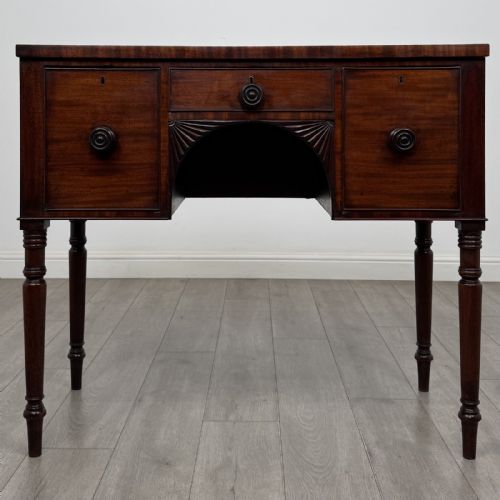
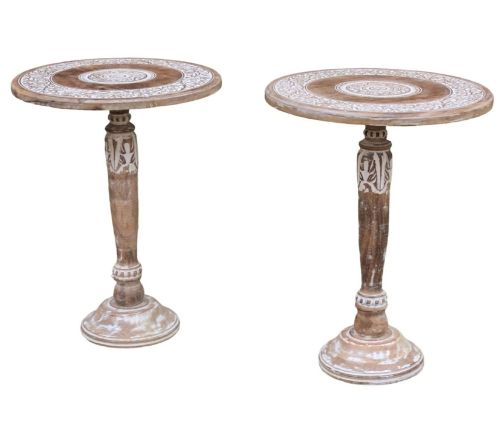
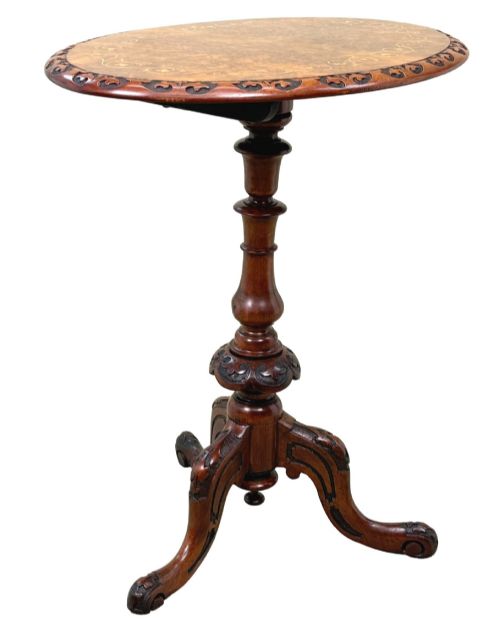
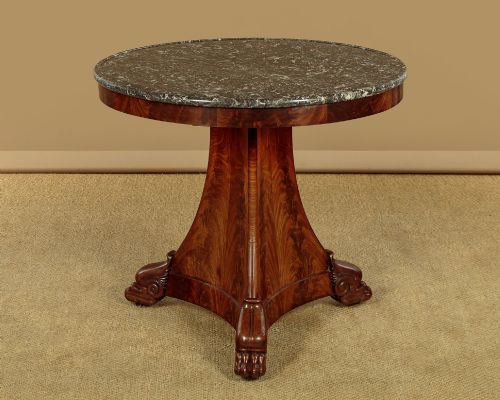
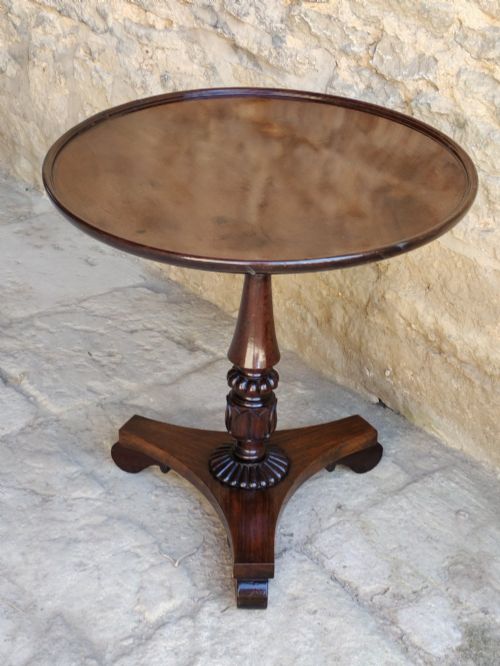
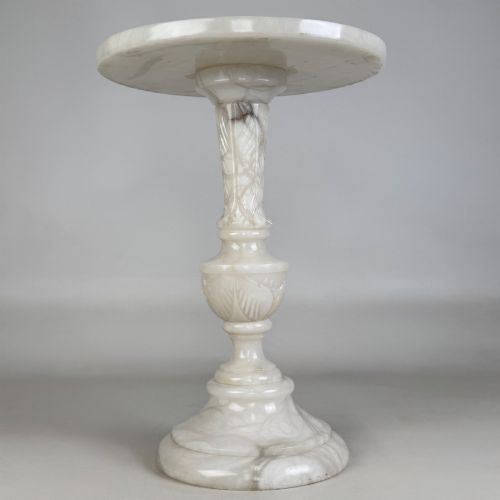
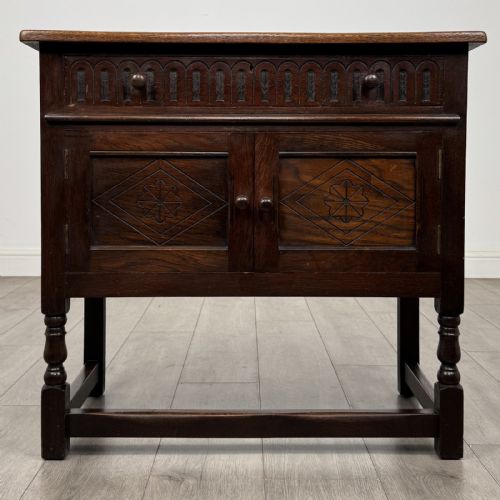
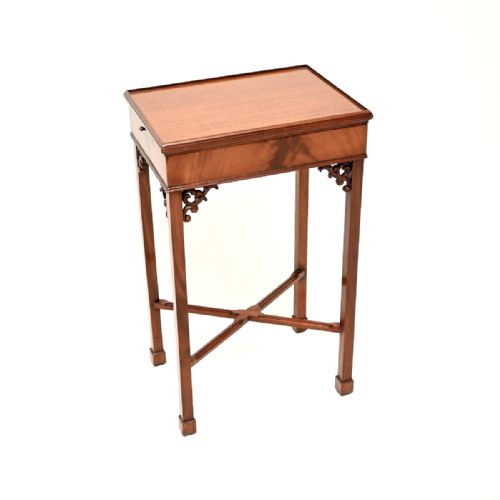
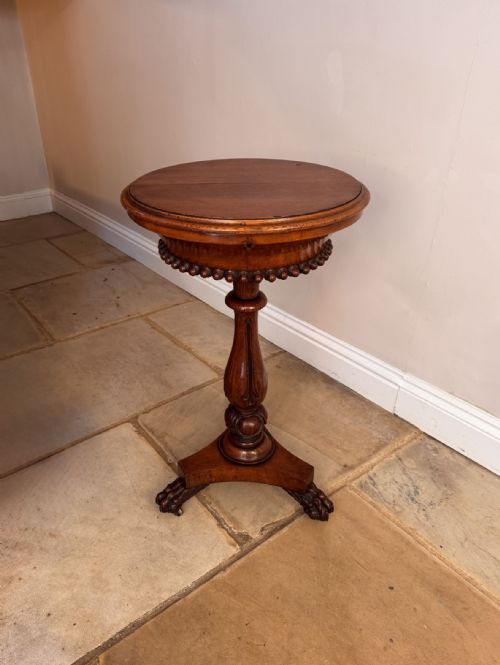
A carved small table appears in forms such as side tables, wine tables, occasional tables and lamp tables across this selection. These compact pieces serve specific functions beside seating or in hallways, designed to occupy minimal space while providing a functional surface.
The pieces span the Victorian, Edwardian and early twentieth-century periods, with styles drawing on Jacobean Revival, Chippendale Revival, Arts and Crafts and Gothic Revival influences. Oak and mahogany dominate the examples seen here, often featuring turned legs, galleries or carved details.
What varies in quality
The distinction between ordinary and superior examples lies in the crispness of the hand carving, the selection of timber grain, and the integrity of the original construction. Better pieces exhibit deep, well-defined carving rather than shallow, mechanical stamping.
Proportion and stability dictate the merit of a small table, where heavier woods require balanced frames and neatly turned uprights that remain rigid under weight.
Carved Small Table Retail Price Guide 2026
Typical asking prices for carved small table among the pieces listed under this phrase on Sellingantiques today, from the lower quarter to the upper quarter. They describe what is for sale here now, not the wider market.
The listings show oak as the most frequent timber used for carved small tables, followed by mahogany and walnut.
Bulstrode Cambridge·Edwards and Roberts
The Carved Small Table Glossary
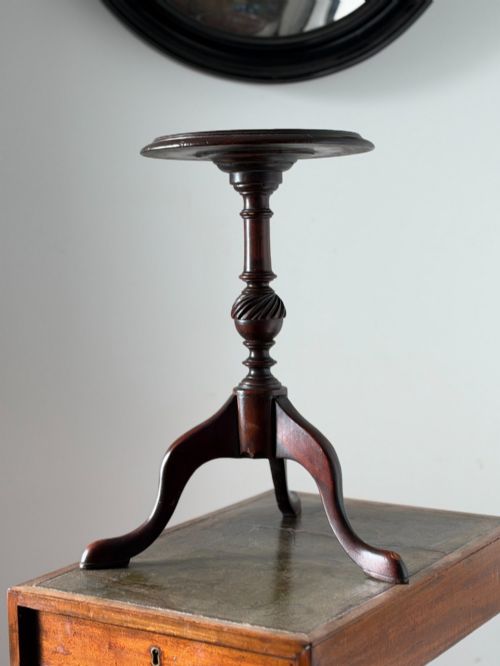
- Tripod table
- A small circular table supported by a pillar above three spreading feet. This form became common in mahogany and oak during the eighteenth and nineteenth centuries.
- Wine table
- A diminutive stand designed specifically to hold a single glass or bottle near a chair. These often feature dishtop or piecrust edges.
- Occasional table
- A light, movable piece intended for shifting around a room as needed. Examples in the current selection date predominantly to the Victorian and Edwardian eras.
- Barley twist
- A type of turning shaped to resemble a spiralling rope or column. It appears frequently on the legs of oak tables from the late nineteenth century.
- Gallery
- A low raised border around the edge of a table top to prevent items from rolling off. Galleries are constructed in wood or pierced brass.
Carved Small Table: Frequently Asked Questions
What is a wine table used for?
A wine table provides a compact surface placed beside a chair or sofa to hold a drink or a small book. Its small footprint allows it to fit into tight corners where larger furniture cannot go.
Historically, these tables held glasses or decanters during evening gatherings, functioning as movable adjuncts to larger dining and drawing room furniture.
How do I identify an Edwardian table?
Edwardian tables often display lighter timbers such as satinwood or lighter oak, frequently combining revival styles like Chippendale or Sheraton influences with simpler construction. They date from the reign of Edward VII and the early years of the twentieth century.
Look for machine-assisted joinery alongside hand finishing, reflecting the industrial methods available to cabinetmakers of that era.
Where should I place a tripod table?
A tripod table suits small spaces such as corners, beside an armchair, or in a hallway as a stand for a lamp. Its central pedestal allows chairs to tuck in close without legs obstructing the seating.
Because the three-legged base provides natural stability on uneven floors, these tables sit well on carpets or timber floorboards alike.
What is the difference between oak and mahogany tables?
Oak tables generally present a prominent grain and a heavier, more rustic appearance associated with Arts and Crafts, Gothic or Jacobean revival styles. They suit rooms with traditional or vernacular interior schemes.
Mahogany tables offer a finer grain and a darker, red-brown hue favoured in Georgian and Victorian revival pieces, bringing a formal look to a parlour or study.