



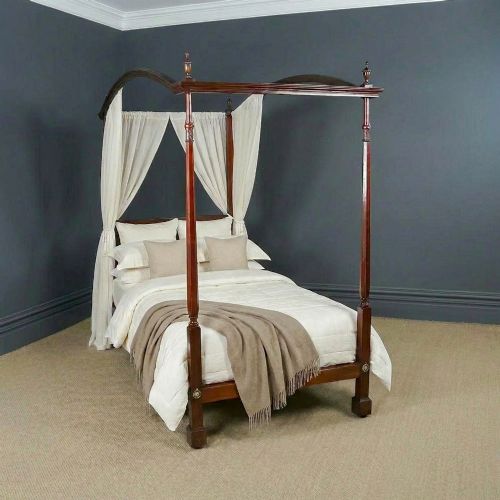


Carved Single Bedstead
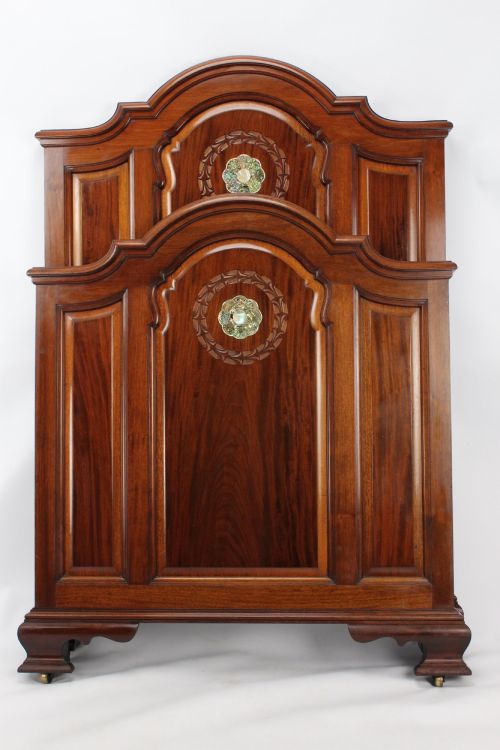
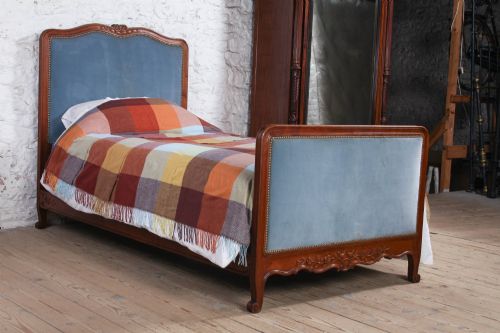
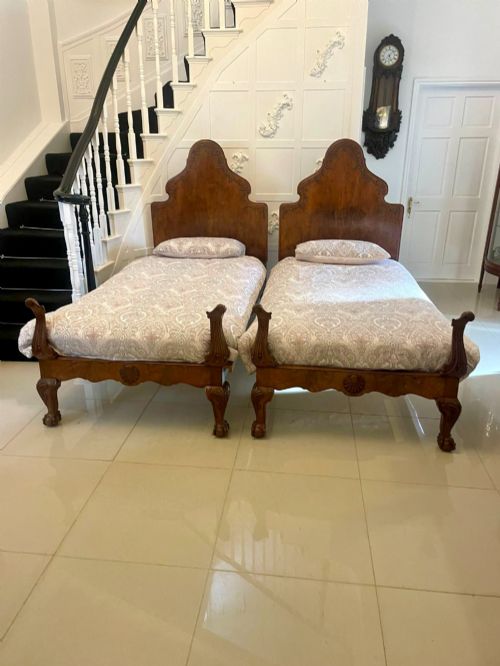
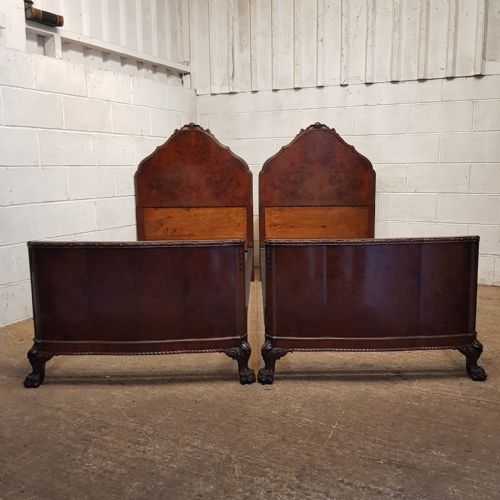
These carved single bedstead examples bring period character and timber warmth to a bedroom, offering distinct styling from the nineteenth and early twentieth centuries.
Carved Single Bedstead
A carved single bedstead provides a compact sleeping frame designed for one person, often featuring decorative woodwork on the headboard and footboard. When exploring a carved single bedstead, you encounter pieces originating from the nineteenth century through to the nineteen-thirties.
The selections span distinct stylistic traditions including Edwardian, Victorian, Arts and Crafts, and French Louis XVI revival designs. Common forms include panelled wooden frames, four poster constructions, and curved corbeille shapes intended for individual use.
Makers such as Heal & Son and Oliver Morel contributed notable examples in oak, walnut, and fruitwood. These frames often arrive as matched pairs or individual items suited to guest rooms and period interiors.
How they were made
Makers utilised solid timbers such as oak, mahogany, walnut, and fruitwood, often applying burr walnut veneers or parquetry to prominent surfaces. Structural elements were joined using traditional woodworking methods appropriate to the period.
Carving and inlay work defined the decorative vocabulary, incorporating mother-of-pearl, abalone, or gilt details into the timber frames. Some pieces received polychrome painted finishes or hand-painted portrait panels to suit continental and domestic tastes.
Carved Single Bedstead Retail Price Guide 2026
Typical asking prices for carved single bedstead among the pieces listed under this phrase on Sellingantiques today, from the lower quarter to the upper quarter. They describe what is for sale here now, not the wider market.
Some single beds come with matching bedside cabinets, ensuring your alarm clock and novel stay historically coordinated.
What varies in quality
The refinement of the carving distinguishes standard production from superior examples, with crisp hand-chiselled details carrying more artistic merit than simpler mechanical shaping. Finer pieces demonstrate careful timber selection, particularly in matched burr walnut veneers and figured mahogany surfaces.
Attribution to documented makers like Heal of London elevates a bedstead's standing, as does the survival of original decorative elements such as mother-of-pearl inlay and polychrome painted panels. Cohesion in paired bedframes also influences desirability for collectors.
Heals of London·Oliver Morel·Heal & Son
The Carved Single Bedstead Glossary
- Bedstead
- The framework of a bed consisting of the headboard, footboard, and side rails, designed to support a mattress and base. These structures reflect the prevailing furniture styles of their respective manufacturing periods.
- Corbeille
- A French style of bed featuring an enclosed, rounded headboard and footboard that curve to embrace the mattress. This design gained popularity during the late nineteenth and early twentieth centuries.
- Parquetry
- A geometric mosaic of wood pieces used for decorative effect on furniture surfaces. Makers utilised contrasting timbers to create patterned inlay on headboards and footboards.
- Polychrome
- Decorated in a variety of colours, frequently seen on painted wooden bedframes and portrait panels. This finish appears on continental examples from the early twentieth century.
- Spiral carved
- Woodturning technique producing a twisted rope effect along decorative bed posts and uprights. This ornamentation is characteristic of Regency and revival pieces.
Carved Single Bedstead: Frequently Asked Questions
What mattress size fits an antique single bedstead?
Antique single bedframes often vary slightly from modern standard dimensions due to nineteenth and early twentieth-century sizing conventions. Many accommodate traditional single mattresses, though some larger single or three-foot-six variants require bespoke mattress sizing.
It remains advisable to measure the internal frame dimensions carefully before sourcing a mattress. Custom options can ensure a proper fit within historic wooden side rails.
How do I identify an Edwardian carved single bedstead?
Edwardian frames typically date from the late Victorian era up to the First World War, frequently displaying lighter mahogany or oak timbers. Characteristic details include understated carved panels, inlaid stringing, and proportions suited to smaller suburban bedrooms.
Documentation or maker stamps from firms such as Heal's help confirm the period and origin. Stylistic restraint separates these pieces from heavier Victorian Gothic or Renaissance revival designs.
Can I use modern bedding with these wooden bedsteads?
Modern bedding adapts easily to these historic frames once a suitable supportive base or slatted system is put in place. Many listings include the bed base to facilitate immediate use with contemporary mattresses.
Care should be taken to protect delicate footboard carvings and painted surfaces from excessive friction. Standard linens and quilts complement the timber headboards without altering the structure.
How do French revival bedsteads differ from English ones?
French revival bedsteads, such as Louis XVI or Louis XV style examples, often feature painted finishes, gilt accents, and curved corbeille silhouettes. English equivalents tend to rely on exposed timber grains like oak, walnut, or mahogany with rectilinear panel construction.
Continental pieces frequently incorporate upholstered headboards or hand-painted portrait panels. Both traditions utilise carved ornamentation, but the French variants lean towards lighter, decorative aesthetics.