





Carved Side Open Bookcase
These carved side open bookcase examples bring timber shelving and display storage together through nineteenth-century craftsmanship.
Carved Side Open Bookcase
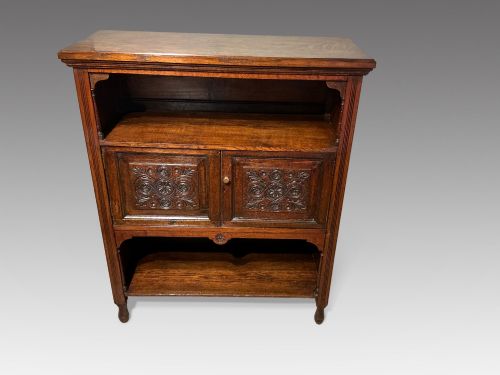
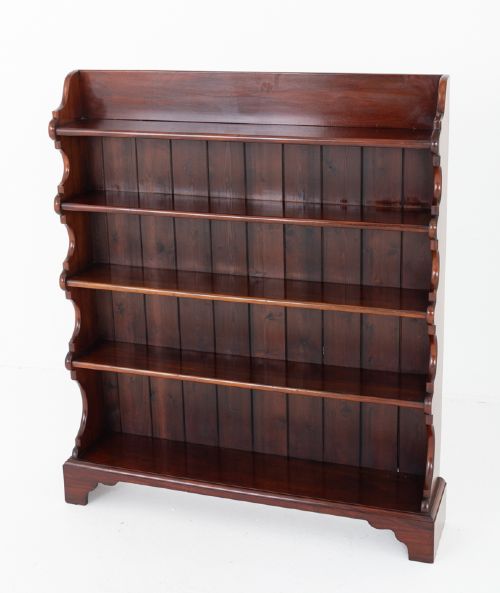
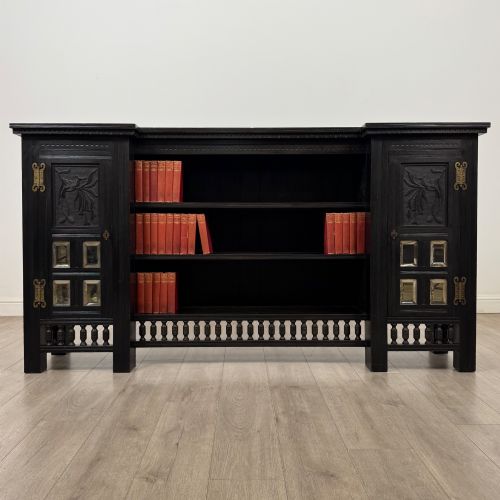
A carved side open bookcase combines accessible shelf storage with decorative side panels, often taking the form of open bookcases, etageres, or side cabinets. These pieces serve to display volumes and decorative objects within domestic interiors.
The versions most commonly met across these listings date from the nineteenth century, including Victorian, Regency, and Georgian Revival periods. Makers utilised timber structures incorporating mahogany, rosewood, oak, and ebonised wood.
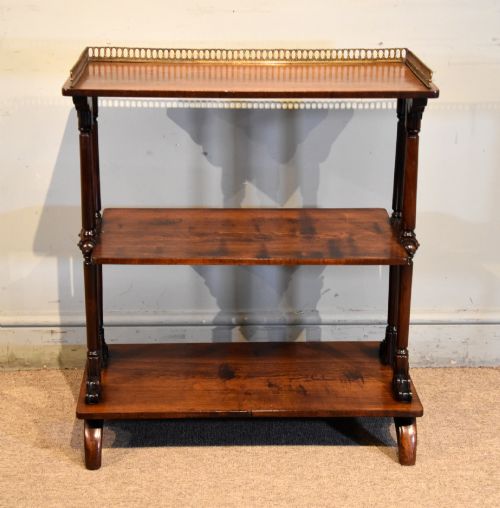
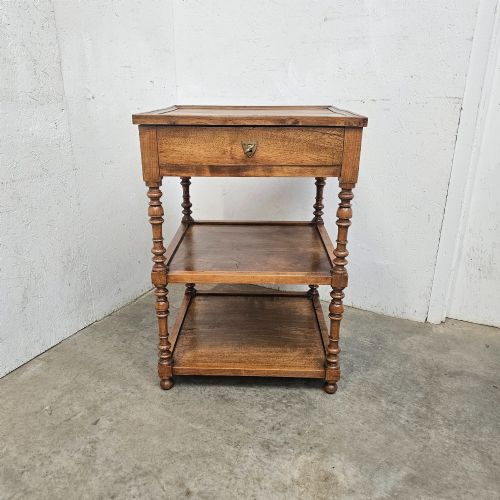
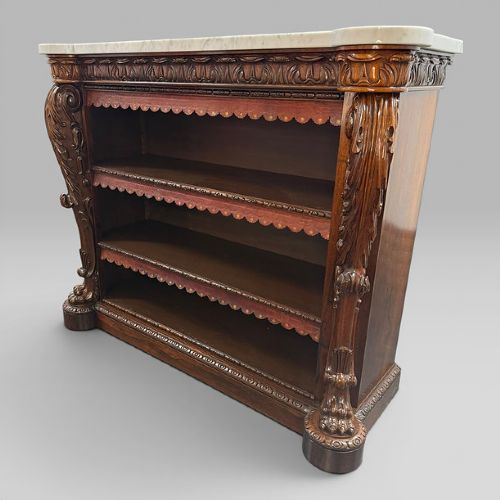
Object variations include multi-tiered shelving units, sideboards, and display cabinets with open fronts. Many incorporate specific detailing such as brass galleries, marble tops, or turned legs.
Judging quality and craftsmanship
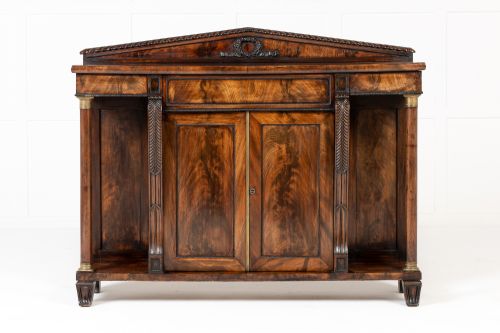
The distinction between tiers of quality rests on the selection of timber figures, such as flamed mahogany or burr walnut, and the crispness of the carved detailing. Superior pieces display harmonious proportions and careful matching of wood veneers across prominent surfaces.
Original hardware, integrated marble tops, and branded attribution elevate a piece beyond standard production. The integration of structural elements like brass galleries and turned legs demonstrates the maker's precision.
Carved Side Open Bookcase Retail Price Guide 2026
Typical asking prices for carved side open bookcase among the pieces listed under this phrase on Sellingantiques today, from the lower quarter to the upper quarter. They describe what is for sale here now, not the wider market.
The documented object types include multi-tiered etageres, open bookcases, display cabinets, and dwarf side-cabinets.
Gillows·William Trotter
The Carved Side Open Bookcase Glossary
- Etagere
- A set of open shelves for displaying small objects or books. These freestanding pieces typically feature multiple tiers supported by slender uprights or turned legs.
- Ormolu
- Gilded bronze mounts applied to furniture for decorative effect. This technique was frequently utilised during the nineteenth century to accent corners and friezes.
- Breakfront
- A piece of furniture where the central section projects forward from the side sections. This architectural form adds depth and visual interest to larger cabinets and bookcases.
- Gallery
- A low decorative railing surrounding the top shelf or marble surface of a cabinet. It is commonly fashioned from brass or pierced timber.
- Gonçalo Alves
- A dense exotic hardwood prized for its striking contrasting grain patterns. Cabinet makers utilised this timber for high-status Regency and nineteenth-century furniture.
Carved Side Open Bookcase: Frequently Asked Questions
What is a carved side open bookcase?
A carved side open bookcase is a timber shelving unit featuring decorative side panels and accessible open storage for books and ornaments. These pieces date primarily from the nineteenth century and incorporate various hardwood species.
They function as both practical library furniture and decorative display pieces within period interiors, often including supplementary tiers or cabinets.
How do I date a nineteenth-century bookcase?
Dating relies upon identifying stylistic markers associated with periods such as Regency, Victorian, or Edwardian design. Construction methods, timber choices, and secondary woods also offer clues to the decade of manufacture.
Cabinet hardware, veneer thickness, and specific decorative motifs help narrow down the production era when maker marks are absent.
Where should I place an etagere?
An etagere suits placement in principal reception rooms or libraries where its multi-tiered shelving can display decorative objects or select volumes. Because many examples feature finished sides, they function effectively away from walls.
Positioning should avoid direct sunlight to protect sensitive rosewood or mahogany veneers from fading over time.
What woods were used in these bookcases?
Cabinet makers predominantly utilised dense hardwoods including mahogany, rosewood, oak, and walnut. Veneered surfaces often showcased figured grains such as flamed mahogany or burr walnut.
Secondary timbers like pine or oak appear in internal construction and drawer linings, depending on the workshop origin.