




Carved Rosewood Display Stand
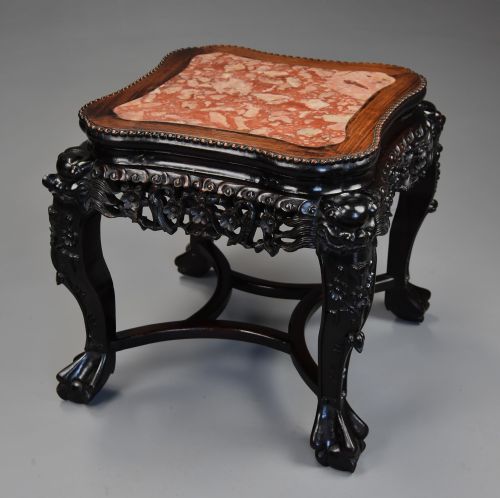
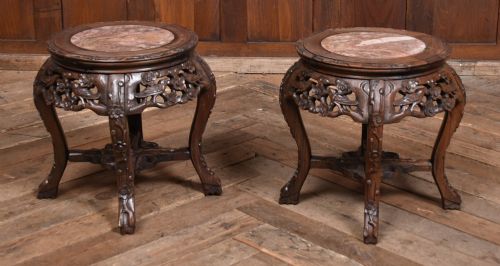
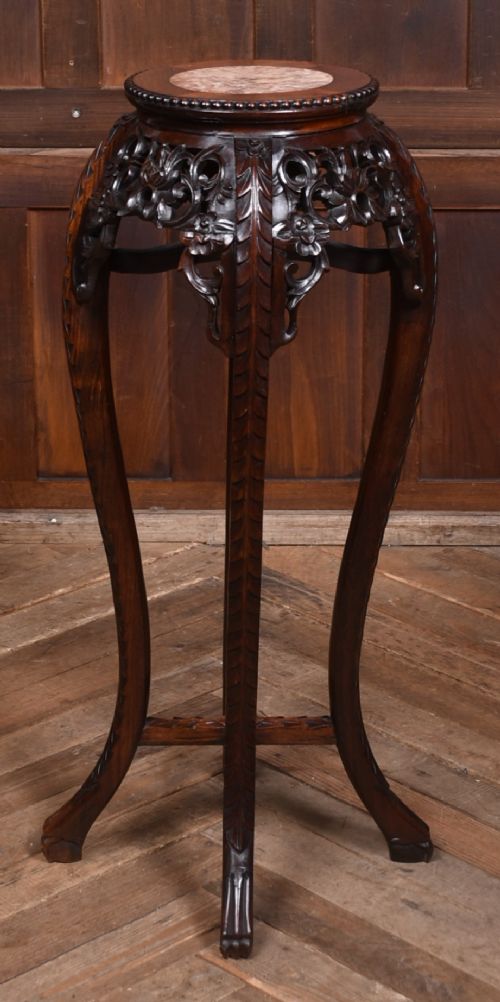
A carved rosewood display stand holds precious objects with architectural dignity, bringing tactile warmth and formal poise to an interior.
Carved Rosewood Display Stand
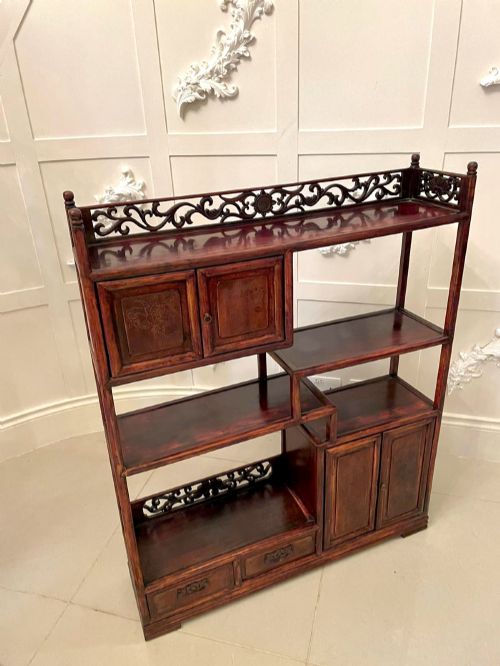
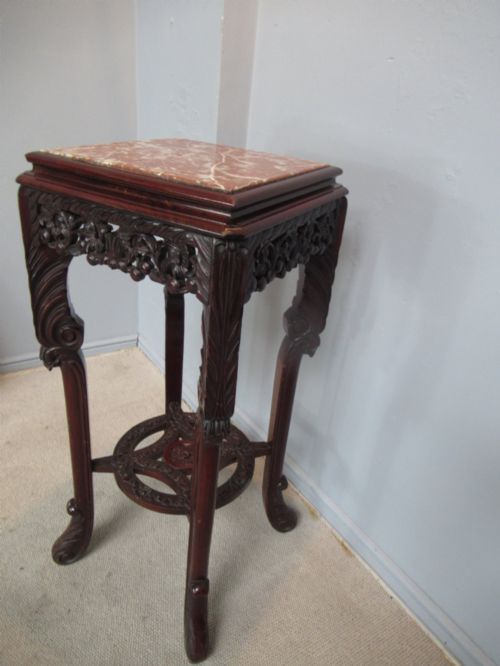
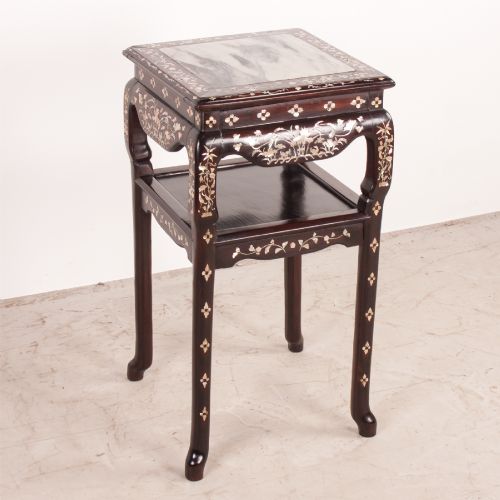
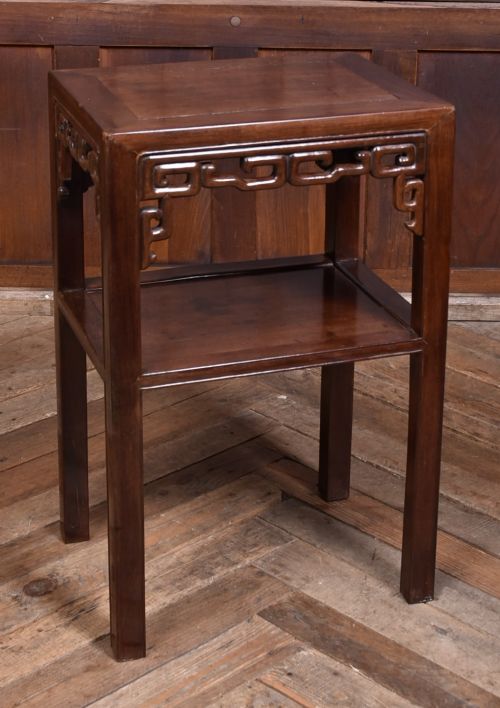
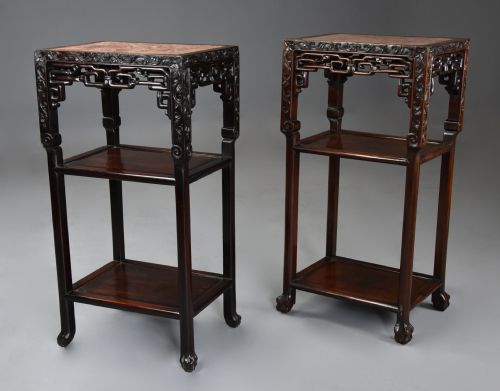
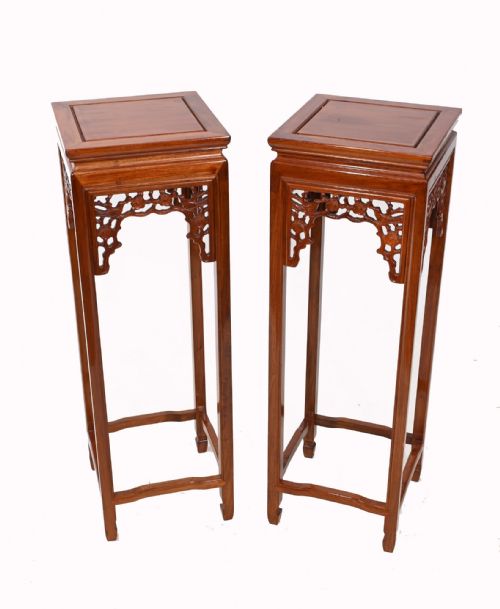
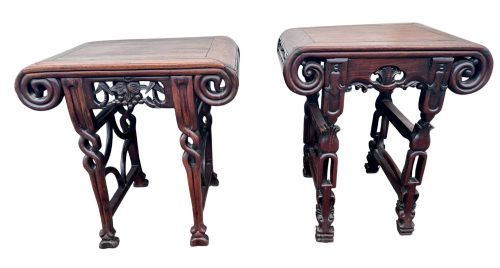
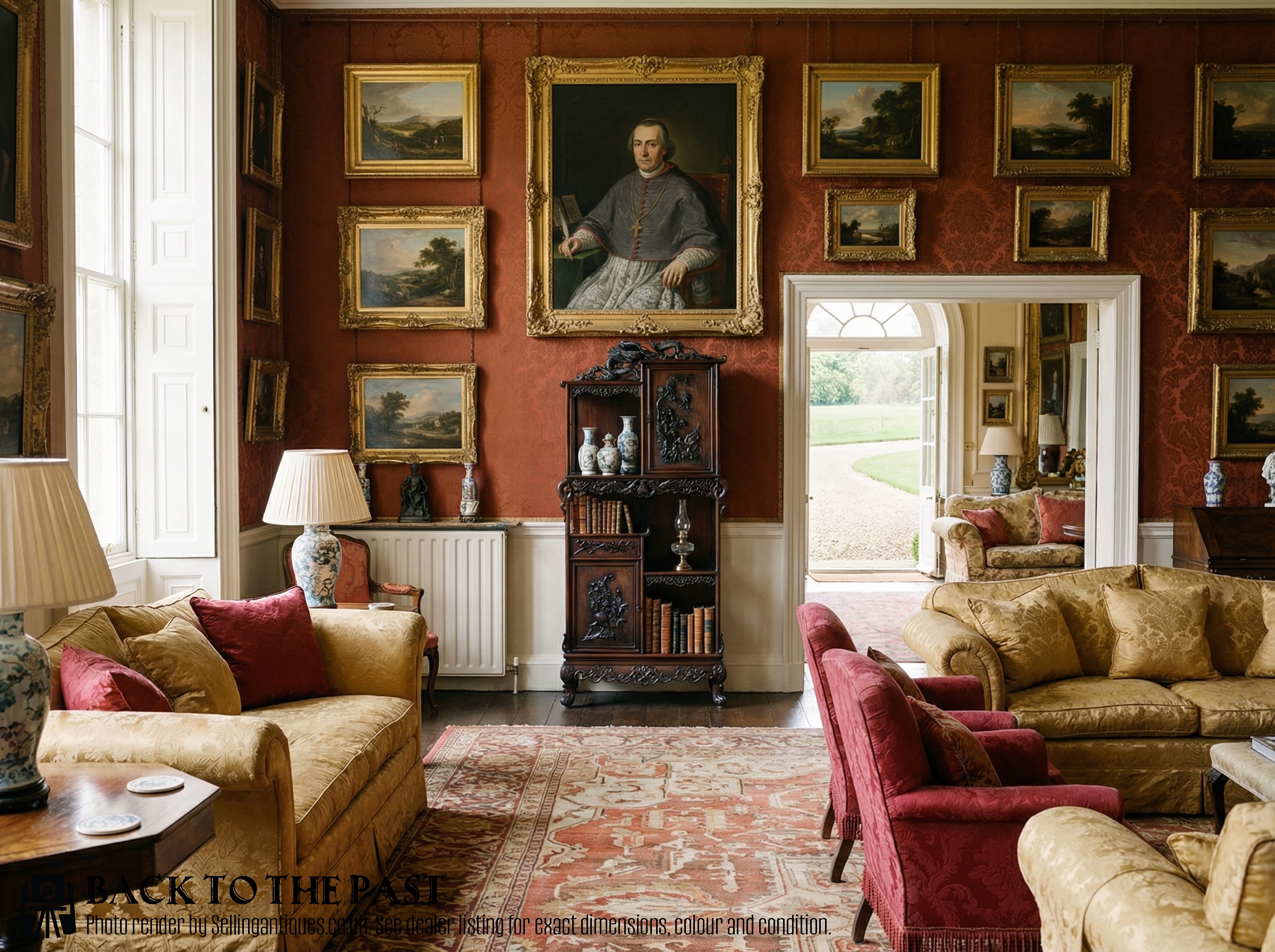
A carved rosewood display stand encompasses a variety of elevated furniture forms designed to present decorative items, plants, and precious vessels. These pieces range from compact pot stands and jardiniere tables with shaped marble insets to multi-tiered whatnots, side tables, and display cabinets.
The selection reflects two distinct design traditions meeting on this page: English Regency and Victorian domestic furniture, alongside Chinese export and Qing Dynasty craftsmanship. Buyers will encounter freestanding pedestals, low tables, and tiered shelving units built to showcase individual objects.
Many examples utilise dense tropical timbers such as padouk and hongmu alongside traditional rosewood, often featuring inset marble tops suited for holding damp plant pots or heavy vases. The forms vary from straightforward rectangular tables to elaborately pierced and carved supports.
Judging the Standard
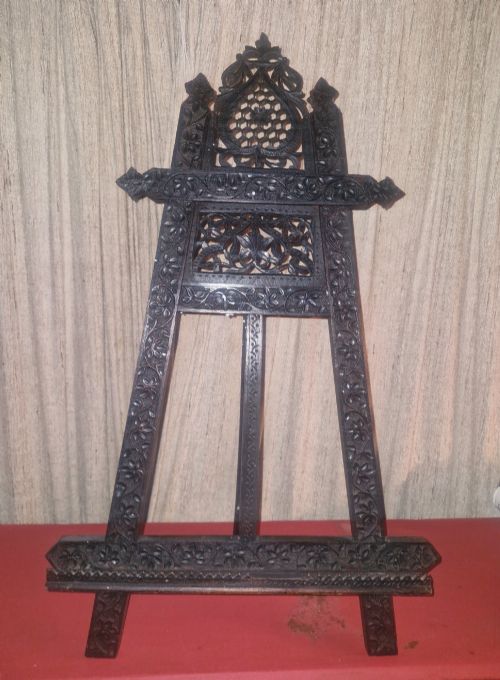
Quality rests in the depth and crispness of the carving, where hand-tooled execution displays sharp undercutting and spirited relief rather than shallow, mechanical shaping. The integration of materials also defines the standard, seen in how neatly a marble inset sits flush within its rebated wooden frame.
Proportion and structural stability separate standard production from superior examples, particularly in taller stands and multi-tiered whatnots where slender uprights must support heavy weight without wobble. The choice of timber grain and the precision of joinery further distinguish pieces produced by skilled workshops.
Listings feature 19th-century pieces spanning the Victorian, Regency, and Qing Dynasty periods, utilising hardwood, marble, and brass.
Gillows
The Carved Rosewood Display Stand Glossary
- Jardiniere stand
- A low table or pedestal specifically designed to support a plant container or flower bowl, frequently fitted with a marble top to resist water damage.
- Whatnot
- A piece of furniture consisting of several open shelves for displaying small objects or books, developed during the 19th century.
- Padouk
- A heavy, durable tropical hardwood with a reddish hue, often utilised in Chinese export furniture and finely carved stands.
- Hongmu
- A traditional Chinese term denoting dense, red-toned hardwoods used for high-status furniture and display pieces.
- Étagère
- A set of open shelves for displaying ornaments, similar in function to a whatnot and popular in Victorian interiors.
Carved Rosewood Display Stand: Frequently Asked Questions
What was a carved rosewood display stand used for?
These pieces served as functional display furniture in 19th-century drawing rooms and parlours, elevating vases, figures, and decorative ceramics to eye level. They allowed collectors to showcase individual objects within an interior.
In both English and Chinese export traditions, specific forms held heavy plants, musical accessories, or collected curiosities, protecting delicate items while adding vertical interest to a room.
How do I care for rosewood furniture?
Rosewood requires stable indoor humidity away from direct heat sources and strong sunlight, which can dry out the timber and fade its natural colour. Regular dusting with a soft, dry cloth maintains the finish without needing heavy polishes.
For pieces with inset marble tops, wipe moisture promptly to protect the surrounding wooden rebate from water staining and timber movement.
Are marble tops original to these stands?
Marble insets on Chinese hardwood and Victorian stands are generally original, functioning practically to hold damp flowerpots or heavy stone vases without marking the wood. The stone was cut to fit individual rebates during initial construction.
Inspect the underside of the top to check that the marble rests securely on original battens or framing without modern shims or mismatched replacement stone.
How do I tell Chinese export pieces from Victorian ones?
Chinese export pieces typically utilise dense regional timbers like hongmu or padouk, featuring characteristic relief carving related to Qing Dynasty motifs. Their construction details and joinery differ distinctly from British cabinetmaking methods. NINETEENTH-CENTURY Victorian and Regency pieces often employ rosewood veneers or solid British domestic framing, following European proportions and decorative vocabularies such as waterfall shelving or turned supports.