


Carved Red Tables
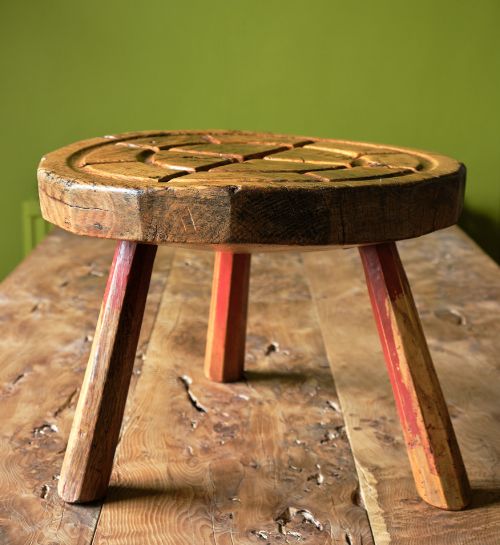
Carved red tables combine robust timber frames with striking crimson surfaces, offering a vibrant focal point for traditional interiors.
Carved Red Tables
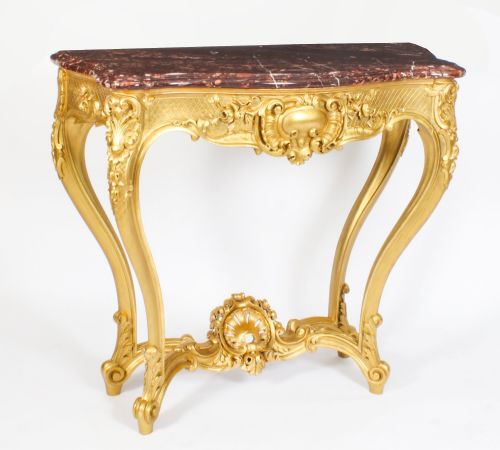
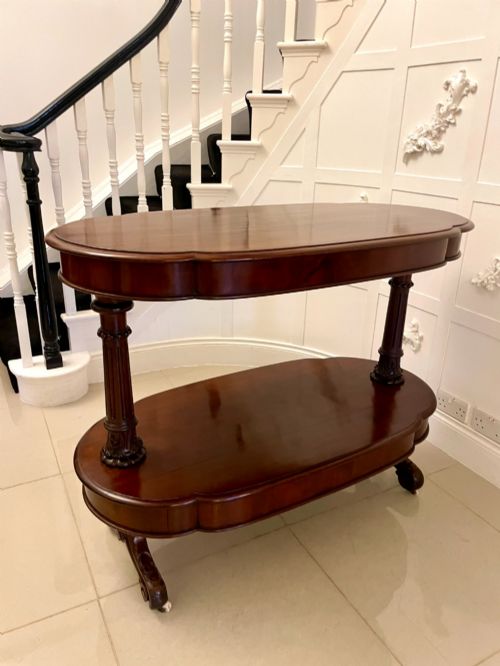
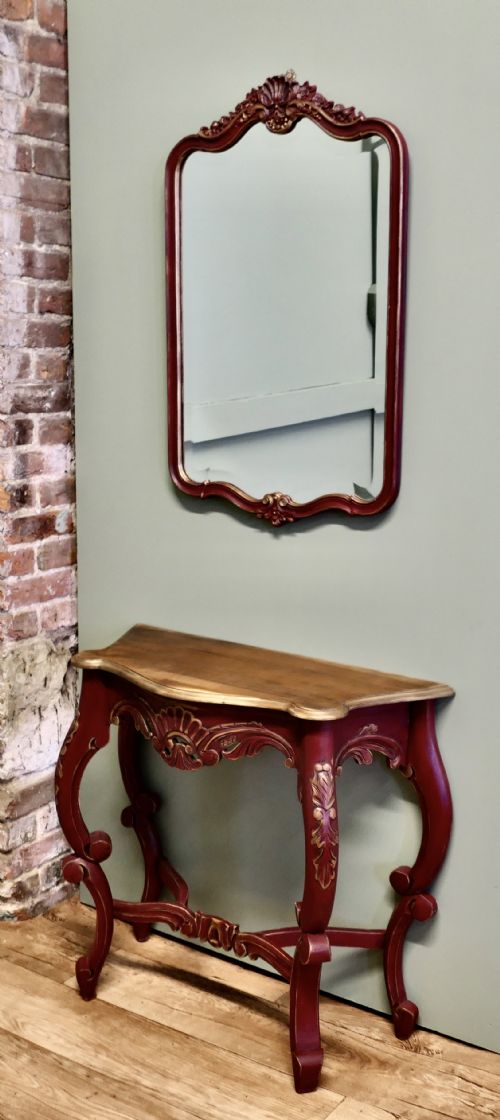
When searching for carved red tables, buyers encounter console tables, side tables, and occasional furniture featuring rich crimson finishes. These pieces typically incorporate wood frames paired with contrasting red leather, hide, or lacquered surfaces.
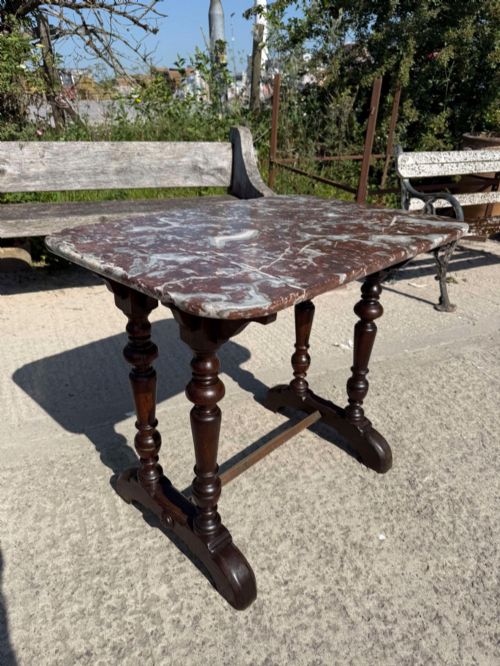
The selection ranges from nineteenth-century Italian faux porphyry designs to Oriental red lacquered side tables and twentieth-century examples. Console and side tables dominate the offerings, often displaying detailed carved woodwork alongside distinct red tops.
Originating across various periods including the eighteenth and nineteenth centuries, these items bring warmth and strong colour to a room through their distinct red surfaces.
Materials and construction
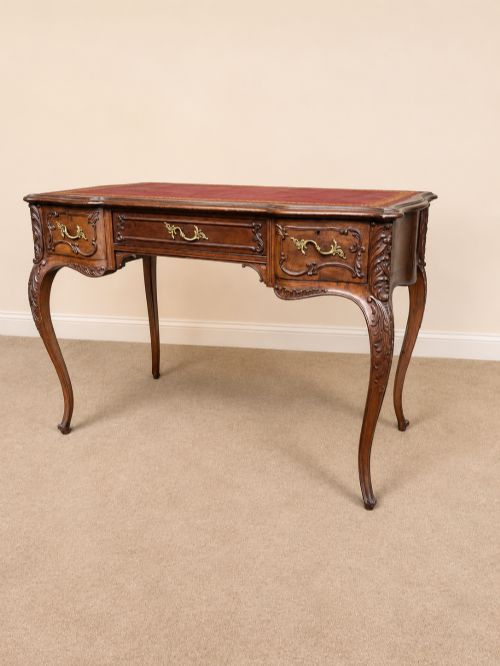
Cabinet makers utilised dense hardwoods such as mahogany, walnut, and oak to build the structural frames, applying intricate hand-carved details along the edges and legs. These timbers provide the structural integrity required for heavy use over centuries.
Surfaces are finished with dyed leathers, hides, or traditional red lacquer applied to wood or marble bases. Artisans secured these materials using precise joinery and traditional adhesives suited to each period.
Carved Red Tables Retail Price Guide 2026
Typical asking prices for carved red tables among the pieces listed under this phrase on Sellingantiques today, from the lower quarter to the upper quarter. They describe what is for sale here now, not the wider market.
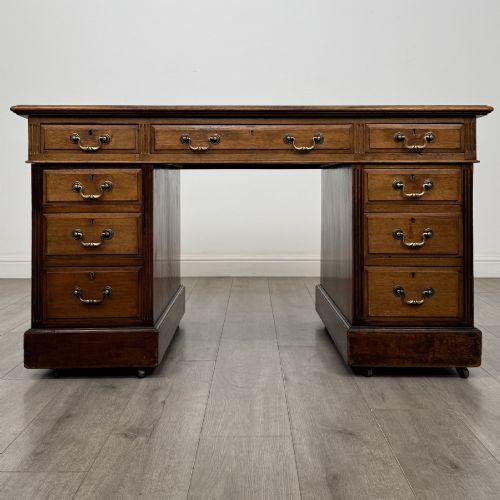
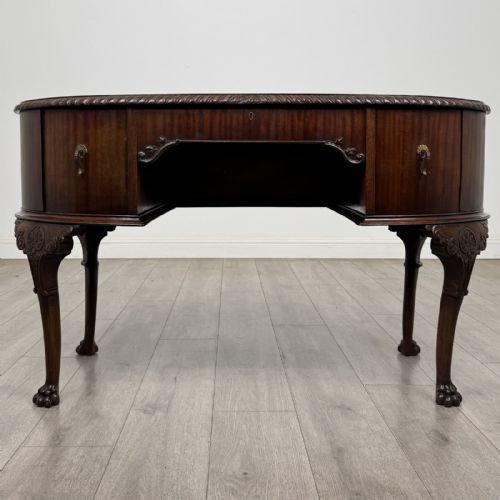
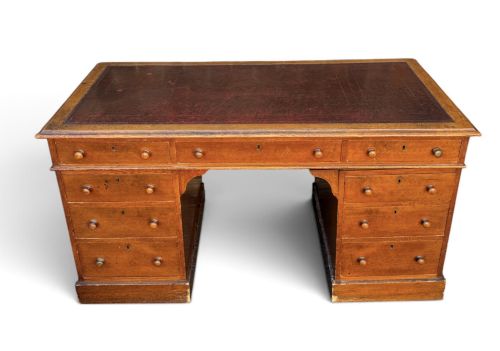
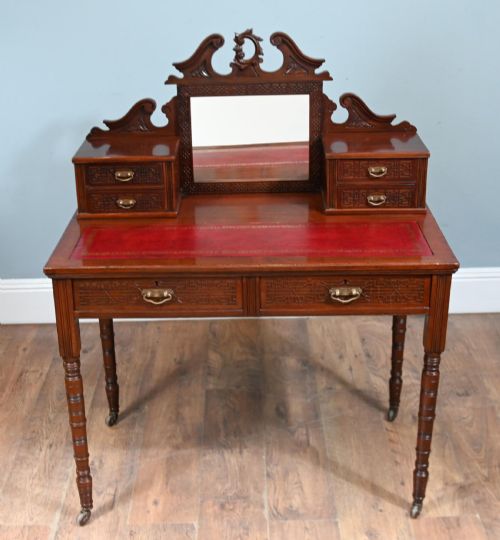
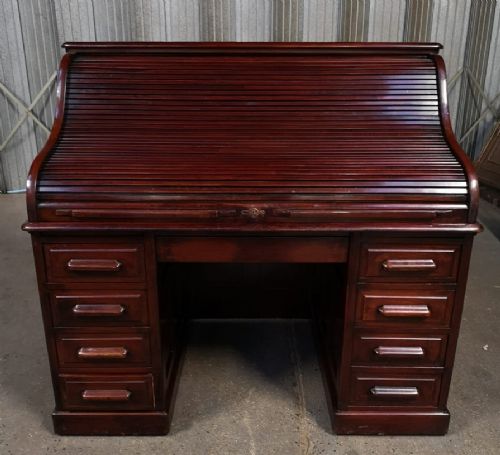
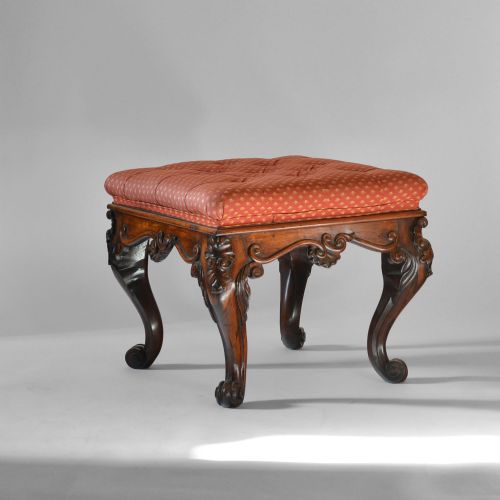
Available forms include console tables, writing desks, footstools, and jardiniere stands incorporating marble and red leather.
Assessing quality in construction
The depth and precision of the hand-carving define the upper tier of these pieces, separating refined artisan work from simpler workshop production. Crisp edges and balanced proportions indicate superior craftsmanship.
The choice of surface material also dictates the standard, with genuine hide, marble, and quality lacquer demonstrating greater durability and aesthetic depth than secondary substitutes.
Edwards and Roberts·Heals of London
The Carved Red Tables Glossary
- Console table
- A table designed to stand against a wall, frequently supported by ornate brackets or carved legs. These tables often feature marble or leather inserts.
- Faux porphyry
- A decorative paint technique designed to imitate the deep purple-red igneous rock used in antiquity. Artisans apply layered pigments to simulate mineral crystals.
- Jardiniere stand
- A tall pedestal or small table intended to hold a plant container or decorative bowl. They frequently incorporate marble tops to resist moisture.
- Lacquer
- A durable resin finish applied in multiple coats and polished to a hard sheen. Oriental examples utilise traditional tree saps to achieve deep red colouration.
- Demi-lune
- A half-moon shape utilised for console and side tables designed to sit flush against a wall. This form saves floor space while providing a display surface.
Carved Red Tables: Frequently Asked Questions
Where should I place a console table?
These tables fit naturally in entrance halls, living rooms, or dining spaces where floor space is limited. Their shallow depth allows them to sit against walls without obstructing pathways.
They function well beneath mirrors or artwork, providing a convenient surface for lamps and small decorative objects.
How do I care for a leather tabletop?
Leather surfaces require dusting with a soft cloth and occasional treatment with appropriate conditioners to prevent drying. Avoid placing hot items or liquids directly on the hide.
Maintaining stable room humidity protects both the leather and the underlying timber frame from warping or cracking over time.
What is the difference between a side table and a console table?
Console tables are specifically designed to stand against a wall and often feature finished decoration primarily on the front and sides. Side tables are freestanding and can sit beside seating or in open room spaces.
Both forms appear frequently with red surfaces and carved wooden frames across various nineteenth-century styles.
How do I identify a nineteenth-century piece?
Nineteenth-century furniture often displays specific stylistic revivals such as French Rococo, Chippendale, or Aesthetic Movement influences. Joinery methods and wood ageing provide physical indicators of age.
Examining the underside and drawer construction reveals hand-cut joints and material handling consistent with period workshop practices.