


Carved Pocket Box
These small carved pocket box examples are tactile domestic containers fashioned for personal use, offering a direct link to historic craftsmanship.
Carved Pocket Box
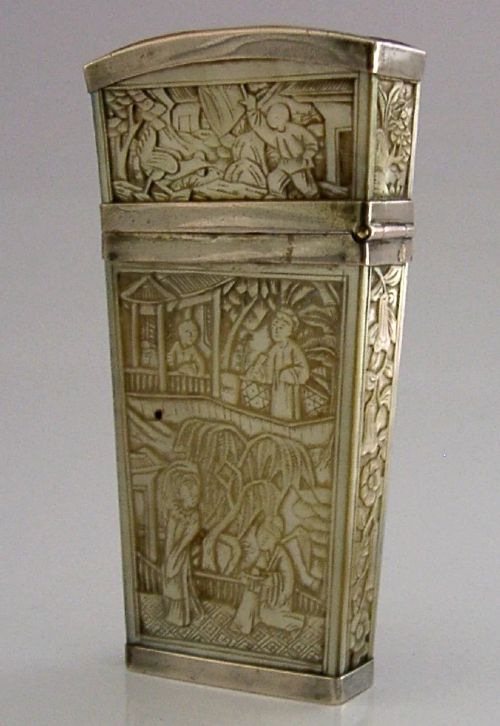
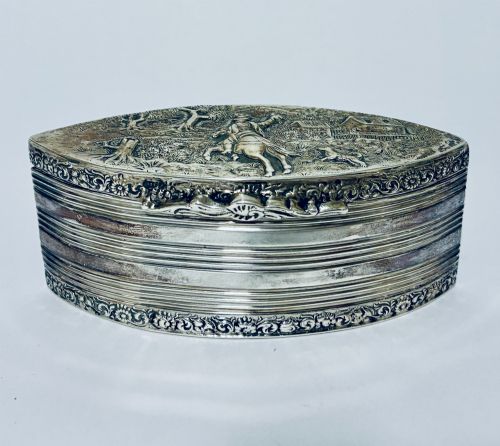
When you search for a carved pocket box, you encounter a specialised group of small personal containers designed to be carried on the person or kept close at hand. The pieces available on this page span the Georgian, Victorian, and Edwardian eras, incorporating utilitarian objects intended for snuff, tobacco, cards, and matches.
The most common forms you meet are pocket-sized snuff boxes and card cases, alongside occasional wall boxes and organisers. Materials range from organic substances like horn, bone, and coquilla nut to dense hardwoods, birch, tortoiseshell, and sterling silver.
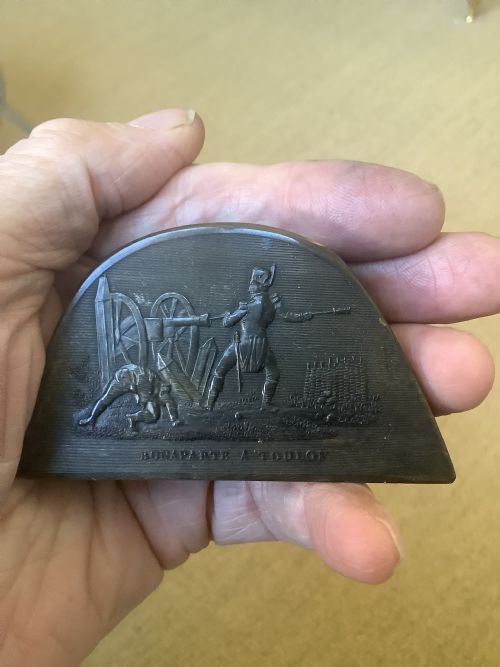
Origin points and stylistic influences vary widely, taking in English folk art, Scottish mulls, French Empire items, and Chinese export pieces. These functional items reflect the personal habits and social customs of the nineteenth century and the early twentieth century.
How they were made
Makers shaped these objects using traditional hand-working techniques suited to the chosen material, carving intricate details into hardwoods, coquilla nuts, and bone inlay. Pressed horn containers were formed using heated moulds to capture sharp relief details such as bicorn hats and figurative scenes.
Metal components, including sterling silver and cast silver elements, were worked through smithing, casting, and engraving. Inlaid decorations utilised contrasting materials like bone, tortoiseshell, and pewter fitted carefully into wooden or horn surfaces.
Current listings feature items from the Georgian, Victorian, and Edwardian periods, utilising horn, coquilla nut, hardwood, and silver.
What varies in quality
The standard of a carved pocket box depends heavily on the depth and precision of the carving, distinguishing crisp figurative work and detailed folk art from simpler execution. Surface patination also plays a role, as years of handling impart a warm finish to organic materials like horn and fruitwood.
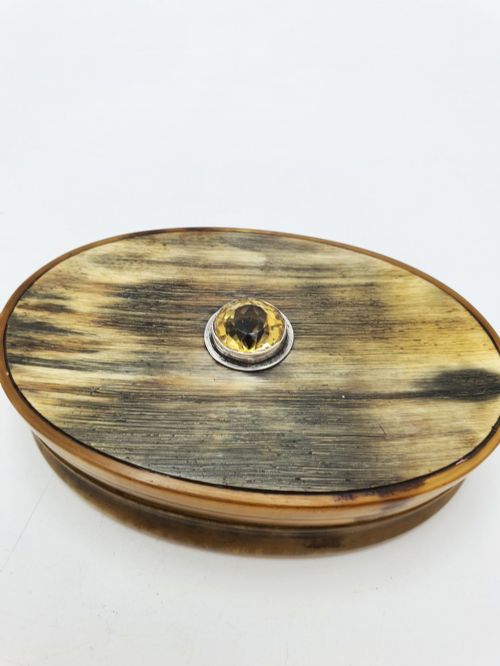
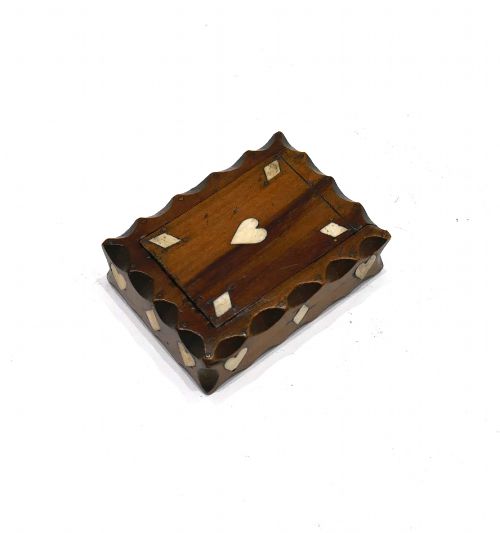
Integrity of construction separates ordinary examples from finer specimens, particularly in how well inlaid bone diamonds, hearts, or metal mountings remain secured within the primary material. The originality of fitted elements, such as faceted citrine decorations or hinged lids, determines the overall character of the piece.
The Carved Pocket Box Glossary
- Coquilla nut
- The large, hard seed of the Brazilian palm tree, prized for its dense texture and suitability for intricate turned and carved pocket containers.
- Snuff mull
- A traditional Scottish receptacle for holding powdered tobacco, frequently fashioned from horn and mounted with pewter or silver.
- Tramp art
- A form of folk art popular in the nineteenth and early twentieth centuries, created by carving and layering small pieces of scrap wood.
- Vesta case
- A small pocket container designed to hold matches and keep them dry, often fitted with a striking surface on the base.
- Etui
- A small decorative case used for holding holding small implements such as needles or tweezers, reflecting Georgian and Victorian refinement.
Carved Pocket Box: Frequently Asked Questions
What were carved pocket boxes used for originally?
These containers served primarily to hold personal commodities like snuff, matches, or calling cards while travelling or socialising.
Their compact sizes ensured they could slip easily into a waistcoat pocket or small bag for everyday convenience.
How do I care for antique horn and wood boxes?
Organic materials require stable indoor humidity away from direct sunlight and heat sources to prevent cracking or warping.
Gentle handling preserves the original surface patination without the need for aggressive cleaning agents or modern polishes.
Can I date a box by its material?
Materials offer broad clues, as pressed horn and coquilla nut items frequently point towards the nineteenth century.
Combining material observation with stylistic cues like inlay patterns and hardware helps narrow down the period of manufacture.
What is the difference between a snuff box and a vesta case?
Snuff boxes were built to contain loose tobacco powder with tight-fitting hinged lids for easy access during social occasions.
Vesta cases emerged later to carry matches safely, featuring integrated striking ridges and spring-loaded closures.