
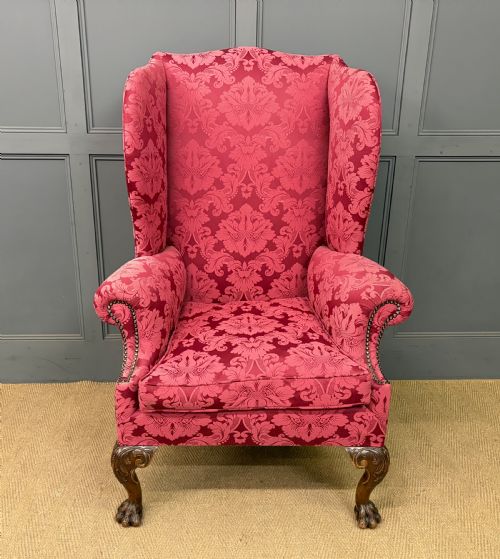


Carved Pink Velvet Chairs
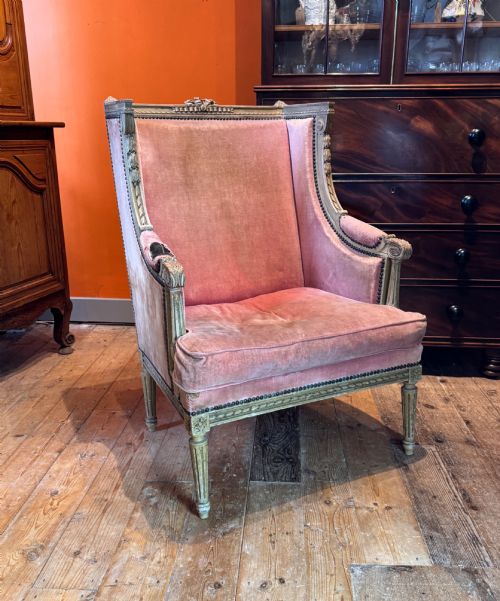
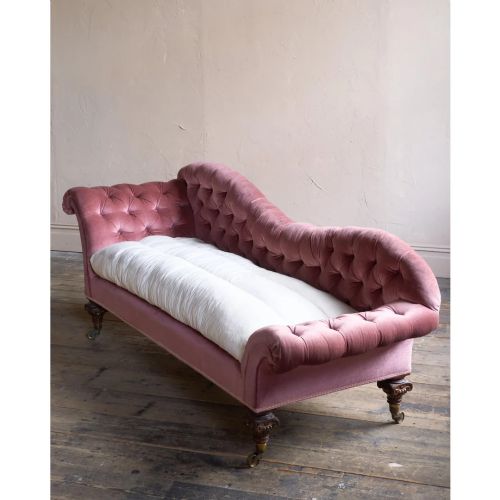
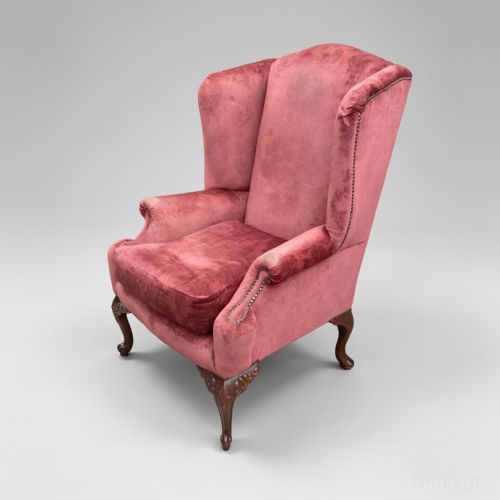
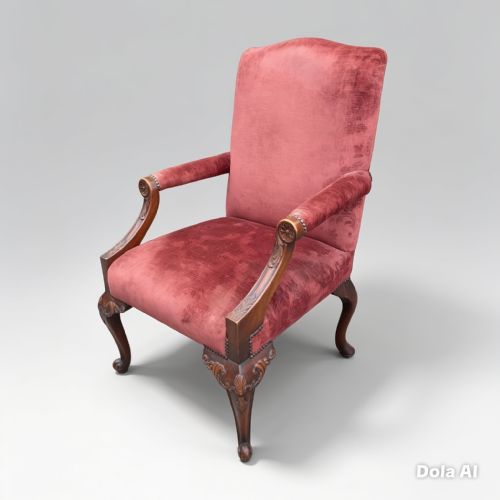
These carved pink velvet chairs bring warmth and distinct texture to a room, offering rich period seating built for comfort and display.
Carved Pink Velvet Chairs
Carved pink velvet chairs cover a varied selection of nineteenth-century and early twentieth-century seating, drawing primarily from Victorian, Edwardian, and revival styles. You will frequently encounter nursing chairs, armchairs, and side chairs shaped from dense hardwoods.
The assortment spans formal salon seating, library chairs, and intimate bedroom pieces like slipper and dressing table chairs. These items range from sturdy walnut dining sets to ornamental French giltwood armchairs and occasional conversation seats.
How they were made
Frames are constructed from solid timbers including walnut, mahogany, rosewood, beech, and giltwood, often shaped with elaborate hand-carved details. Wood sections are joined using traditional methods to support deep upholstery frameworks.
Upholstery relies on plush velvet, sometimes finished with buttoning, paired with supportive internal stuffing and occasionally brass accents or ceramic castors on the feet.
Listings feature woods such as walnut, mahogany, rosewood, beech, and giltwood paired with velvet upholstery across Victorian and Edwardian periods.
What varies in quality
Quality rests in the crispness of the timber carving and the architectural proportion of the frame, distinguishing standard production from finer workshop pieces. Dense hardwoods like walnut and rosewood provide greater durability than softer alternatives.
The integrity of the show frame and the depth of the woodwork sculpture dictate the overall standard. Pieces retaining original paint or surface finishes demonstrate superior historical preservation.
Lamb of Manchester
The Carved Pink Velvet Chairs Glossary
- Balloon-back
- A chair back shaped like a rounded balloon, popular during the Victorian period. This profile provides ergonomic support while offering an elegant silhouette.
- Fauteuil
- An open-armed French armchair with an exposed wooden frame, typically upholstered on the seat and back. They date widely across eighteenth and nineteenth-century revival periods.
- Nursing chair
- A low-seated chair designed for comfort and ease of tending to infants or dressing. They often feature carved frames and prominent upholstered backs.
- Barley twist
- A decorative turning technique resembling a twisted rope, carved into chair legs and structural stretchers. This detail appears frequently on nineteenth-century walnut and rosewood frames.
Carved Pink Velvet Chairs: Frequently Asked Questions
How do I clean velvet upholstery?
Velvet requires gentle brushing to maintain the pile and prevent flattening over time. Professional cleaning is recommended for deeper stains to protect the fabric.
Avoid excessive moisture or harsh scrubbing, which can damage the delicate pile and alter the colour.
Where should I place a nursing chair?
Nursing chairs suit bedrooms, dressing rooms, or quiet corners of a living space due to their compact proportions and low seat height. They function well as occasional accent seating.
Pair them with low side tables to maintain the correct ergonomic balance for reading or resting.
What is the difference between a salon chair and a dining chair?
Salon chairs are built for occasional use in formal entertaining rooms, prioritising decorative carving, exposed frames, and comfortable upholstered pads. They often include giltwood or painted finishes.
Dining chairs are engineered for daily utility around a table, featuring sturdier upright frames and simpler structural bracing.