


Turn of Century French Seating
These turn of century french seating pieces bring continental grace to a room, ranging from giltwood salon chairs to sturdy walnut dining sets.
Turn of Century French Seating
Turn of century french seating spans the nineteenth century through the early twentieth century, taking the form of armchairs, dining chairs, salon chairs, side chairs, benches, and settlers.
The selections on this page encompass various regional and formal expressions, from French country to art nouveau, napoleon III, louis XVI revival, and french chateau styles.
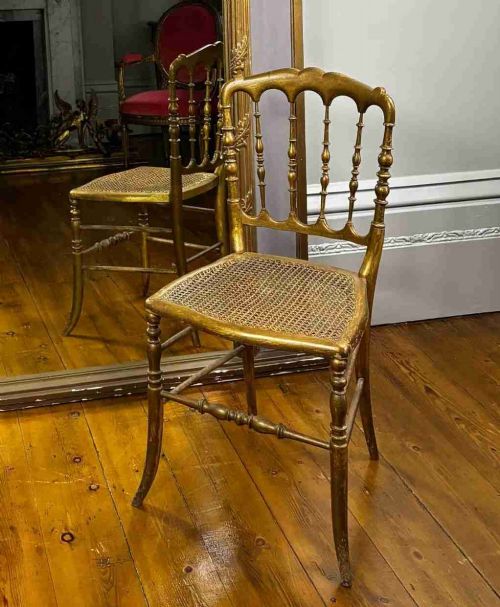
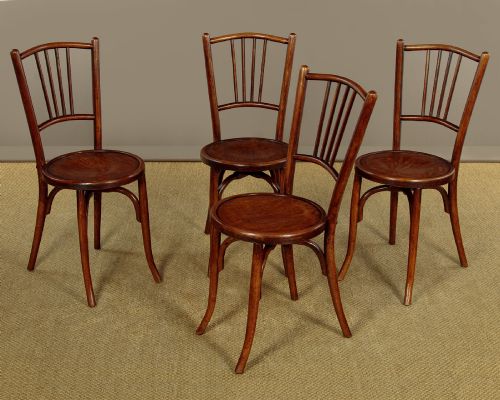
A buyer examining these listings encounters pieces rooted in domestic interiors, ranging from formal giltwood seating to cane-seated salon chairs and bentwood bistro dining chairs.
Materials and construction methods
Wood provides the primary structural framework across these pieces, utilising beech, walnut, chestnut, and bamboo alongside gilded wooden surfaces.
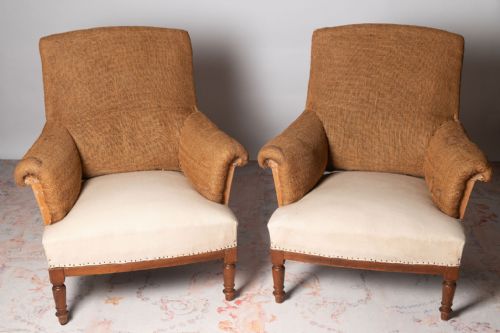
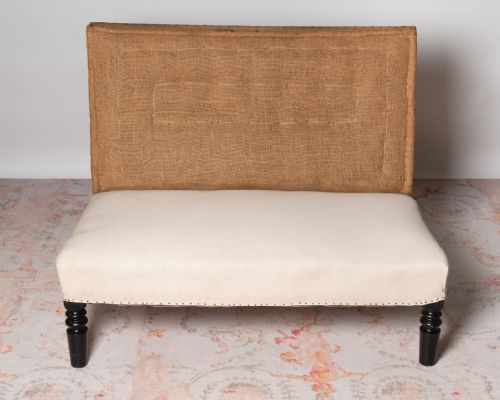
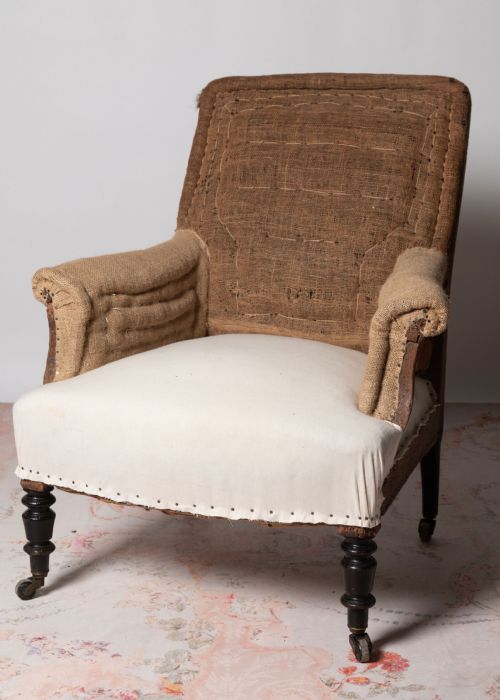
Upholstery and seating surfaces incorporate traditional materials including hessian, calico, linen, black leather, and woven cane inserts.
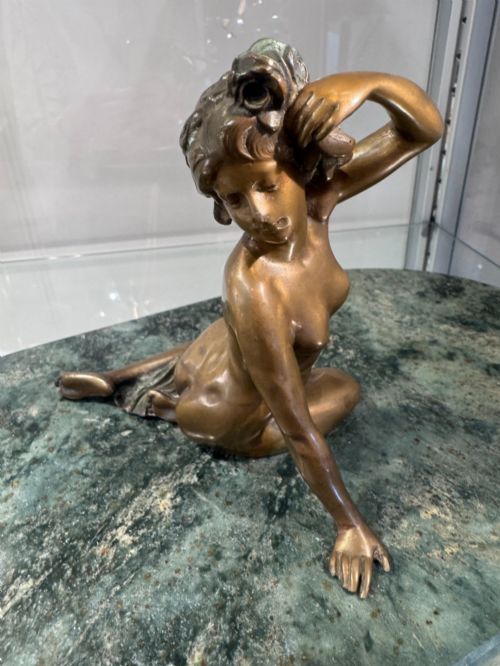
Metal and stone details appear selectively, employing brass fixtures alongside marble bases utilised in figural sculptural works.
Materials documented across the inventory include hessian, wood, brass, giltwood, cane, beech, calico, and linen.
Distinctions in craftsmanship and condition
The standard of execution shows in the carving of the wooden frames and the refinement of surface finishes, such as original gilding versus later applied paint.
Structural integrity depends on the preservation of original joinery and the durability of supporting elements like cane mesh and upholstery webbing.
Codina·Gaston Bouy
The Turn of Century French Seating Glossary
- Giltwood
- Wood treated with gold leaf or a gold-coloured finish to create a lustrous decorative surface. This technique frequently defines formal nineteenth-century salon furniture.
- Caned
- Woven cane or rattan panels inserted into chair seats and backs. This method offers a lightweight, flexible surface common in French seating.
- Bentwood
- Wood heated and bent into curved structural shapes without traditional joinery. This process characterises bistro dining chairs from the period.
- Napoleon III
- A nineteenth-century French revival style blending diverse historical influences with ornate detailing. It dominates many domestic seating designs of the era.
Turn of Century French Seating: Frequently Asked Questions
What defines turn of century french seating?
These pieces originate from the nineteenth and early twentieth centuries, reflecting diverse domestic and formal French design traditions.
They encompass everything from carved giltwood salon chairs to bentwood bistro seating and walnut dining sets.
How do I identify different periods?
Periods are indicated by construction materials, decorative motifs, and documented stylistic movements such as art nouveau or napoleon III.
Examining the underlying woodwork and upholstery substrate helps clarify the manufacturing era.
Where were these chairs used?
Such seating served various domestic functions, from formal drawing rooms and salons to everyday dining spaces and country interiors.
Specific forms like banquettes and settles indicate placement in hallways, galleries, or living spaces.
How do I care for antique wood and cane?
Wooden frames require stable indoor humidity levels and gentle dusting to preserve the finish or gilding.
Cane seats benefit from occasional light moisture to prevent the natural fibres from becoming brittle.