



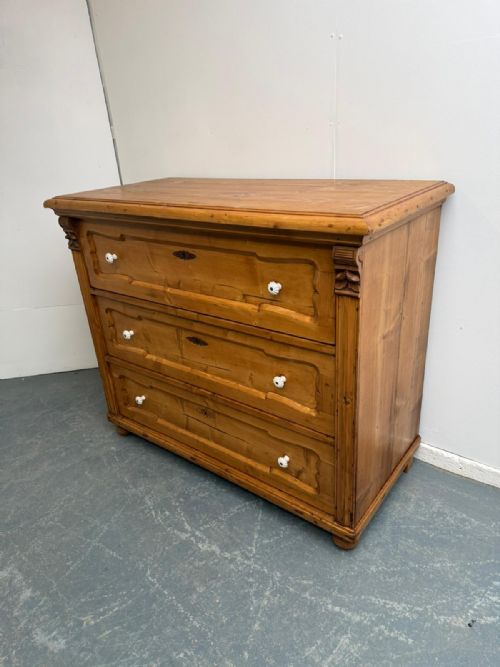

Carved Pine Drawers
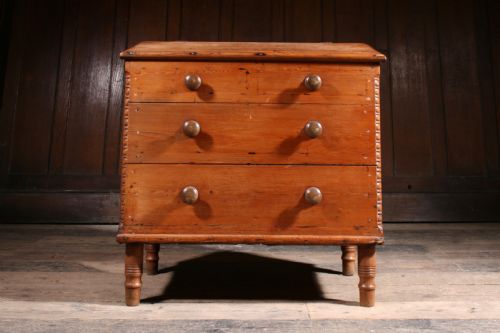
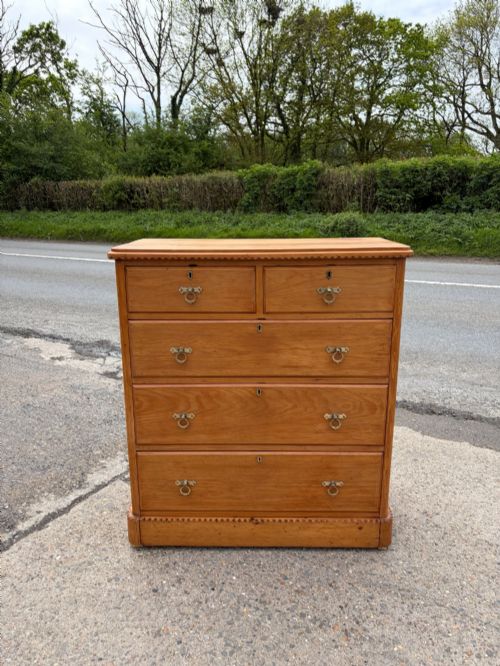
These carved pine drawers span chest of drawers and smaller forms, offering tactile surfaces and robust construction from the nineteenth century onward.
Carved Pine Drawers
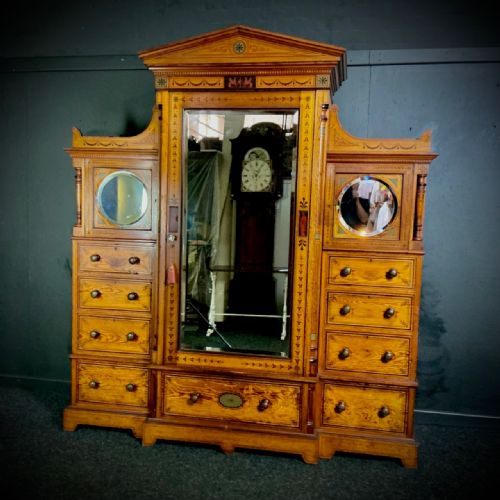
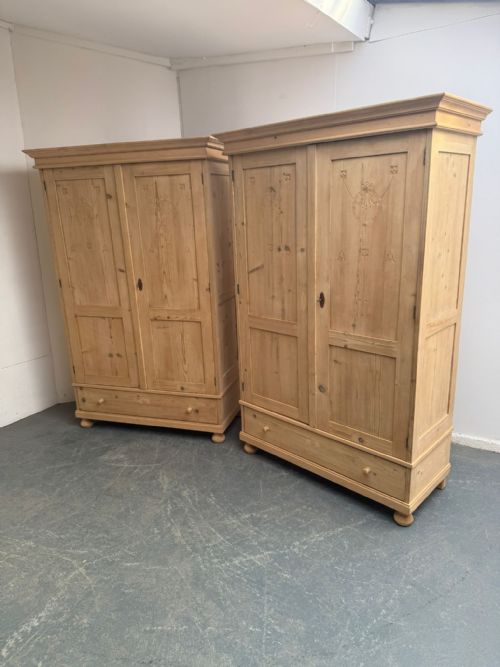
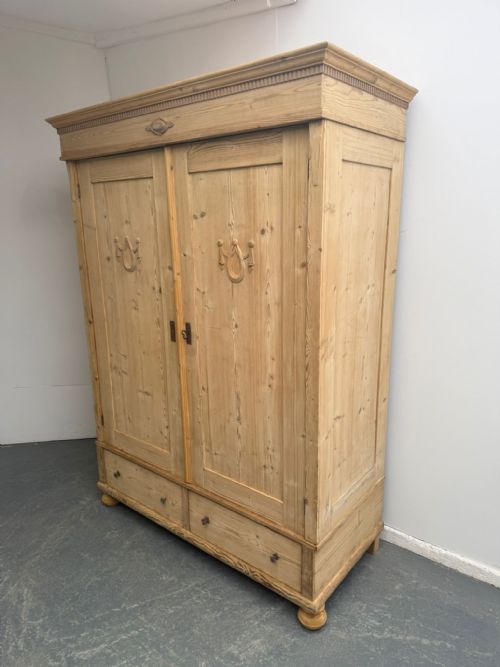
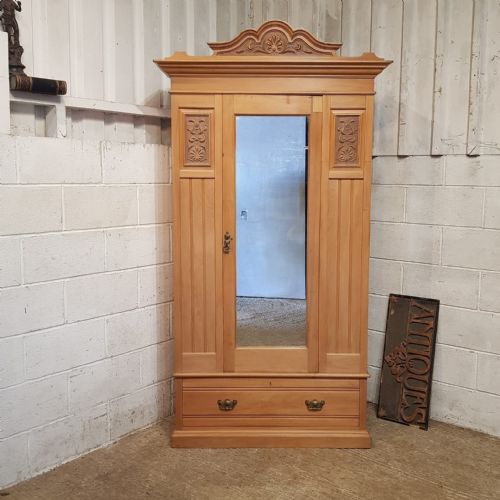
When you search for carved pine drawers, you encounter a range of storage furniture spanning chests of drawers, wardrobes, mule chests, and decorative boxes. These items originate predominantly from the Victorian and Edwardian eras, alongside earlier nineteenth-century examples and continental pieces.
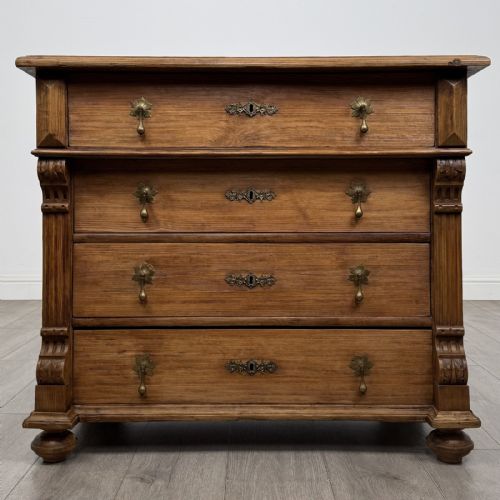
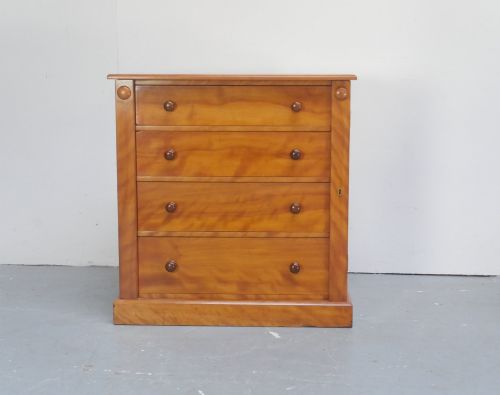
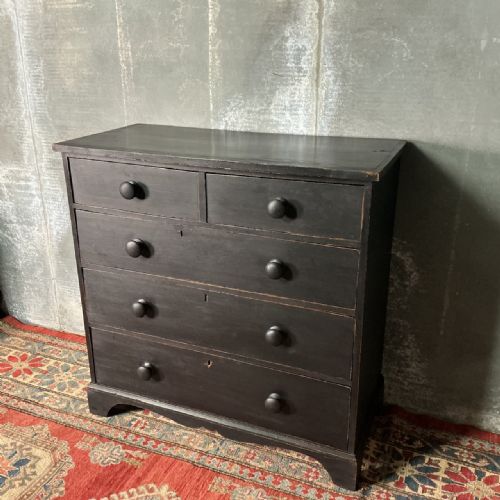
The version you are most likely to meet on this page is the Victorian chest of drawers, often constructed with a traditional two-over-three drawer arrangement. Such pieces combine practical timber storage with carved detailing, reflecting both vernacular traditions and period design revivals.
How they were made
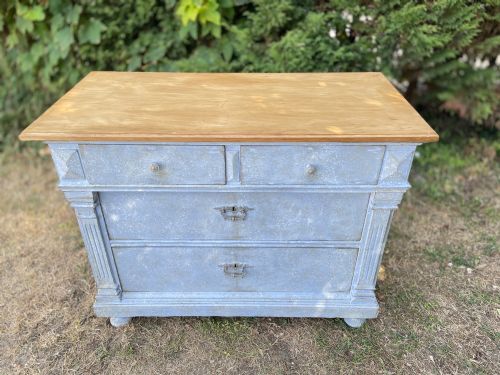
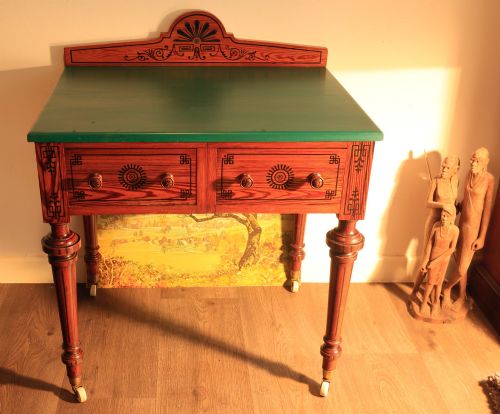
Makers utilised solid pine and pitch pine as primary timbers, frequently pairing them with brass or glass handles and ceramic details. Surfaces received either a clear wax finish to highlight the natural grain or layers of paint.
Joinery techniques ranged from standard drawer construction to knockdown wardrobe frames and carved decorative panels. Regional variations appear in continental and British workshops through distinct moulding profiles and surface treatments.
Carved Pine Drawers Retail Price Guide 2026
Typical asking prices for carved pine drawers among the pieces listed under this phrase on Sellingantiques today, from the lower quarter to the upper quarter. They describe what is for sale here now, not the wider market.
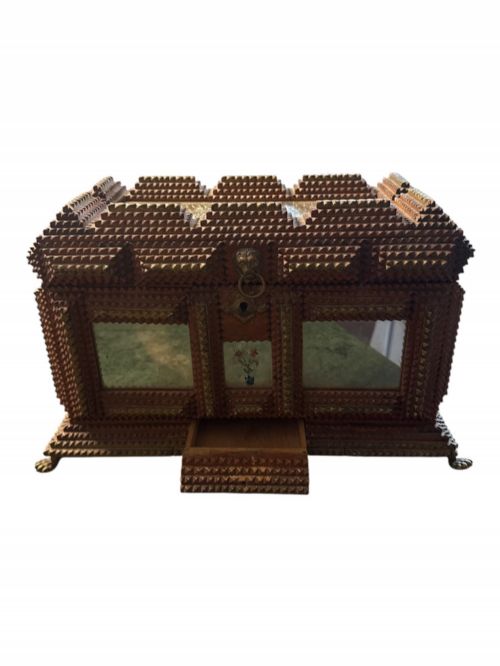
Sweetheart tramp art boxes show how sailors and travellers turned packing crate scraps into intricate layered geometric keepsakes.
What varies in quality
Quality rests upon the crispness of the carving and the integrity of the original timber rather than mere age. Pieces retaining their initial paint surfaces or deep wax finishes demonstrate superior preservation.
Construction robustness, particularly in drawer runners and internal framing, separates standard utility items from finer vernacular and revival pieces.
The Carved Pine Drawers Glossary
- Pitch pine
- A dense resinous softwood used for durability in nineteenth-century furniture. It yields a distinctive dark grain pattern when polished.
- Tramp art
- A style of woodwork created by carving layers of scrap wood with pocket knives. It appears on small boxes and decorative items from the period.
- Mule chest
- A storage chest fitted with one or more bottom drawers beneath the main lift-top compartment. This form bridges the traditional chest and the modern drawer unit.
- Commode
- A low cabinet or chest of drawers originating in French design. Examples reflect continental styling such as diamond-point carving.
Carved Pine Drawers: Frequently Asked Questions
How do I date a pine chest of drawers?
Dating relies on construction methods, hardware types, and timber choice. Dovetail joints and drawer linings provide key indicators.
Period styles and finish remnants further narrow down the decade of manufacture.
Are these pieces made of solid pine?
The listings consist primarily of solid pine and pitch pine constructions. Secondary timbers sometimes appear in internal drawer linings.
Construction methods reflect the period workshop standards of the nineteenth and early twentieth centuries.
How should I care for a waxed pine surface?
Maintain waxed pine by applying a traditional beeswax polish periodically. Avoid placing timber furniture in direct sunlight or near heat sources.
Gentle dusting with a dry cloth preserves the finish over time.
What is the difference between standard pine and pitch pine?
Pitch pine contains a higher resin content, making the wood heavier and denser. This variety shows a pronounced grain and deeper colouration.
It gained popularity in Victorian cabinetry for its durability.