




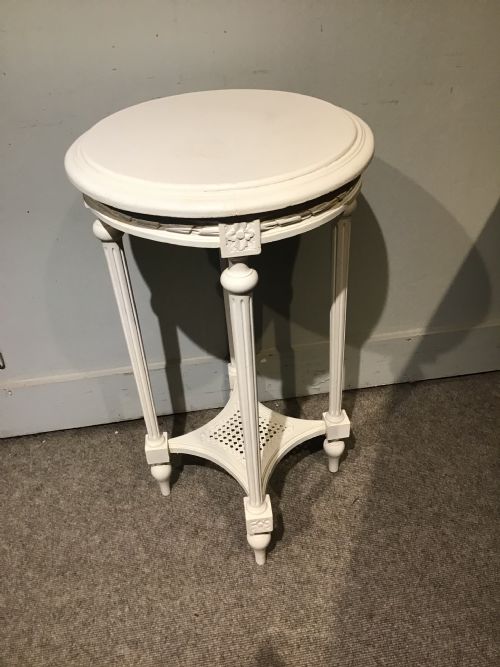
Carved Painted Plant Stand
A carved painted plant stand brings height and surface to a room, drawing the eye upwards through colour and carved form.
Carved Painted Plant Stand
A carved painted plant stand is a tall surface or column designed to elevate flora and decorative objects within a room. When searching this phrase, a buyer encounters a diverse group of pedestals, torchières, and occasional tables dating from the eighteenth century through to the twentieth century.
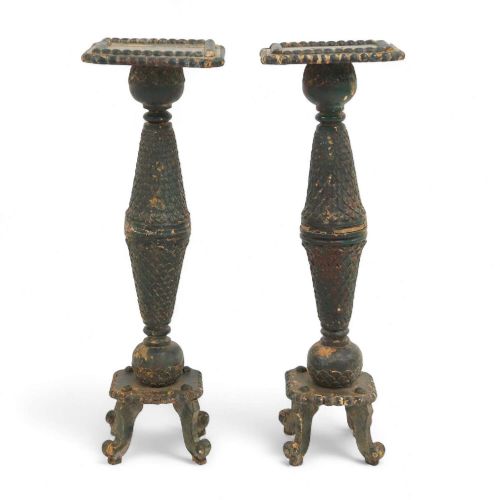
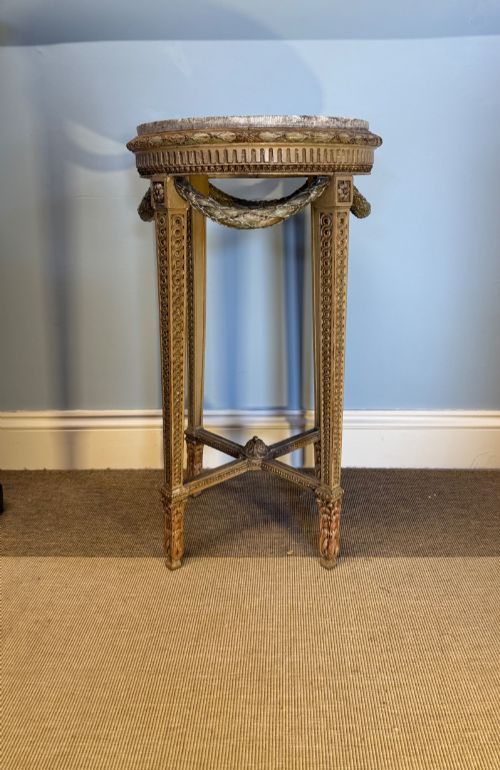
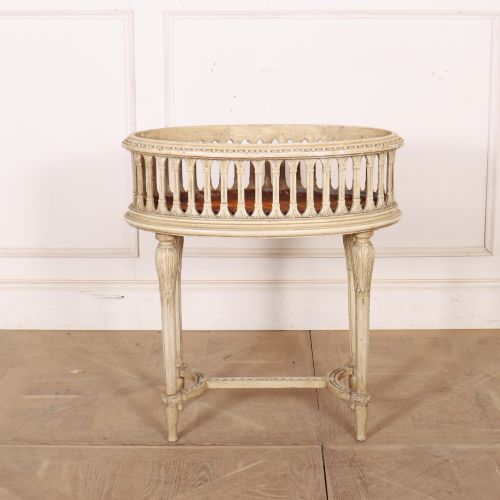
The selection here encompasses regional European and Asian pieces, including French styles, Swedish columns, Italian torchères, and Indian or Chinese lacquer work. Many examples combine carved wooden forms with painted surfaces, gilding, or marble tops.
Plant stands and pedestals appear alongside side tables and lamp tables, reflecting how these tall supports serve multiple domestic functions. The nineteenth century forms the largest share of what meets the eye on this page.
How they were made
Makers shaped these supports primarily from timber, employing carved wood, mahogany, and pine as foundational materials. Artisans then applied layers of paint, grain painting, lacquer, gesso, or gold leaf to the wooden bodies.
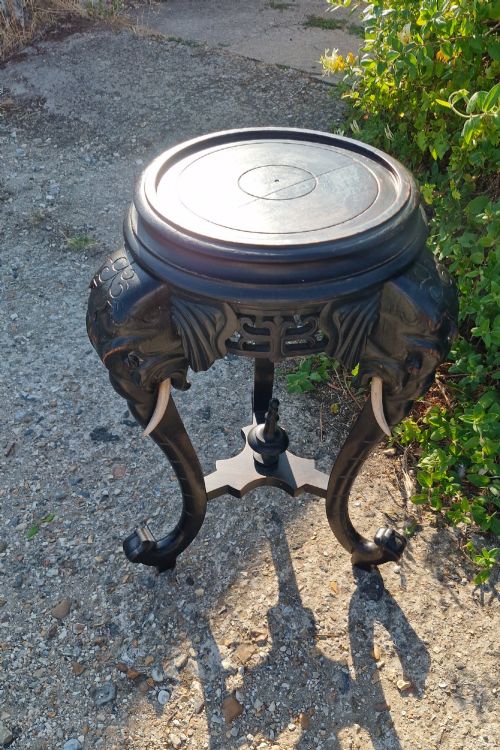
Many examples incorporate inset marble tops to provide a stable, cool surface resistant to water from potted plants. Decorative details include carved animal forms, such as wooden tusks and sculpted elephant bodies, alongside neoclassical motifs and intricate surface lacquer.
Several stands take the form of carved wooden elephants complete with painted wooden tusks.
What varies in quality
The distinction between tiers rests upon the crispness of the wood carving and the integrity of the original painted or gilded surface. Pieces with undisturbed period paintwork or authentic lacquer hold greater visual weight than later re-paintings.
Structural harmony also separates standard examples from finer works, particularly in the balance of columns, torchières, and heavy marble tops. The integration of regional artistic traditions, from French Rococo curves to Asian folk art detailing, dictates the sophistication of the design.
The Carved Painted Plant Stand Glossary
- Torchere
- A tall ornamental stand designed to hold a light or a plant. These slender supports originate from lighting fixtures but frequently serve as plant pedestals.
- Gesso
- A plaster-like material applied to wood surfaces to prepare them for painting or gilding. It allows artisans to carve intricate relief details before adding colour.
- Vernis Martin
- A type of simulated Japanese lacquer developed in eighteenth-century France. It uses resin varnishes to achieve a glossy, translucent finish on decorative furniture.
- Jardiniere
- An ornamental container or stand for holding plants and flowers. These pieces often feature painted or lacquered decoration to complement the flora displayed within them.
- Neoclassical
- A style drawing inspiration from classical antiquity, marked by symmetry, restrained ornamentation, and architectural columns. Swedish and French makers frequently adopted these balanced geometries.
Carved Painted Plant Stand: Frequently Asked Questions
What is a plant stand torchere?
A torchere is a tall, slender stand originally designed to hold a candle or oil lamp. Over time, these vertical supports became popular for elevating plants and decorative sculptures.
They offer a way to introduce height into interior spaces without occupying significant floor area.
How were marble top stands used?
Marble top stands provided a durable, water-resistant surface for holding damp flower pots and heavy jardinieres. The stone top protected the wooden structure below from moisture damage.
In domestic interiors, they also functioned as lamp tables or display pedestals for art objects.
How do I care for painted wood?
Painted and lacquered wooden surfaces require protection from direct sunlight and excess moisture. Dusting gently with a dry cloth helps preserve the original finish without disturbing the paint.
Avoid using harsh chemical cleaners that can strip historic pigments or damage delicate gesso layers.
Where do painted pedestals originate?
These decorative supports come from diverse regional traditions across Europe and Asia. Examples range from French chateau styles and Swedish neoclassical columns to Venetian interiors and Asian lacquer work.
Makers utilised local timbers and native finishing techniques specific to their workshops.