
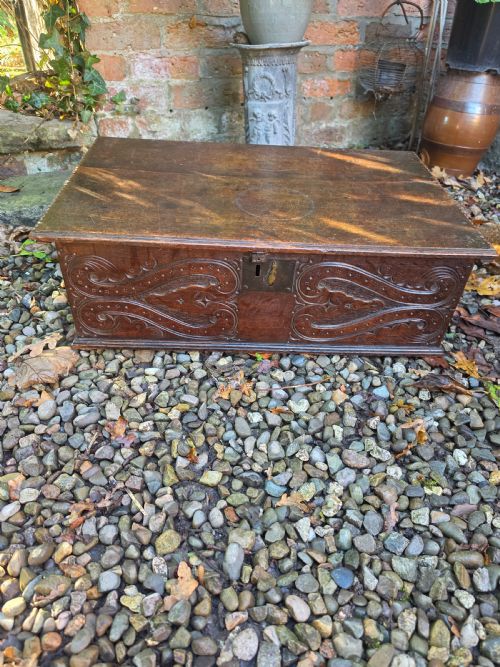
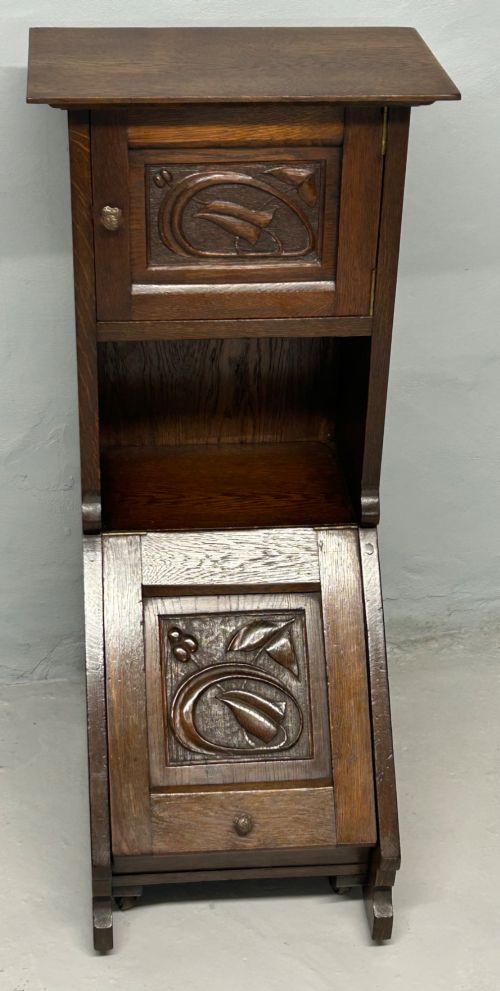
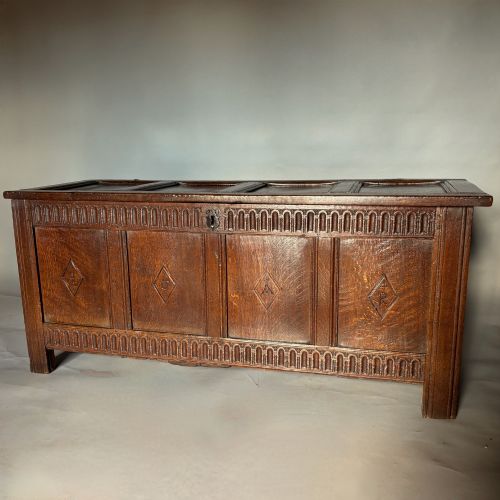
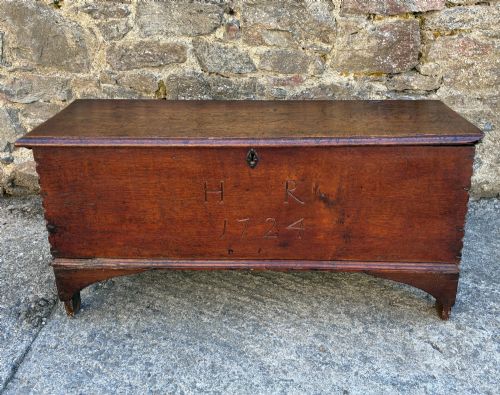
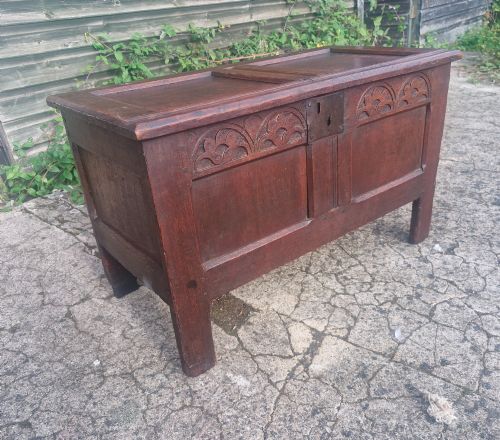
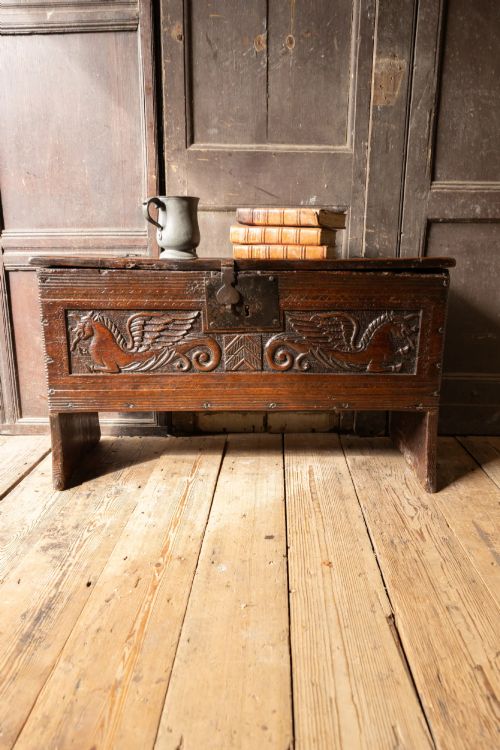
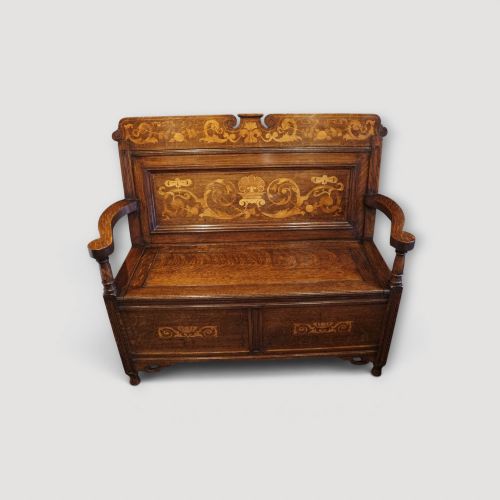
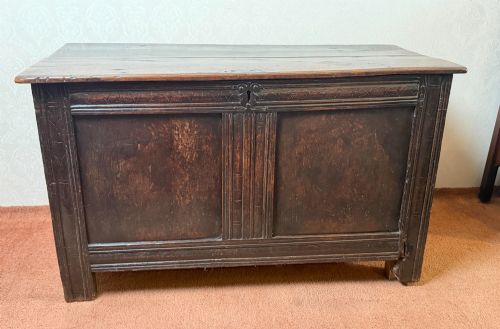
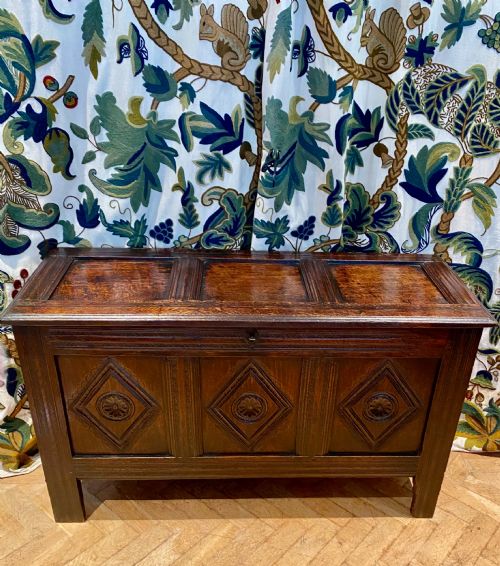
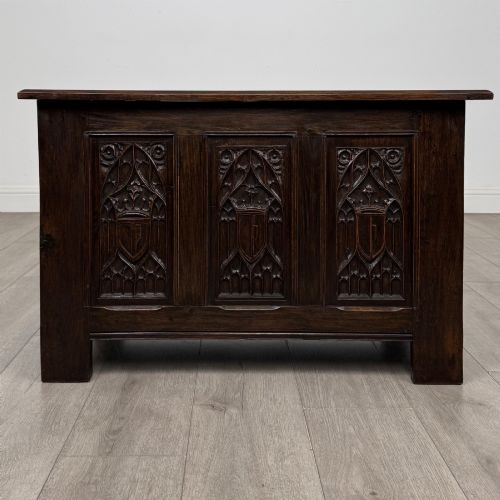
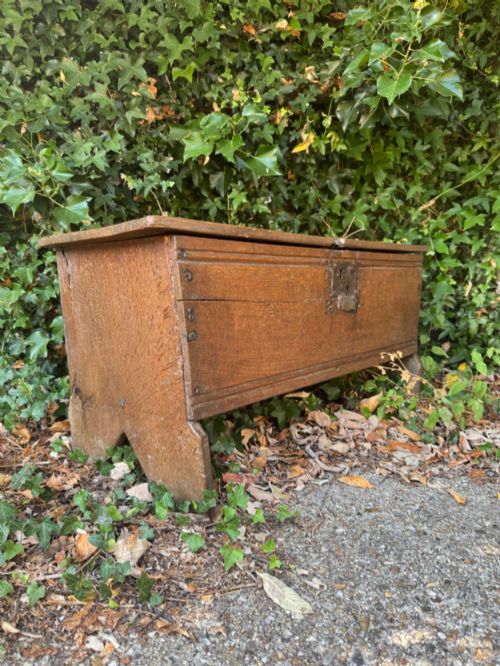
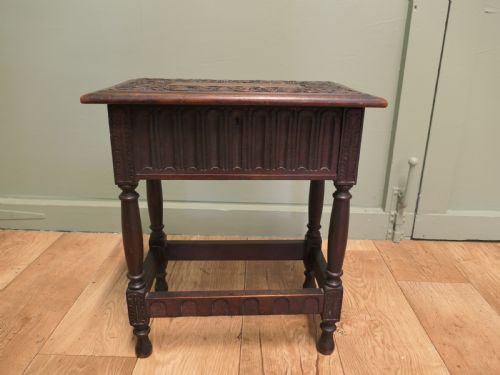
Carved Oak Wooden Box
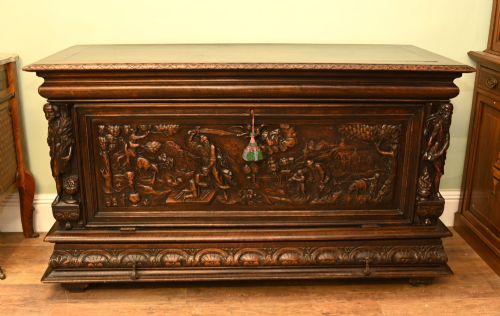
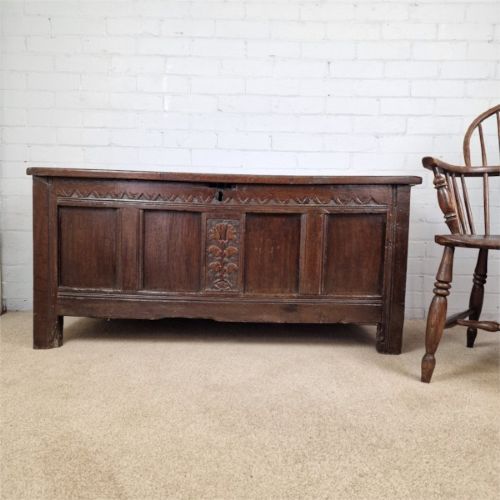
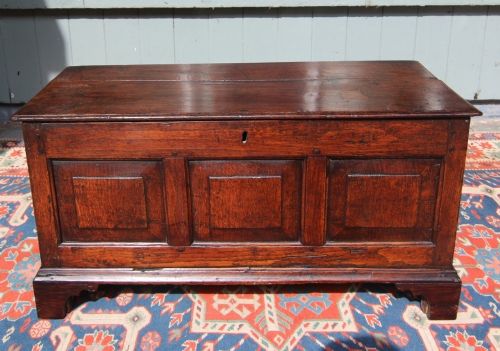
These pieces combine heft and texture, offering sturdy storage through a carved oak wooden box designed to hold documents, linens, or valuables.
Carved Oak Wooden Box
A carved oak wooden box brings substantial timber construction into domestic spaces for secure storage.
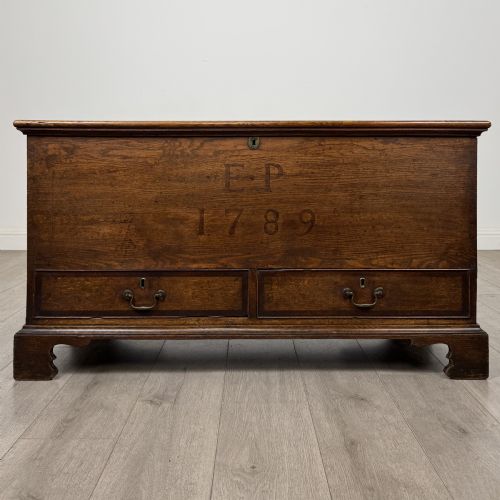
Buyers meet forms ranging from small document containers and wall-hanging candle boxes to large panelled coffers and mule chests.
The selection spans periods from the sixteenth century through the Georgian era to later twentieth-century revivals.
How they were made
Craftsmen shaped solid oak using traditional joinery, often incorporating iron or brass hinges and locks for security.
Decoration relied on surface carving, panelled construction, and occasional marquetry inlay to enrich the timber grain.
The documented periods stretch from the sixteenth century through seventeenth-century Jacobean examples to twentieth-century revivals.
What varies in quality
Quality depends on the depth and crispness of the period carving against the plain timber fields.
Construction integrity, retention of original iron or brass hardware, and timber patination define the upper tier.
The Carved Oak Wooden Box Glossary
- Coffer
- A large wooden chest used historically for storing valuables, linens, or documents. These pieces often feature panelled lids and robust construction.
- Mule chest
- A storage chest characterised by one or more drawers built into the base beneath the main compartment. This form bridges the gap between simple coffers and modern drawer chests.
- Marquetry
- The art of applying pieces of veneer to a structure to form decorative patterns. This technique appears on select seventeenth-century pieces.
- Jacobean
- A design style spanning the early seventeenth century. It is known for geometric mouldings, heavy proportions, and shallow chip carving.
Carved Oak Wooden Box: Frequently Asked Questions
What fits inside a carved oak wooden box?
Smaller examples accommodate documents, letters, or candles safely away from dust. Larger coffers and chests handle heavy textiles, blankets, and household stores.
Interior space depends entirely on the specific form, ranging from compact desk boxes to deep floor chests.
How do I date a carved oak wooden box?
Dating relies on construction methods, hinge types, and the style of the surface carving. Sixteenth and seventeenth-century pieces use pegged frame-and-panel joints.
Later revival pieces from the twentieth century often display machine-cut timber marks or simplified joinery underneath.
Where should I place a carved oak wooden box at home?
Smaller boxes sit well on side tables, desks, or mounted on walls as cupboards. Larger coffers function effectively at the foot of a bed or as hallway seating.
Keep solid oak away from direct heat sources to prevent the timber from splitting over time.
What is the difference between a coffer and a mule chest?
A standard coffer opens only from the top lid to access the single internal compartment. A mule chest incorporates drawers beneath the main box.
This addition of base drawers allows access to stored items without needing to clear objects off the top lid.