




Carved Oak Winged Armchair
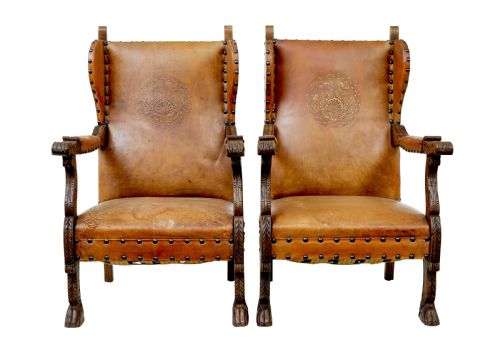
These carved oak winged armchair examples offer deep timber frames and high upholstered wings designed to keep drafts at bay.
Carved Oak Winged Armchair
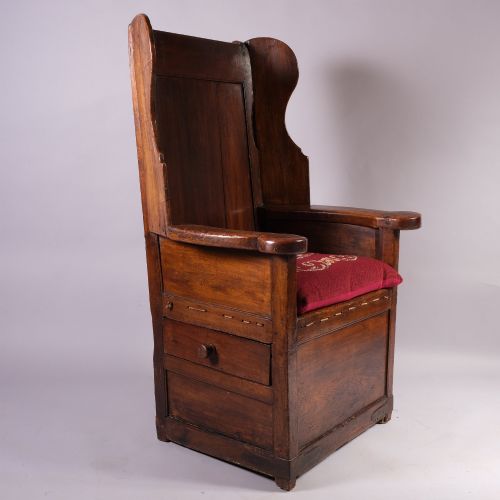
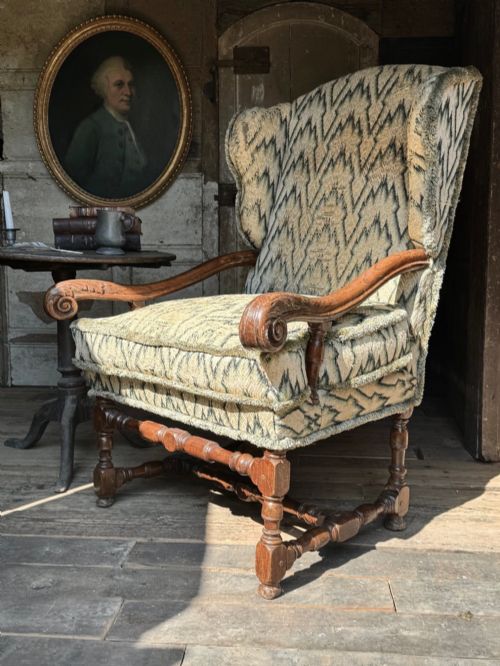
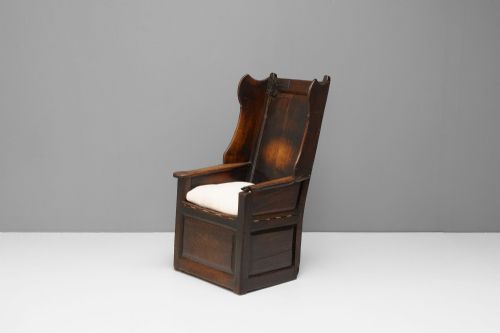
When you search for a carved oak winged armchair, you encounter robust seating shaped by centuries of craft across the eighteenth, nineteenth, and early twentieth centuries. These pieces combine heavy wooden frames with tall protective sides, originally engineered to shield sitters from draughts in large rooms.
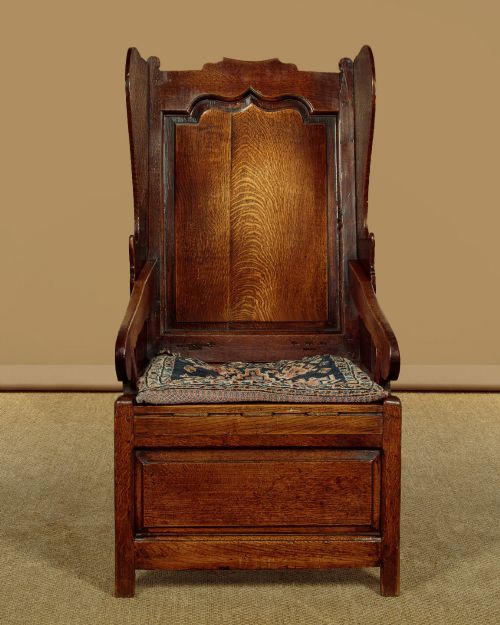
On this page, you are most likely to meet nineteenth-century and eighteenth-century interpretations, including vernacular lambing chairs and revival styles spanning Victorian Gothic and Georgian Country forms. Oak predominates as the structural timber, often paired with leather, velvet, or damask upholstery.
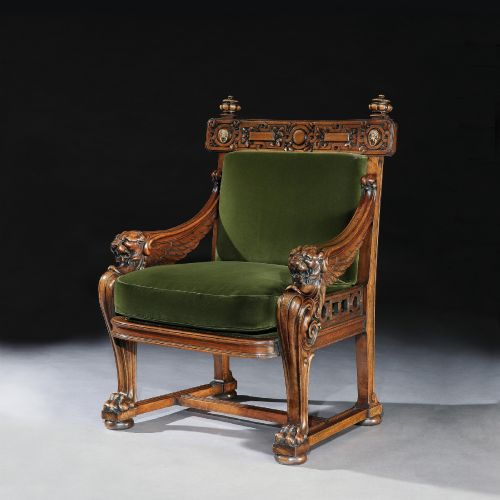
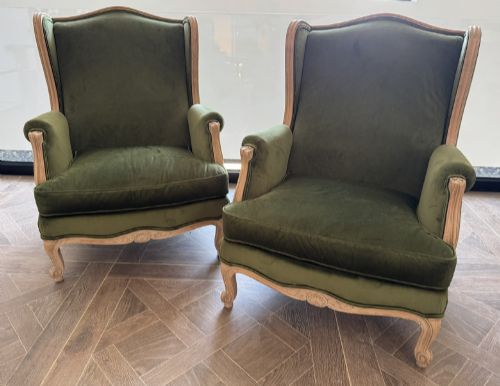
The selections range from paired library seating to French provincial variants and substantial lion carved pieces. Each object reflects the distinct aesthetic preferences of its period, moving from plain eighteenth-century utilitarian designs to heavily ornamented Victorian revivals.
How they were made
Makers constructed these frames using solid oak, selecting dense timber capable of supporting deep carving and heavy structural joints. Joinery typically relied on traditional pegged mortise and tenon construction to ensure long-term stability under daily use.
Upholstery methods varied by period, incorporating leather, velvet, and various textile coverings fixed with brass detailing. Carved elements, from simple geometric patterns to elaborate lion monopodia, were worked directly into the solid wood frames by hand.
Listings span the eighteenth and nineteenth centuries into the Edwardian era, featuring oak, leather, velvet, and damask fabric across various revival styles.
What varies in quality
The quality of a carved oak winged armchair rests primarily on the depth and crispness of the timber carving and the integrity of the underlying frame. Superior examples display confident, sharp detailing on the oak work rather than soft or shallow incisions.
Materials also dictate the tier of the piece, with heavy full-grain leather, quality damask fabric, and sturdy hardwood framing separating finer library and salon chairs from simpler vernacular seating. Proportions and the balance between the oak show-wood and the upholstered body determine the visual success of the design.
Thomas Hope
The Carved Oak Winged Armchair Glossary
- Wingback
- A style of armchair featuring high side panels designed to trap heat and block draughts. These protective wings extend upward from the arms to meet the backrest.
- Lambing chair
- A traditional vernacular seat, often featuring a high solid wooden back and enclosed sides with a compartment underneath. These pieces originated in rural settings for shepherds and farmers.
- Monopodia
- Furniture supports carved in the form of a single animal leg, often terminating in a paw or hoof. This classical motif appears on revival pieces influenced by ancient designs.
- Carolean style
- A decorative English aesthetic spanning the mid to late seventeenth century, characterised by rich carved woodwork and scrolling motifs. Later nineteenth-century makers frequently revived these exuberant forms.
- Damask fabric
- A reversible figured textile woven on a jacquard loom, featuring patterns formed by contrasting warp and weft threads. This material frequently dresses formal period seating.
Carved Oak Winged Armchair: Frequently Asked Questions
What is a lambing chair?
A lambing chair is a traditional vernacular seating form characterised by a high timber back and enclosed sides. These rustic pieces were built to keep sitters warm near open fires.
Examples often feature solid oak construction with compartments beneath the seat. They represent an older, more utilitarian style compared to formal upholstered library chairs.
How do I date an oak armchair?
Dating relies on examining the timber grain, tool marks, joinery methods, and the style of any carved ornament. Eighteenth-century pieces generally show simpler, hand-finished vernacular construction.
Later nineteenth-century iterations often adopt revival aesthetics such as Victorian Gothic or Carolean styling. Hardware, upholstery webbing, and brass details also offer clues to the period of manufacture.
Where were winged armchairs used?
These chairs were placed in draughty halls, libraries, and parlours where high wings protected the occupant from cold air currents. Their enclosed design created a microclimate around the sitter.
Grand houses utilised leather and damask versions in formal reception rooms. Simpler oak variants served practical domestic purposes in country homes.
Are these chairs comfortable for daily use?
Many period examples offer generous proportions, deep padding, and supportive high backs suited for prolonged sitting. Leather and upholstered variants provide a softer seating experience than solid wood versions.
Their substantial frames and ergonomic wing designs make them functional as reading or fireside chairs in contemporary spaces.