



Carved Oak Hat Stand
A carved oak hat stand meets the hallway with deep relief panels, upright timber, and iron or brass hooks.
Carved Oak Hat Stand
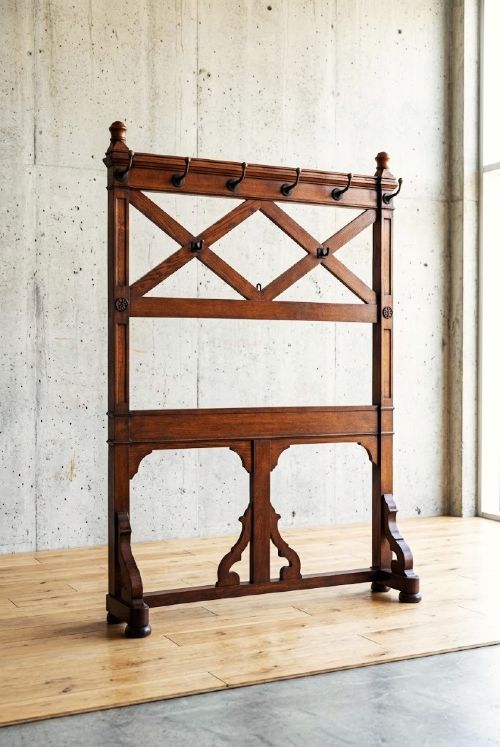
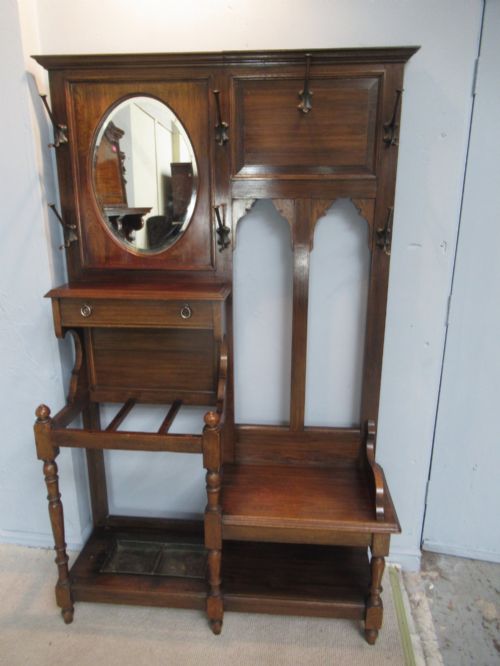
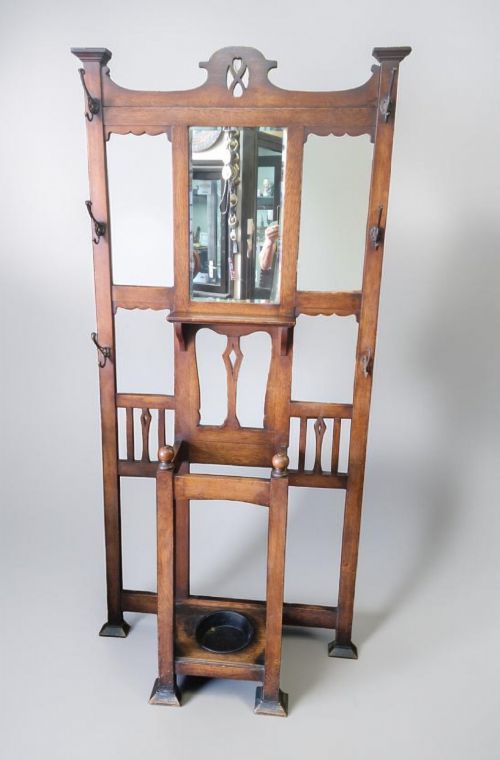
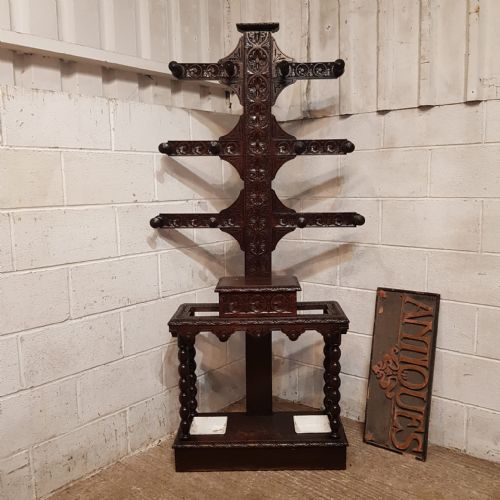
A carved oak hat stand is a substantial piece of entrance furniture designed to hold headwear, coats, umbrellas, and walking sticks. These functional items appear primarily across Victorian, Edwardian, and Arts and Crafts periods, bringing timber presence to hallways.
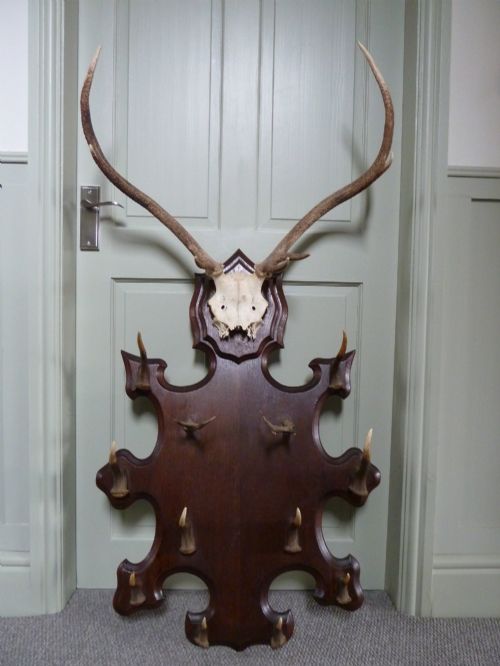
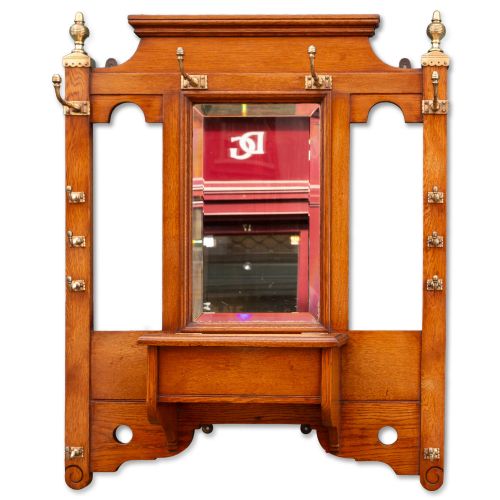
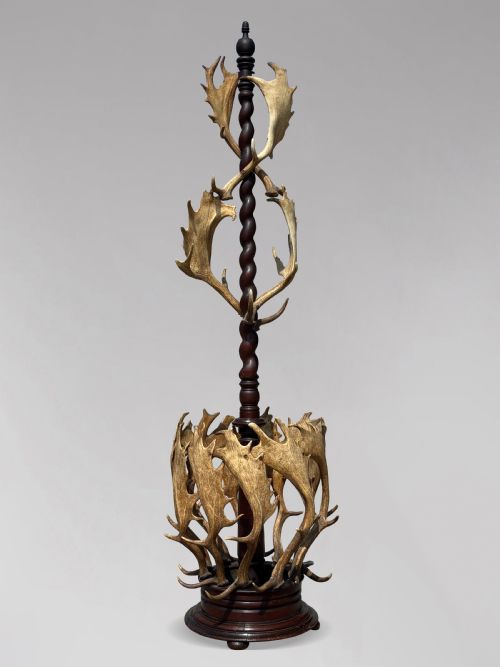
The versions most commonly met on this page combine carved woodwork with mirrors, glove boxes, and drip trays. They range from narrow wall-mounted racks to imposing floor-standing hallstands with distinct Gothic, Flemish, or Black Forest influences.
Timber, Metal, and Carving Techniques
Makers built these pieces predominantly from solid oak, sometimes utilising golden oak, light oak, or walnut elements. Structural frames relied on mortise and tenon joinery to bear the weight of heavy winter coats and stacked hats.
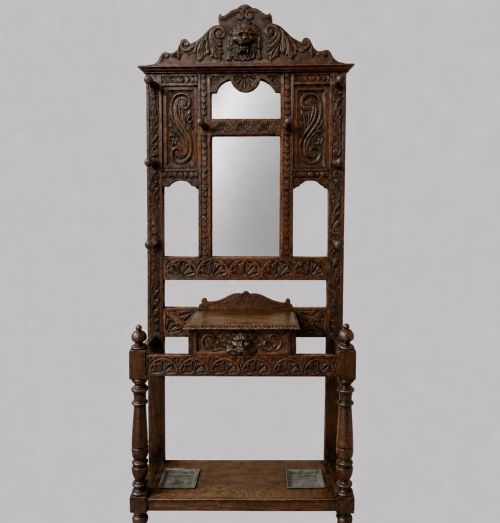
Metalwork played a structural role, integrating brass, iron, and cast iron hooks alongside fitted mirrors and ceramic or metal drip trays. Carving varied from shallow geometric patterns to deep relief work depicting Green Man faces, foliage, and naturalistic stags or tree forms.
Carved Oak Hat Stand Retail Price Guide 2026
Typical asking prices for carved oak hat stand among the pieces listed under this phrase on Sellingantiques today, from the lower quarter to the upper quarter. They describe what is for sale here now, not the wider market.
Listings show oak as the primary timber, occasionally paired with walnut, brass, iron, and glass.
Distinctions in Execution and Scale
The standard of a carved oak hat stand rests on the depth and ambition of the timber carving. Hand-chiseled details, such as expressive Green Man masks or intricate Black Forest animals, distinguish superior work from simpler moulded decoration.
Proportion and integrity dictate quality. Larger, impressive architectural hallstands with original bevelled mirrors, intact umbrella pans, and solid backplates demonstrate greater workshop skill than basic utilitarian racks.
J. Parker of Woodstock·William Whiteley
The Carved Oak Hat Stand Glossary
- Green Man
- A sculptural motif showing a human face emerging from or entwined with foliage. It appears frequently on Victorian carved oak hallstands.
- Hallstand
- A combined item of entrance furniture providing coat hooks, hat storage, mirror glass, and stick wells. Many include small compartments for gloves and keys.
- Gothic Revival
- An architectural and decorative style drawing on medieval forms. Pieces often feature pointed arches, tracery, and heavy carved oak timbers.
- Black Forest
- A style of wood carving originating in Switzerland and Germany known for hyper-realistic animal and forest motifs. Such stands often depict carved stags, foxes, or eagles.
- Milliner
- A maker and seller of hats. Milliners utilised dedicated wooden forms and stands to shape and display headwear.
Carved Oak Hat Stand: Frequently Asked Questions
Where should a hallstand be placed?
These pieces suit entrance halls and large corridors where their depth and height remain balanced by surrounding space.
Ensure the wall behind can support wall-mounted variants or that floor-standing models sit level on solid flooring.
How were these pieces used originally?
Households used them in entrance spaces for hanging wet coats, placing hats upon upper pegs, and storing walking sticks in base wells.
Mirrors allowed a final check before departure, while small compartments kept gloves and calling cards secure.
How do I care for carved oak timber?
Maintain the wood by dusting regularly with a dry cloth and applying occasional beeswax to nourish the dry grain.
Keep the stand away from direct heat sources and sudden temperature shifts to prevent timber splitting.
How are different periods identified?
Victorian examples often display heavy Gothic carving, deep oak tones, and elaborate mirror frames. Edwardian and Arts and Crafts versions lean towards simpler geometry and lighter timber.
Specific design motifs like the Green Man point firmly to the nineteenth-century revival styles.