
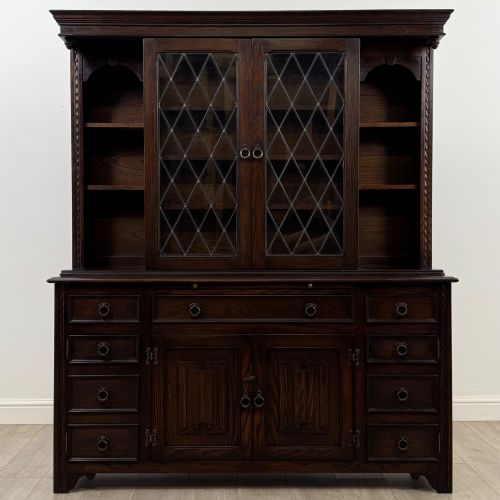
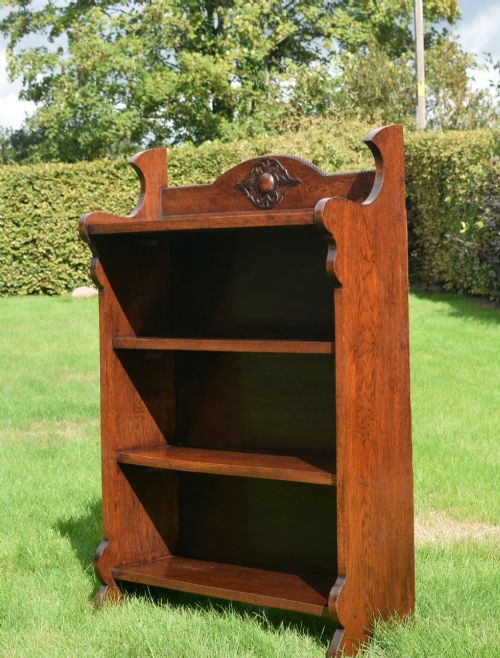
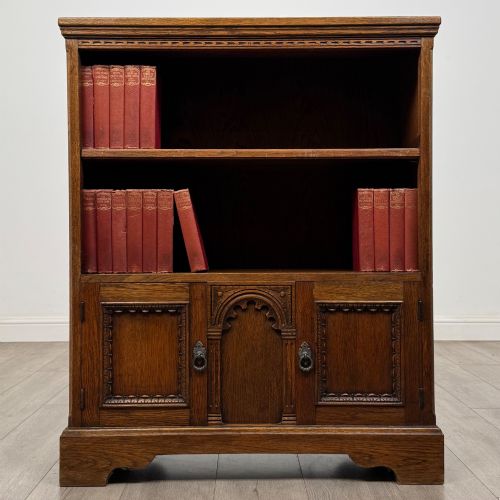
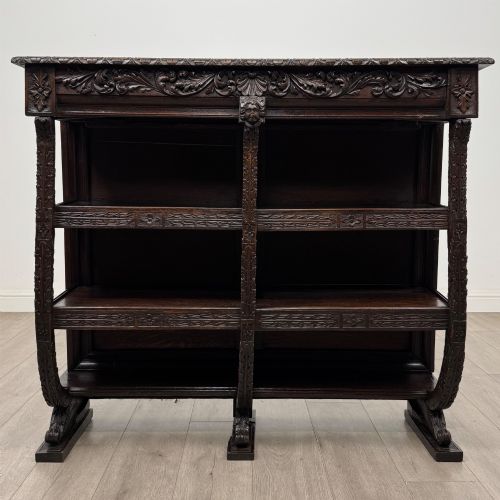
Carved Oak Display Unit
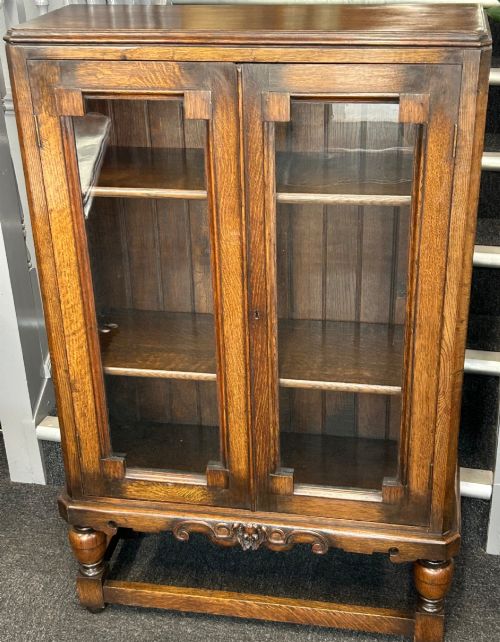
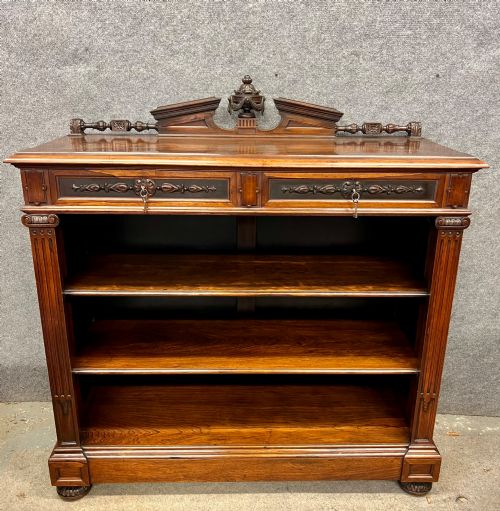
A carved oak display unit brings solid timber character and glass-fronted protection to books, china and collections.
Carved Oak Display Unit
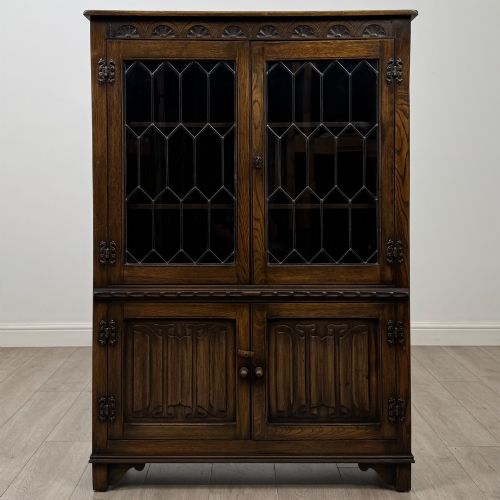
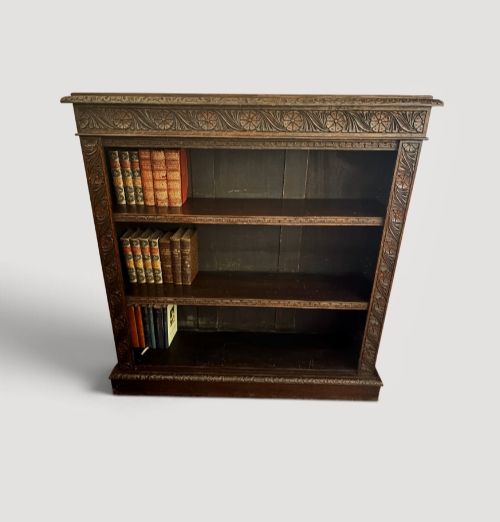
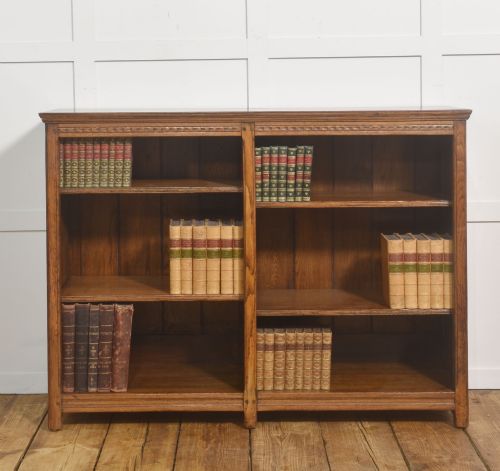
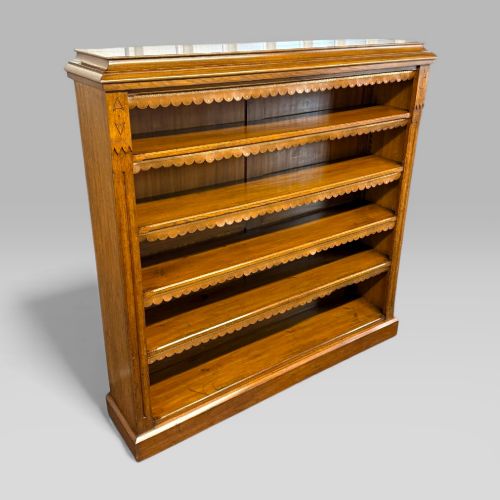
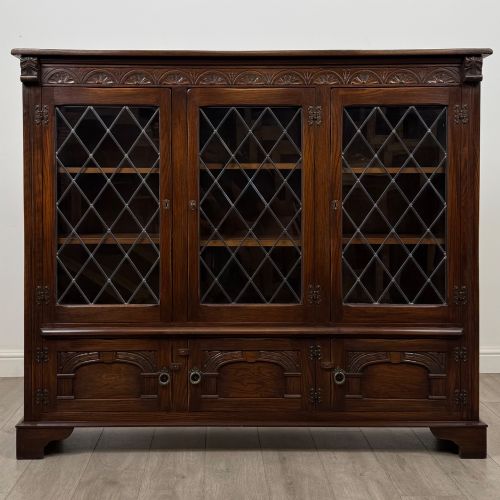
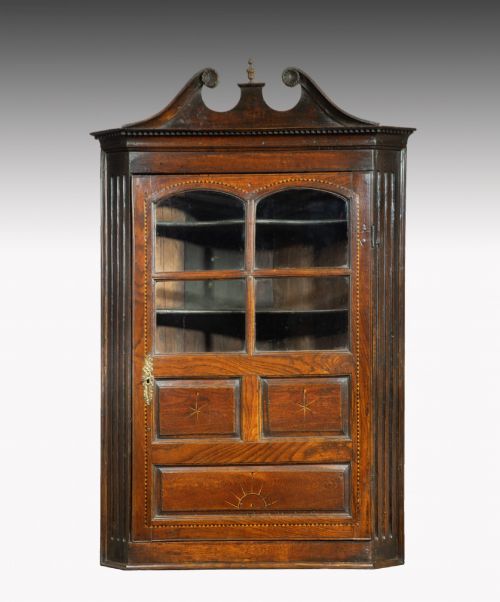
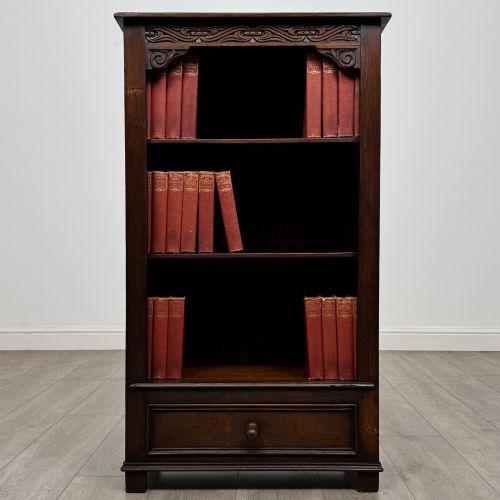
A carved oak display unit encompasses open bookcases, glazed cabinets, corner cupboards, dressers and wall shelves. You are most likely to meet Edwardian and Victorian examples on this page, alongside pieces spanning the eighteenth to the twentieth centuries.
The timber varies from golden oak to deeper tones, shaped into forms ranging from simple open shelving to substantial cupboards with glazed doors. Makers drew upon Jacobean, Tudor, Georgian and Arts and Crafts styles to ornament the woodwork with carving, linenfold panels and mouldings.
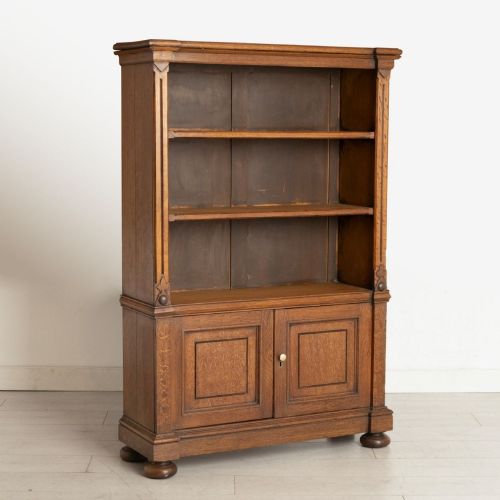
Many of these pieces serve as functional library bookcases with adjustable shelves, whilst others provide specialised spaces for displaying porcelain or curiosities behind glass.
Materials and construction
Oak forms the primary structure of these units, frequently combined with secondary timbers like beech or walnut in internal elements. Glazing provides transparent protection for display compartments, while brass, iron and lead appear in hinges, handles and decorative hardware.
Joinery relies on traditional methods to support heavy wooden shelves and carved doors, with fret-cutting and applied mouldings defining the decorative surfaces. Cabinet makers utilised hand-carving techniques to create linenfold details, geometric panels and Gothic tracery.
One slim arts and crafts cottage dresser proves that even the smallest oak corner has room for historic charm.
Assessing quality in carved oak furniture
Quality reveals itself in the crispness of the hand-carved detail and the selection of the oak timber, where straight grain and rich figuring elevate a piece above plain utility. The integration of functional elements, such as smoothly operating adjustable shelving and well-fitted doors, distinguishes finer examples.
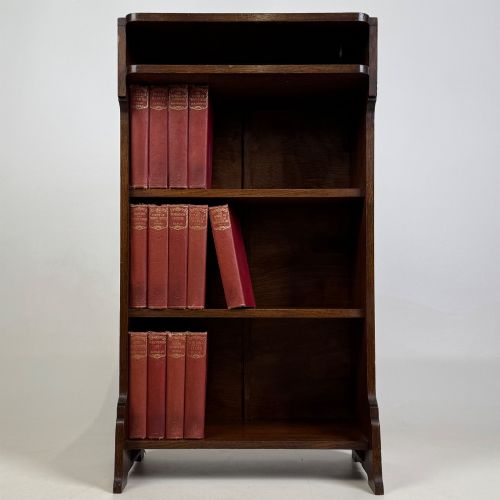
Proportion and scale dictate the visual success of the cabinet, with smaller waterfall bookcases and slim cottage dressers demonstrating particular refinement in design. The stability of the frame and the integrity of the original glass and hardware complete the assessment.
The Carved Oak Display Unit Glossary
- Linenfold
- A carved wooden panel moulding designed to imitate folded parchment or linen. This decorative motif appears frequently on Tudor and Jacobean revival cabinetry.
- Waterfall bookcase
- A set of open shelves that steps back progressively from bottom to top, creating a terraced profile. This form gained popularity during the late nineteenth and early twentieth centuries.
- Glazed cabinet
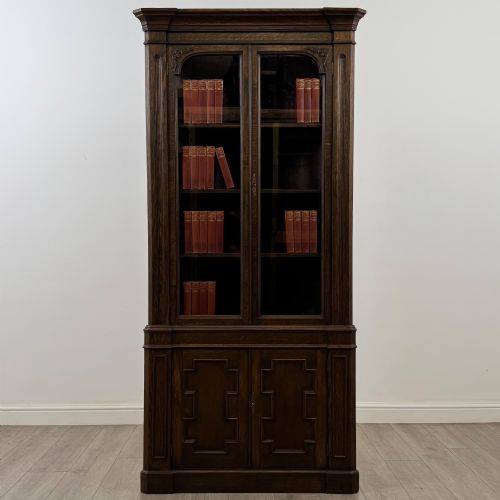
- A piece of furniture featuring glass door panels designed to protect books or displayed items from dust. These range from single-door corner cupboards to large display units.
- Aesthetic Movement
- A late nineteenth-century design style that emphasised visual beauty over narrative or moral function. Pieces from this movement often feature lighter golden oak and refined carved details.
Carved Oak Display Unit: Frequently Asked Questions
What is a carved oak display unit?
A carved oak display unit is a wooden storage and display piece encompassing open bookcases, glazed cabinets, wall shelves and dressers. These items utilise oak timber and decorative carving to house books, china and ornaments.
They appear in styles spanning the eighteenth century through to the art deco and arts and crafts periods of the twentieth century.
How were these cabinets used historically?
Historically, these units served domestic functions as libraries for personal book collections or as dressers and cupboards for storing and exhibiting household plate and glassware.
Open shelves allowed quick access to working volumes, while glazed doors protected delicate porcelain and leather-bound books from dust.
How do I style a carved oak unit at home?
Living with a carved oak piece involves balancing its substantial timber presence with lighter objects like white ceramics, glassware and books. Position the unit against a neutral wall to allow the grain and carved details to stand out.
Adjustable shelves permit the arrangement of mixed-height items, from folio volumes to small decorative objects.
How can I tell the period of an oak bookcase?
Dating an oak bookcase involves examining the construction methods, hardware and decorative style, such as Victorian Gothic revival tracery or Edwardian fret-cutting. The use of specific revival styles like Jacobean or Chippendale often points to nineteenth or early twentieth-century manufacture.
Timber characteristics and the presence of secondary woods also help distinguish eighteenth-century country pieces from later reproductions.