
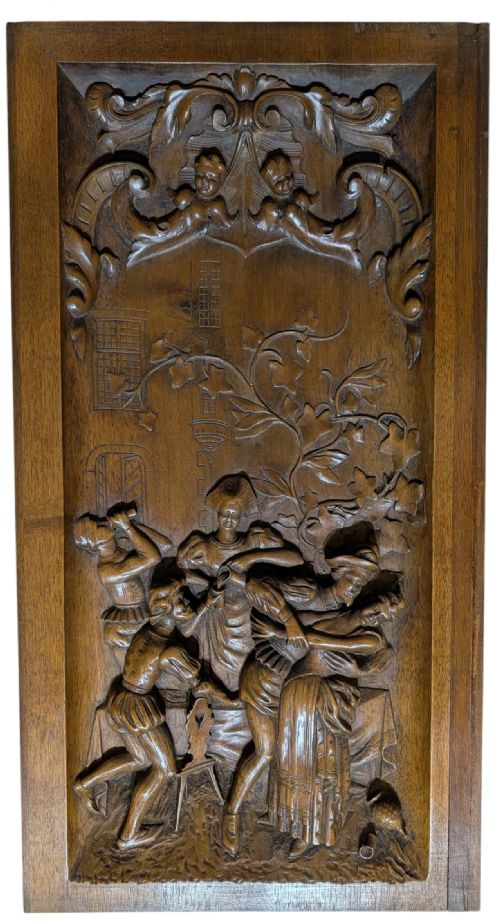


Carved Oak Cherub
When you search for a carved oak cherub, you are looking at centuries-old timber transformed into winged figures that once adorned grand buildings or domestic furniture.
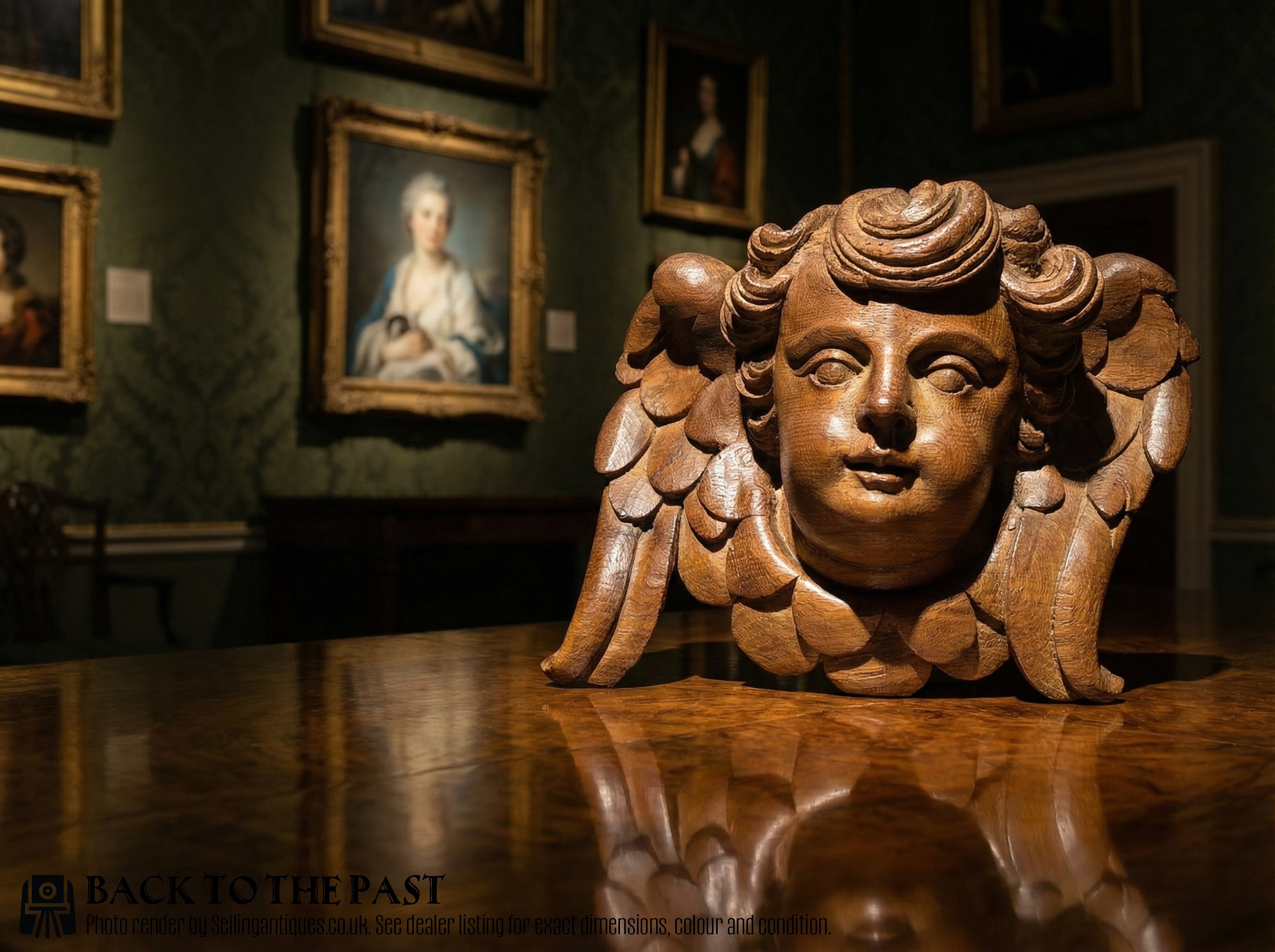
Carved Oak Cherub
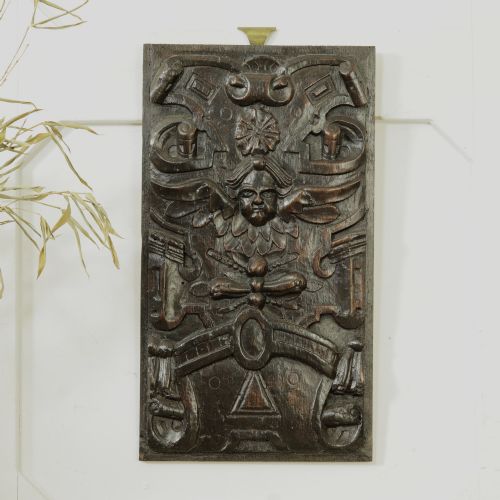
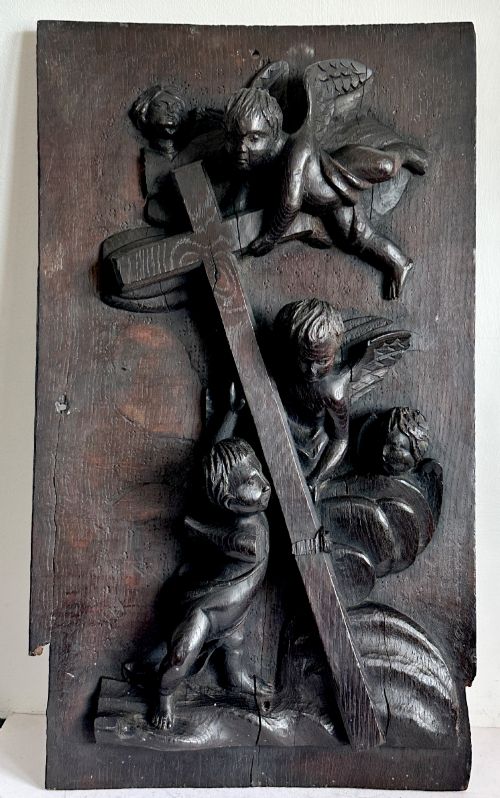
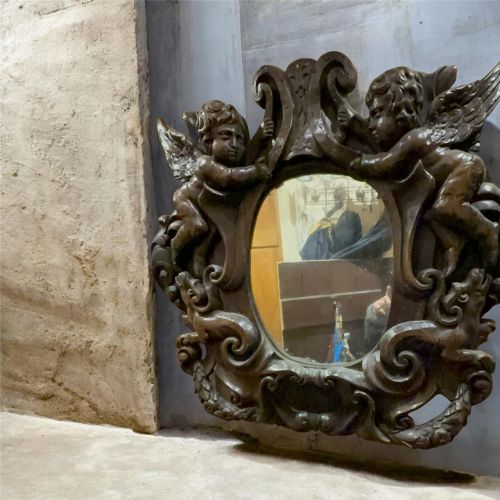
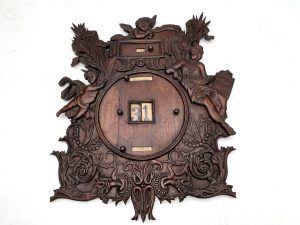
A carved oak cherub appears in various forms across architectural salvage, wall reliefs, and furniture panels, originating from periods spanning the seventeenth century through to the Victorian era. Buyers searching for a carved oak cherub encounter single heads, winged figures, and full reliefs integrated into panels, mirrors, and cabinetry.
The objects stem from distinct stylistic movements, including Baroque, Renaissance Revival, and Jacobean traditions, reflecting the changing tastes of European woodcarvers. Many items function as detached architectural elements, while others remain fixed within cabinets, overdoors, and fireplace surrounds.
How they were made
Craftsmen used seasoned oak timber, shaping the material with chisels and gouges to achieve high-relief and pierced carvings. The grain of the wood dictated the depth and intricacy of the wings, curls, and facial expressions.
Joinery techniques varied from pegged mortise and tenon frames to single-piece panel carvings, occasionally augmented with metal hardware or glass inserts depending on the object type.
Some seventeenth-century panels place winged cherubs alongside unexpected companions, including owls, bats, and dolphins.
What varies in quality
Integration with the broader panel or furniture element also defines standard, as some figures appear as awkward later additions while others form an integral component of the original architectural scheme.
Edward Pearce·Edwards & Roberts
The Carved Oak Cherub Glossary
- Acanthus
- A carved ornamental motif based on the foliage of the Mediterranean acanthus plant. It frequently frames cherubs and scrollwork in Baroque woodwork.
- Caryatid
- A sculpted human figure serving as an architectural support instead of a column or pilaster. These figures often incorporate winged cherub elements in seventeenth-century panels.
- Relief
- A sculptural technique where the figures project from a flat background. High-relief carvings stand almost entirely free from the oak backing.
- Overmantel
- A decorative panel or framework placed above a fireplace mantel. These pieces frequently feature prominent carved cherubs and mythical beasts.
- Putto
- A representation of a plump, naked child, often winged, appearing in classical and Renaissance-inspired woodwork. They serve as companions to religious or secular scenes.
Carved Oak Cherub: Frequently Asked Questions
How old is my carved oak cherub?
Dating relies on tool marks, timber shrinkage, and stylistic conventions associated with seventeenth-century Baroque or later Victorian revivals. Panels from the earlier periods typically display hand- adzed surfaces and deeper, more robust undercutting.
Later Victorian interpretations often utilise machine-assisted roughing before hand finishing, accompanied by crisper edge profiles that differ from seventeenth-century wear patterns.
Where were these cherubs originally placed?
Many carved cherubs originated as components of larger architectural schemes, such as church altarpieces, overdoors, staircase panels, or imposing library cupboards. They served to project status and theological or classical learning within elite interiors.
Over the centuries, individual panels and heads were detached from their original fixtures and repurposed as standalone wall art or integrated into later furniture.
How should I clean my carved oak piece?
Maintenance requires gentle dusting with a dry, soft-bristled brush to prevent particulate accumulation within the deep recesses of the carving. Avoid modern chemical polishes or water, which can damage the aged patina of the timber.
Application of microcrystalline wax can protect the surface if the oak appears dry, provided it is applied sparingly and buffed thoroughly.
Are these carvings English or continental?
Origin varies between English workshops and continental centres such as Flanders and France, where oak carving traditions developed distinct regional styles. Flemish and French panels frequently incorporate dynamic pairings with birds, fruit, or sea monsters.
English pieces often reflect domestic interpretations of Baroque and Jacobean motifs, aligning with local architectural timber availability and workshop practices.