


17th Century Baroque Carving
17th century baroque carving brings sculptural depth and dark timber into a room, drawing the eye with vigorous scrolls and naturalistic figures.
17th Century Baroque Carving
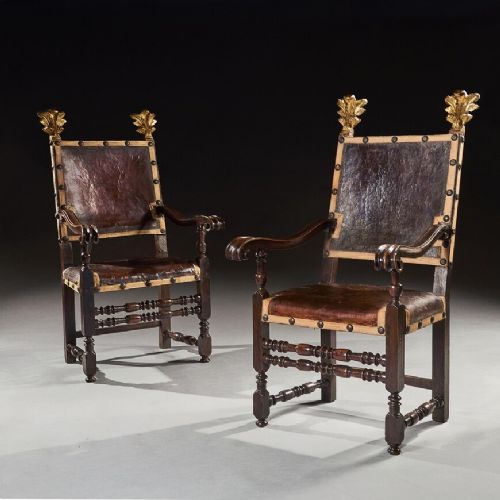
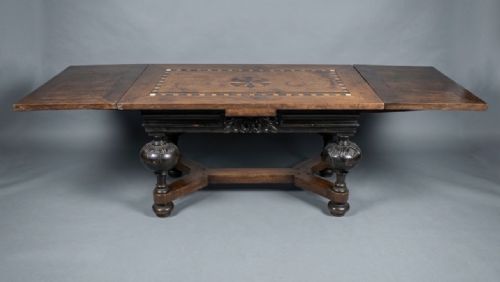
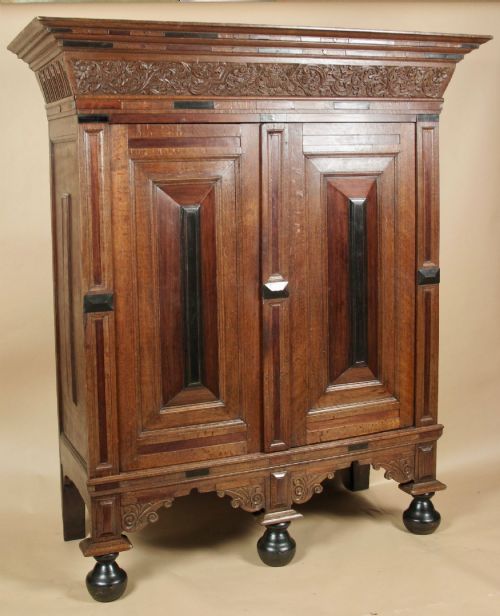
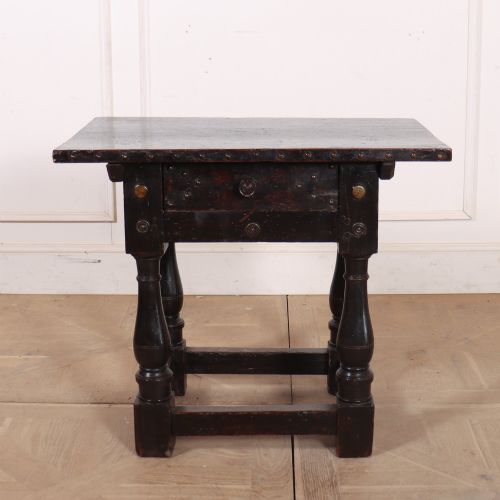
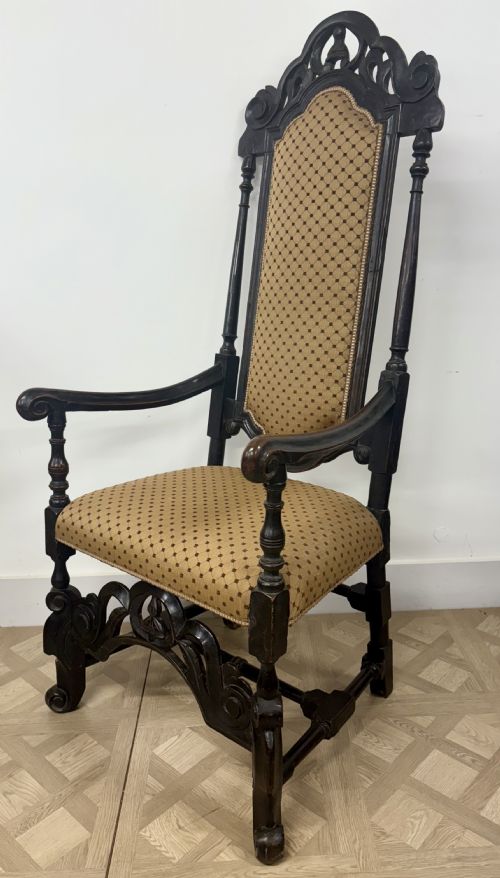
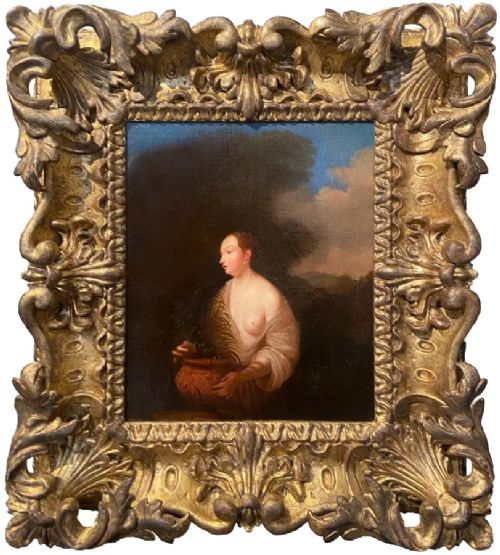
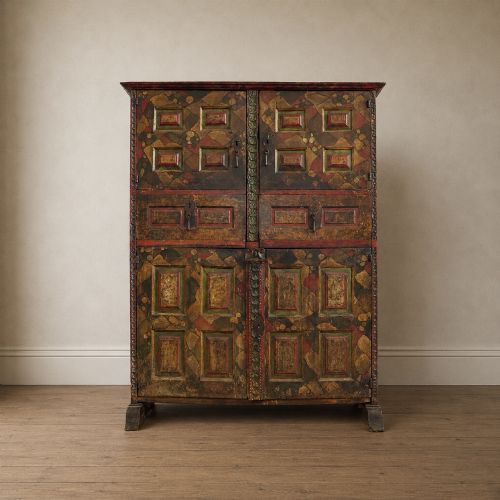
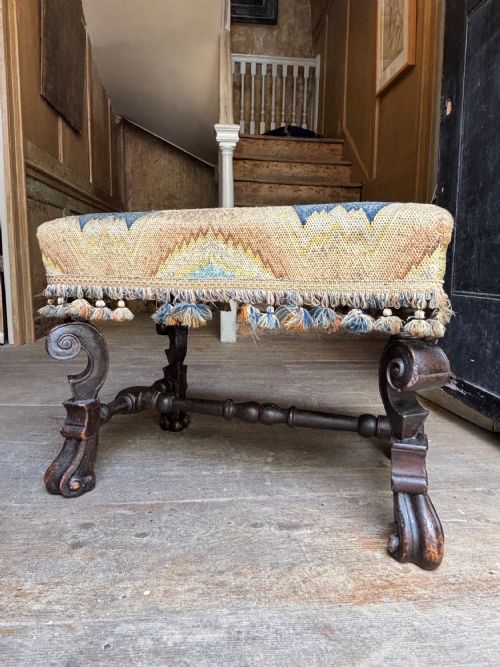
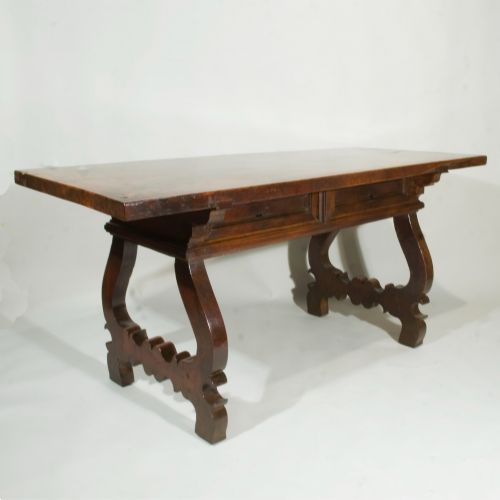
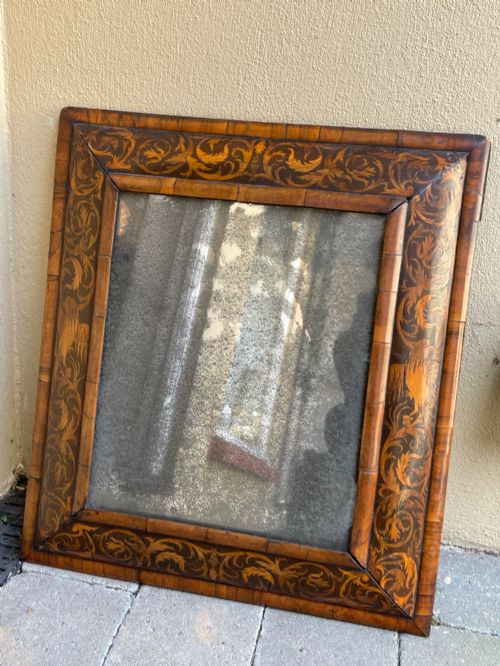
When buyers search for 17th century baroque carving, they encounter architectural elements, armchairs, cabinets, and religious figures from workshops across Italy, Spain, Flanders, France, and England. The forms range from heavy walnut tables and chests of drawers to giltwood mirrors and wall sconces.
The version most commonly met on this page is walnut furniture or limewood and oak sculpture bearing the deep relief, putti, and foliage characteristic of the period. Pieces span the seventeenth century alongside later revivals, reflecting how makers returned to these energetic motifs over time.
Materials and Construction
Makers relied primarily on dense timbers such as walnut, oak, and chestnut, which held crisp edges under chisel work and took a dark, polished patina. Giltwood and gold leaf added brilliance to frames, torchiere bases, and architectural fragments.
Carvers cut directly into the solid wood or applied relief elements to panels, armchairs, and cabinets, often incorporating iron hardware and oil paint or polychrome pigment on figurative subjects.
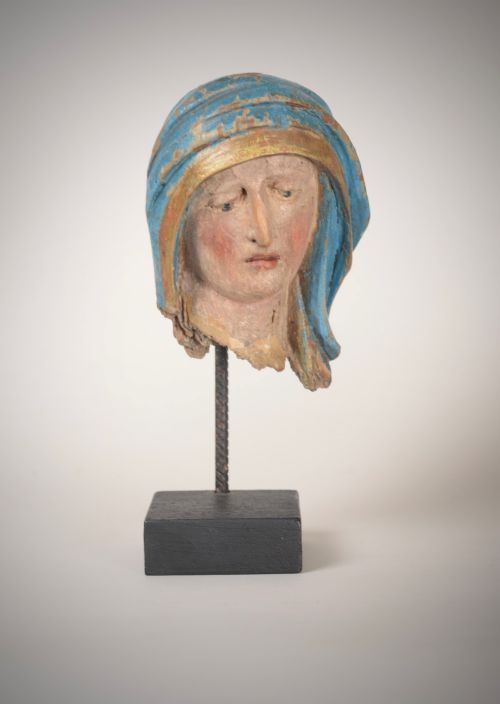
A stoic seventeenth-century saint keeps watch from a block of limewood, unfazed by the centuries passing beneath its carved robes.
Distinctions in Quality
Quality rests in the anatomical correctness of figures, the depth of the undercutting, and the fluidity of the scrollwork. A superior piece shows confidence in the chisel, where limbs and foliage emerge naturally from the timber rather than appearing stiff or flat.
The choice of material and the retention of original surface patination distinguish finer examples from simpler provincial work. Crisp detailing on walnut and well-preserved gilding elevate the status of mirrors and console tables.
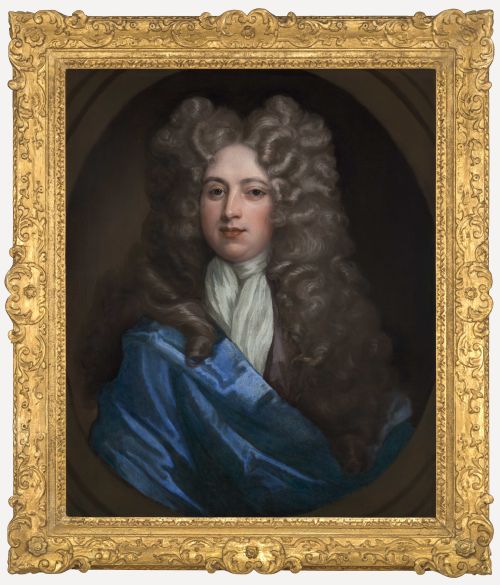
Thomas Murray·John Michael Wright·Toussaint Gelton·Nicolaes Maes
The 17th Century Baroque Carving Glossary
- Baroque
- A style characterised by theatricality, movement, and exuberant ornamentation in architecture and decorative arts. It emerged in Italy before spreading across Europe during the seventeenth century.
- Parcel-gilt
- Partially gilded, where gold leaf highlights specific carved details against a contrasting dark wood background. This technique was frequently applied to walnut armchairs and frames.
- Putto
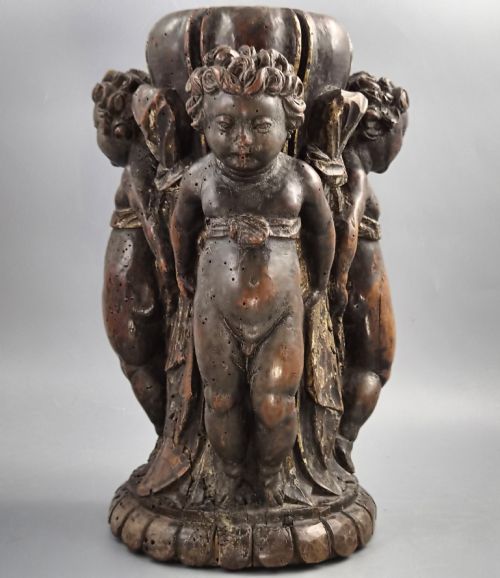
- A plump, winged child figure, often depicted as a cherub or cupid in religious and secular sculpture. They appear frequently in Italian torchiere bases and architectural woodwork.
- Bargueño
- A type of ornate portable cabinet on a stand, originating in Spain. These pieces feature elaborate drawer fronts often combined with marquetry and carving.
- Polychrome
- Painted in several colours, commonly seen on wooden sculptures and panels. Pigments were applied over a gesso ground to render lifelike figures of saints and nobility.
17th Century Baroque Carving: Frequently Asked Questions
How do I identify a genuine period piece?
Examine the tool marks, timber shrinkage, and the integration of the carving with the underlying structure. Period work displays tool execution consistent with hand chisels and natural wear patterns built up over centuries.
Compare the style of the foliage and figures against documented regional examples from Italy, Spain, or Flanders. Inconsistencies between the wood species and the stated origin often point towards later revivals.
Where were these carvings originally placed?
Sculptures and panels adorned churches, chapels, and the state rooms of grand townhouses. Large cupboards, console tables, and armchairs furnished the reception spaces of elite residences.
Smaller mirrors and torchiere bases provided illumination and reflected candlelight in reception hallways and private chambers. Architectural salvage elements typically originated from dismantled European interiors.
How should I care for historic carved wood?
Keep wooden surfaces away from direct heat sources and dramatic humidity fluctuations to prevent the timber from splitting. Dust gently with a dry, soft cloth and avoid modern aerosol polishes.
Giltwood requires particular caution because moisture or abrasive cleaning can strip the delicate gold leaf. Professional conservation is advised for structural stabilization or cleaning painted polychrome surfaces.
What defines the regional styles?
Italian and Spanish pieces often feature deep, theatrical relief work with religious iconography, putti, and dark walnut surfaces. Flemish and Dutch items frequently utilise oak or ebony inlay alongside robust architectural framing.
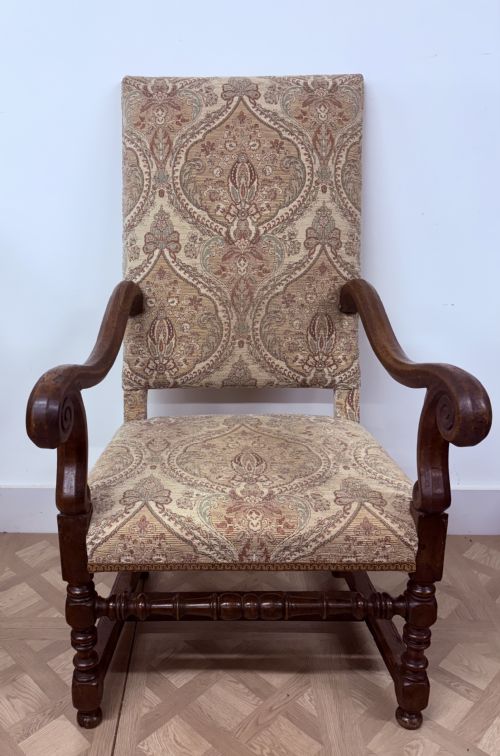
English variants from the period lean towards upholstered walnut seating and structured panel work influenced by continental trade and royal courts.