


Carved Oak Captains Desk
A carved oak captains desk brings solid timber and traditional joinery to a workspace, offering a sturdy seat built for daily use.

Carved Oak Captains Desk
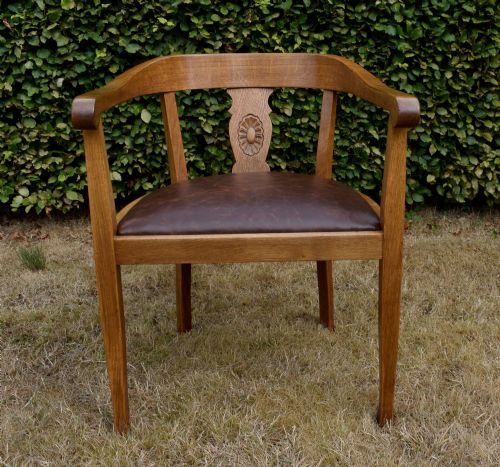
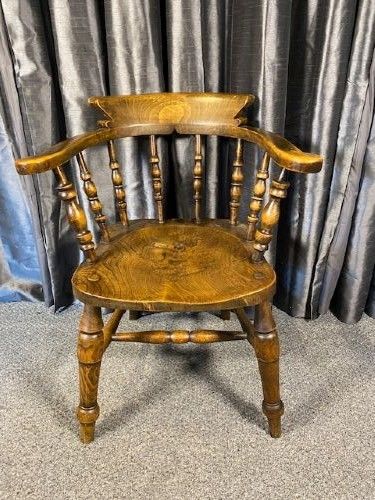
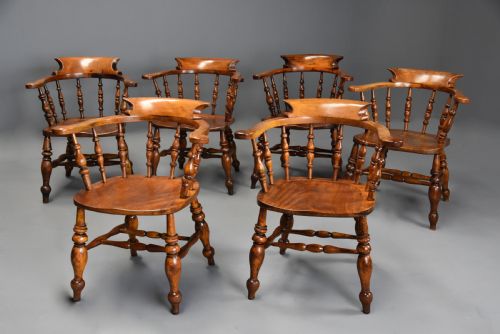
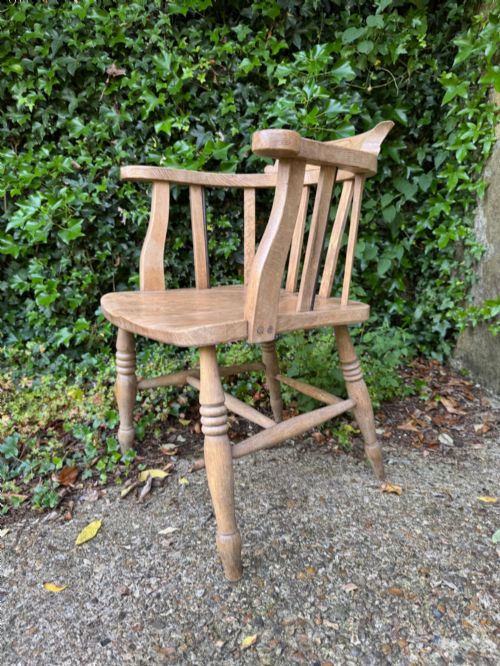
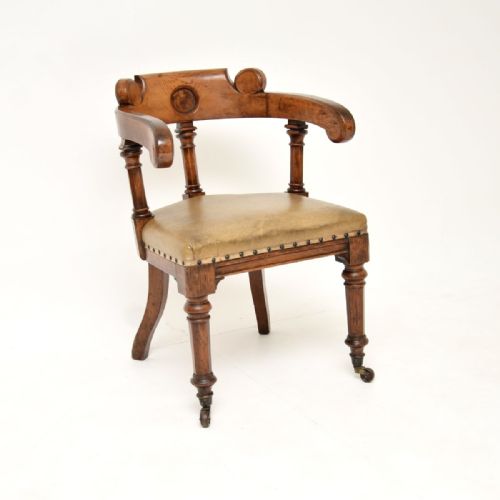
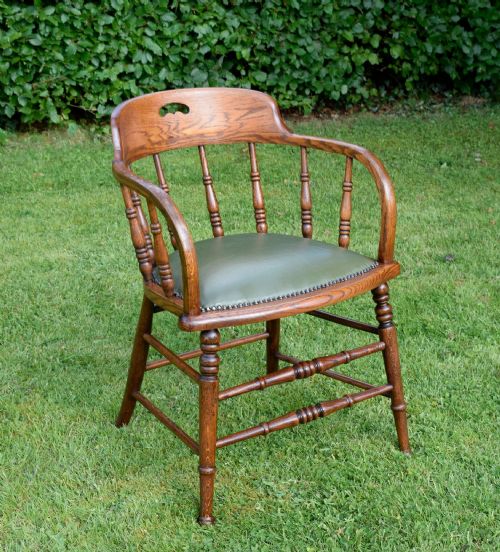
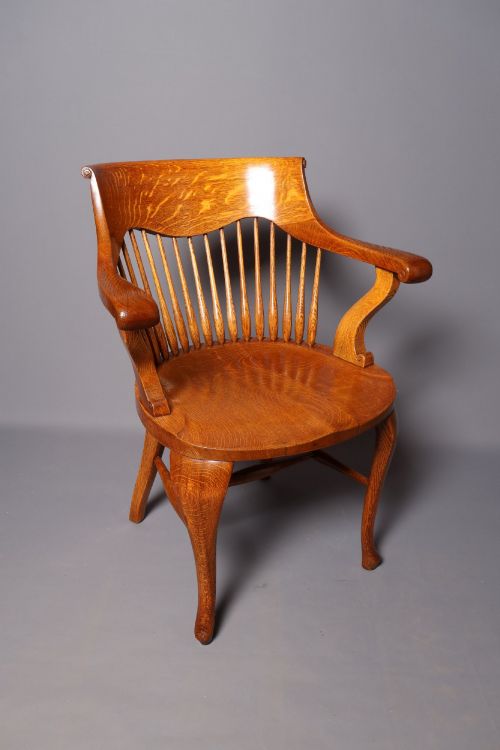
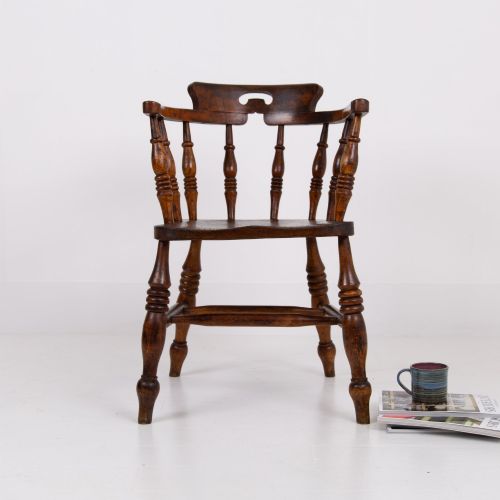
The selection leans heavily toward Victorian and Edwardian examples, alongside revival pieces adopting Jacobean or Gothic motifs. Solid construction defines these items, often featuring rounded arm rails and supportive wooden spindles.
Desks and Davenport forms appear alongside rotating armchairs, providing practical options for traditional studies. Most pieces rely on domestic hardwoods shaped for continuous daily service.
Assessing craftsmanship
Depth and crispness of the hand carving separate standard commercial seating from exceptional library commissions. Sharp detailing in foliage or figural motifs indicates skilled handwork rather than mass production.
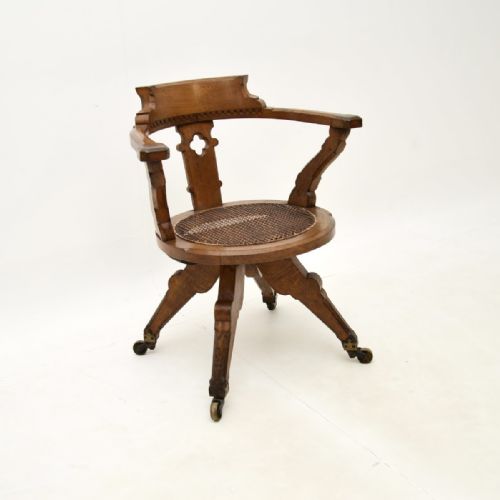
The integrity of the rotating mechanism and swivel base dictates mechanical longevity in desk chairs. Premium examples retain smooth movement alongside heavy timber underframes that resist wobbling.
Current listings feature nineteenth and early twentieth century examples constructed from solid oak, elm, and beech.
S&H Jewell
The Carved Oak Captains Desk Glossary
- Smoker's bow
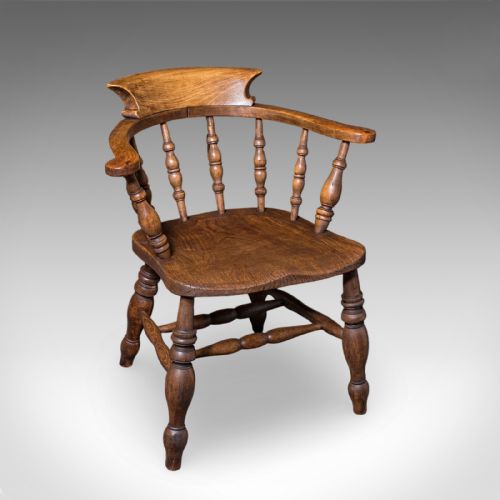
- A sturdy vernacular wooden armchair featuring a continuous curved back rail supported by turned spindles.
- Davenport desk
- A compact writing box featuring a sloping top, resting on a pedestal of side drawers.
- Swivel mechanism
- The central iron or brass pivot permitting a desk chair to rotate and adjust in height.
- Gothic Revival
- A nineteenth century design movement incorporating pointed arches, trefoils, and ecclesiastical ornamentation into domestic furniture.
Carved Oak Captains Desk: Frequently Asked Questions
How do I identify a true captains chair?
Authentic versions usually feature a low, rounded backrest supported by turned wooden spindles above a solid saddle seat. They are built for stability and heavy daily use in offices or ships.
Look for sturdy arm construction integrated directly into the continuous back rail. Many sit on swivel bases or four-legged wooden underframes.
What maintenance does oak furniture require?
Solid oak benefits from occasional applications of beeswax to nourish the timber and maintain a deep sheen. Avoid placing wooden pieces near direct heat sources to prevent shrinkage.
Leather inserts require mild conditioning to keep the surface supple over time. Regular dusting with a soft cloth protects the carved details from dirt buildup.
How do I date a Victorian desk chair?
Examine the underframe construction, fixing screws, and timber patination to estimate the manufacturing era. Hand-cut joinery and early iron swivel mechanisms typically point to nineteenth-century production.
Stylistic cues such as Gothic tracery or heavy turned spindles help separate mid-century designs from later Edwardian revivals. Maker stamps, where present, offer definitive production dates.