

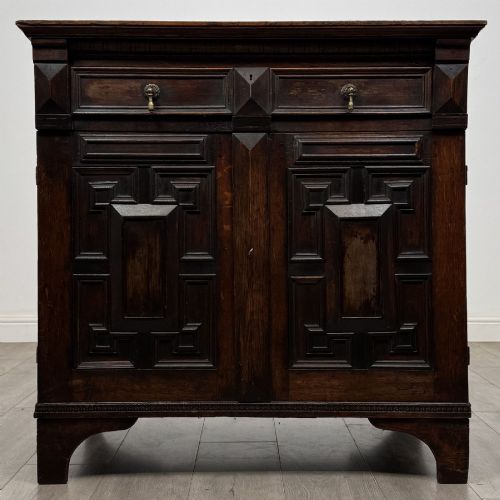
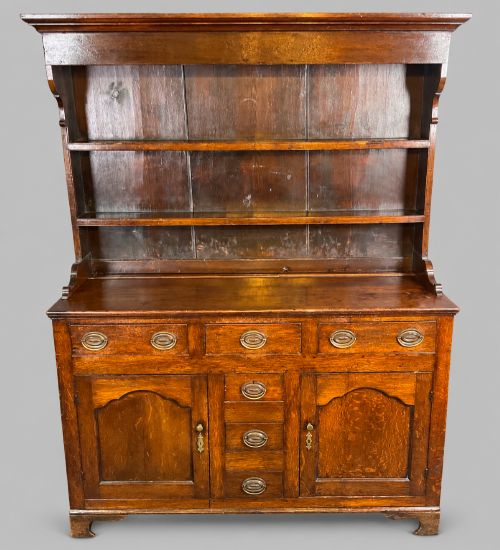
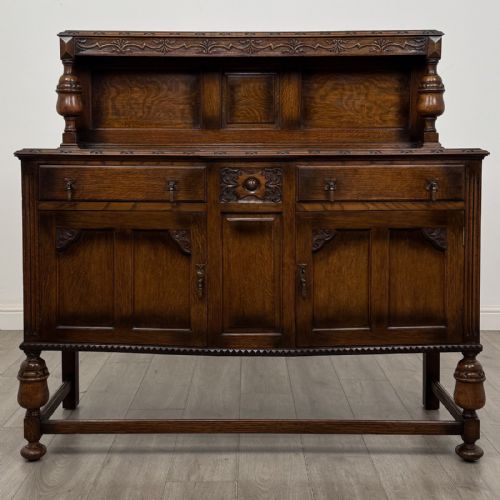
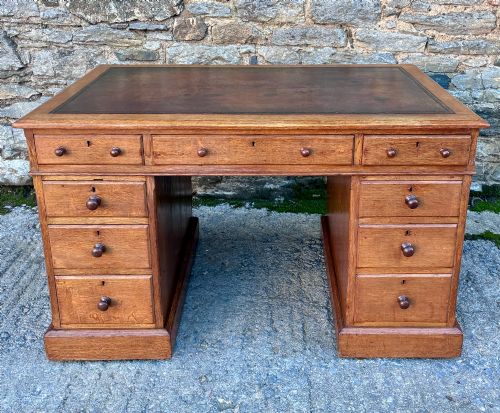
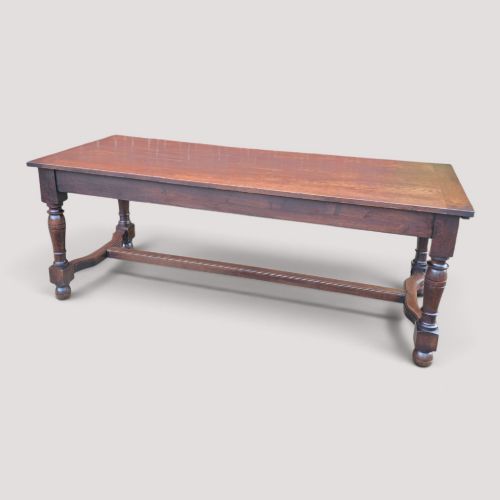
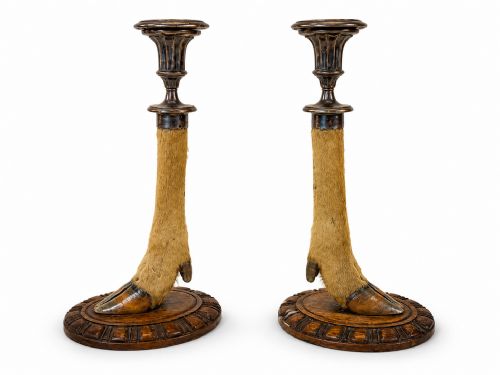
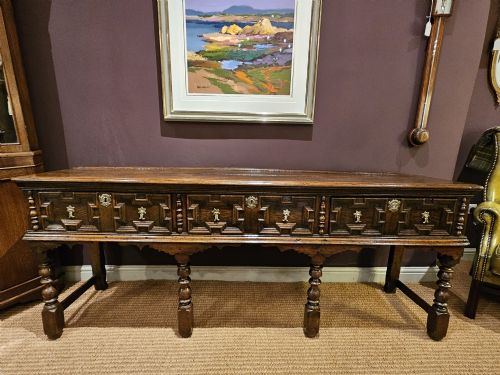
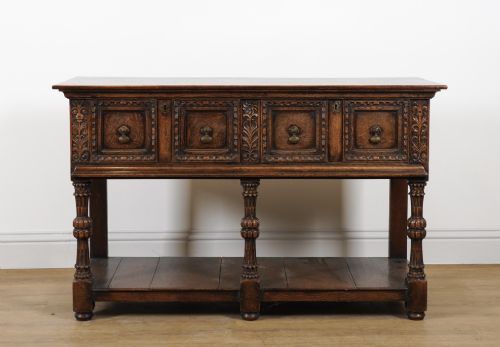

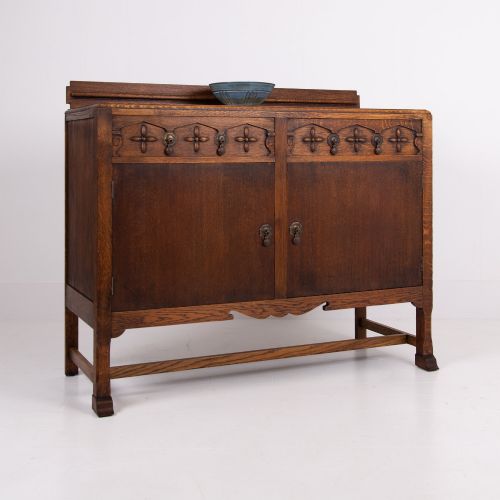
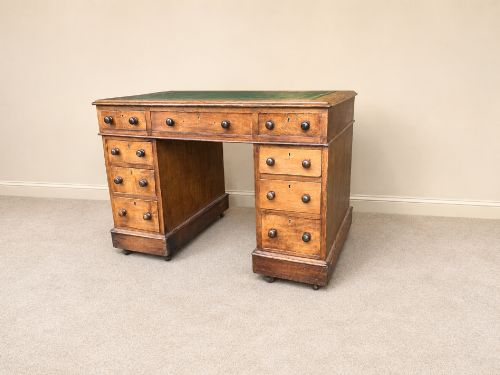
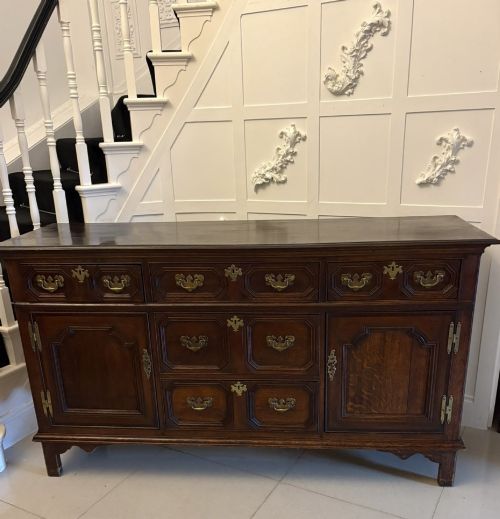
Carved Oak Base
These pieces of carved oak base provide sturdy foundations and structural support for heavy furniture, emerging mainly from seventeenth century to twentieth century workshops.
Carved Oak Base
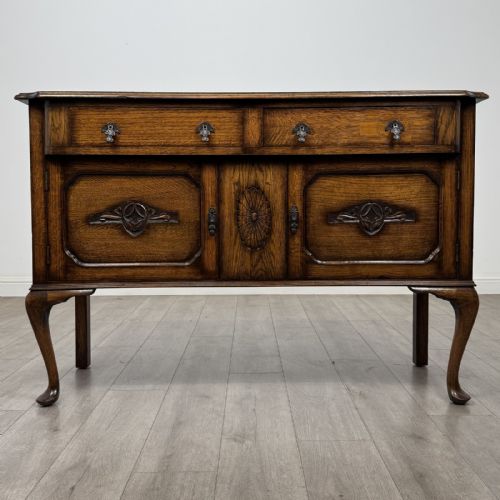
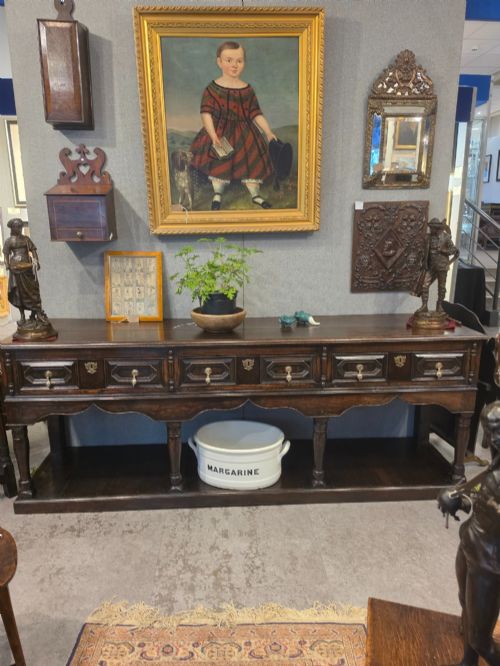
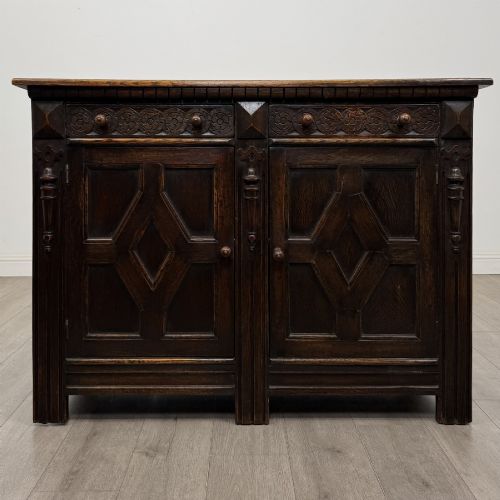
A carved oak base typically forms the lower structural and decorative support for larger dining tables, sideboards, and dresser bases. When searching for a carved oak base, buyers encounter architectural framing designed to bear substantial weight while displaying traditional woodworking craftsmanship.
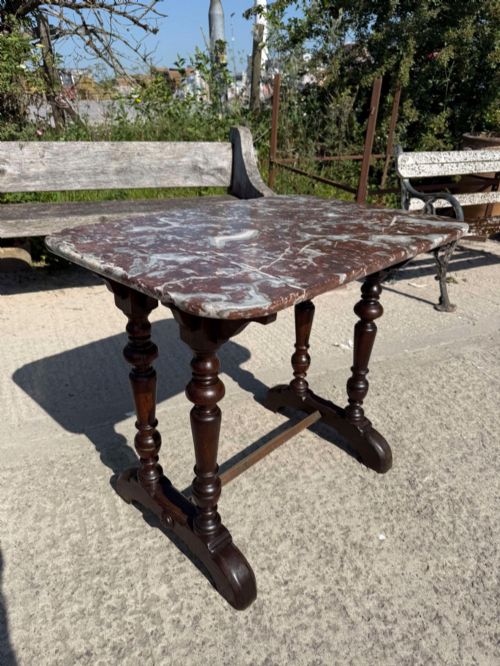
The versions most commonly met on this page date from the twentieth century and the Edwardian period, alongside examples spanning the Victorian era, nineteenth century, eighteenth century, and seventeenth century. These supports appear beneath refectory tables, sideboards, and plant stands, often featuring stretcher arrangements or carved stretchers.
Stylistic influences range from Jacobean and Jacobean Revival to Gothic Revival, Arts and Crafts, and Georgian designs. This variety reflects changing domestic interiors across multiple centuries, where solid oak provided both utility and decorative presence in halls and dining rooms.
Materials and construction methods
Solid oak serves as the primary material for these structural supports, occasionally complemented by pollard oak for distinct grain patterns. Cabinet makers and joiners worked the timber using hand tools to create sturdy frames, frequently incorporating pegged joints and solid planks.
Metal components such as brass and iron appear in supporting hardware and handles, while wood inlay and paint occasionally accent the primary oak structure. Carving techniques include relief work and green man decoration, applied directly to the solid timber framework.
Carved Oak Base Retail Price Guide 2026
Typical asking prices for carved oak base among the pieces listed under this phrase on Sellingantiques today, from the lower quarter to the upper quarter. They describe what is for sale here now, not the wider market.
Keep a watchful eye out for the green man peering through the oak foliage on nineteenth-century sideboards.
Factors determining quality
The calibre of a carved oak base rests on the crispness and depth of the timber carving and the integrity of the joinery. Superior examples demonstrate confident chisel work and stable construction that has endured centuries of use without losing structural firmness.
The choice of timber grain and the harmony between the carved elements and the supporting framework distinguish finer pieces from simpler utilitarian supports. Authenticity of period construction and the preservation of original surface patination further separate exceptional works from later revivals.
The Carved Oak Base Glossary
- Stretcher base
- A system of horizontal wooden bars connecting the legs of a table or sideboard for added stability. These stretchers are frequently carved in seventeenth and nineteenth-century examples.
- Refectory table
- A long dining table traditionally used in monasteries and large halls, supported by sturdy wooden bases and stretchers. They appear frequently in twentieth-century and earlier oak variants.
- Pollard oak
- Timber taken from trees that have been pollarded, producing a highly figured, mottled grain pattern. This decorative wood appears on nineteenth-century tables and sideboard bases.
- Jacobean revival
- A nineteenth and twentieth-century architectural and furniture style emulating seventeenth-century English design. Pieces in this style utilise heavy turning, geometric mouldings, and deep oak carving.
Carved Oak Base: Frequently Asked Questions
What furniture uses a carved oak base?
A carved oak base typically supports heavy dining tables, sideboards, dresser bases, and occasional lamp tables. These structural supports provide both stability and decorative framing for large wooden furniture.
They appear across refectory tables and cabinet furniture, anchoring the overall design with solid timber construction.
How do I identify seventeenth century oak?
Seventeenth century oak pieces display distinct hand-tool marks, pegged joinery, and dense, dark timber patination built up over centuries. The carving tends to be deep and geometric or figural rather than machine-toothed.
Examining the underside and interior joints reveals traditional construction methods unique to early periods.
Where should I place an oak base table?
These sturdy tables and bases suit dining rooms, large hallways, and studies where their substantial weight and dark wood tones anchor the space. They function well as central dining surfaces or writing desks.
Keep them away from direct heat sources to prevent the solid oak timber from splitting.
What is Arts and Crafts oak?
Arts and Crafts oak furniture emphasises honest construction, visible joinery, and handcrafted details rather than ornate factory finishing. These pieces often feature simpler lines alongside naturalistic carved motifs like the green man.
The style emerged strongly in the late nineteenth and early twentieth centuries.