
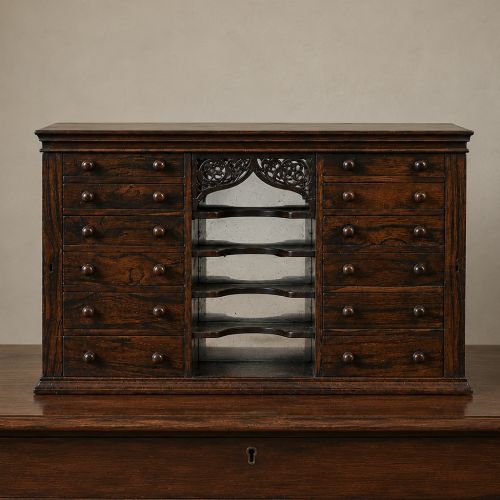
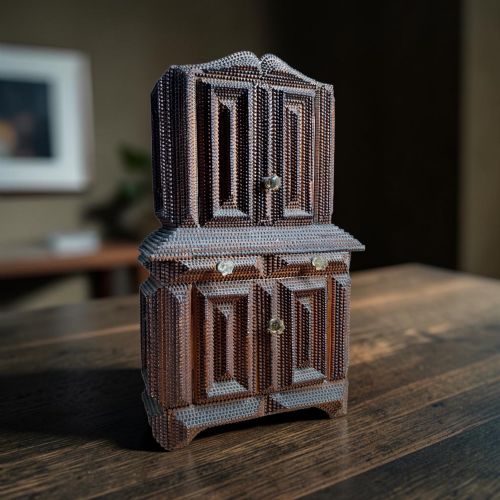
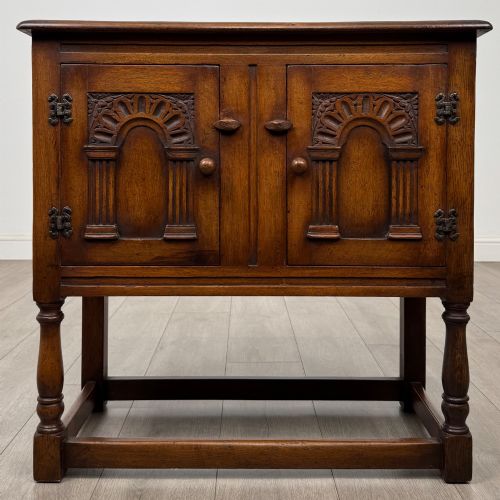

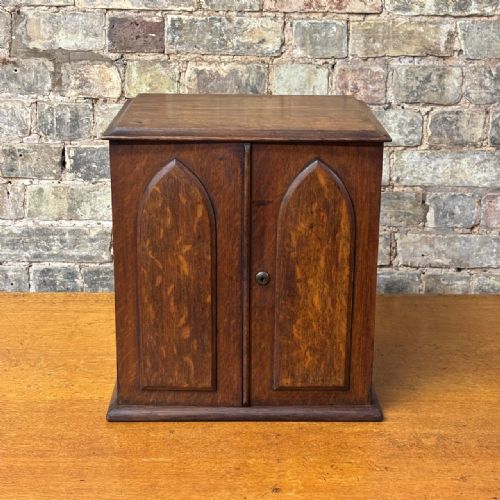


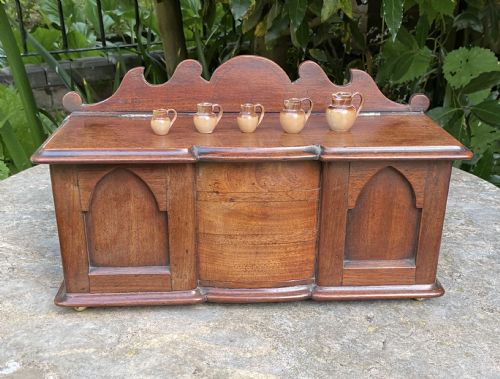

Carved Miniature Cabinet
A carved miniature cabinet brings small-scale craftsmanship into focus, offering intricate detail and compact storage across periods from the seventeenth century to the twentieth.
Carved Miniature Cabinet
A carved miniature cabinet serves as a scaled-down version of larger furniture, including table cabinets, collectors cabinets, and miniature chests of drawers. These pieces represent detailed scaled furniture made for display, sample work, or specialised storage.
The versions most commonly met span the Victorian and nineteenth century periods alongside Georgian, Edwardian, and eighteenth century examples. Forms range from court cupboards and spice cabinets to wall hanging cupboards and apprentice pieces.
Makers utilised varied regional styles such as French country, folk art, Gothic revival, and Jacobean revival. Each object demonstrates how cabinet makers adapted full-size architectural and furniture forms down to miniature proportions.
How they were made
Timbers form the structural foundation of these pieces, utilising oak, mahogany, walnut, rosewood, pitch pine, and soft wood. Cabinet makers selected these specific woods for their grain patterns, durability, and suitability for intricate carving.
Metal and bone components such as brass hardware, iron fittings, and bone details provide functional and decorative accents. Glass elements appear in display formats, while specialised carving techniques define panels, mouldings, and architectural flourishes.
A tiny skeleton hides among the timber and brass.
What varies in quality
The precision of the carving and the fidelity of the miniature proportions distinguish finer examples from simpler vernacular items. Superior pieces exhibit crisp detail in panels, ebonised mouldings, and fitted drawers.
The selection of timbers and veneer work, such as burr walnut or figured mahogany, marks the distinction between standard utility items and high-status decorative pieces. Original hardware, locks, and internal fittings further influence the overall standard.
The Carved Miniature Cabinet Glossary
- Apprentice piece
- A demonstration piece created by a tradesman to prove skill and secure master status in a guild. These items often duplicate full-size furniture forms in miniature.
- Court cupboard
- A short, tiered storage piece scaled down for table placement. It traditionally featured enclosed lower sections and open or shelved upper tiers.
- Wellington chest
- A tall, narrow chest of drawers secured by a locking side flap hinged to one side. Miniature versions adapt this robust locking mechanism for small valuables.
- Tramp art
- A style of woodwork created by carving chip-carved geometric layers from discarded wood packaging and cigar boxes. It relies on pocket knives and simple tools.
- Linen press
- A tall storage cabinet designed for flat textiles, featuring upper sliding trays and lower drawers. Miniature iterations preserve the internal sliding mechanisms.
Carved Miniature Cabinet: Frequently Asked Questions
What were miniature cabinets used for?
These cabinets served multiple purposes including storing spices, jewellery, documents, and small collectables. They also functioned as trade samples or masterworks created by craftsmen demonstrating their abilities.
In domestic settings, they provided secure, compact storage on tabletops, desks, or counters without occupying valuable floor space.
How do I date a miniature cabinet?
Dating relies on identifying the primary timber species, construction joints, hardware, and stylistic traits associated with specific periods like the Georgian or Victorian eras. Secondary woods inside drawers often provide additional clues to regional origin and age.
Proportions and decorative motifs, such as Gothic panels or ebonised mouldings, align directly with the prevailing design movements recorded across the centuries.
Where should I place one in a room?
Miniature cabinets suit placement on sturdy tables, sideboards, desks, or mounted securely on walls where their detailed carving can be appreciated at close range. They function well as focal points in studies, hallways, or living areas.
Avoid positioning them in direct sunlight or near heat sources to protect sensitive wood finishes, veneers, and historical hardware.
Are apprentice pieces different from miniature furniture?
Apprentice pieces specifically represent skilled trial work produced under guild or trade traditions to demonstrate mastery of joinery techniques. General miniature furniture includes items made for children, dollhouses, or specialised tabletop display cabinets.
Both categories share compact proportions, but apprentice pieces typically replicate full-scale structural joinery with exact precision.