

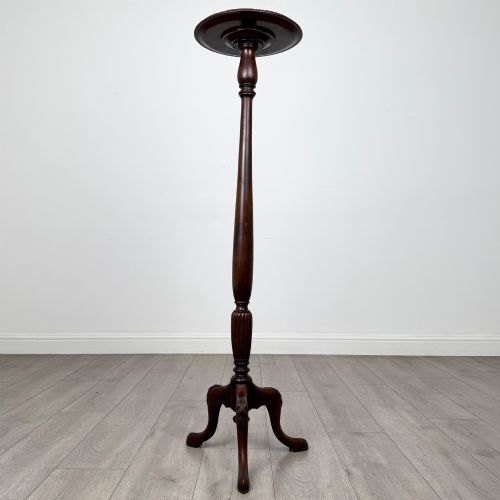
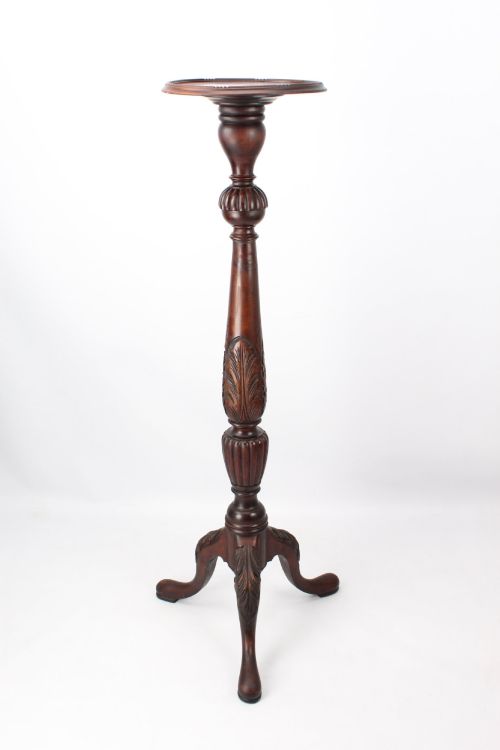
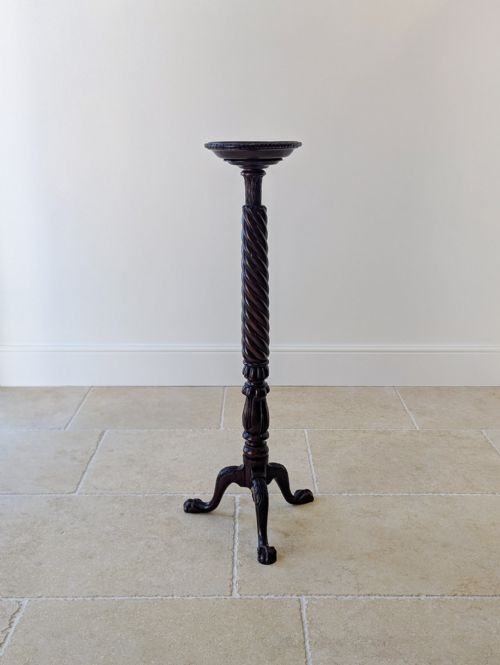
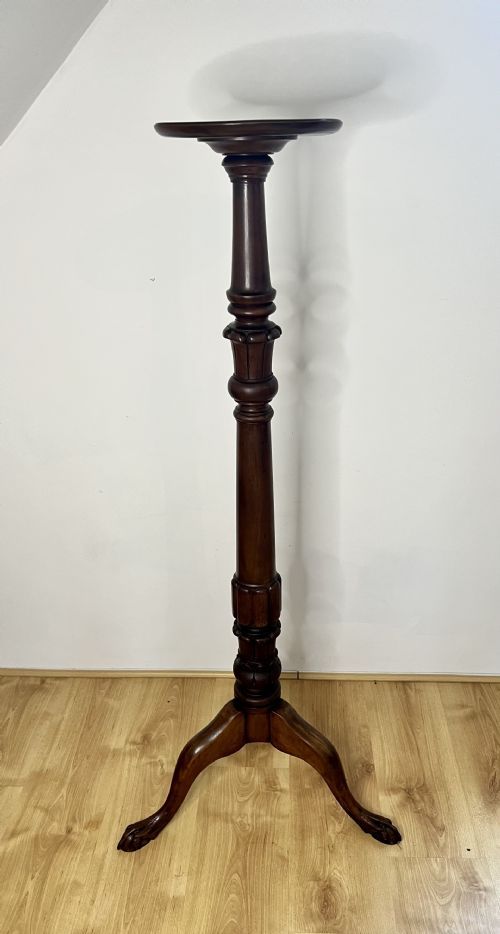


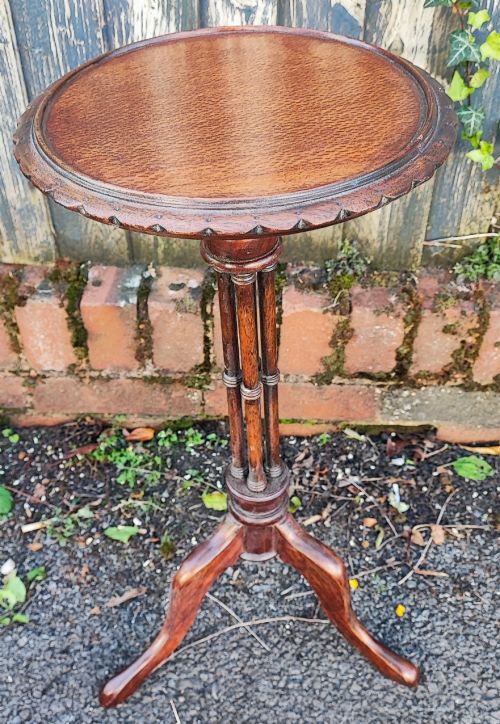
Carved Mahogany Plant Pedestals
These carved mahogany plant pedestals elevate urns and botanical displays, bringing vertical structure and rich timber grain to interior spaces.
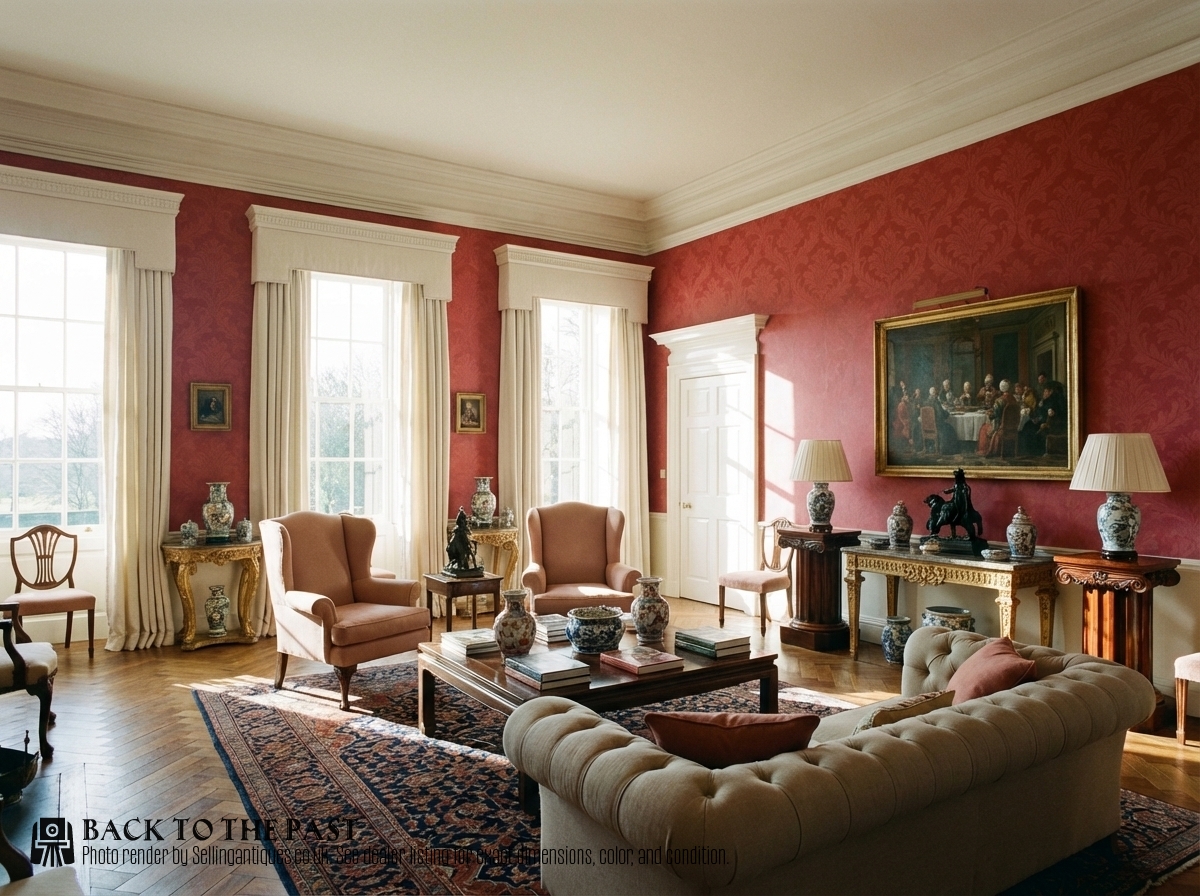
Carved Mahogany Plant Pedestals
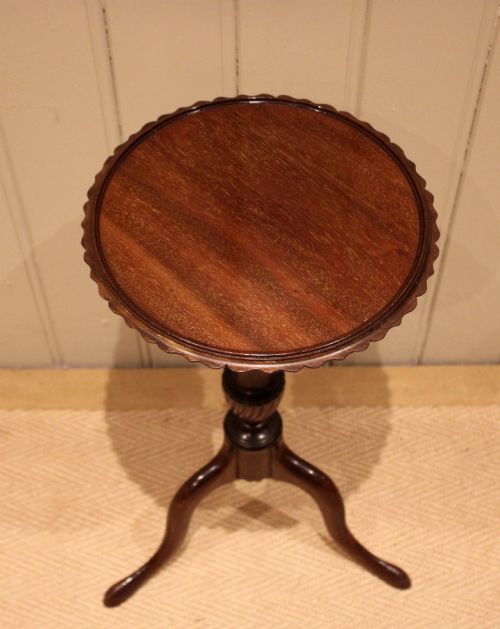
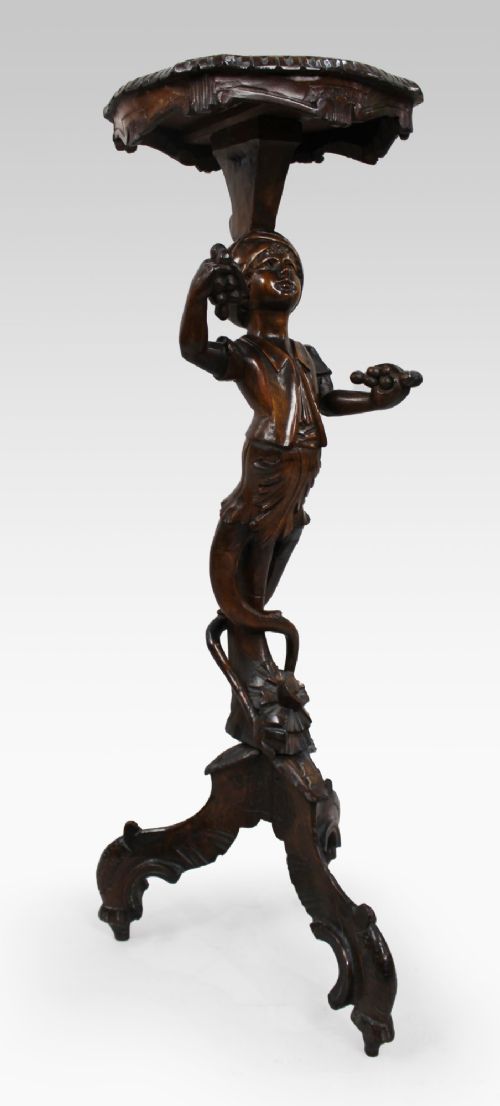
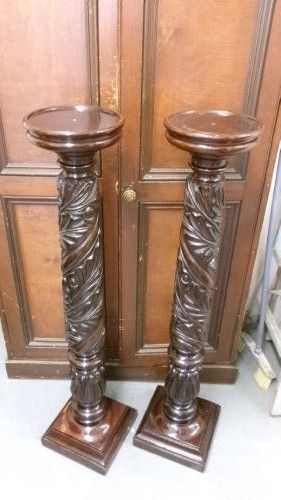
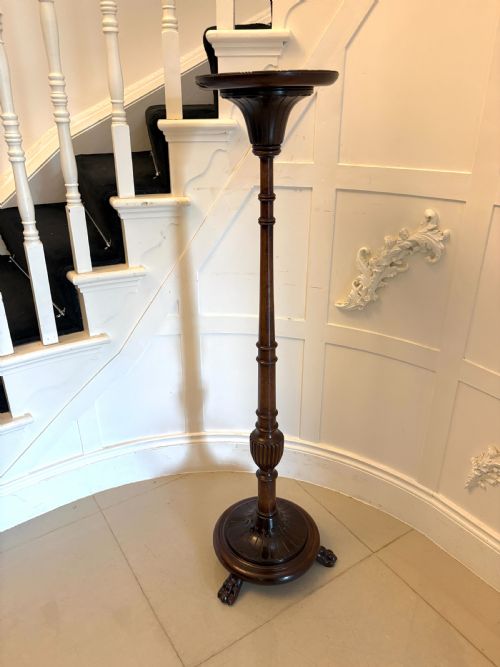
Carved mahogany plant pedestals serve primarily as elevated supports for botanical displays, jardinières, and sculptural objects within domestic interiors. These pieces appear frequently under varied designations such as torcheres, plant stands, and display columns, reflecting their versatile nineteenth-century domestic roles. Buyers searching for carved mahogany plant pedestals encounter examples originating predominantly from the Victorian and Edwardian eras, alongside occasional earlier revivals.
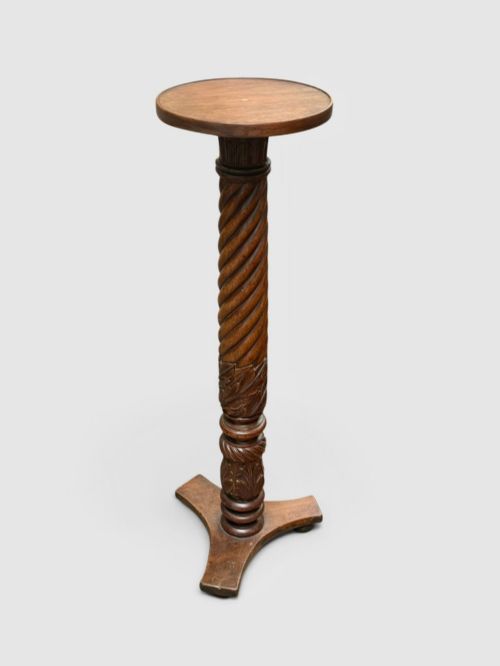
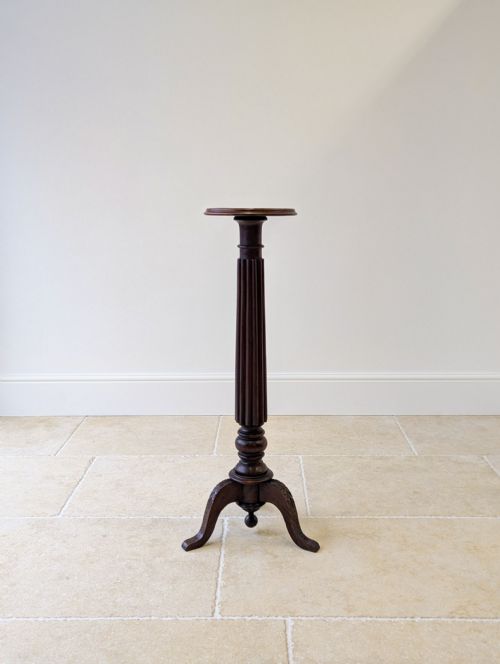
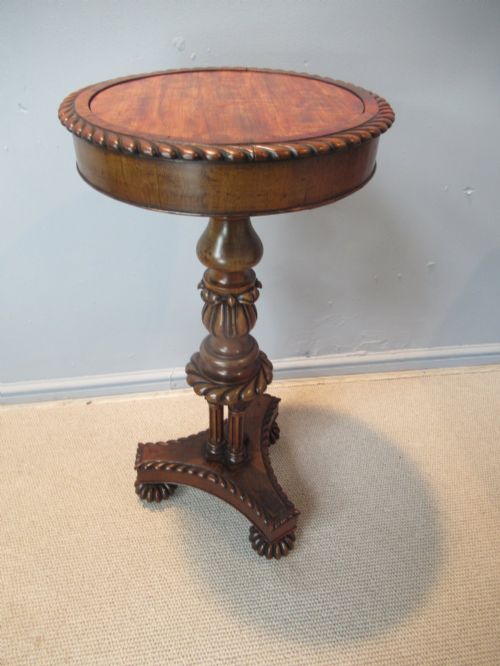
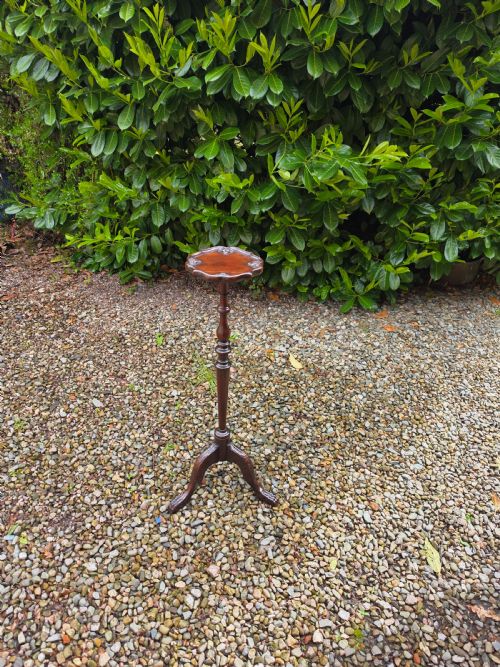
The physical forms range from slender columnar shafts and tripod bases to substantial barley twist supports and rectangular pot stands. Surviving examples demonstrate how makers adapted classical architectural orders and regional furniture styles to domestic display requirements. Consequently, a selection often includes tall torcheres alongside lower occasional tables and display plinths suited for specific display heights.
Evaluating quality and execution
Quality rests primarily in the crispness and depth of the manual carving upon the column shaft and capital, separating standard production from exceptional studio work. Superior pieces exhibit well-proportioned turning, balanced tripod stances, and dense mahogany timbers that retain deep natural chatoyancy. Lesser examples rely on simplified surface ornament and softer secondary woods hidden beneath dark finishes.
The integrity of the structural joints where the column meets the base and top platform also dictates overall standard, as heavy downward loads test these connections over time. Refined execution shows careful alignment of grain patterns and sturdy foundation weight, whereas diminished quality appears as rigid machine-cut detailing and unstable footing.
Current listings feature nineteenth-century and early twentieth-century examples, spanning Victorian, Edwardian, and Georgian revival aesthetic movements.
The Carved Mahogany Plant Pedestals Glossary
- Torchere
- A tall, slender stand originally designed to support a candle or light source, later adapted for displaying plants and decorative figures. These pieces usually feature a small circular top supported by a single carved column.
- Jardiniere
- An ornamental pot or container for plants and flowers, often placed upon a dedicated stand or pedestal. The term also describes the matching stands built specifically to hold such planters.
- Barley twist
- A spiral turning resembling the shape of a barley stalk, popular on furniture supports during the seventeenth century and revived extensively during the Victorian period.
- Tripod base
- A three-legged support structure commonly utilised on small tables and plant stands to ensure stability on uneven floor surfaces. This configuration prevents rocking by distributing weight evenly across three distinct points.
- Plinth
- A heavy rectangular or square base supporting a column, statue, or pedestal. It provides both architectural proportion and physical ballast to the upper structure.
Carved Mahogany Plant Pedestals: Frequently Asked Questions
What were carved mahogany plant pedestals used for?
These pieces functioned historically as elevated display surfaces for heavy potted plants, flower arrangements, urns, and sculptural busts within reception rooms. By raising foliage above floor level, they allowed light to reach trailing plants while adding vertical architectural interest to room corners.
Over time, owners also utilised them as occasional lamp tables or display columns for decorative porcelain and art objects. Their compact footprints made them adaptable additions to nineteenth-century domestic interior layouts.
How do I identify Victorian examples?
Victorian pieces typically feature dense mahogany timbers, substantial turned columns, and deep, hand-carved ornamentation such as acanthus leaves or rope twists. Stylistic markers often include heavy tripod bases and occasional Georgian revival motifs introduced during the later nineteenth century.
Examining the construction methods, tool marks beneath the top platform, and the natural ageing of the timber polish helps confirm the nineteenth-century manufacture date.
Are these stands stable enough for heavy plants?
Most antique stands were engineered to support heavy ceramic jardinières and stone sculptures without tipping. The heavy mahogany construction and wide tripod or plinth bases provide the necessary counterweight for substantial top loads.
Buyers should ensure the central column joint remains tight and the base sits level on the floor before placing exceptionally heavy ceramic pots upon the top surface.
How do I style these in a modern interior?
These pedestals work effectively in modern spaces as structural accents in empty corners, displaying trailing indoor foliage, art glass, or bronze sculptures. Their slender vertical profiles draw the eye upward and break up monotonous wall expanses without occupying significant floor space.
Pairing a dark mahogany torchere with contemporary minimal surroundings highlights the warmth of the timber grain and the crispness of the historical carving.