


Carved Mahogany Hall Tree
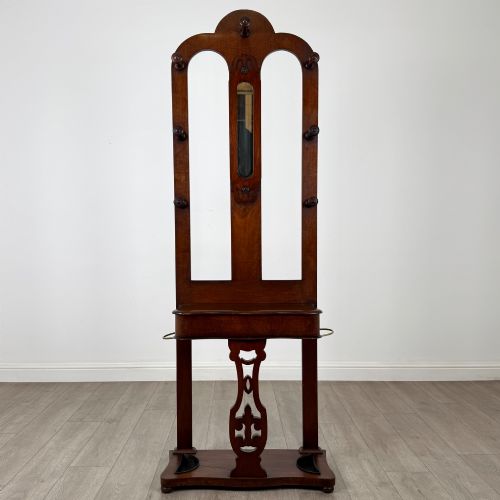
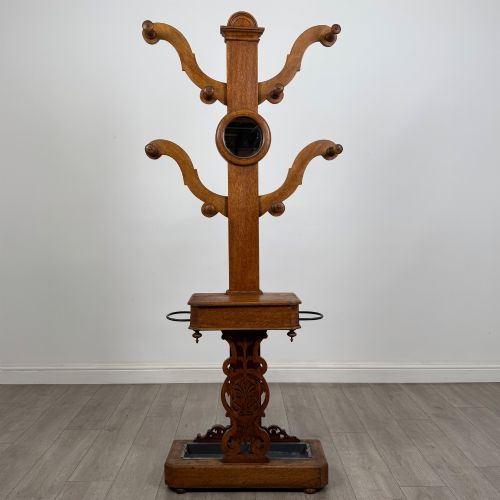
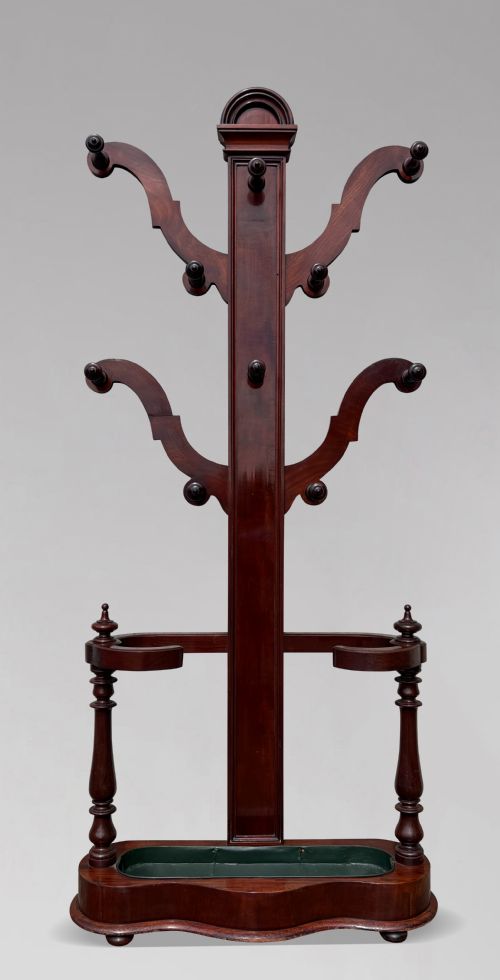
These carved mahogany hall tree pieces offer grand architectural presence for an entrance hall, combining practical coat storage with stately Victorian design.
Carved Mahogany Hall Tree
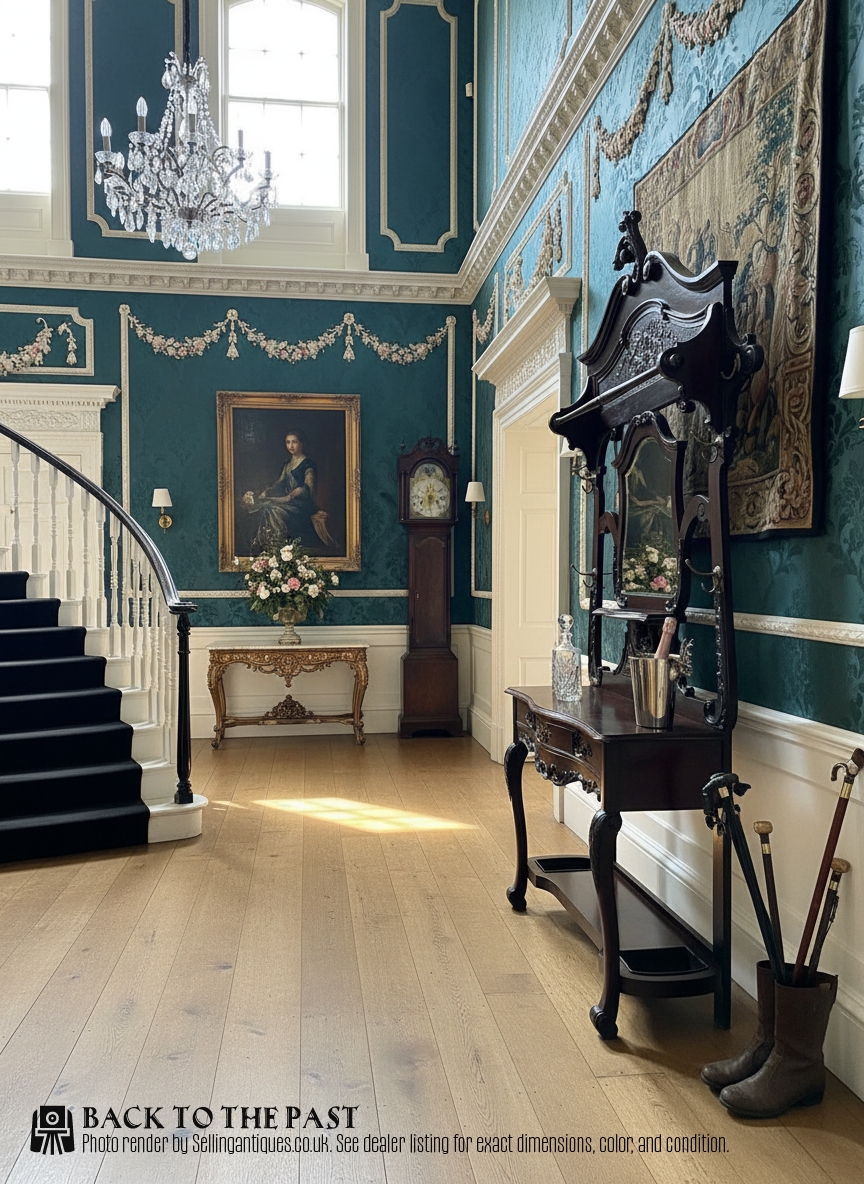
A carved mahogany hall tree stands as a substantial piece of entrance furniture designed to hold outerwear, hats, and umbrellas in domestic interiors. Most examples found on this page date from the Victorian period, though variations span the nineteenth century and into the Edwardian era.
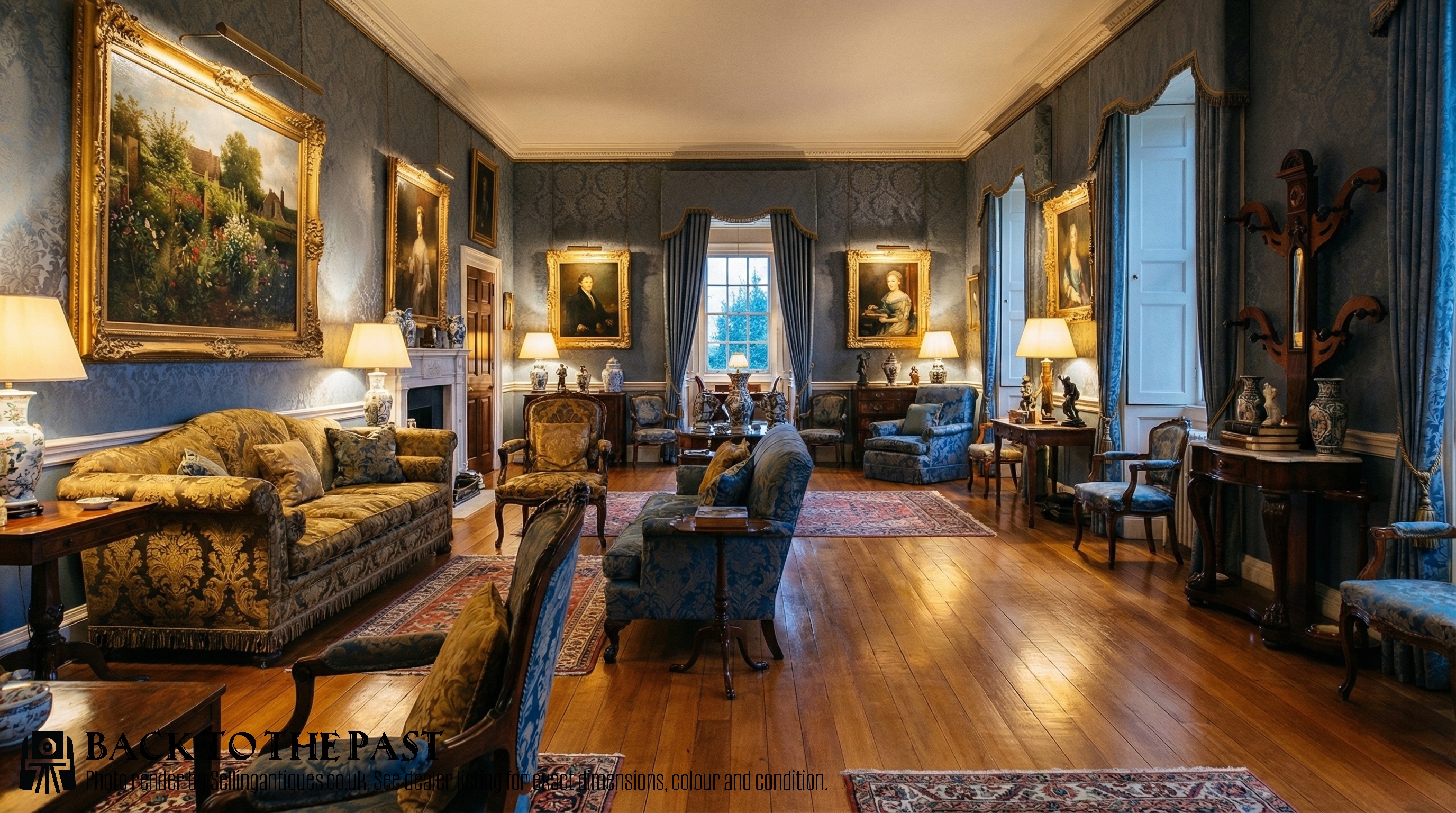
The primary forms vary from tall standing units incorporating mirrors and marble shelves to specific hat and coat stands. Many examples integrate cast iron or zinc umbrella trays at the base, alongside brass and metal hooks for daily garments.
Makers utilised rich timber framing to create imposing structures that often feature column supports and decorative carved detailing. These utilitarian items served the dual purpose of welcoming visitors and keeping hallways orderly.
Materials and construction
The primary construction relies upon solid mahogany timber, shaped through period woodworking techniques to form robust uprights and decorative crests. Carving is applied directly to the wood to provide textural depth along the architectural frame.
Functional elements integrate contrasting materials such as cast iron and zinc for drip trays, paired with brass and metal hooks for hanging coats and hats. Additionally, glass mirrors and marble shelves are frequently fitted into the central structure.
Snake hat stands slither into the hallway lineup.
Distinctions in quality
The degree of refinement in the timber carving distinguishes simpler utility pieces from more ambitious architectural designs. Deeper relief work and well-proportioned column elements indicate higher workshop skill.
The integration of fitted components, such as carved mirror surrounds and inset marble shelves, separates standard examples from more elaborate commissions. The quality of the original brass hooks and durable metal tray inserts also influences the overall standard of the piece.
The Carved Mahogany Hall Tree Glossary
- Mahogany
- A dense tropical hardwood prized for its deep reddish-brown tone and strong grain structure. It takes a high polish and forms the primary carcass of these hall furnishings.
- Hall Stand
- A tall item of hallway furniture combining coat hooks, a hat shelf, and umbrella storage. It often incorporates a central mirror and a small display shelf.
- Marble Shelf
- A smooth stone surface inset into the lower section of the stand. It provides a durable resting place for small personal items.
- Zinc Tray
- A metal liner placed at the base of the unit to catch moisture from wet umbrellas. It protects the surrounding wood from water damage.
- Victorian
- A nineteenth-century stylistic period characterised by revivalist designs and heavy timber construction. Pieces from this era often display ornate carving and functional complexity.
Carved Mahogany Hall Tree: Frequently Asked Questions
What is a hall tree used for?
A hall tree serves as a centralised station in an entranceway for hanging coats, hats, and scarves. It keeps everyday outerwear organised and accessible near the front door.
Many designs also incorporate hooks for smaller accessories and designated wells at the base for wet umbrellas.
How do I clean mahogany?
Clean mahogany surfaces with a soft, dry cloth to remove dust and prevent accumulation. Avoid using harsh chemical sprays that can strip the polished finish.
Application of natural beeswax periodically helps nourish the timber and maintain its characteristic sheen.
Are these pieces stable on carpets?
Tall wooden furniture can lean slightly on thick pile carpets due to the heavy vertical weight distribution. Placing the unit against a sturdy wall provides the necessary physical support.
Many tall stands rely on their heavy weighted bases, sometimes incorporating cast iron, to maintain an upright posture.
How do I identify a Victorian piece?
Victorian pieces typically feature deep mahogany tones, robust architectural proportions, and hand-carved decorative motifs. The integration of bevelled mirrors and marble inserts is also characteristic of this era.
Construction methods often include traditional joinery and period-specific brass hardware rather than modern fixings.