
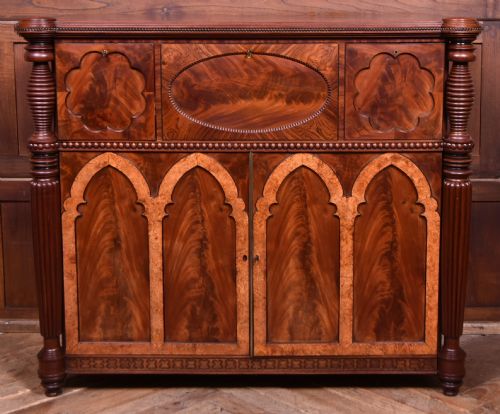
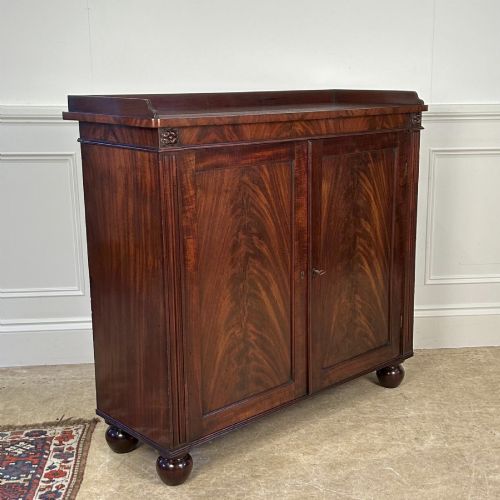
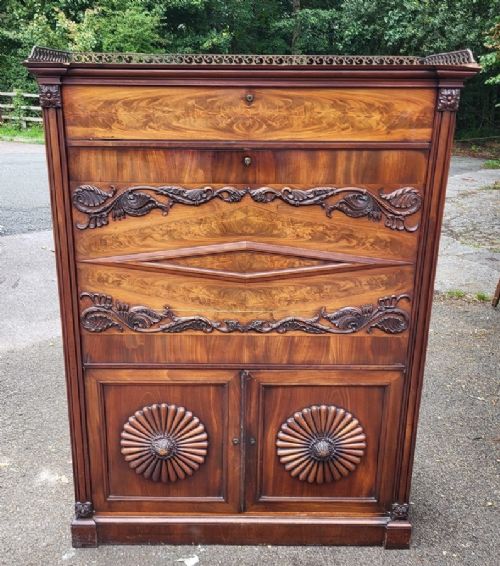
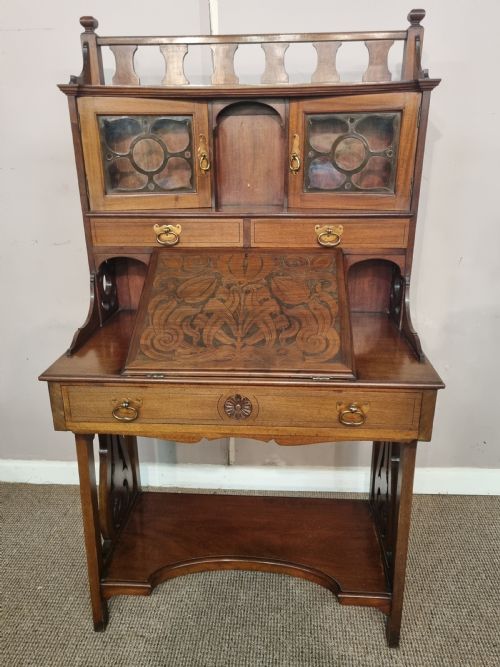
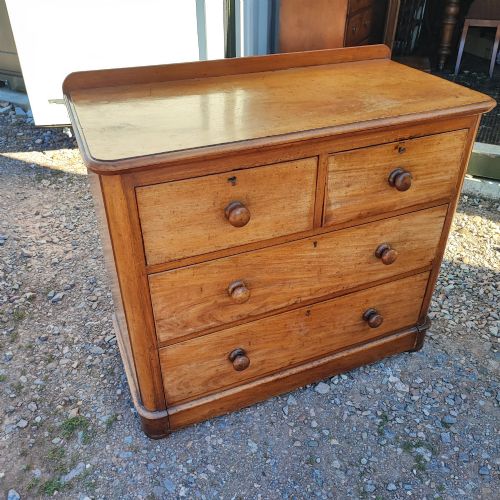


Carved Mahogany Bureau Cabinet
A carved mahogany bureau cabinet combines a writing desk with a glazed bookcase, offering practical workspace and refined storage for the home.
Carved Mahogany Bureau Cabinet
A carved mahogany bureau cabinet brings together a fall-front writing surface, pigeonholes, and upper shelving enclosed by glass doors. These pieces serve as functional workstations and formal display furniture in domestic settings.
Surviving examples span multiple design periods, appearing in Georgian, Regency, and Victorian formats. The most prevalent versions on this page combine mahogany timber with fitted writing compartments and upper bookcase sections.
Makers adapted these forms across centuries, producing tall bureau bookcases as well as smaller dwarf cabinets and secretaire chiffoniers. Each variation maintains the core dual purpose of enclosed storage and a fold-down writing desk.
Assessing Quality and Execution
The sophistication of the carved ornamentation and the choice of flame mahogany veneer determine the aesthetic standing of a piece. Superior examples exhibit precise hand-carving and well-matched grain patterns across all visible surfaces.
Internal drawer construction, dovetail joints, and the original operation of writing slides reveal the standard of workshop execution. Fully fitted interiors with secret compartments and intact brass fittings elevate the overall interest.
Proportion and scale separate standard regional furniture from pieces produced by prominent cabinet-making firms. Harmonious dimensions and balanced glazing bars indicate careful design at the time of manufacture.
Several desks conceal secret compartments behind dummy drawer fronts, built for owners who preferred to keep their private papers truly confidential.
Gillows·Edwards and Roberts·Gregory and Co
The Carved Mahogany Bureau Cabinet Glossary
- Secretaire
- A piece of furniture containing a drawer or compartment that drops down to form a writing surface. This mechanism conceals small drawers and pigeonholes inside.
- Bureau bookcase
- A combination of a sloping-front desk or secretaire cabinet with a glazed bookcase superstructure. It provides both writing facilities and display storage.
- Flame mahogany
- A veneer cut from the fork of the mahogany tree where the branch meets the trunk. This method produces a distinctive flickering flame-like pattern.
- Marquetry
- The art of applying decorative pieces of veneer to a structure to form intricate designs. Craftsmen used various tinted woods to create pictorial motifs.
- Glazing bars
- The wooden strips that hold individual panes of glass within a cabinet door. Their thickness and profile help indicate the period of manufacture.
Carved Mahogany Bureau Cabinet: Frequently Asked Questions
What is a secretaire abattant?
A secretaire abattant is a tall upright cabinet featuring a vertical fall-front panel that folds down for writing. This vertical format originated in France and offers significant storage within a compact footprint.
Inside, the drop-front reveals an arrangement of small drawers and pigeonholes for correspondence. The upper and lower sections typically contain enclosed shelving or additional drawers.
How do I identify a Georgian bureau bookcase?
Georgian pieces display architectural proportions, often featuring classical pediments, astragal glazing bars, and bracket feet. The timber used in these 18th-century examples is typically dense, rich brown mahogany.
Interior fittings in Georgian desks frequently include secret compartments concealed behind sliding panels or dummy drawers. The overall construction relies on hand-cut dovetails and solid timber carcases.
Where were these cabinets placed in a historic home?
These cabinets served primarily in libraries, studies, and formal reception rooms where household accounts and correspondence were managed. Their dual function allowed owners to write letters and store reference books in one location.
In grander houses, they stood against main salon walls to display leather-bound volumes behind glass doors. Smaller variants later found places in private bedrooms and morning rooms.
What distinguishes Victorian styles here?
Victorian examples incorporate diverse design revivals, ranging from Gothic Revival details to heavy carved walnut and mahogany surfaces. Cylinder roll-top mechanisms and elaborate marquetry became more common during the later 19th century.
Proportions often grew bolder, and workshops integrated alternative woods such as rosewood alongside traditional mahogany. The introduction of mass-produced hardware also altered internal locking systems.