
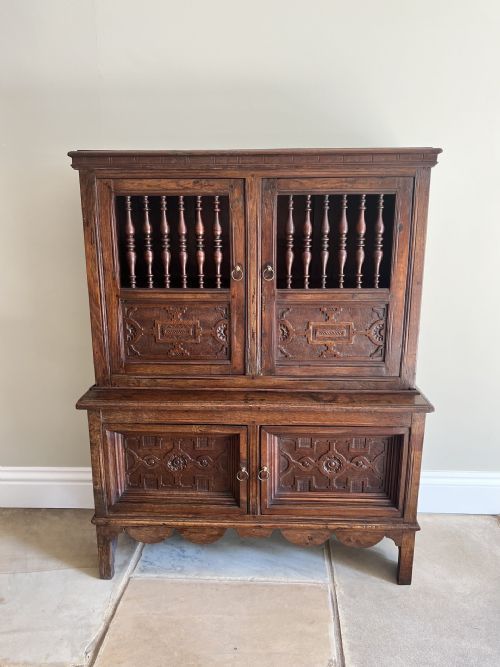

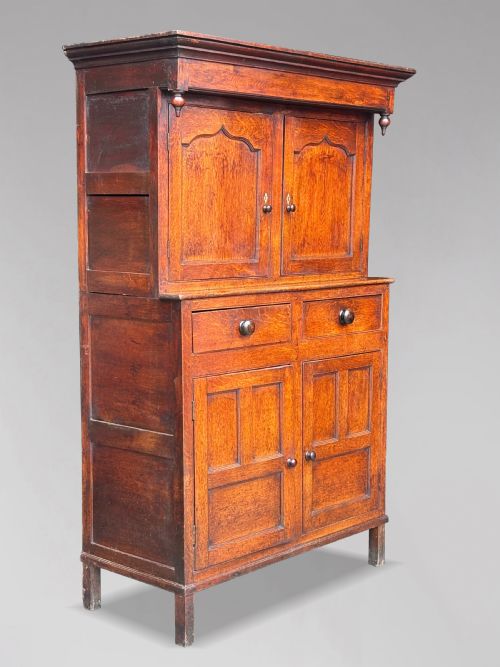
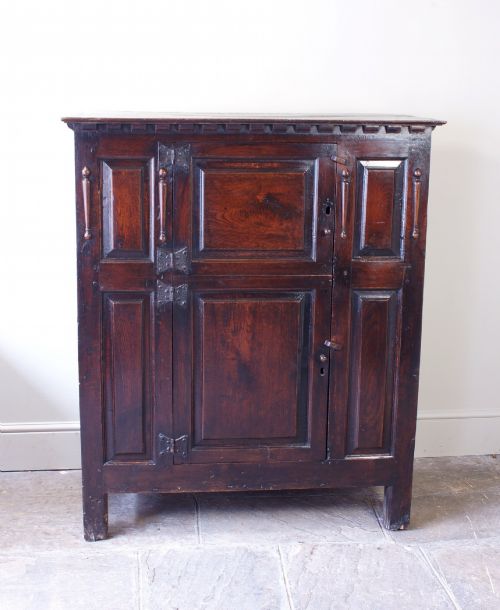


Carved Livery Cupboard
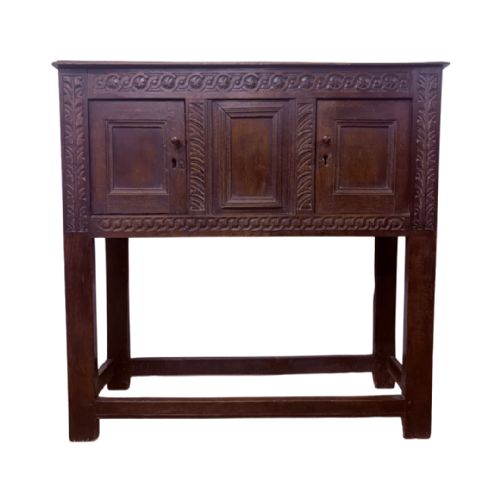
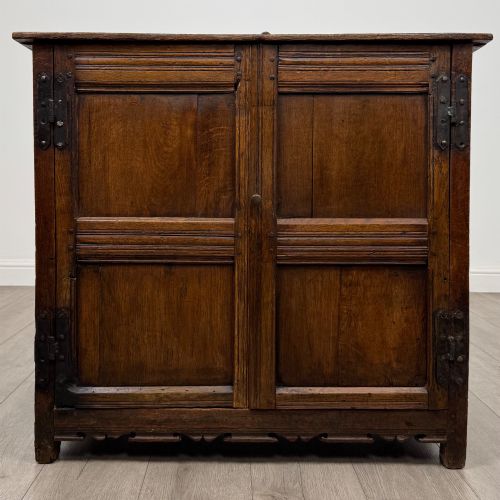
A carved livery cupboard is a heavy timber storage piece designed to hold food or household provisions, offering sturdy joinery and deep relief carving.
Carved Livery Cupboard
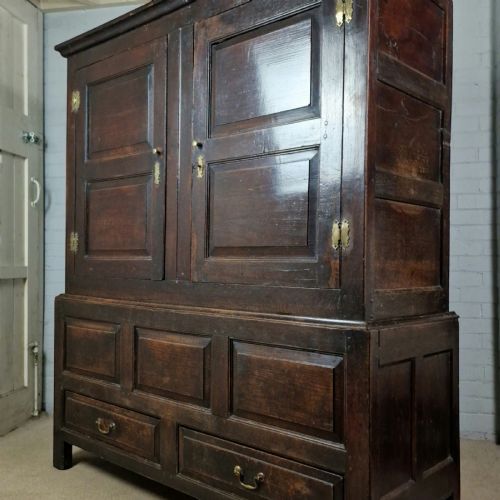
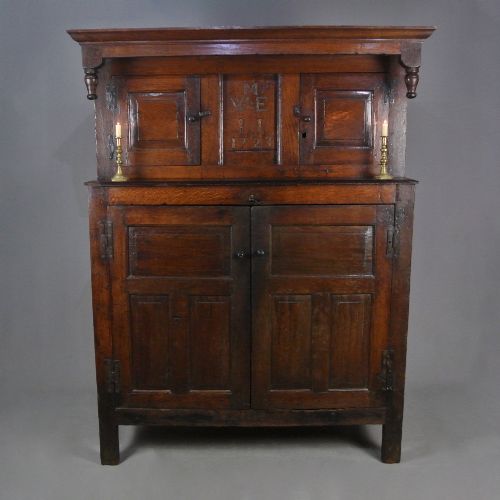
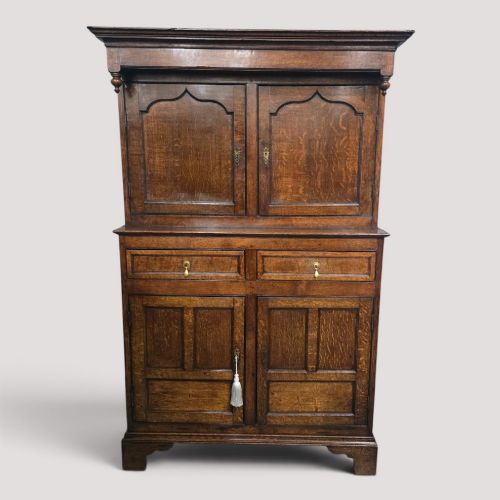
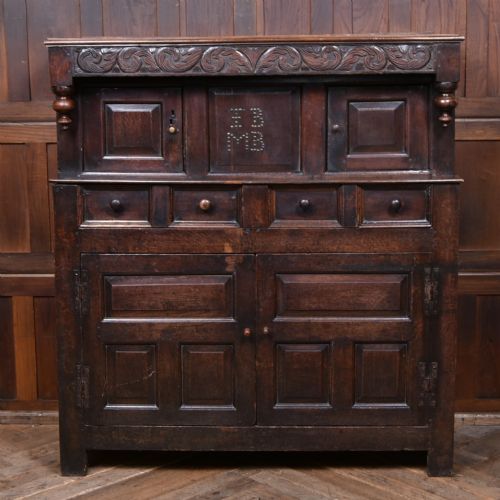
A carved livery cupboard represents a robust form of domestic storage originating primarily in the seventeenth and eighteenth centuries. These items appear frequently in forms such as court cupboards, press cupboards, food cupboards, and hanging wall cabinets.
The material foundation across these examples rests heavily on English oak, joined together using traditional framing methods. Pieces span various eras including the Jacobean, Charles II, and Georgian periods, alongside later Victorian interpretations.
Buyers encounter regional variations, such as Welsh cupboards or deuddarn formats, which provide distinct proportions and layout arrangements. The primary function involves storing provisions, linens, or household goods within heavily panelled timber doors.
What varies in quality
The standard of carving determines much of the distinction between pieces, with crisp, deep figural or geometric chisel work representing superior craftsmanship. The integrity of the original oak frame, minimal timber replacement, and the retention of period ironwork elevate the standing of a cupboard.
Proportion and scale also affect desirability, as smaller cottage sizes or balanced court cupboard proportions are prized for domestic placement. The presence of contemporary dates, inscriptions, or well-preserved fruitwood inlay adds specific distinction to individual examples.
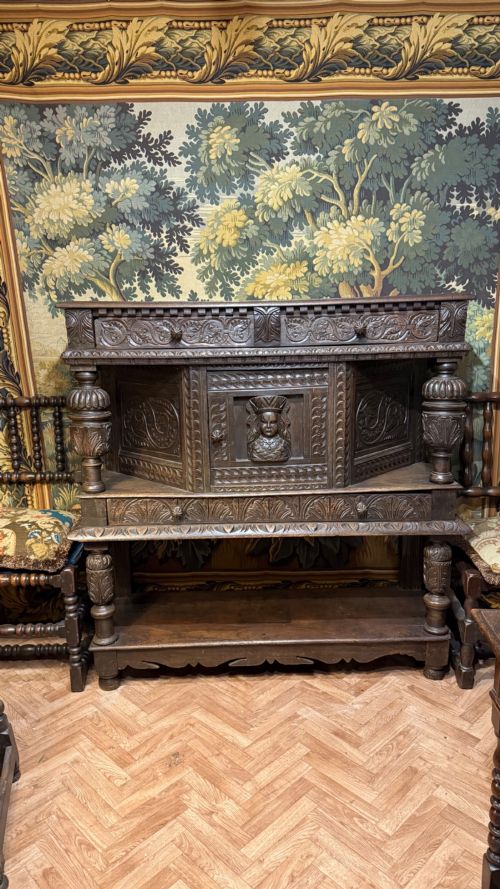
Some early storage pieces retain carved cherubim and figural motifs watching silently over the daily rations.
The Carved Livery Cupboard Glossary
- Livery cupboard
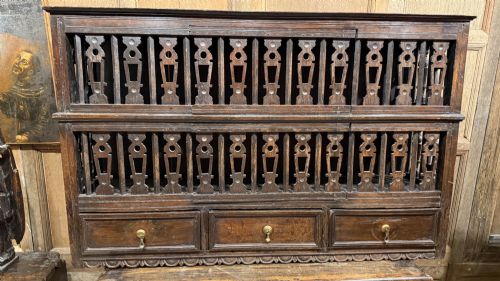
- A traditional storage cabinet used for keeping rations, food, or candles, often ventilated through turned spindles or pierced panels.
- Court cupboard
- A two-tier sideboard or cabinet featuring an enclosed upper section supported by heavy columns or carved posts above a lower storage base.
- Joined oak
- Furniture constructed using mortise and tenon joints pegged together with wooden dowels rather than metal nails.
- Deuddarn
- A traditional Welsh two-section cupboard featuring recessed upper compartments and enclosed lower storage.
- Fruitwood inlay
- Contrasting lighter wood sections inserted flush into the oak surface to form decorative borders or motifs.
Carved Livery Cupboard: Frequently Asked Questions
What is a carved livery cupboard?
A carved livery cupboard is a solid timber storage piece built to hold food or household goods, featuring panelled doors and carved ornamentation.
Most examples date from the seventeenth and eighteenth centuries, constructed primarily from English oak using traditional joined framework.
How were carved livery cupboards used?
These cupboards served to store provisions, rations, and household linens safely away from pests and dampness in early homes.
Upper sections often held food or utensils, while lower compartments accommodated larger vessels or textiles.
How do I live with a carved livery cupboard?
Living with these pieces involves placing them away from direct heat sources and sudden humidity changes to protect the old oak timber.
Their substantial depth and sturdy construction make them practical for modern storage while anchoring a room with historic character.
How can I tell seventeenth-century cupboards apart from later ones?
Seventeenth-century pieces typically display pegged mortise and tenon joinery, heavily carved strapwork, and the distinctive grain of English oak.
Later eighteenth-century and Victorian interpretations often show modified proportions, softer carving styles, or the influence of Georgian design.