





Antique Carved Bread Cabinet
An antique carved bread cabinet brings centuries of tactile grain and domestic history straight into a room.
Antique Carved Bread Cabinet
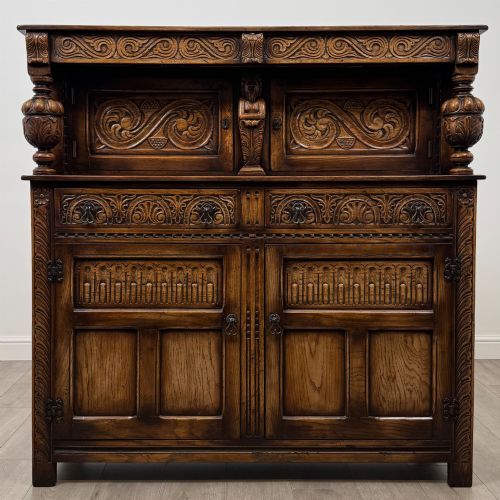
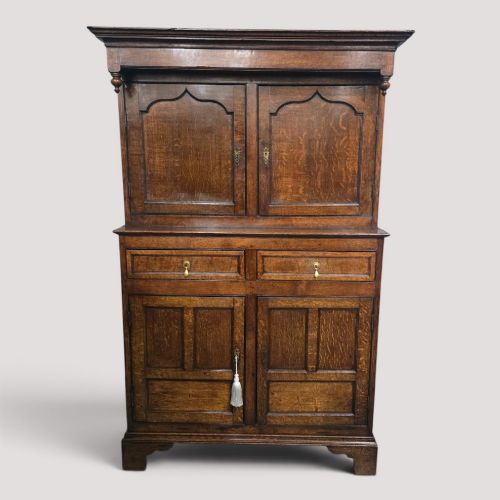
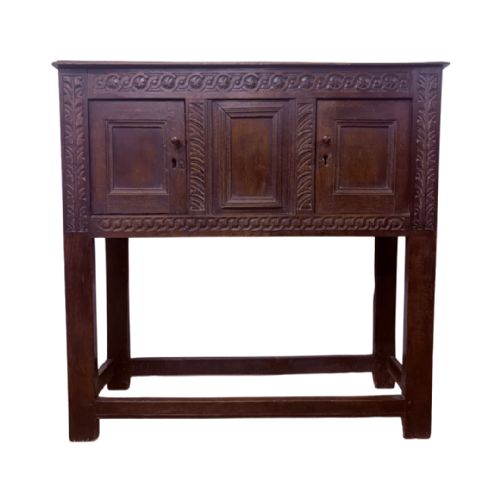
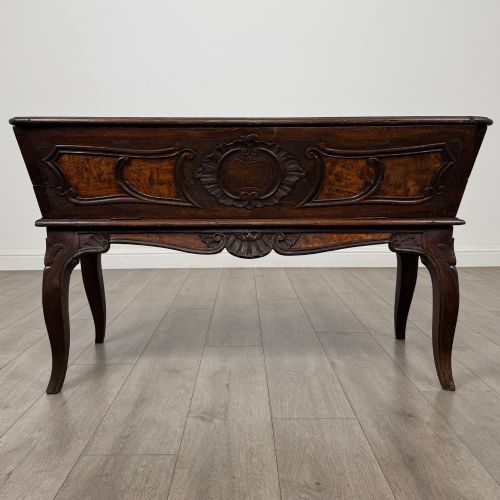
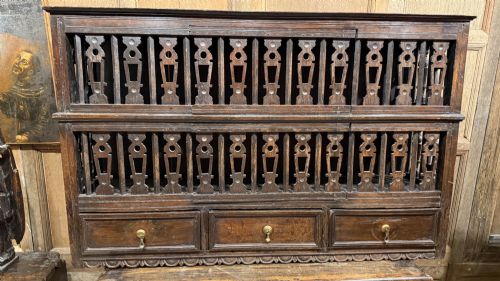
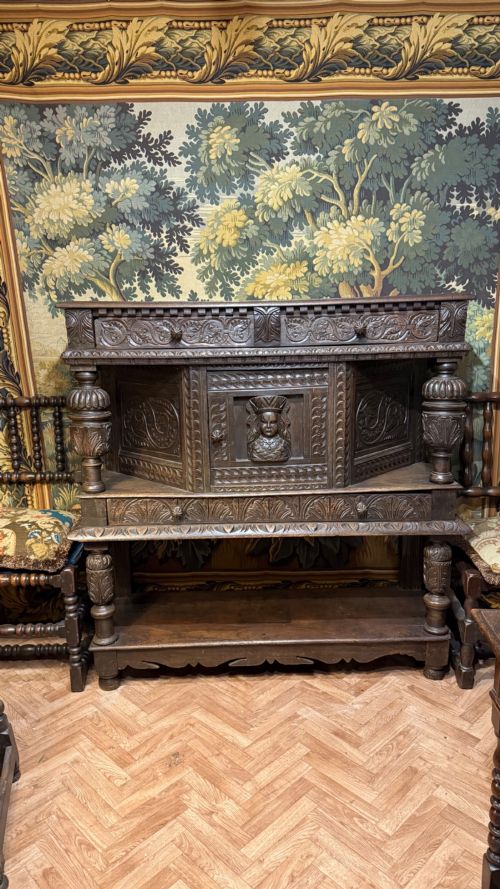
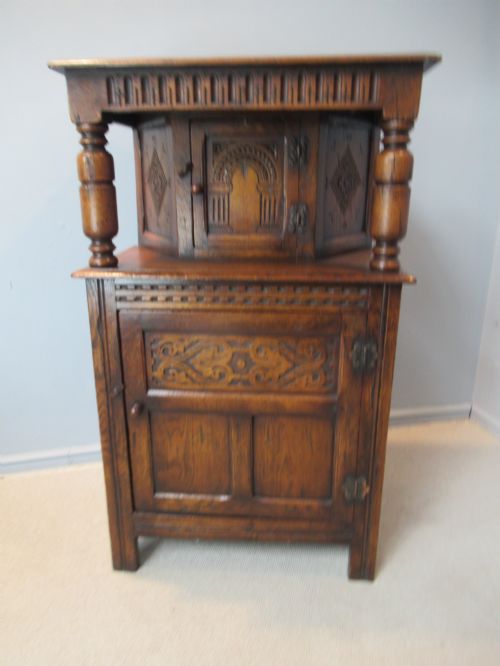
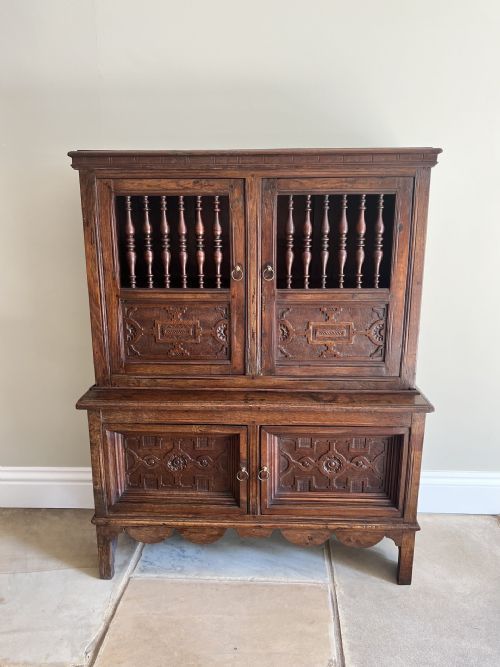
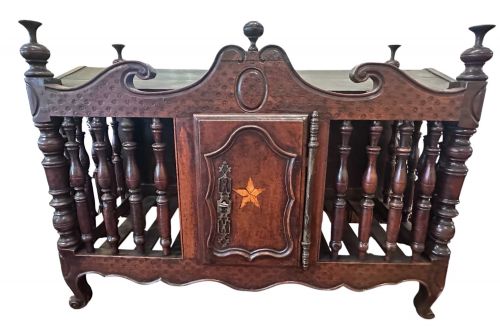
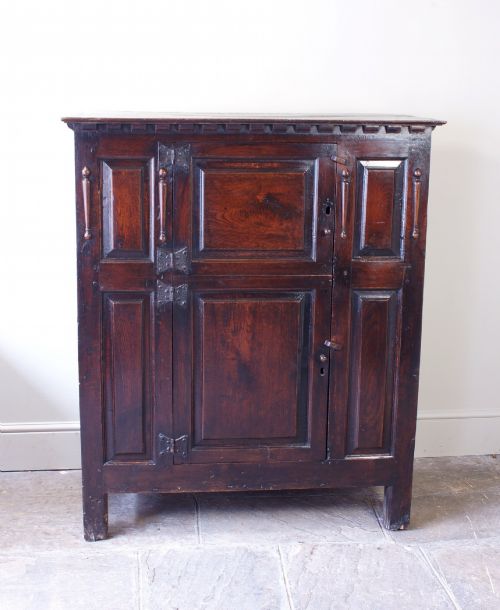
An antique carved bread cabinet encompasses robust storage forms including court cupboards, livery cupboards, dough bins and French panetières. Buyers searching this phrase meet substantial English oak examples from the seventeenth, eighteenth and nineteenth centuries alongside French walnut and fruitwood bread cages.
The English tradition leans towards heavy court cupboards and press cupboards featuring elaborate carved panelling and joined construction. Meanwhile, the French counterparts showcase turned finials, serpentine fronts and ventilated spindles designed specifically for storing loaves.
Quality and Distinction
Excellence rests on the crispness of the hand-carved detail and the integrity of the timber. Pieces retaining original blacksmith-made locks and hinges command deeper appreciation than those altered over generations.
Proportion and scale also dictate distinction, with smaller miniature furniture and diminutive wall cabinets requiring exceptional joinery skill. The depth of the timber's patina and the weight of the joined frame set superior examples apart.
Original blacksmith locks ensure that medieval bread thieves faced proper medieval security.
The Antique Carved Bread Cabinet Glossary
- Panetiere
- A traditional French freestanding or wall-mounted bread cabinet featuring spindle-turned sides for ventilation. This form kept loaves safe from household pests while allowing them to breathe.
- Court Cupboard
- A sturdy English storage piece originating in the medieval and Renaissance periods, often featuring an upper enclosed section supported by carved pillars. It served both to display plate and store provisions.
- Livery Cupboard
- A small storage cabinet used originally for rations and food service before nightfall. These pieces often featured pierced or louvred doors for air circulation.
- Deuddarn
- A traditional Welsh two-tier oak cupboard used for domestic storage. They display regional carving patterns distinct from English equivalents.
- Joined Oak
- Furniture constructed using mortise and tenon joints secured with wooden pegs. This method formed the structural skeleton of seventeenth-century case pieces.
Antique Carved Bread Cabinet: Frequently Asked Questions
What is a bread cabinet?
A bread cabinet is a traditional piece of furniture designed to store and preserve loaves of bread. French examples often took the form of panetières with ventilated spindles.
English variants included wall-mounted livery cupboards and larger court cupboards used in domestic kitchens and halls.
How do I date an oak cupboard?
Dating relies on examining the construction methods, tool marks, and style of carving. Seventeenth-century examples typically feature joined oak framing and heavy peg construction.
Later nineteenth and twentieth-century revivals often incorporate machine-cut elements and softer secondary woods.
Can I use these cabinets daily?
These cabinets adapt easily to modern living for storing tableware, linens, or dry goods. Their sturdy timber construction handles everyday placement in dining rooms or kitchens.
Care should be taken to maintain stable humidity levels to protect the antique wood.