

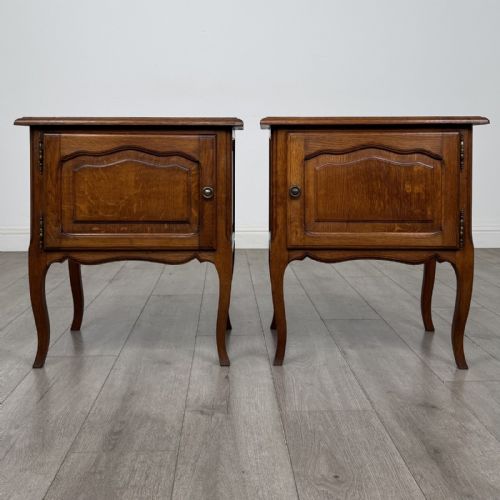
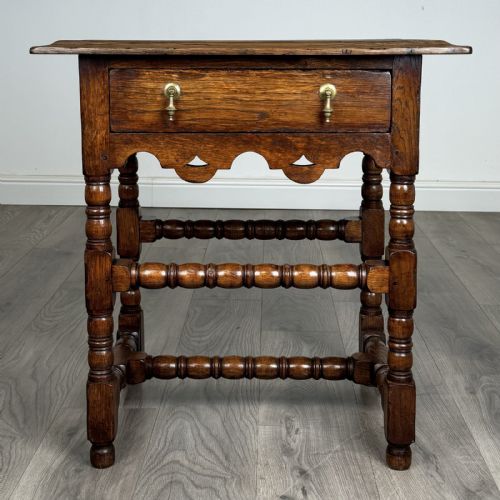

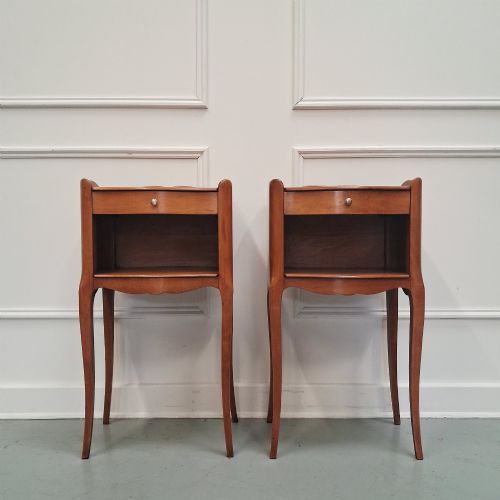
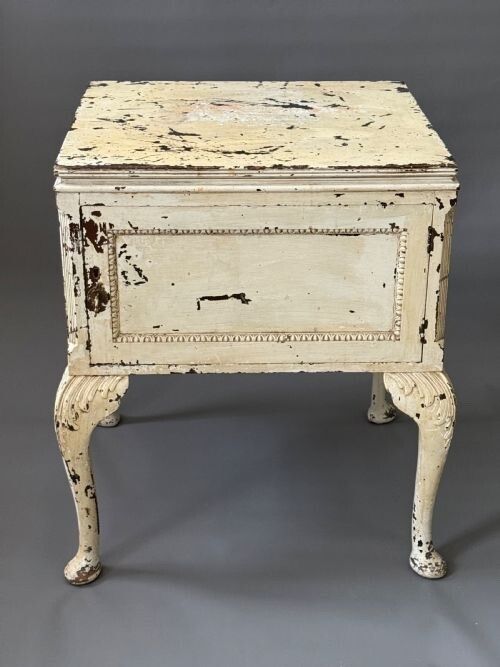


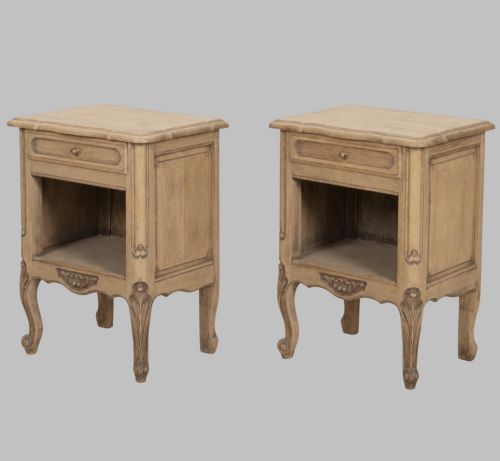
Carved Leg Nightstand
A carved leg nightstand brings practical bedside storage together with period timber and detailed legwork.
Carved Leg Nightstand
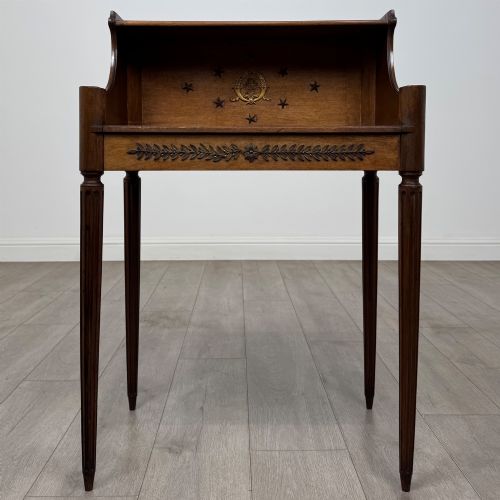
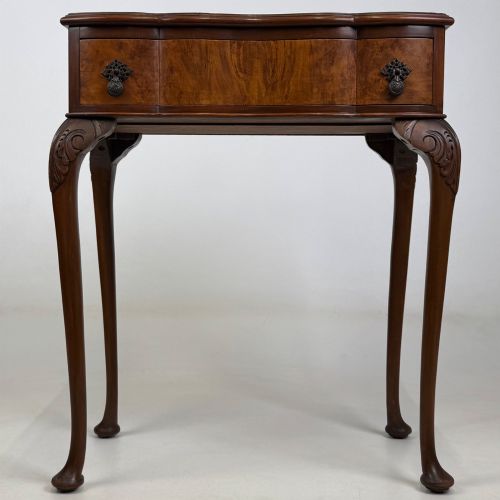
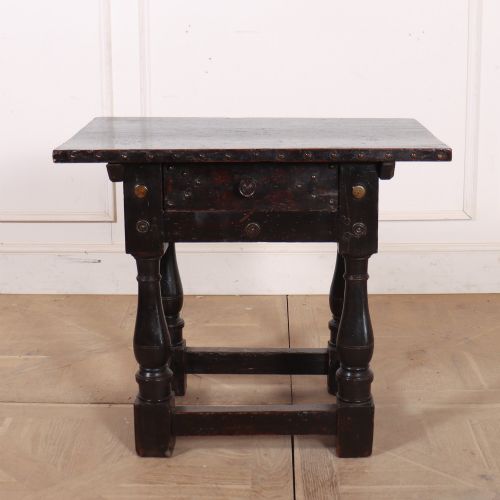
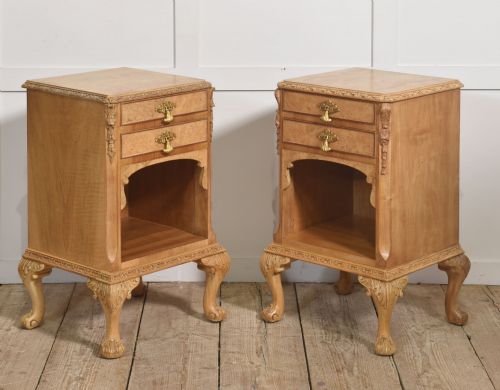
A carved leg nightstand is a compact bedside table or cabinet designed to sit beside a bed, featuring legs shaped with turnings or carving. These pieces appear in forms such as bedside cabinets, side tables, and pot cupboards, spanning periods from the eighteenth century through the Edwardian era and the nineteen-twenties.
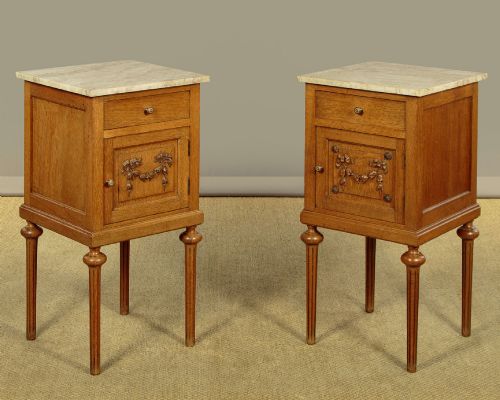
The materials you encounter most often on this page include walnut, oak, and mahogany, sometimes paired with marble tops or brass galleries. Surviving examples reflect styles ranging from French Provincial and Queen Anne Revival to Jacobean Revival and Chippendale style.
Makers and workshops across Britain, France, and Italy produced these tables to serve domestic bedrooms. You will find single tables alongside matched pairs, offering enclosed cupboard space or open shelf surfaces.
How they were made
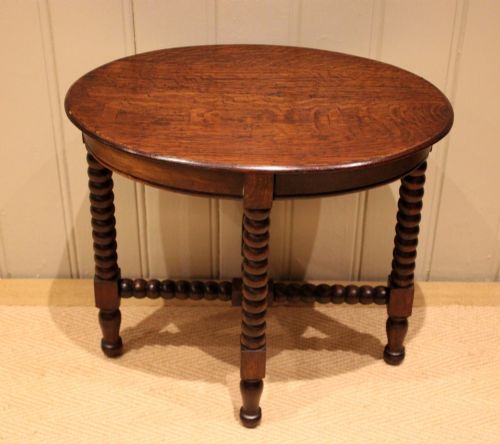
Cabinetmakers utilised solid timbers and veneers such as burr walnut, oak, and mahogany, shaping carcases with traditional joinery. Turned or carved leg supports, including cabriole and barley twist designs, provide the structural foundation for the tables.
Surfaces frequently feature marble inserts or brass galleries, while hardware such as handles and hinges utilise brass or metal. Timber finishes rely on polish or bleaching to highlight the natural grain of the wood.
Carved Leg Nightstand Retail Price Guide 2026
Typical asking prices for carved leg nightstand among the pieces listed under this phrase on Sellingantiques today, from the lower quarter to the upper quarter. They describe what is for sale here now, not the wider market.
Some nineteenth-century tables come with hidden compartments designed for keeping midnight snacks safe from household mice.
What varies in quality
Quality rests on the selection of timber and the crispness of the leg carving or turning. Finely figured burr walnut and carefully matched grain patterns separate superior cabinets from simpler utilitarian pieces.
The integrity of the construction, from flush-fitting doors to the stability of marble tops, determines the enduring standard of the piece. Subtle details, such as inlaid stringing or original brass hardware, elevate a table above standard production.
The Carved Leg Nightstand Glossary
- Cabriole leg
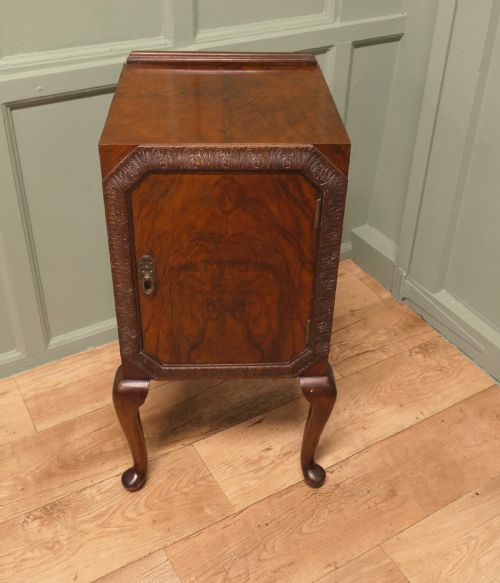
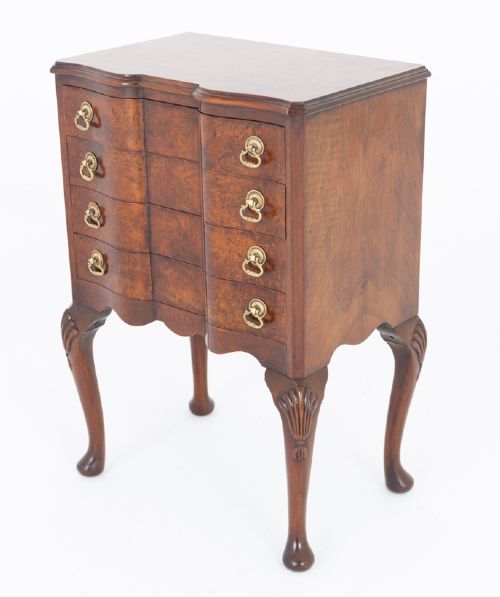
- A furniture leg that curves out and then in, mimicking an animal's leg. This form appears frequently on walnut and mahogany pieces from the eighteenth century onwards.
- Barley twist
- A spiral turning carved into furniture legs and uprights. This decorative technique creates a dynamic play of light and shadow along the wood.
- Marble top
- A stone slab fitted to the upper surface of a bedside cabinet. This provides a durable, heat-resistant shelf often seen on French and Italian pieces.
- Pot cupboard
- A small bedside cabinet originally designed to house a chamber pot. These enclosed pieces usually feature a single door and sometimes an interior shelf.
- Gallery
- A low raised rail fitted around the top edge of a table or cabinet. It prevents items from rolling off the surface.
Carved Leg Nightstand: Frequently Asked Questions
What is a carved leg nightstand?
A carved leg nightstand is a small bedside table or cabinet featuring decorative turned or carved legs. They provide surface space and enclosed storage next to a bed.
These pieces span multiple decades and regions, incorporating timber frames and stylistic details such as cabriole or barley twist supports.
How were these tables used originally?
These cabinets served in bedrooms to hold lighting, personal items, and chamber pots behind closed doors. Their compact footprint placed necessities within arm's reach of the bed.
Over time, their roles evolved from utilitarian bedroom furniture into decorative accents that suit modern living spaces.
How do I care for a wood and marble nightstand?
Protect wooden surfaces from moisture by using coasters and dusting with a soft, dry cloth. Avoid placing timber pieces in direct sunlight or near heat sources to prevent warping.
Clean marble inserts gently with mild soap and water, avoiding acidic cleaners that can etch the stone surface.
How do I identify Edwardian bedside tables?
Edwardian bedside tables typically date from the early twentieth century and often utilise walnut or mahogany. They frequently incorporate Revival styles such as Chippendale or Queen Anne.
Look for construction methods, hardware styles, and timber treatments characteristic of the period to confirm their approximate age.