
Carved Leg Dining Chairs
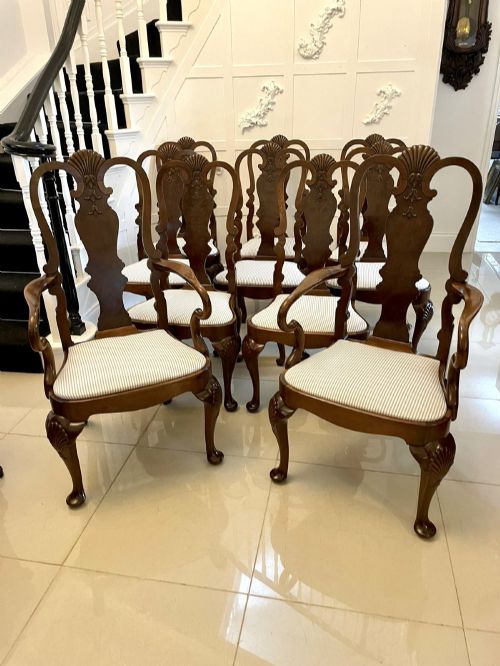
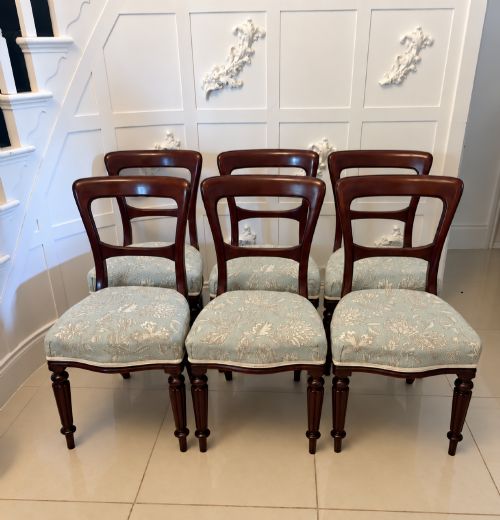
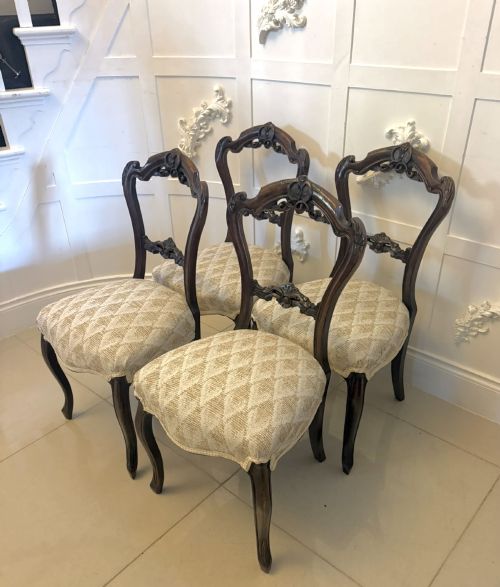
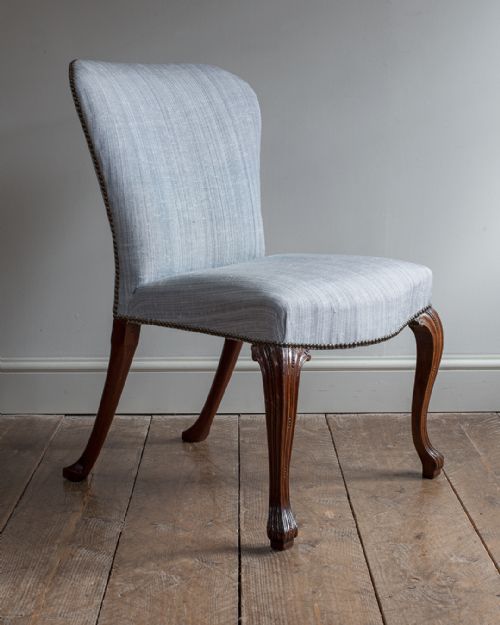
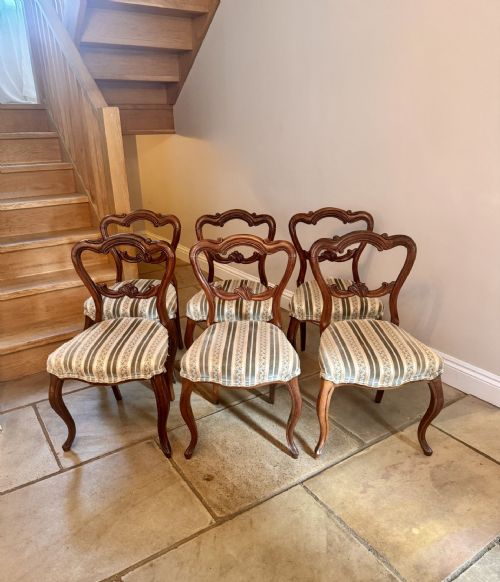
These carved leg dining chairs bring substantial timber frames and detailed craftsmanship straight to the dining room.
Carved Leg Dining Chairs
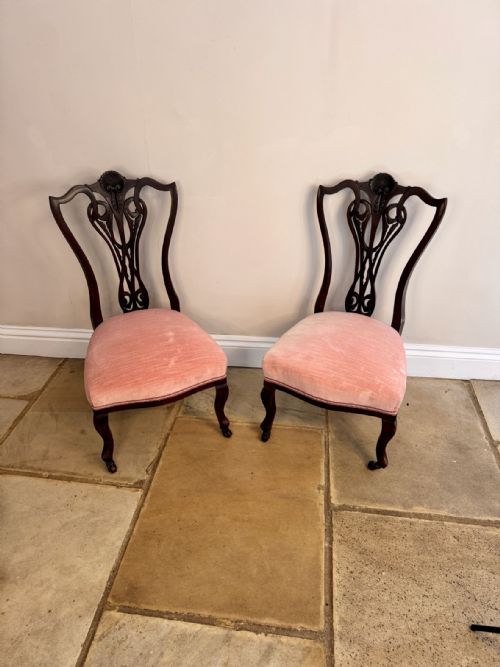
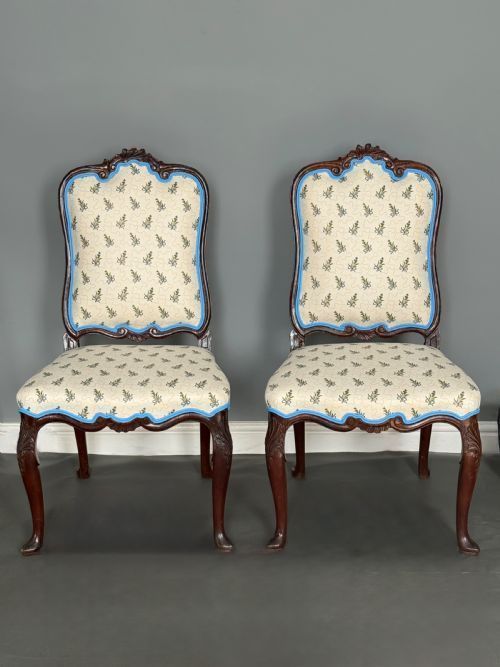
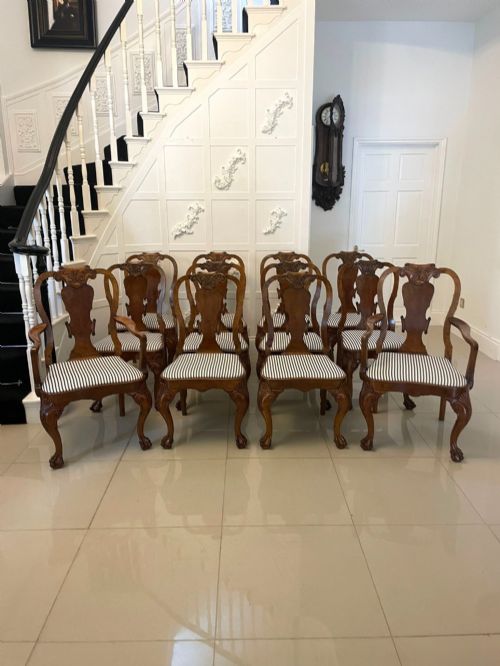
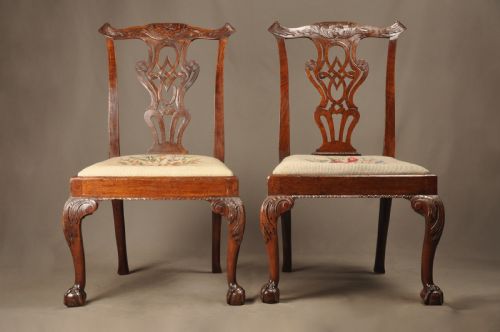
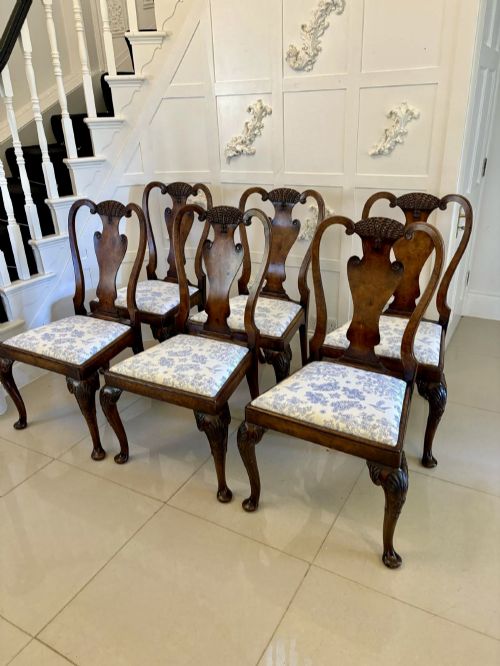
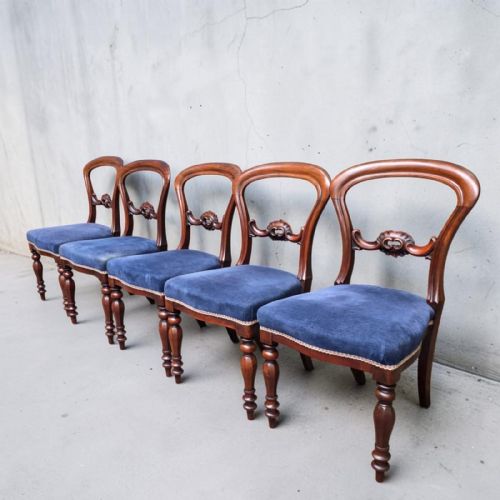
Carved leg dining chairs span multiple centuries, ranging from eighteenth-century oak and mahogany examples to nineteenth-century Victorian walnut and William IV designs. These seats include both single side chairs and larger matching sets designed to anchor formal dining tables.
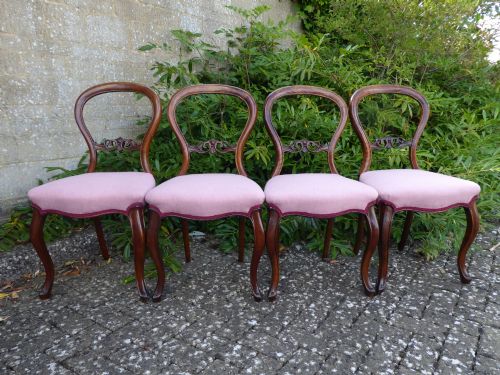
The selection on this page leans heavily toward nineteenth-century Victorian and Regency forms, alongside earlier eighteenth-century pieces and later Edwardian reproductions. Buyers regularly encounter mahogany and walnut frames finished with detailed carved woodwork upon the legs and backs.
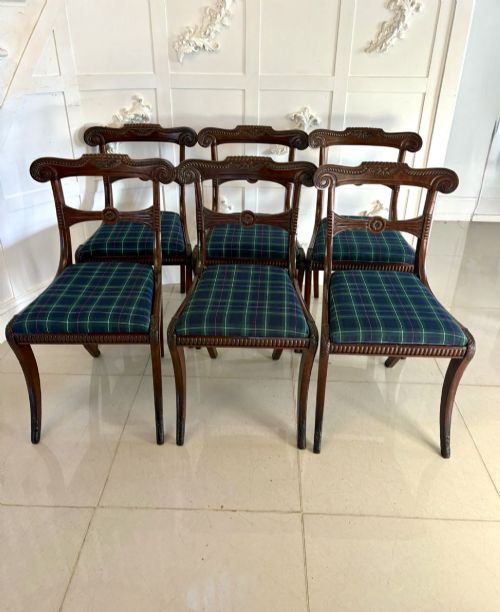
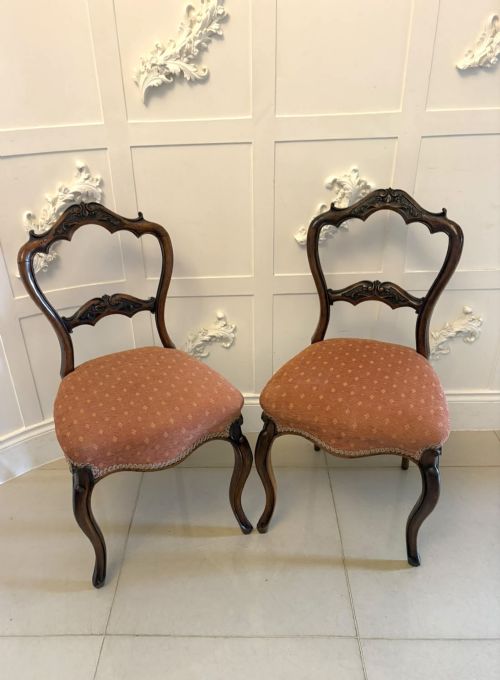
Alongside standard dining sets, the listings encompass specific variations such as bar back, balloon back, and wheel back chairs, accompanied by open armchairs and library seats. Most examples rely on timber frames paired with traditional fabric, velvet, or leather upholstery.
How they were made
Cabinetmakers constructed these frames using dense hardwoods like mahogany, walnut, and oak, often securing joints with traditional timber joinery rather than modern fasteners. Selected pieces incorporate decorative elements such as brass inlay, hand-carved splats, and turned or reeded forelegs.
Upholstered sections utilise traditional stuffing materials covered in textiles, velvet, fabric, or leather, secured directly to overstuffed or drop-in seat frames. Surface finishes rely on hand-applied polishes that highlight the natural grain patterns of the underlying timber.
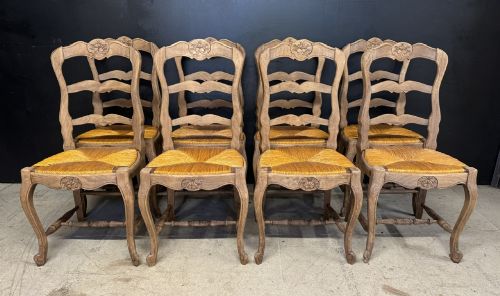
Several kitchen chairs arrive disguised with wheel backs and Windsor forms, proving that even rural cooking spaces demanded proper turned spindles.
What varies in quality
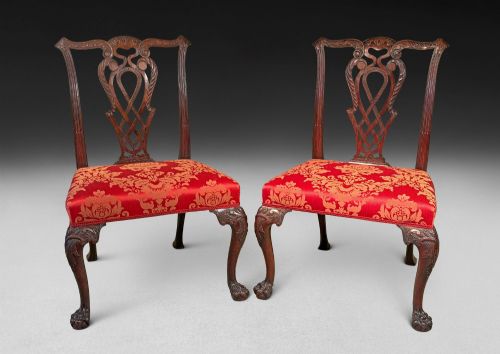
Depth and crispness of the hand-carving upon the legs and back splats separate standard utility seating from high-end cabinetmaker output. Crisp lines and deep relief work indicate skilled hands working with superior timber blanks.
The integrity of the underlying wood frame and the retention of matching sets dictate desirability among collectors. Original timber patination and intact structural joinery command greater attention than heavily restored or mismatched groupings.
Charles Tozer·Warings·Gillows
The Carved Leg Dining Chairs Glossary
- Cabriole leg
- A furniture leg that curves outward at the knee and tapers inward toward the ankle, often finishing in a pad or claw foot. This form draws inspiration from animal limbs and appears frequently on eighteenth-century and revival seating.
- Bar back
- A chair design featuring a horizontal wooden top rail or crossbar across the backrest, sometimes carved or reeded. This style gained widespread popularity during the Regency and William IV periods.
- Balloon back
- A rounded, oval-shaped upholstered backrest resembling the silhouette of a balloon. This form defines a large proportion of mid-nineteenth-century Victorian dining chairs.
- Sabre leg
- A concave sweeping leg that flares outward toward the floor, resembling a cavalry sabre. Master craftsmen utilised this shape extensively on Regency dining and library chairs.
- Overstuffed seat
- An upholstered chair seat where the padding covers the wooden frame rails completely, hiding the structural woodwork from view. This technique provides a softer edge and a more generous seating surface.
Carved Leg Dining Chairs: Frequently Asked Questions
How do I spot a matched set?
Examine the timber grain, colour, and exact carving details across all chairs in the group rather than relying solely on overall appearance. Individual chairs manufactured by hand often show subtle variations unless produced as a single cohesive commission.
Check underneath the seat rails for maker stamps, tally marks, or consistent numbering systems applied by the workshop. Replacement chairs introduced later to expand a set usually display minor discrepancies in height or timber selection.
Can I use these chairs daily?
Solid hardwood frames built with traditional joinery withstand regular daily use provided the joints remain tight and secure. Periodic inspection of the structural frame prevents minor looseness from developing into major timber damage.
Upholstery webbing and stuffing may require professional renewal if the seating foundation sags over time. Preserving the original show-wood frames ensures these pieces function reliably in modern dining environments.
How do I care for antique timber?
Maintain finished hardwood surfaces by dusting with a dry, soft cloth and avoiding silicone-based polishes that degrade historic finishes. Natural wax applications help nourish dry timber when applied sparingly.
Position dining chairs away from direct heat sources and strong sunlight to prevent the timber from splitting and the upholstery fabrics from fading.