

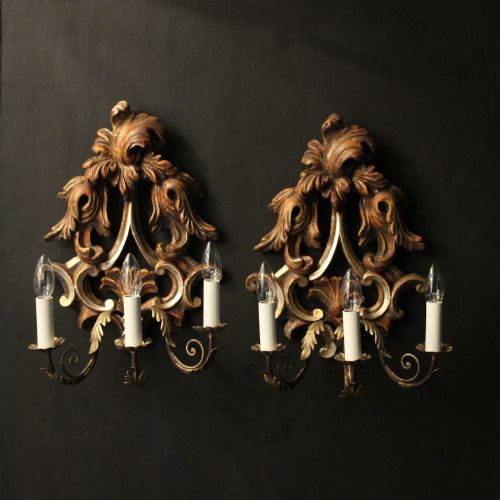
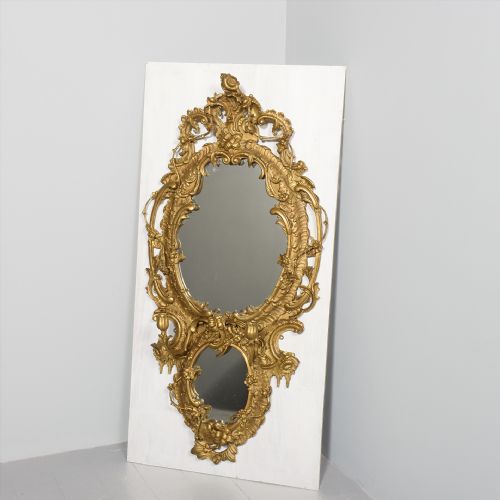
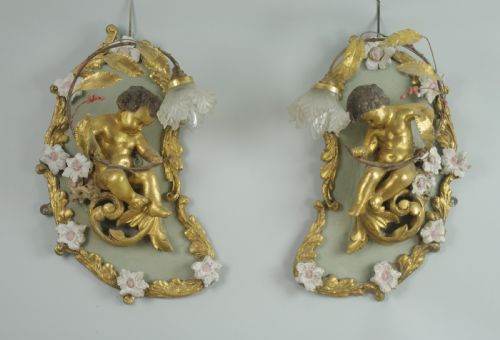
Carved Leaf Wall Sconces
Carved leaf wall sconces bring sculptural depth and warm illumination to an interior, channelling centuries of European design into a single focal point.
Carved Leaf Wall Sconces
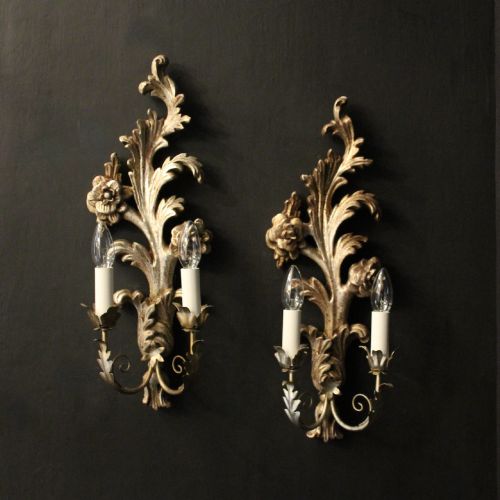
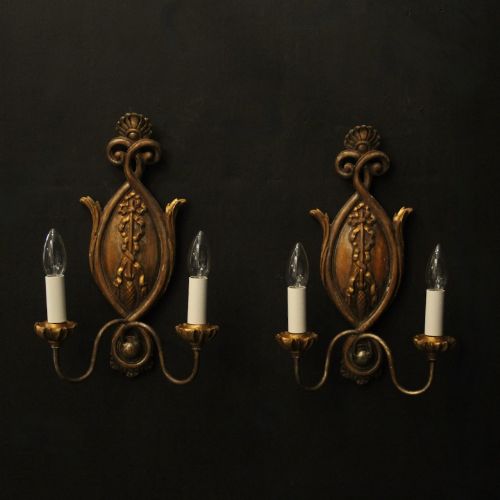
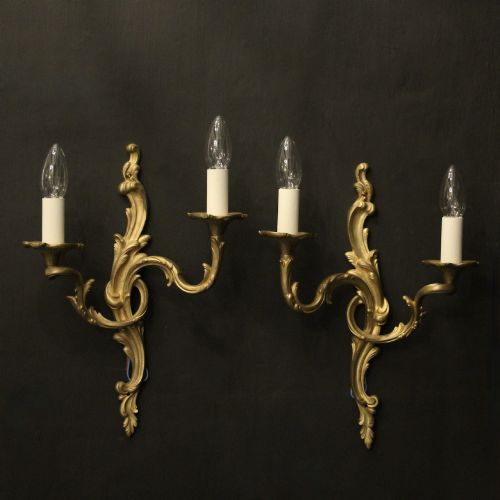
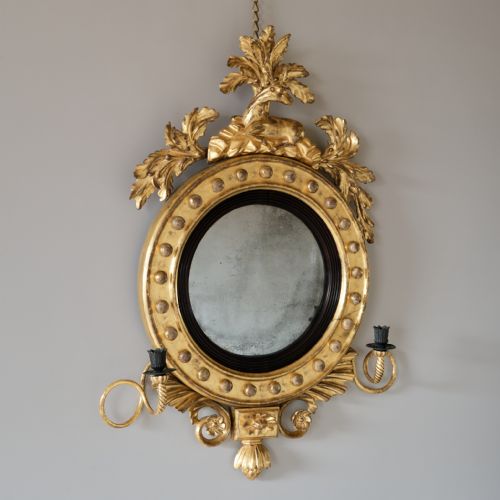
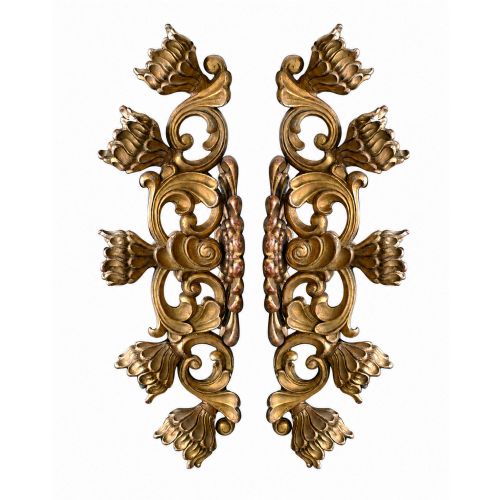
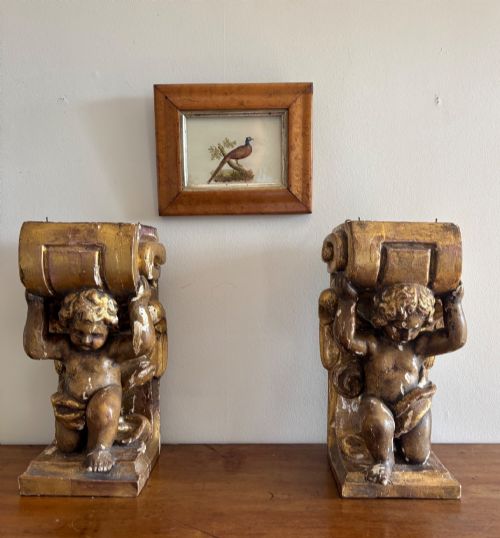
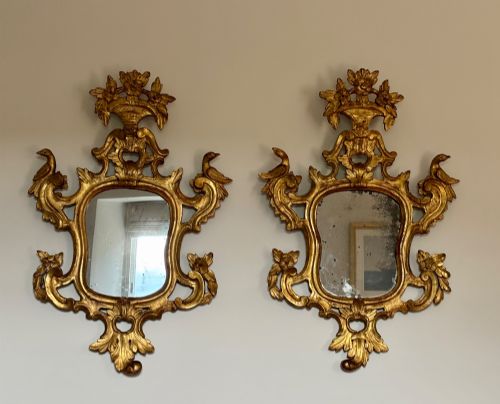
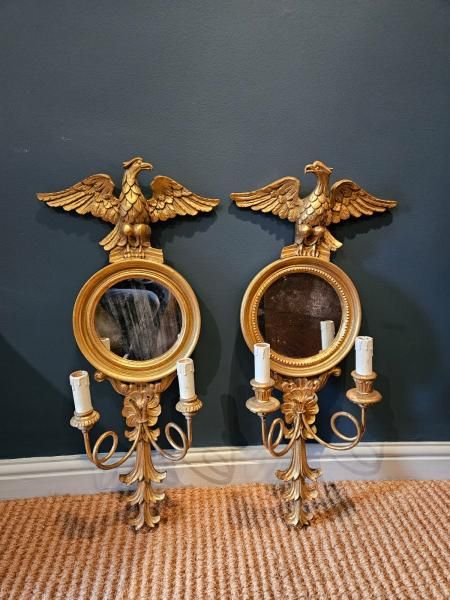
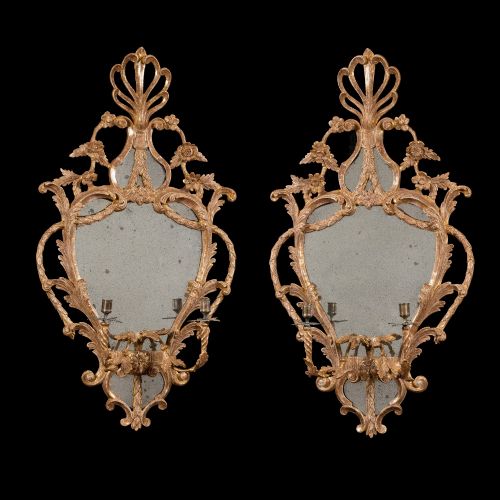
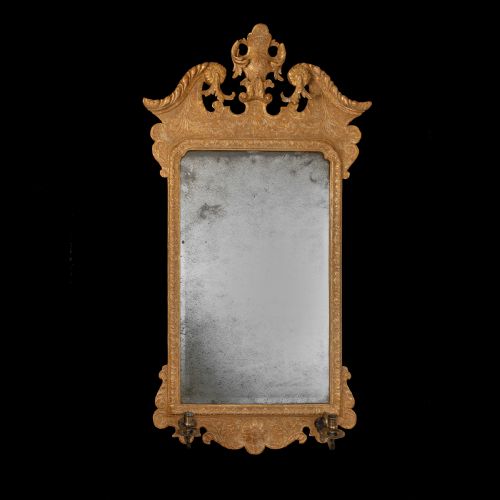
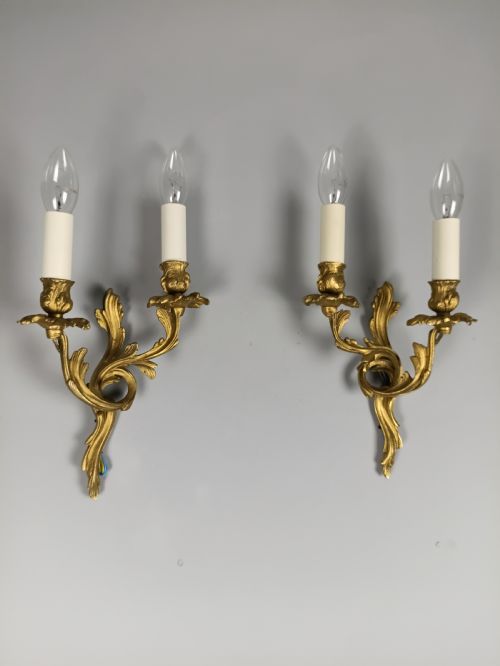
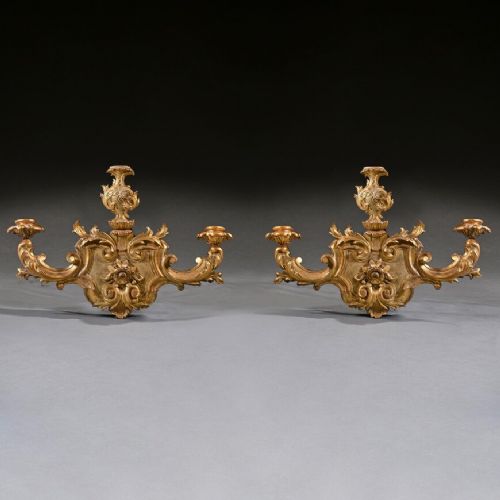
Carved leaf wall sconces combine functional lighting with botanical ornamentation, frequently taking the form of twin or triple arm wall lights and decorative wall brackets. You will encounter many examples originating from Florentine workshops and French chateau styles, alongside earlier Georgian and Regency iterations.
The materials span traditional carved wood and gesso finished with gold leaf, alongside gilded bronze and cast metal. These pieces reflect historical periods ranging from the eighteenth century up to the 1930s, with Florentine giltwood designs dominating the selection.
Materials and construction
Carved leaf wall sconces rely heavily on wood substrates shaped by hand, then treated with layers of gesso to create a smooth surface for gilding. Artisans applied gold leaf or silver leaf over bole to achieve a luminous metallic sheen that catches ambient light.
Metal alternatives utilise cast bronze or brass, sometimes combined with mirrored glass backplates to amplify candle or electric illumination. The assembly typically joins carved wooden arms or metal branches securely to a main backplate designed for wall mounting.
Listings feature items spanning from the eighteenth century to the 1930s, with Florentine giltwood dominating the available styles.
Assessing quality and execution
The distinction between standard and exceptional pieces lies in the crispness of the carving and the depth of the leaf work. Superior examples display naturalistic botanical detail with undercut foliage, whereas lesser pieces rely on heavy moulding compounds that soften the botanical definition.
The integrity of the original gilding surface dictates the visual weight of the object. Hand-applied gold leaf patinates with subtle tonal variation over centuries, whereas heavy-handed modern restoration or flat metallic paint obscures the underlying craftsmanship.
The Carved Leaf Wall Sconces Glossary
- Giltwood
- Wood that has been coated with gold leaf or powder. This surface treatment was standard for high-status European mirrors and lighting fixtures.
- Gesso
- A plaster mixture applied to wood surfaces to prepare them for carving and gilding. It provides a dense base that holds fine sculptural detail.
- Girandole
- A branched wall light or sconce, often incorporating a mirror backplate. The reflective glass serves to multiply the flickering light of candles.
- Ormolu
- Gilded bronze used widely in French decorative arts. The technique involves applying a mercury and gold amalgam to cast bronze.
- Bole
- A prepared clay layer applied beneath gold leaf. It imparts a warm reddish undertone that shows through as the upper gold leaf wears.
Carved Leaf Wall Sconces: Frequently Asked Questions
How do I mount a heavy giltwood sconce?
Heavy wall fixtures require direct anchoring into wall studs or solid masonry using appropriate load-bearing fixings. Because many historical pieces feature substantial carved wood and plaster components, secure weight distribution is essential for safe installation.
Consult a professional installer to assess the wall substrate before hanging any antique bracket or sconce. Relying solely on standard drywall anchors can lead to structural failure over time.
Can these antique sconces be wired for electricity?
Many surviving wall lights and sconces have been adapted for modern electrical wiring during their long histories. Qualified electricians can usually route discreet flex through existing channels without compromising the historical carved structure.
When converting candle sconces, ensure the chosen lamp holders match the scale of the original drip pans. Retaining reversible wiring methods protects the integrity of the piece.
How do I clean antique gilt surfaces?
Dust giltwood and gesso surfaces gently using a soft, dry artist brush or ostrich feather duster. Moisture and chemical cleaning agents will strip delicate gold leaf and soften the underlying gesso.
Avoid rubbing the high points of the carving where the metal leaf is thinnest. Professional conservation is necessary if the surface sustains damage or active flaking.
What distinguishes Florentine sconces from French styles?
Florentine sconces frequently emphasise botanical motifs like acanthus leaves and scrolling foliage executed in giltwood. They lean towards intense surface gilding and deep sculptural relief suited to Italian architectural traditions.
French styles, such as Rococo or chateau designs, often incorporate flowing asymmetry, cast bronze elements, and intricate ribbon crestings. These French pieces balance organic leaf forms with refined metallic casting techniques.