

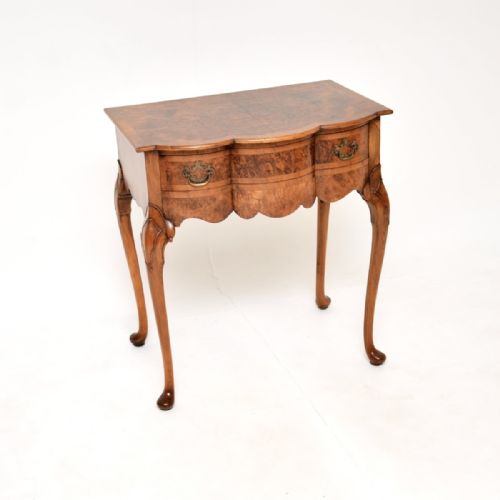


Carved Knee Cabriole Table
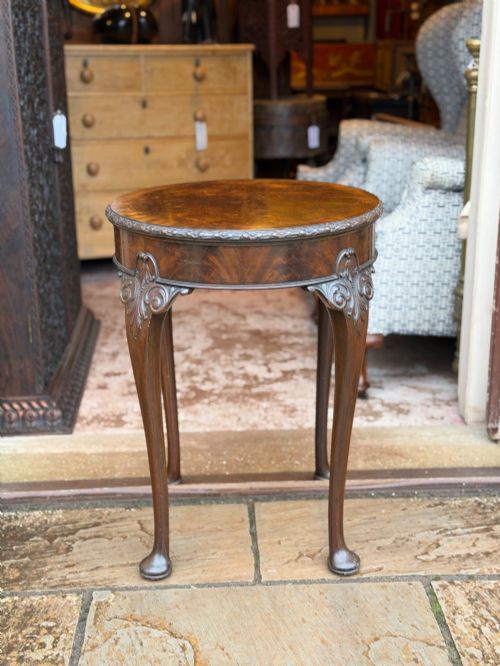
These carved knee cabriole table pieces combine curved walnut and mahogany frames with distinct ornamental legs, offering both period charm and practical surfaces for the home.
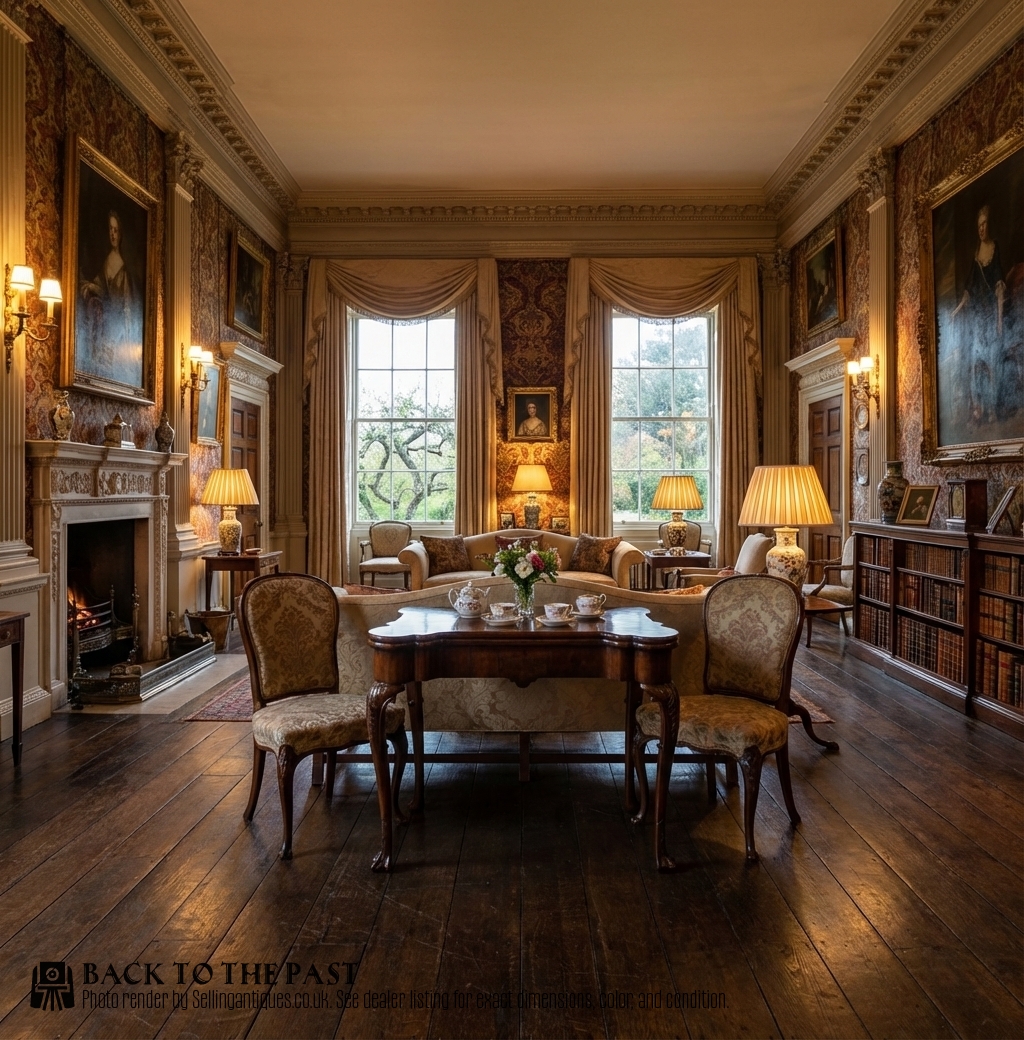
Carved Knee Cabriole Table
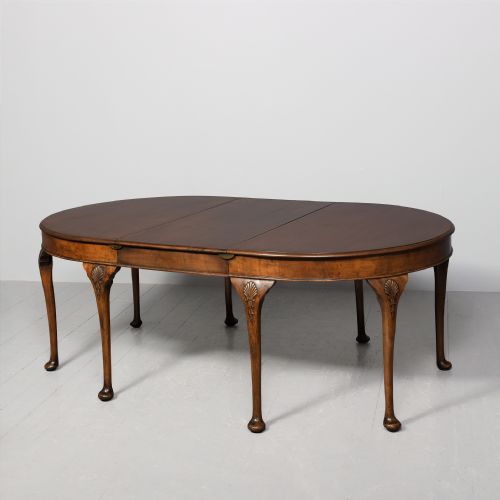
When you search for a carved knee cabriole table, you encounter a variety of forms including dining tables, side tables, tea tables, card tables, coffee tables, desks, and stools spanning from the eighteenth century through to the twentieth century. These items manifest in diverse revival styles such as Queen Anne, George II, and French Chateau, reflecting both original period craftsmanship and later interpretations.
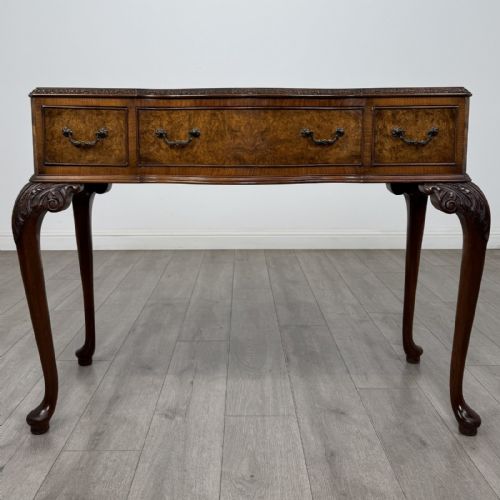
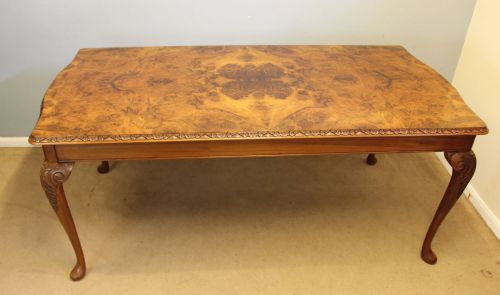
The pieces on this page lean heavily toward walnut and burr walnut veneers, alongside mahogany timbers, often displaying the characteristic double-curved leg profile. Side tables, writing desks, and tea tables dominate the selection, bringing historical silhouettes into domestic spaces.
Materials and Construction
Makers utilised solid timbers such as mahogany and walnut, frequently applying burr walnut veneer to tabletops and drawer fronts to create figured grain patterns. Brass hardware occasionally appears on drawers and folding mechanisms.
The signature cabriole leg shape is carved directly from the wood of the knee, often featuring ornamental detailing at the top curve before sweeping down to pad or claw feet.
Carved Knee Cabriole Table Retail Price Guide 2026
Typical asking prices for carved knee cabriole table among the pieces listed under this phrase on Sellingantiques today, from the lower quarter to the upper quarter. They describe what is for sale here now, not the wider market.
Card tables fold away their secrets until evening.
Judging Quality and Execution
The distinction between average and superior examples lies in the depth and crispness of the carving on the knee and the selection of timber figure. Finer pieces display harmonious proportions and seamless veneer matching across the surfaces.
Older eighteenth-century items demonstrate traditional joinery techniques and patination developed through age, whereas twentieth-century revival pieces rely on period styling while maintaining structural utility.
Epstein and Co
The Carved Knee Cabriole Table Glossary
- Cabriole leg
- A furniture leg that curves out at the knee and tapers inward toward the foot, mimicking animal limbs. This form became a defining feature of eighteenth-century and revival furniture.
- Burr walnut
- Timber taken from a walnut tree growth, yielding intricate, swirling grain patterns. It is typically sliced into veneers for decorative tabletops.
- Demi lune
- A half-moon shape characteristic of certain card and side tables designed to sit flush against a wall. These tables often feature fold-over tops supported by pivoting legs.
- Pie crust
- A carved, raised tabletop edge shaped into undulating curves resembling pastry work. This detail frequently appears on circular coffee and wine tables.
Carved Knee Cabriole Table: Frequently Asked Questions
How do I date walnut furniture?
Dating walnut furniture involves examining the construction methods, timber thickness, and secondary woods used in the frame. Eighteenth-century examples display hand-cut joinery and natural patination.
Twentieth-century revival pieces often utilise machine-sawn elements and distinct veneer application techniques while emulating earlier Queen Anne and George II styles.
Where should I place a tea table?
Tea tables fit well in living rooms or hallways as accent furniture, particularly when placed against a wall or behind a sofa. Fold-over variants offer the flexibility of an expanded surface when needed.
Their compact footprints make them suitable for displaying decorative objects or serving as occasional writing surfaces.
What is burr walnut veneer?
Burr walnut veneer consists of thin slices of wood cut from a tree burl, capturing swirling and knotted grain patterns. Craftsmen apply these decorative sheets over a stable base timber.
This technique highlights natural imperfections in the wood, creating highly figured surfaces on tabletops and desk fronts.