

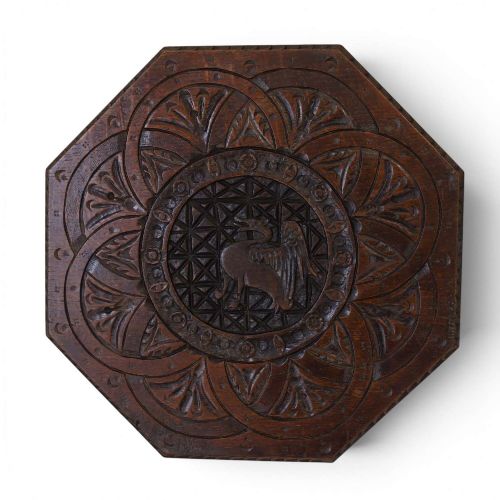


Carved Heraldic Plaque
A carved heraldic plaque carries lineage and identity in wood or marble, bringing centuries of armorial design directly to your wall.
Carved Heraldic Plaque
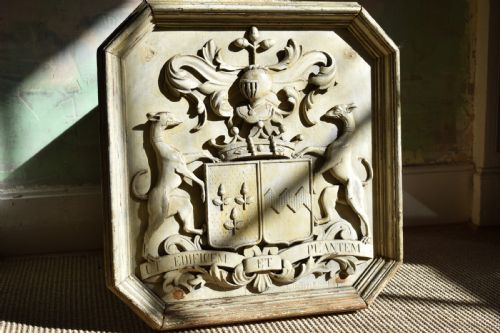
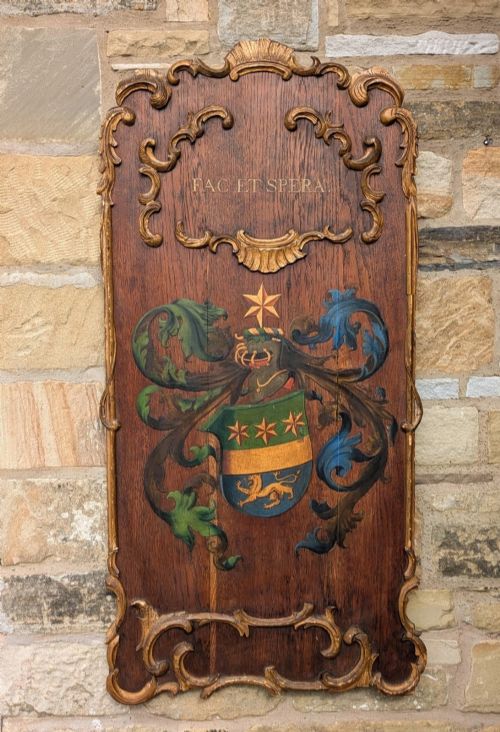
A carved heraldic plaque displays armorial bearings, family crests, and coats of arms rendered in timber or stone. When you search for a carved heraldic plaque, you encounter pieces designed to commemorate marriages, lineage, and historical events across several centuries.
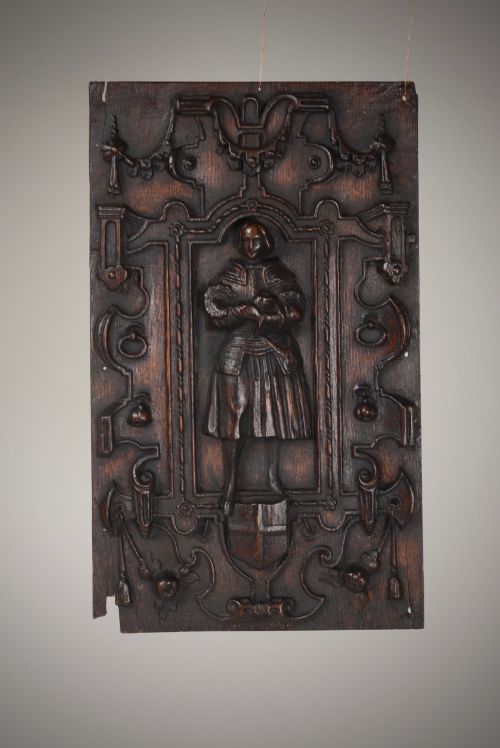
The selections on this page span from the seventeenth century through to the early twentieth century. Common formats include wall plaques, armorial shields, and decorated panels originating from British, Dutch, and Italian workshops.
Survival rates lean heavily towards nineteenth-century interpretations, including Gothic Revival and Victorian designs alongside earlier seventeenth-century carved panels. These objects function primarily as decorative wall sculptures that anchor a room with historical gravity.
Materials and Construction
Carvers typically utilised dense hardwoods such as oak, walnut, fruitwood, and tiger oak to achieve crisp relief work. These timbers provided the structural stability necessary for intricate heraldic details like rampant lions and intricate mantling.
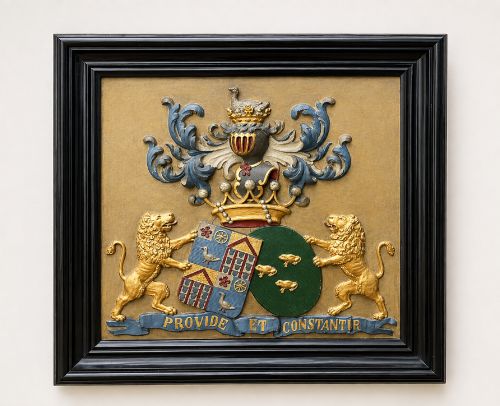
Many surfaces received additional treatment through hand-painted pigments, gesso, and gold leaf or gilt to highlight specific heraldic tinctures. Certain examples incorporate contrasting elements such as brass frames or inset marble to elevate the visual impact of the coat of arms.
Carved Heraldic Plaque Retail Price Guide 2026
Typical asking prices for carved heraldic plaque among the pieces listed under this phrase on Sellingantiques today, from the lower quarter to the upper quarter. They describe what is for sale here now, not the wider market.
Design influences span Baroque, Dutch Rococo, and Victorian Gothic Revival styles.
Distinctions in Quality
The depth and precision of the carving separate standard workshop pieces from masterworks. Sharp undercut details and well-proportioned figurative elements demonstrate superior hand-carving skill.
The integrity of the original polychrome paint, gilding, and surface finish heavily influences the standing of a piece. Retaining untouched historical pigment without aggressive overpainting preserves the authentic character of the armorial design.
Nanninga Uitterdyke·Van Rijckevorsel And Verheijen
The Carved Heraldic Plaque Glossary
- Heraldry
- The system of devising, granting, and blazoning arms and crests. It served as a visual language of identification for noble families and institutions.
- Armorial
- Relating to heraldic arms or a coat of arms. These designs visually encode genealogical history and familial alliances.
- Gesso
- A plaster-like mixture applied to wood surfaces to prepare them for gilding or painting. It provides a smooth ground for delicate surface ornamentation.
- Mantling
- The ornamental foliage depicted flowing from the helmet above the shield in a coat of arms. It represents the cloth cloak worn over armour.
- Polychrome
- The practice of decorating architectural elements or sculptures in a variety of colours. This technique brought realistic vibrancy to wooden heraldic carvings.
Carved Heraldic Plaque: Frequently Asked Questions
How do I hang a heavy wooden shield?
Heavy wooden shields and panels require secure wall fixings distributed into wall studs or masonry. Due to the weight of dense hardwoods like oak and walnut, standard picture wire is rarely sufficient.
Utilising concealed metal brackets or robust mirror plates ensures the plaque remains safely supported against the wall.
How do I date a carved armorial panel?
Dating relies on combining stylistic evidence with the construction methods and wood types visible on the piece. Gothic Revival and Victorian interpretations often exhibit machine-assisted preparation alongside hand carving.
Earlier seventeenth-century examples display distinct tool marks and wood shrinkage patterns consistent with age.
Can I clean painted and gilded wood?
Cleaning requires a dry, soft brush to gently remove surface dust from intricate carved crevices. Moisture and harsh chemical cleaners must be avoided to protect delicate gilt, gesso, and historic paint layers.
Professional conservation advice is recommended if the polychrome surface shows signs of flaking or instability.