



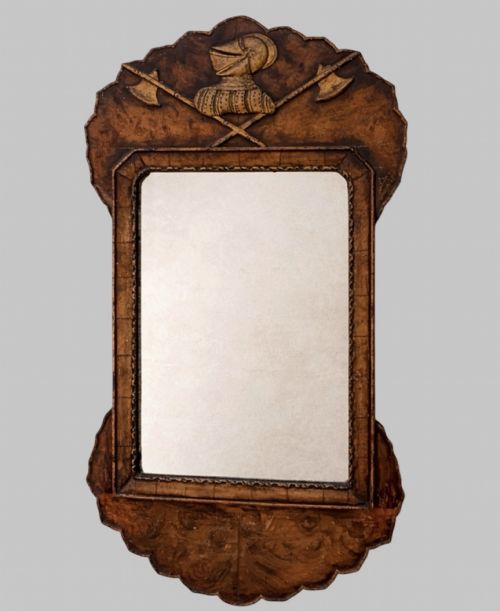


Carved Heraldic Crest
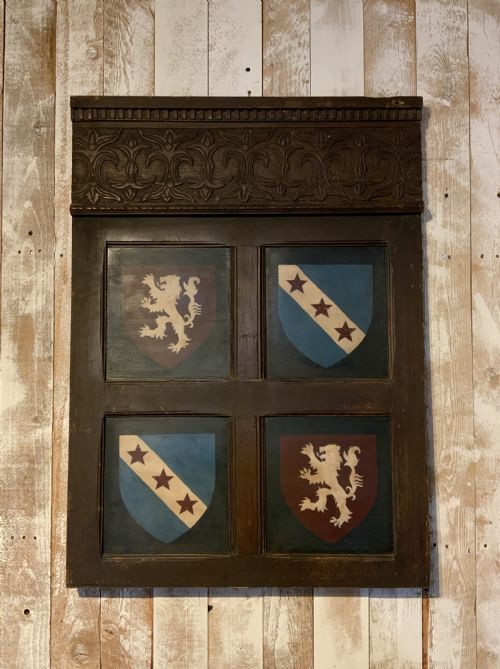
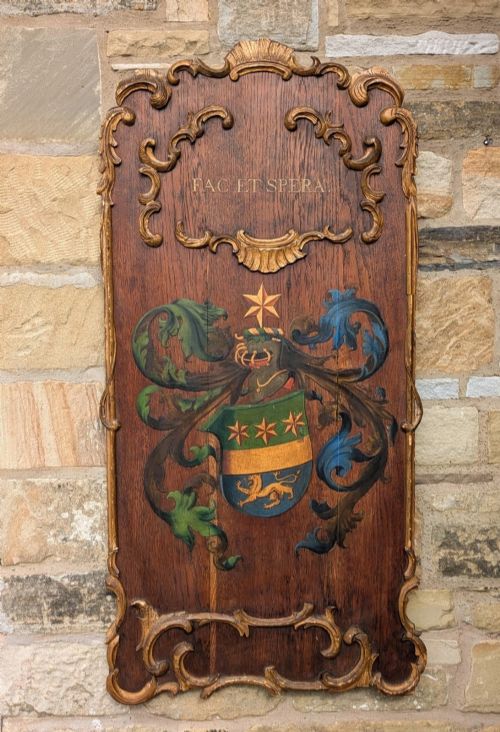
A carved heraldic crest brings centuries of lineage into a room, taking the form of oak wall plaques, mahogany hall chairs and painted armorial shields.
Carved Heraldic Crest
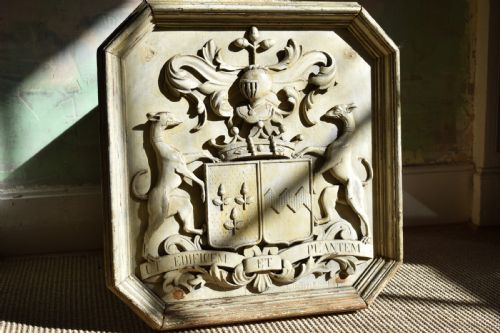
A carved heraldic crest serves as a physical record of family lineage, institutional authority or clan identity, taking many forms across centuries of British and European craftsmanship. When exploring this selection, buyers encounter everything from solid oak wall plaques and carved wooden shields to domestic seating fitted with armorial backrests.
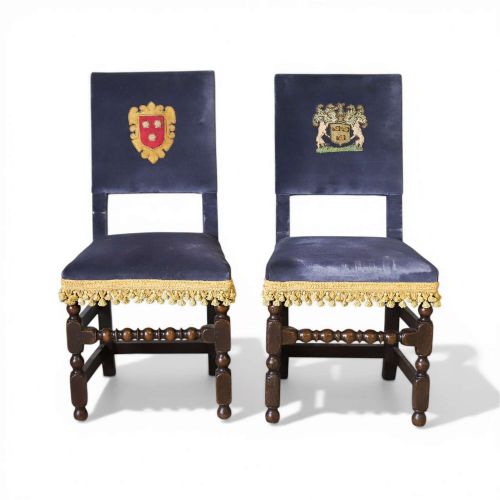
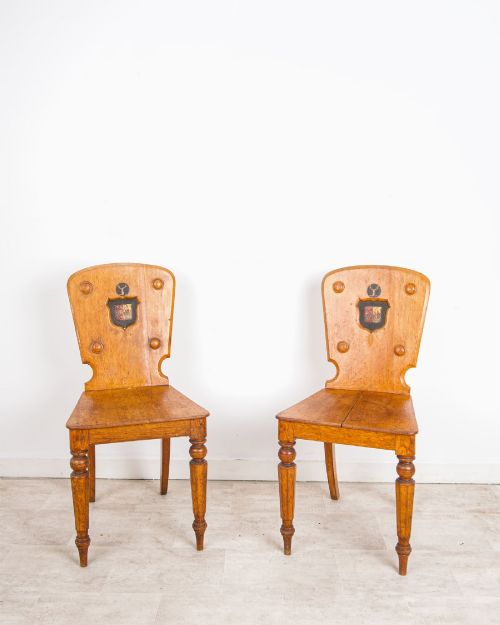
The most common examples on this page are nineteenth-century hall chairs and wall plaques rendered in oak or mahogany. These pieces range from Victorian Gothic Revival designs to earlier seventeenth-century interpretations, often incorporating painted panels, embossed brass or needlepoint upholstery.
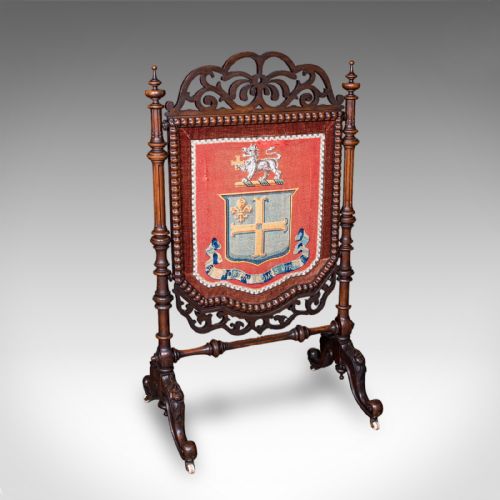
Beyond wall plaques and chairs, the selection includes fire screens, mirrors and throne chairs bearing specific family coats of arms or clan crests. Each object translates complex heraldic symbolism into functional domestic furniture and architectural decoration.
Materials and Construction Techniques
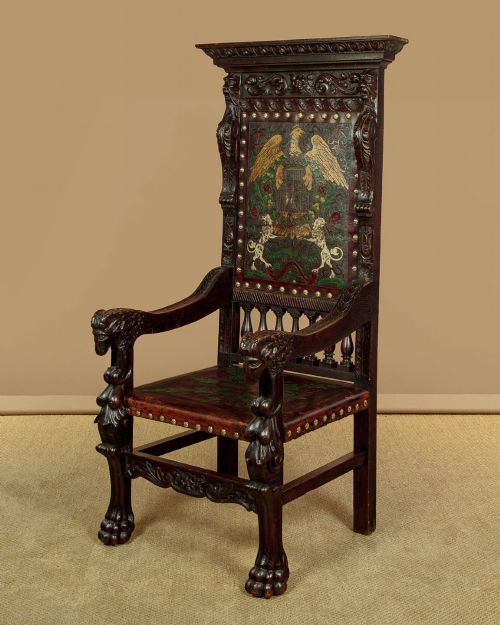
Makers relied primarily on dense hardwoods such as oak, walnut and mahogany to carve crisp heraldic details that would endure for generations. These timbers were often worked in deep relief, shaping lions, shields and scrolling foliage directly from the solid plank or assembling them onto panel backings.
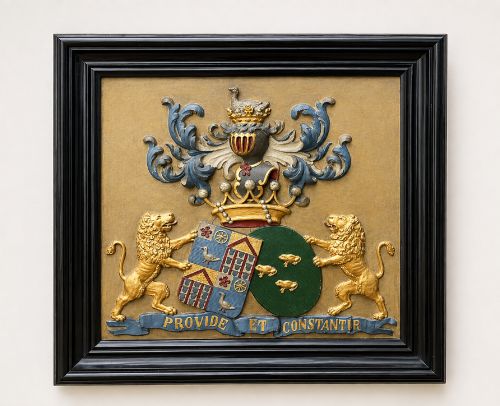
Surface decoration frequently combined traditional woodcarving with polychrome paint, gilt, gold leaf or embossed brass and chased copper elements. Leather, velvet and needlepoint needlework appear frequently as contrasting textures on chairs and panel screens, fastened with traditional upholstery methods.
Some works incorporate mixed media, setting carved wooden or marble crests into metal frames, or applying hand-painted heraldic pigments directly onto prepared wooden grounds and faience ceramics.
Carved Heraldic Crest Retail Price Guide 2026
Typical asking prices for carved heraldic crest among the pieces listed under this phrase on Sellingantiques today, from the lower quarter to the upper quarter. They describe what is for sale here now, not the wider market.
One seventeenth-century brass fire screen doubles as a family hubbub keeper, quietly guarding the hearth against stray sparks.
Distinctions in Quality and Execution
The standard of a carved heraldic crest rests fundamentally on the depth and sharpness of the hand-carving. Master carvers produced crisp lines, well-proportioned anatomical details in heraldic beasts, and convincing depth in the mantling surrounding the shield.
Materials and provenance elevate certain pieces above standard production, particularly items associated with specific noble families, documented Scottish clans or notable maker workshops. The integration of high-grade timbers, genuine period gilding and intact original heraldic paintwork separates superior examples from later copies.
Van Rijckevorsel & Verheijen·Nanninga Uitterdyke
The Carved Heraldic Crest Glossary
- Armorial
- Relating to heraldry or coats of arms. This term describes items decorated with authentic heraldic devices.
- Mantling
- The ornamental foliage or drapery depicted around and behind the shield on a coat of arms. It originates from the cloth attached to a helmet to protect the wearer from the sun.
- Faience
- Tinned-glazed earthenware, often painted with polychrome heraldic designs. This ceramic technique was widely used in continental Europe.
- Fire screen
- A movable panel placed before a fireplace to deflect heat when the fire was low. They were frequently decorated with embroidered or carved armorial panels.
- Hall chair
- A rigid wooden seat placed in the entrance hall of a grand house, usually bearing a painted or carved family crest on the backrest.
Carved Heraldic Crest: Frequently Asked Questions
What is a heraldic crest?
A heraldic crest is the specific graphic symbol or device traditionally worn upon a knight's helmet or displayed to identify a family, clan or institution.
Over time, these symbols were carved into wood, painted on panels or cast in metal to mark property and heritage.
Where were these pieces displayed?
These items were historically placed in the grand entrance halls, libraries and reception rooms of country houses and institutional chambers.
Chairs bearing crests sat against hallway walls, while carved wooden plaques and mirrors hung above fireplaces or within wood-panelled rooms.
How do I date a wooden crest?
Dating relies on the analysis of timber species, tool marks left by the carver and the prevailing architectural style of the period, such as Gothic Revival or Baroque.
Examining the ageing of the wood and the composition of underlying paint or gilt layers also helps establish the era of manufacture.
Can I identify the family?
Many pieces feature specific mottos, surnames or heraldic tinctures that correspond to recorded genealogical histories and clan registers.
Researching the specific arrangement of charges on the shield often reveals the exact lineage or marital alliance commemorated by the object.