


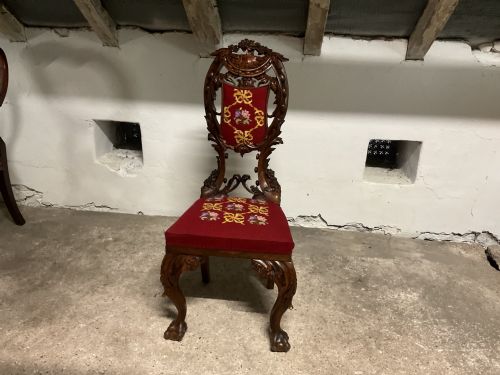
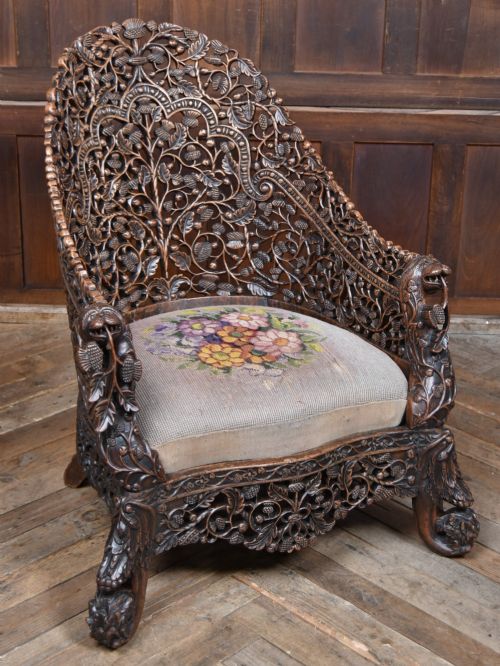
Carved Hall Accent Chair
A carved hall accent chair brings immediate architectural weight to an entrance space, drawing the eye with sculptural timber and historic detail.
Carved Hall Accent Chair
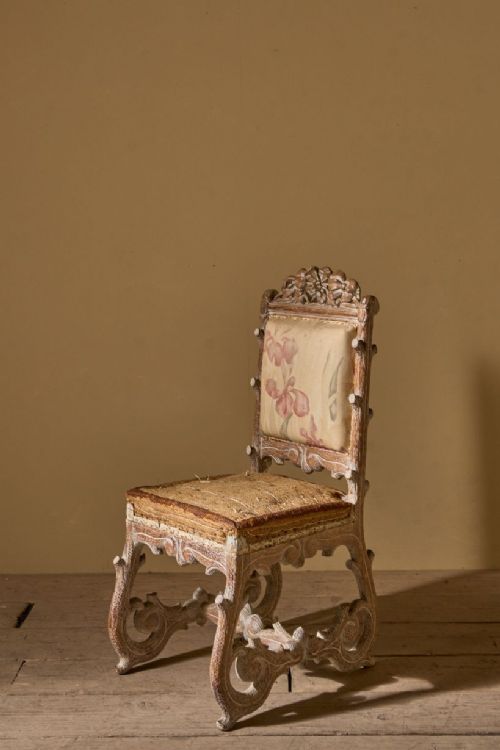
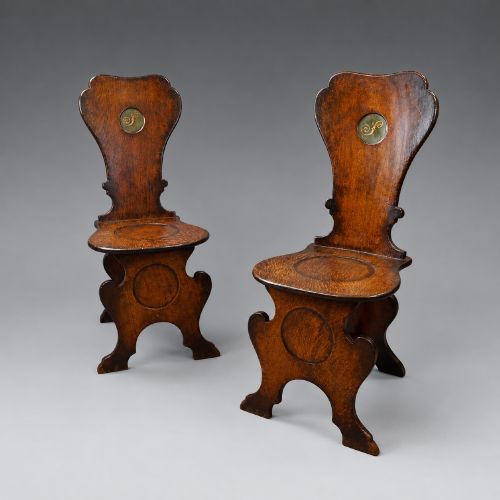
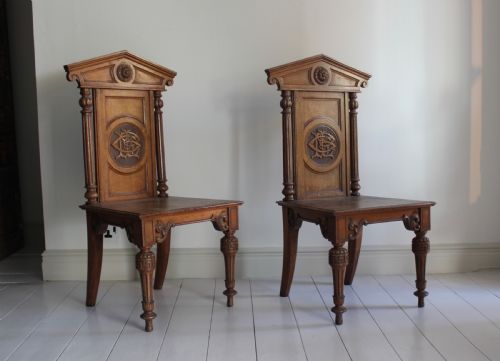
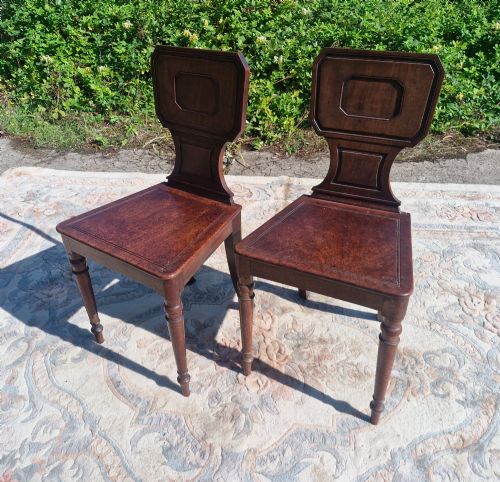
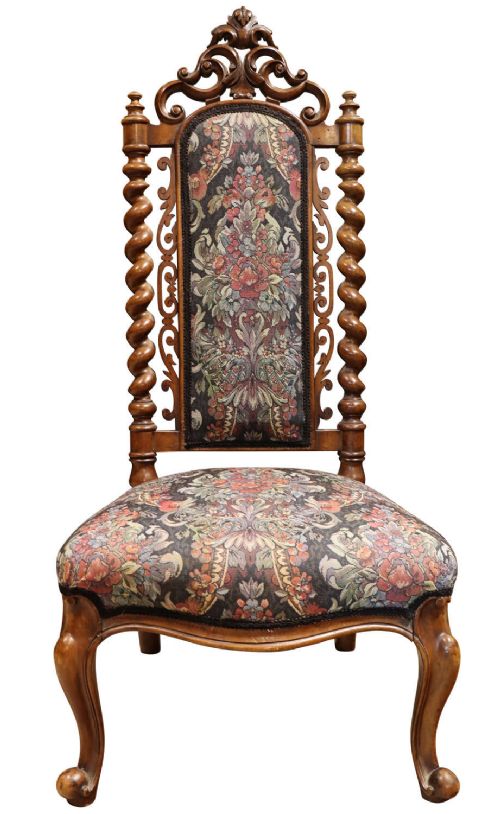
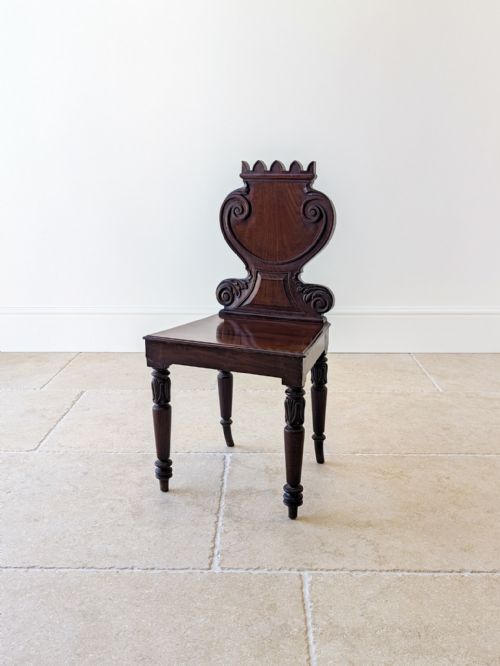
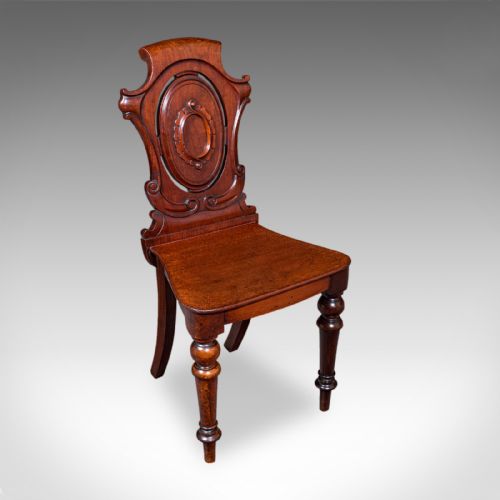
A carved hall accent chair serves as a practical yet decorative seat designed historically for entranceways, reception rooms, and grand hallways. These pieces appear frequently in robust timbers like oak and mahogany, often featuring rigid high backs and solid wooden seats intended for brief use rather than lounging.
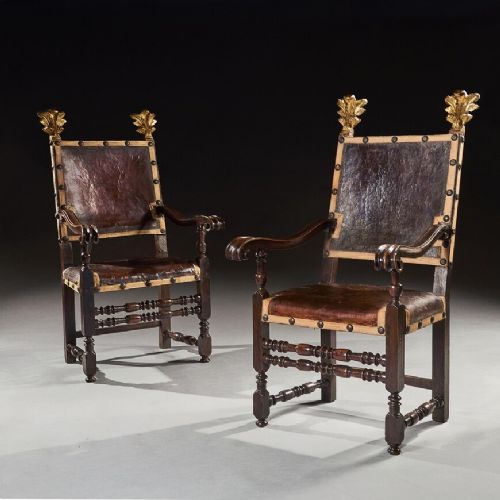
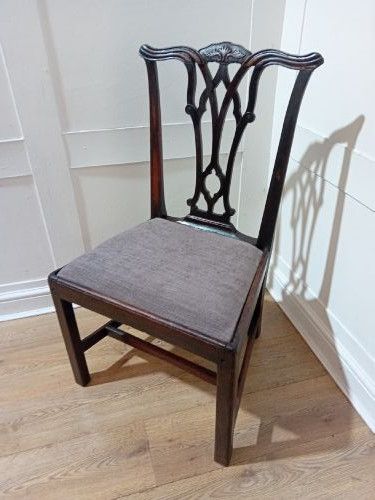
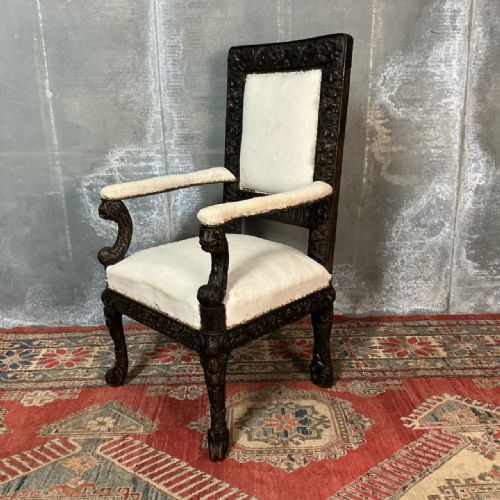
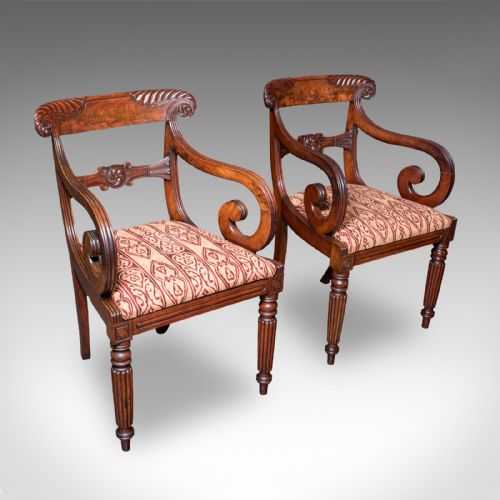
The selections span numerous periods including the 17th, 18th, and 19th centuries alongside Victorian, Regency, and Georgian styling. Buyers encounter forms ranging from strict heraldic shield backs to elaborate Italian Baroque armchairs and simpler side chair formats.
Materials and construction methods
Cabinetmakers built these seats primarily using dense hardwoods such as oak, mahogany, and walnut, frequently enhancing the timber with intricate hand-carved motifs, linenfold panels, or parcel-gilding. Structural integrity relies on traditional joinery techniques, including pinned mortise and tenon joints on earlier oak examples and precise dovetailing on later mahogany framework.
Upholstered variants incorporate textiles like leather, velvet, tapestry, and modern woven fabrics secured with brass tacks or piping. Secondary treatments involve ebonising the wood surface or applying subtle wax finishes to preserve the natural grain of the material.
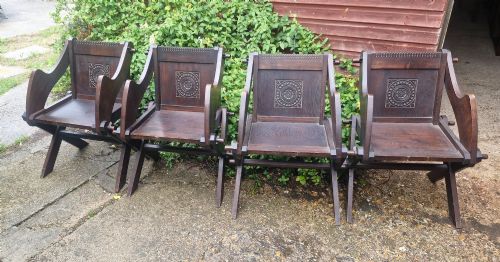
The listings span multiple centuries, ranging from 17th-century walnut armchairs to early 20th-century oak Glastonbury designs.
Factors determining quality
The depth, sharpness, and symmetry of the hand-carving dictate the artistic merit of the piece, separating utilitarian output from bespoke workshop commissions. Crisp relief work on crest rails and panels indicates superior craftsmanship and time invested by the original carver.
Timber selection and preservation of original surfaces drive the standing of individual pieces. Examples retaining their initial patination, original cane seats, or undisturbed structural joinery command greater appreciation among collectors than heavily restored counterparts.
Charles Tozer
The Carved Hall Accent Chair Glossary
- Sgabello
- A light wooden chair originating from the Italian Renaissance, characterised by a high carved back and solid trestle supports instead of legs. These are typically associated with hallway placement.
- Shield back
- A chair back design shaped in the outline of a heraldic shield, popularised during the 18th century by designers like Hepplewhite. It frequently incorporates pierced splats and carved detail.
- Glastonbury chair
- A type of folding armchair with an X-framed base, panelled back, and sloping arms, often executed in oak. The style draws inspiration from medieval church furniture.
- Bobbin turned
- A form of furniture leg or stretcher shaped on a lathe to resemble a series of wooden bobbins or spools end to end. This turning style is common on 17th-century pieces.
- Parcel-gilt
- A decorative technique where selected portions of a wooden or metal object receive a thin application of gold leaf while the underlying material remains visible. This contrasts the golden highlights with dark walnut or ebonised timber.
Carved Hall Accent Chair: Frequently Asked Questions
Where were carved hall accent chairs placed?
These seats stood primarily in grand entrance halls, vestibules, and reception rooms of large houses and civic buildings. They served visitors waiting for an audience rather than for prolonged comfort.
Their upright proportions and shallow depths ensured they occupied minimal floor space while making a strong visual statement to anyone entering the home.
How do I identify the period of a chair?
Dating relies heavily on combining the timber species, joinery methods, and decorative motifs present in the construction. For instance, 17th-century pieces frequently utilise heavy oak with bobbin turnings, whereas 18th-century examples often display mahogany with carved shield backs.
Matching the overall style - such as Gothic Revival or Regency - against known historical design periods narrows down the likely decades of manufacture.
Are these chairs comfortable for daily use?
Most historic hall chairs prioritise rigid posture, upright backs, and architectural presence over soft padding. Wooden seat pans and high, straight backs reflect their original purpose as occasional or decorative seating.
Upholstered variants offer slightly more comfort, though collectors often treat them as accent pieces rather than primary lounge seating.
How should I care for antique wood?
Maintaining these timber surfaces involves keeping them away from direct heat sources and dramatic humidity fluctuations that cause wood to split. Regular dusting with a soft, dry cloth prevents particulate buildup.
Applying a quality microcrystalline wax periodically helps nourish the timber and protects the historic patination without altering the finish.