


Carved Gold Solitaire Ring
A carved gold solitaire ring combines single-stone focus with textured or sculpted metalwork, offering enduring style for everyday wear.
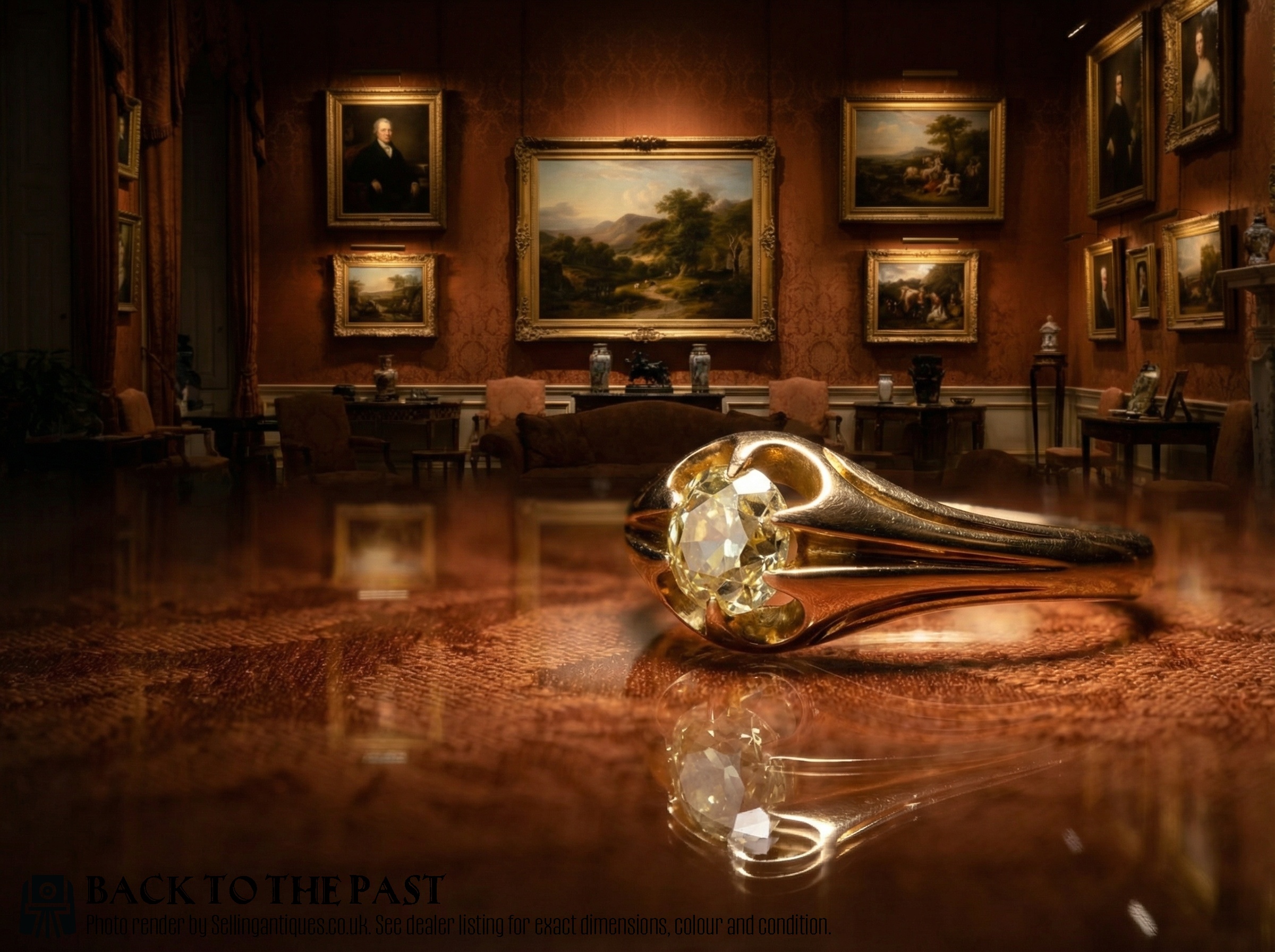
Carved Gold Solitaire Ring
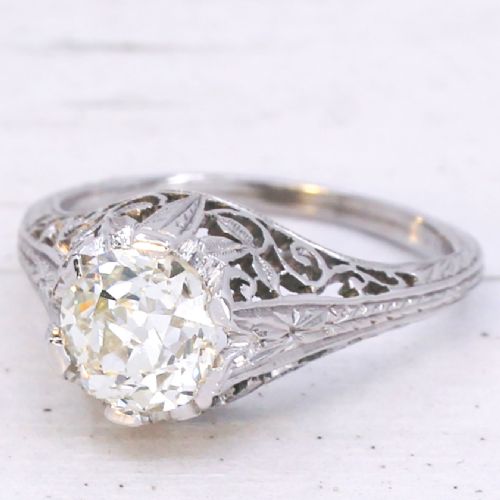
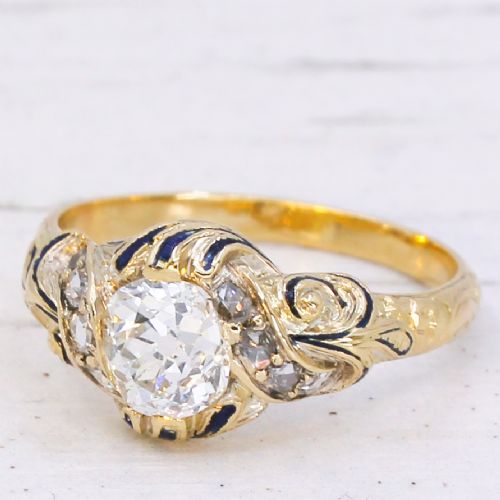
When you search for a carved gold solitaire ring, you encounter finger adornments centred on one prominent gemstone or diamond held within sculpted metal settings. The selections span Victorian, Edwardian, Art Deco, Retro and Mid-Century periods, reaching from the late nineteenth century through to the 1960s.
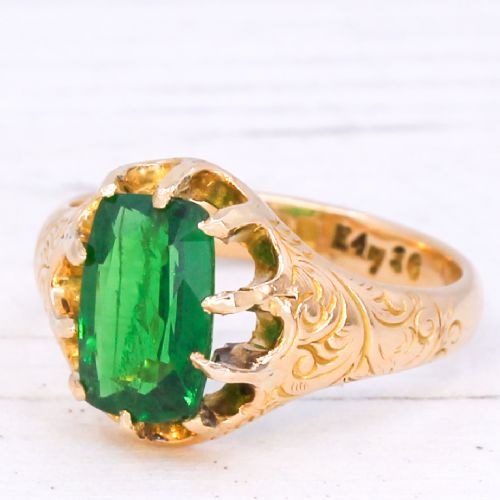
You meet variations featuring yellow gold, rose gold, white gold, 9ct gold, 14K gold and 18ct gold, frequently paired with platinum accents. Gemstone choices extend beyond traditional diamonds to include tsavorite, deep blue sapphire, jadeite and saltwater pearl.
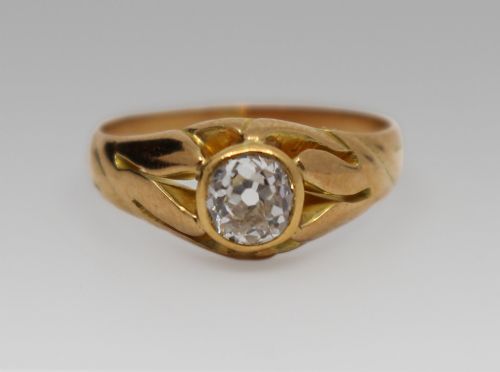
The most common formats on this page are engagement rings and fine jewellery pieces displaying old cut, transitional cut or fancy yellow diamonds. Gypsy settings and high set mountings appear regularly alongside carved shank details.
How they were made
Goldsmiths utilised a combination of casting, hand-carving and metal fabrication to shape yellow, white and rose gold into sturdy bands and decorative shoulders. Platinum was frequently integrated during the Edwardian and Art Deco eras to provide bright, durable prongs for secure diamond mounting.
Gemstones such as old cut diamonds, sapphires and tsavorites were hand-set into bezels, gypsy mountings or elevated baskets. Enamel work and carved jadeite demonstrate specialised lapidary techniques employed across different decades.
Current listings span periods from the Victorian era through to the 1960s, utilising yellow gold, rose gold, white gold, 18ct gold, 9ct gold and platinum.
What varies in quality
The distinction between tiers rests upon the precision of the metal carving, the symmetry of the shank, and the integrity of the original setting. Superior examples display crisp definition in the shoulder work and secure claw or gypsy integration that protects the girdle of the stone.
Gemstone selection dictates the upper range, particularly with old cut and fancy yellow diamonds exhibiting desirable light return, or high-grade coloured stones like tsavorite and deep blue sapphire. The harmony between the gold colour and the stone proportions determines the overall balance of the piece.
The Carved Gold Solitaire Ring Glossary
- Solitaire ring
- A finger ornament holding a single central gemstone without secondary side stones. This design places visual emphasis entirely upon the main diamond or coloured gem.
- Gypsy set
- A setting style where the stone is flush-mounted directly into the thick, tapered metal band. The surrounding gold is hammered or burnished up to secure the girdle.
- Old cut
- A precursor to the modern brilliant cut diamond, shaped by hand with smaller tables and wider facets. These stones produce a distinctive softer candlelight gleam.
- Transition cut
- A diamond facet arrangement utilised during the shift from old European cuts to modern brilliants. They bridge historic hand-shaped geometry with standardised optical physics.
- Carved ring
- A band featuring hand-chased or sculpted patterns directly into the metal surface rather than added ornamentation. This technique creates texture along the shoulders and shank.
Carved Gold Solitaire Ring: Frequently Asked Questions
How do I wear an antique solitaire ring daily?
Historic rings require mindful care during manual tasks to protect older claw settings and delicate gold shanks.
Regular professional checks ensure the central diamond or gemstone remains firmly seated within its mount.
What is a gypsy set solitaire?
A gypsy set ring embeds the central stone flush into a heavy tapered gold band for a smooth profile.
This sturdy technique gained popularity during the Victorian era for practical, snag-free daily wear.
How do I tell Victorian rings from Edwardian ones?
Victorian pieces often feature warmer yellow or rose gold tones alongside substantial gypsy or high-claw settings.
Edwardian designs frequently introduce platinum combined with yellow gold to create lighter, lace-like filigree around old cut diamonds.
Can I resize an antique gold ring?
Most gold and platinum bands can be adjusted by a skilled jeweller experienced in antique pieces.
Care must be taken to preserve any carved shoulder details or maker marks located inside the shank.