








Carved Gold Framed Portrait
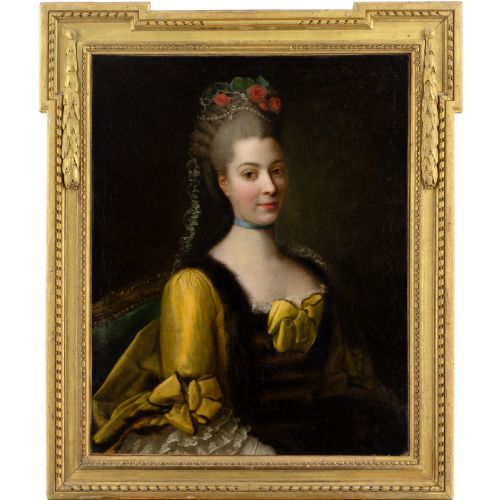
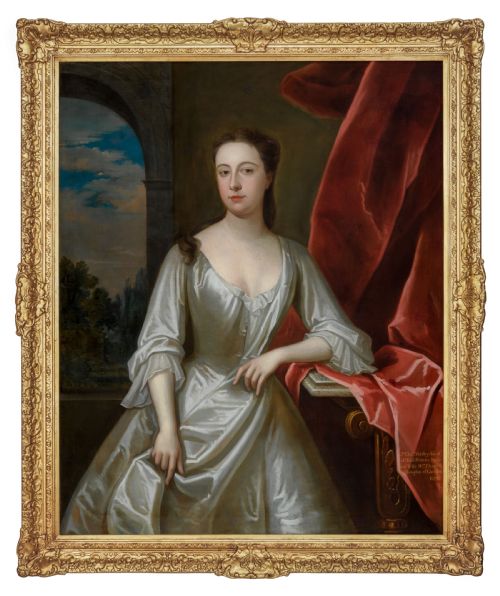
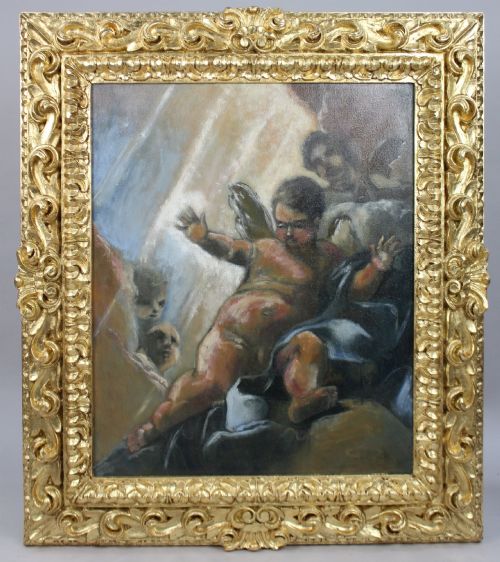
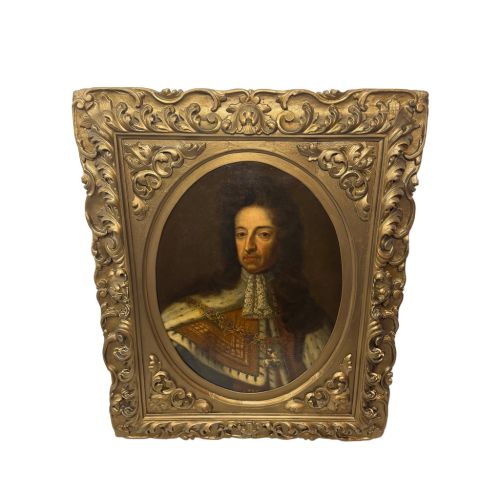
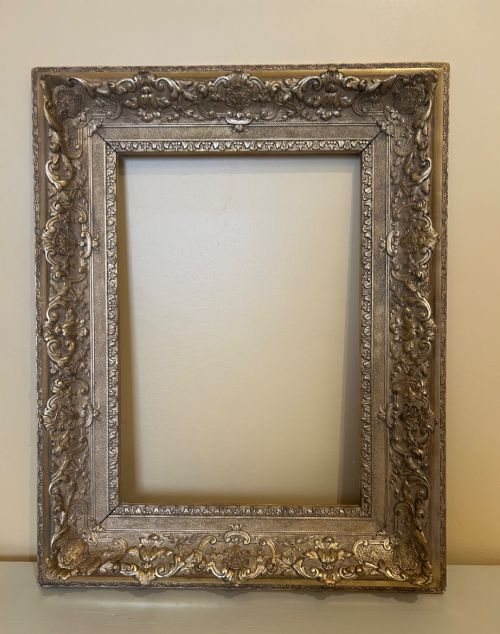
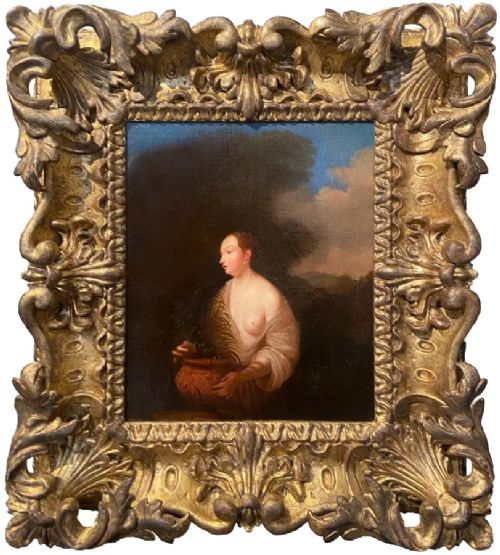
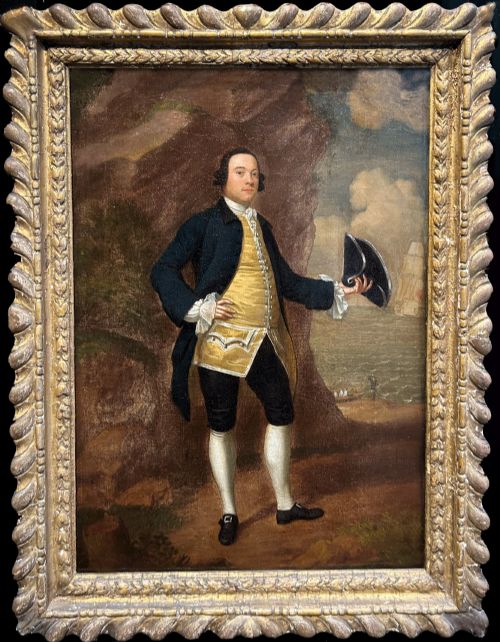
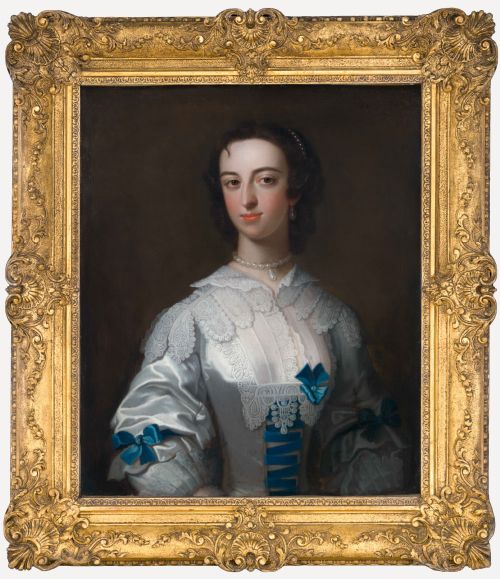
When you search for a carved gold framed portrait, you are looking at historical oil paintings and fine art panels enclosed in elaborate giltwood and gesso surrounds.
Carved Gold Framed Portrait
A carved gold framed portrait typically combines an oil on canvas painting with a heavily decorated wooden enclosure. The subjects range from seventeenth-century English gentlemen and eighteenth-century French nobility to sixteenth-century religious figures.
Many examples emerge from distinct regional schools, including English, French, Italian, and Dutch workshops. These works span multiple centuries, uniting portraiture and decorative framing into a single aesthetic object.
Buyers frequently encounter pieces that pair historical oil paintings with period frames, though some configurations reflect later mountings or nineteenth-century revivals of earlier styles.
Materials and construction
The pictorial components utilise oil paint applied to woven canvas surfaces, wood panels, or occasionally porcelain plaques. Canvases are stretched over wooden frames before receiving layers of pigment and varnish.
The decorative surrounds are constructed from carved wood, often built up with layers of gesso to create high-relief ornamentation. Gold leaf or gilt finish is then applied to the prepared surface to achieve a bright metallic lustre.
Listings feature oil paintings and mirrors spanning the sixteenth to the nineteenth centuries, utilising canvas, wood, gesso, and gold leaf.
Assessing quality and execution
The depth and crispness of the carving on the surround dictates the visual weight of the piece. Hand-carved gesso work displaying sharp relief lines represents a higher standard of craftsmanship than moulded plaster substitutes.
Sir Godfrey Kneller·Sir Anthony van Dyck·Thomas Murray·Toussaint Gelton·Henry Pickering·Thomas Hudson·Nicolaes Maes·Benvenuto Tisi·Sir Joshua Reynolds·James Kyd
The Carved Gold Framed Portrait Glossary
- Giltwood
- Wood that has been coated with gold leaf or a gold-coloured metallic finish. This technique provides the luminous surround typical of fine historical picture frames.
- Gesso
- A plaster-like mixture applied to wooden frames as a base for moulding and gilding. It allows craftsmen to carve intricate relief patterns before applying gold leaf.
- Oil on Canvas
- A painting technique using pigments suspended in a drying oil applied to a stretched cloth support. This method became standard for European portraiture from the sixteenth century onwards.
- Baroque
- An artistic style spanning the seventeenth and early eighteenth centuries characterised by drama, rich detail, and grand movement. Frames and paintings from this period often display theatrical compositions.
- School
- A group of artists working in a particular region, period, or under the influence of a master. Attributions to a specific school denote stylistic similarities rather than a signed authorship.
Carved Gold Framed Portrait: Frequently Asked Questions
How do I date a carved gold framed portrait?
Dating relies on examining the costume of the sitter, the painting technique, and the construction methods of the frame. Stylistic clues in hair, clothing, and lace collars often narrow down the decade.
Frames also provide chronological evidence through their carving style and preparation layers. Comparing the canvas weave and stretcher construction to known historical examples helps confirm the age.
Are the frame and the painting always from the same period?
Not necessarily, as many historical paintings have been reframed over the centuries due to damage or changing tastes. Finding a canvas paired with a frame from a slightly different era is a common occurrence in the antique market.
When a painting and frame do originate from the same workshop era, they form a cohesive historical object. Expert examination of the rebate and mounting marks can reveal whether they have a long association.
How should I hang a heavy giltwood frame?
These pieces require robust wall fixings due to the combined weight of the solid wood stretcher, thick gesso, and canvas. Securing the hanging wire to structural studs or using heavy-duty wall anchors is essential for safety.
Position the artwork away from direct sunlight and heat sources to protect both the oil paint and the fragile gilt surface. Maintaining stable room humidity prevents the wooden frame from warping.
What does attribution to a school mean?
Attribution to a regional school indicates that the work was produced by an anonymous artist following the distinct style of that area and era. These pieces reflect the prevailing techniques of a specific community of painters.
Such works offer historical and artistic value without carrying the documented signature of a master. They represent the high standard of period production achieved outside the circle of major named artists.