





Carved Gilt Wood Furniture
Carved gilt wood furniture brings theatrical brilliance to a room, combining sculpted timber with lustrous gold leaf for dramatic interior impact.
Carved Gilt Wood Furniture
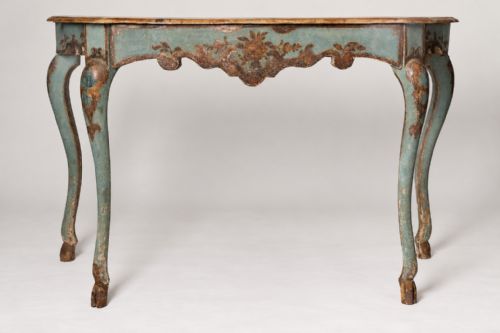
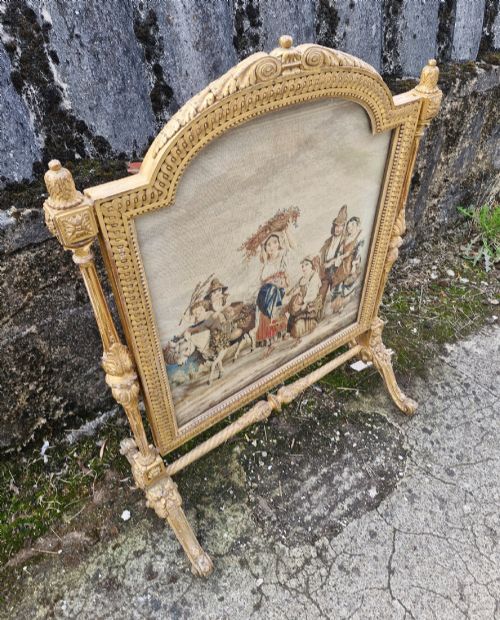
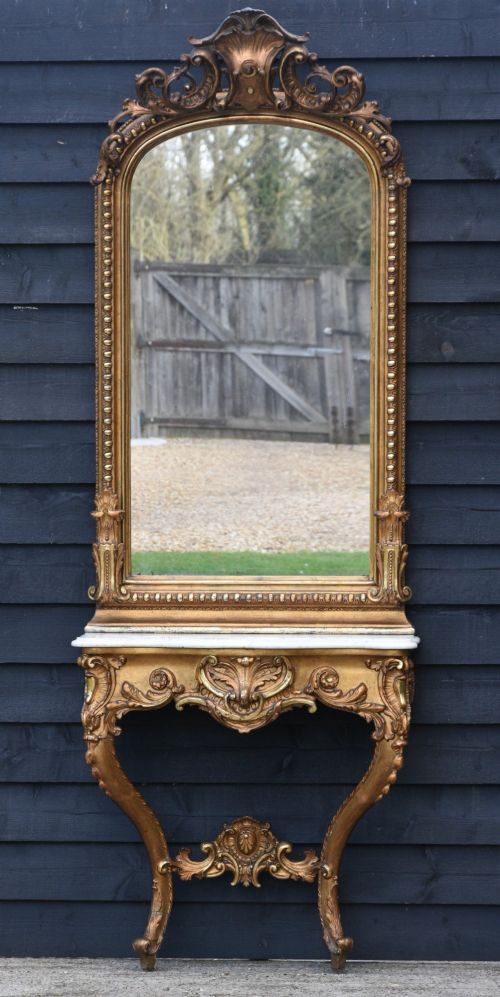
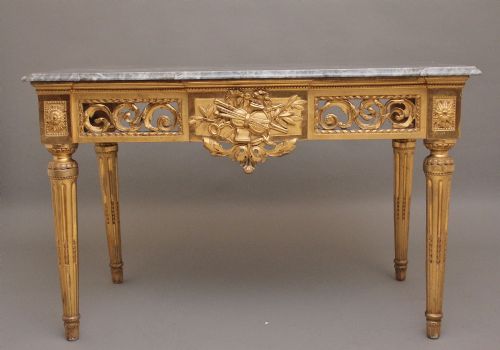
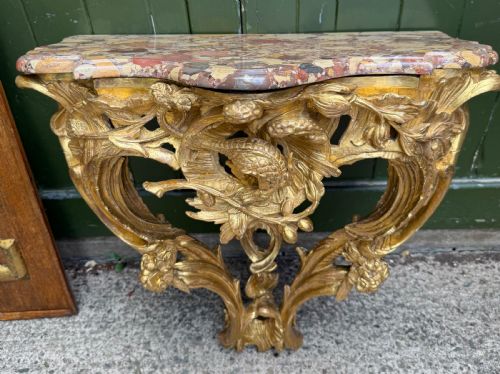
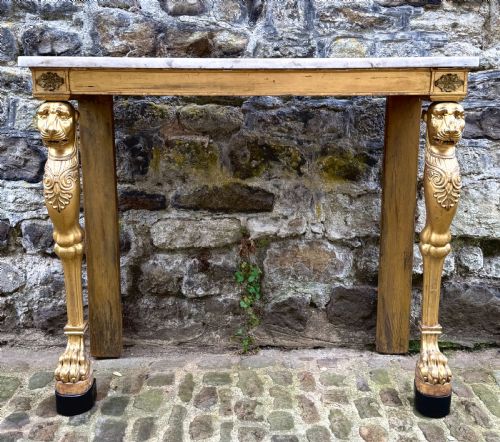
When seeking carved gilt wood furniture, buyers encounter an array of grand console tables, salon suites, armchairs and wall mirrors spanning several centuries. The selection here leans heavily towards eighteenth-century Italian pieces and nineteenth-century French creations, often topped with figured marble.
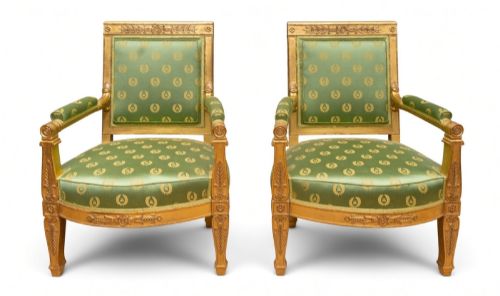
Tables and chairs dominate the forms, frequently displaying Rococo or Neoclassical motifs executed in continental workshops. Console tables paired with pier mirrors appear alongside side chairs and bedside cabinets, demonstrating how these items served aristocratic interiors.
Materials and Techniques
Artisans built these items primarily from wood, applying layers of gesso to create a smooth, responsive surface for intricate hand carving. Gold leaf or silver gilt was then meticulously applied over the prepared ground, occasionally combined with painted surfaces or parcel-gilt details.
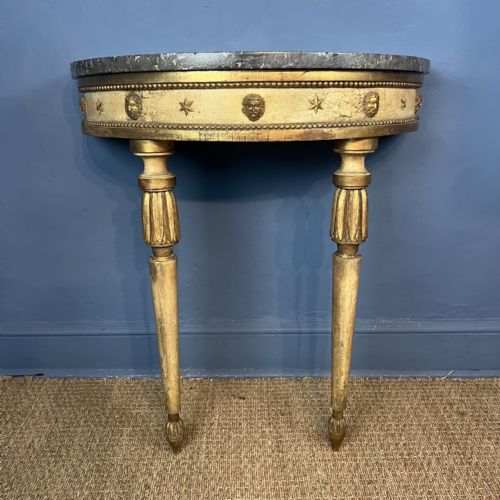
Many heavy tables incorporate inset marble tops, such as breccia or breche d'alep, supported by substantial carved wooden bases. Brass mounts, ormolu, and walnut or rosewood frameworks appear alongside the dominant giltwood constructions.
Carved Gilt Wood Furniture Retail Price Guide 2026
Typical asking prices for carved gilt wood furniture among the pieces listed under this phrase on Sellingantiques today, from the lower quarter to the upper quarter. They describe what is for sale here now, not the wider market.
Some Italian side tables feature carved wooden dolphins supporting the weight, proving that historical craftsmen enjoyed a touch of aquatic whimsy.
Craftsmanship and Proportion
The distinction between ordinary and exceptional pieces rests upon the crispness of the hand carving and the depth of the gilding. Superior examples exhibit fluid, deeply undercut foliage and figures that retain their sharp contours beneath successive layers of gold leaf.
Proportion and architectural harmony dictate the standing of a console table or armchair. Finer specimens integrate the marble top seamlessly with the wooden base, whereas lesser items rely on heavy, unrefined forms and flat, uninspired surface decoration.
Jacob-Desmalter·Lamb Of Manchester
The Carved Gilt Wood Furniture Glossary
- Giltwood
- Wood that has been covered with thin sheets of gold leaf over a prepared gesso ground. This finish provides the characteristic metallic brilliance seen on period frames and tables.
- Console table
- A table designed to be fixed against a wall, frequently supported by ornamental brackets or legs. These items often feature elaborate carved decoration and marble tops.
- Gesso
- A plaster mixture applied to wood to create a smooth surface for carving and gilding. It allows craftsmen to achieve fine relief details before applying gold leaf.
- Fauteuil
- An open-armed upholstered armchair with exposed wooden sides originating in France. They typically showcase carved frames and parcel-gilt or painted finishes.
- Parcel-gilt
- A decorative treatment where only specific portions of an object are gilded, leaving other areas painted or finished in natural wood. This technique highlights particular carved details.
Carved Gilt Wood Furniture: Frequently Asked Questions
How do I clean giltwood furniture?
Dust surfaces gently with a soft, dry ostrich feather brush or a clean microfibre cloth, taking care not to rub the delicate gold leaf. Moisture and modern chemical cleaning agents can strip the historic gesso and gilding away permanently.
Avoid placing these items in direct sunlight or near heat sources to prevent the underlying wood from warping and cracking the gesso. Professional restoration is recommended if the gold surface begins to flake or separate.
Where should I place a console table?
Console tables sit naturally against a flat wall in a hallway, drawing room or dining room, frequently positioned beneath a matching wall mirror. Because many nineteenth-century examples feature finished fronts and flat backs, they anchor architectural spaces effectively.
Heavier marble-topped variants require stable flooring and sometimes wall fixings for total security. Their decorative profiles work best where they can be viewed without obstruction from everyday seating.
What is the difference between Rococo and Neoclassical styles?
Rococo designs embrace asymmetrical curves, C-scrolls, shell motifs and organic floral arrangements that create a sense of fluid movement. These pieces feel theatrical and exuberant, dominating the visual weight of a room.
Neoclassical pieces shift towards symmetry, straight architectural lines, classical columns and restrained geometric ornamentation inspired by antiquity. This style offers a more orderly, balanced aesthetic compared to the earlier Rococo exuberance.
Are these pieces suitable for daily use?
Most antique gilded items serve well for gentle daily life if treated with appropriate care and respect for their age. Armchairs and side chairs require mindful seating, while tables easily support lamps, books and decorative objects.
Items featuring delicate gesso work or fragile water gilding demand more caution than robust mahogany or walnut furniture. Protecting surfaces with coasters and avoiding heavy impacts preserves the historical finish for years.