


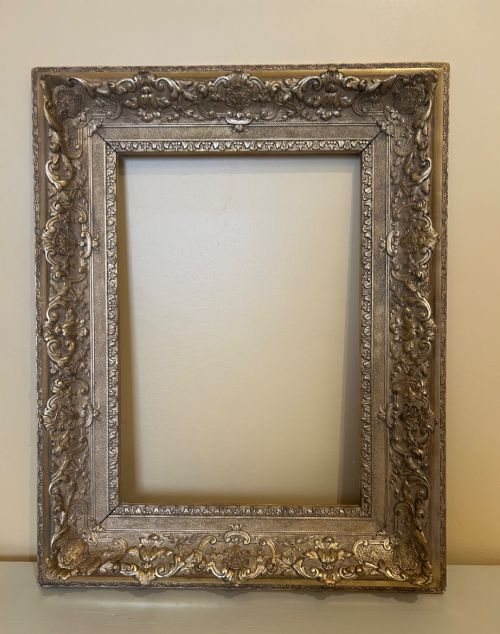
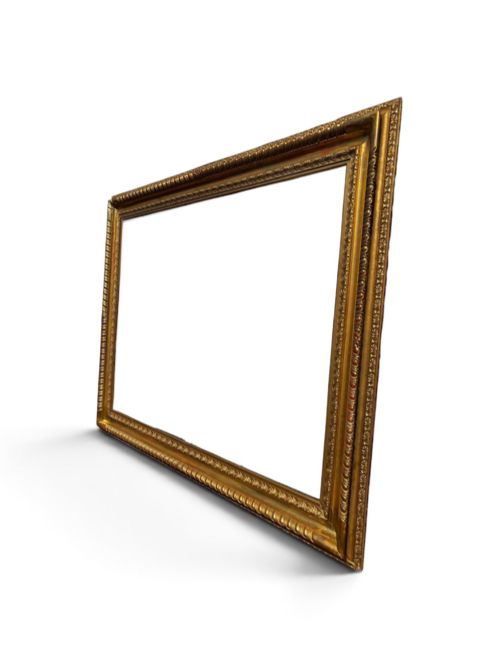
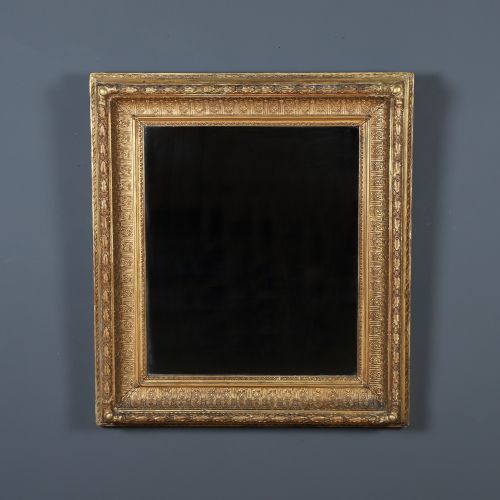
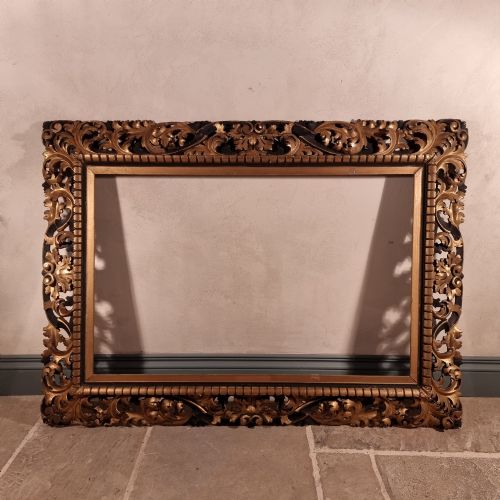
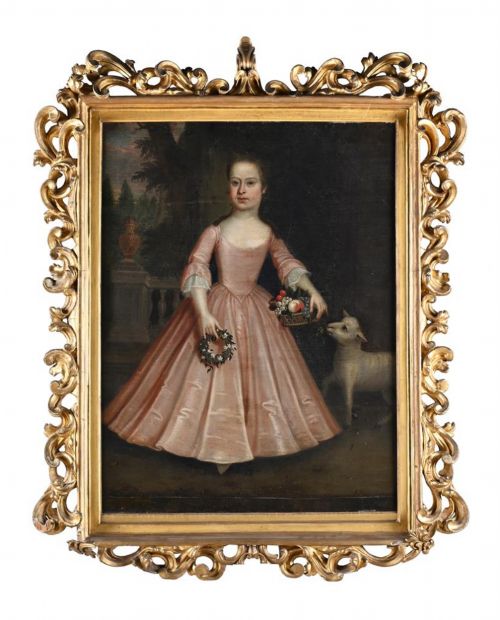

Carved Gilt Framed Picture
A carved gilt framed picture brings together painted canvas and gilded wood to anchor a room.
Carved Gilt Framed Picture
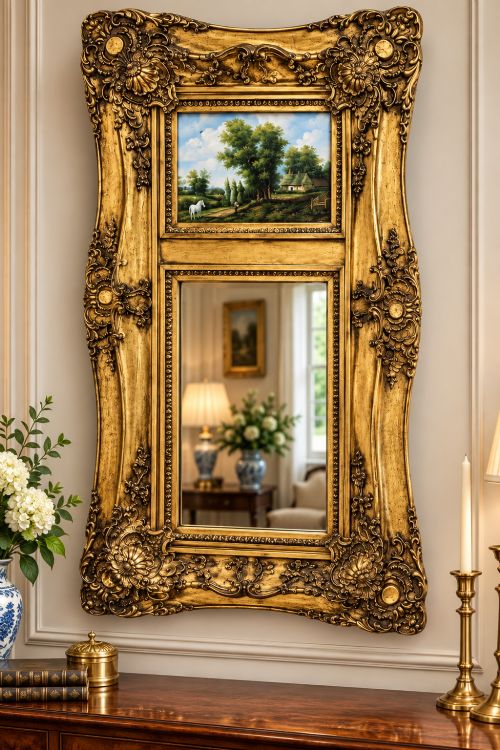
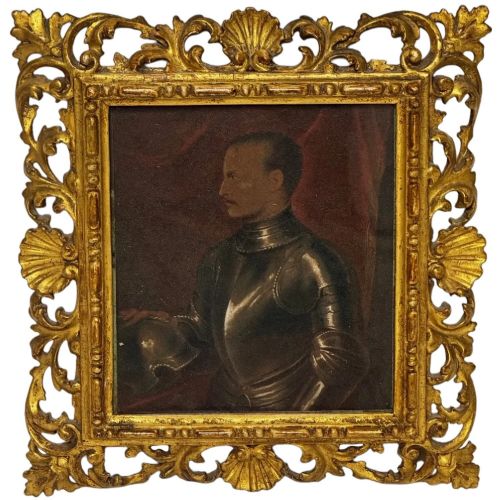
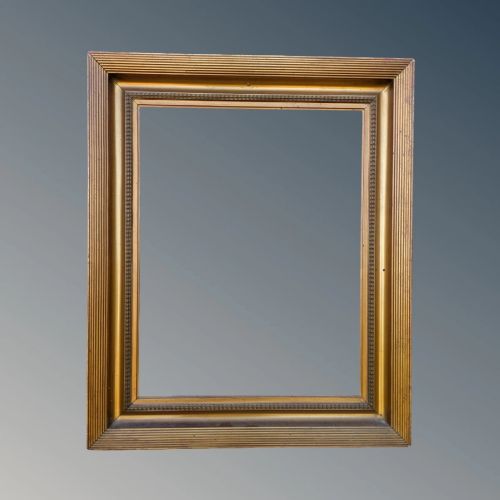
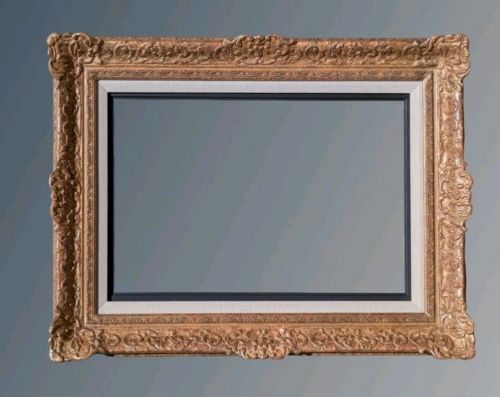
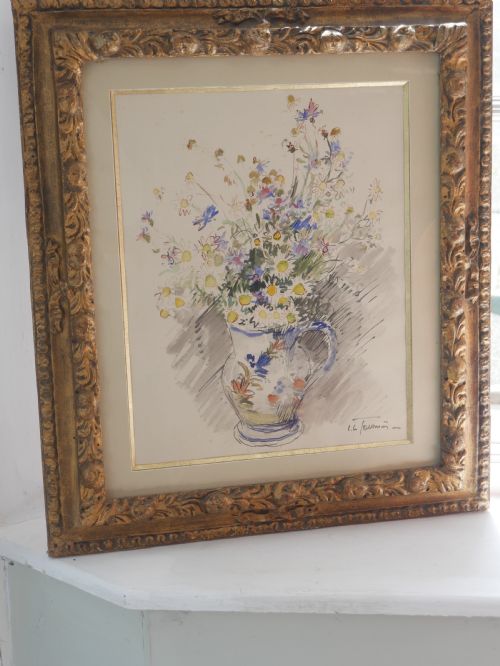
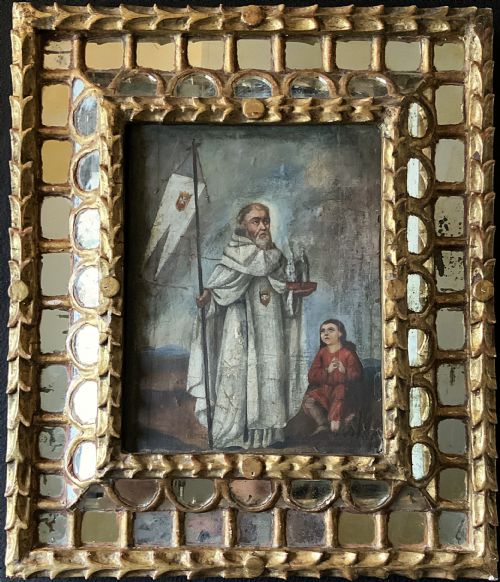
A carved gilt framed picture combines an oil painting, portrait, or mirror with a decorated wooden surround.
You will most frequently meet nineteenth-century and Victorian examples on this page, alongside earlier seventeenth and eighteenth-century works.
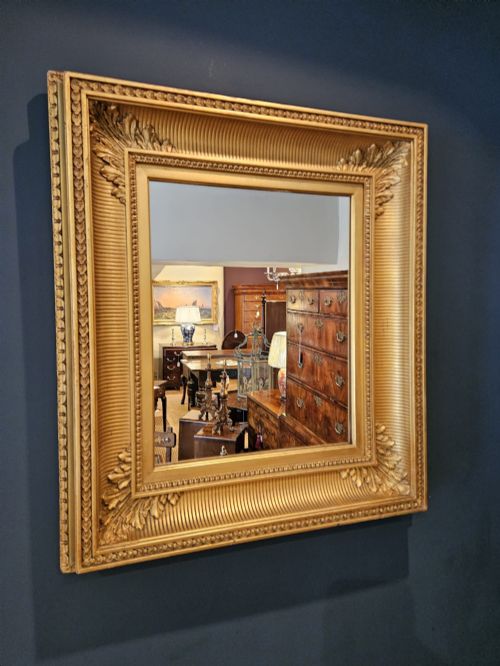
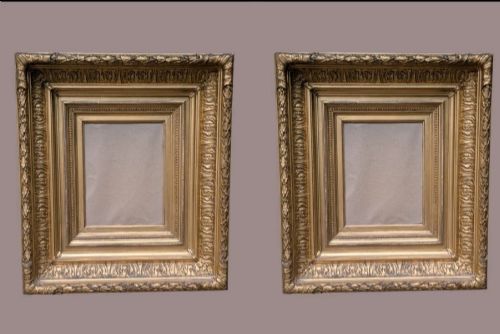
The form spans heavy wall mirrors, deep swept mouldings, and portrait canvases housed in matching decorative borders.
Materials and Technique
Carved wooden structures receive layers of gesso to build up smooth surfaces and relief ornamentation before gilding.
Gold leaf or gilt application provides the luminous finish that defines the frames, paired with oil paint on canvas or wood panels.
Listings feature periods spanning from the 16th century to the 1950s, utilising gesso, giltwood, oil on canvas, and glass.
Assessing Quality in Gilt Frames and Paintings
Depth of carving and crispness in leaf or floral motifs distinguish masterwork frames from simpler production pieces.
The harmony between the canvas or mirror plate and its surrounding gesso moulding determines the visual balance of the object.
Sir Godfrey Kneller·Sir Anthony van Dyck·Gian Paolo Pace·John Douglas Perrett·Landseer
The Carved Gilt Framed Picture Glossary
- Gesso
- A plaster mixture applied to wood frames as a base for gilding. It allows craftsmen to carve intricate relief details before applying gold leaf.
- Giltwood
- Timber coated with gold leaf or metallic paint. This material gives antique frames their characteristic warm reflectivity.
- Swept frame
- A moulding style featuring flowing, undulating curves and scrolls. Popular in nineteenth-century workshops for oil paintings.
- Cassetta frame
- A flat-profile architectural frame type. This Italian Renaissance form uses central mouldings and wide borders.
- Linen slip
- An inner fabric border placed between the canvas and the outer gilt frame. It provides a neutral visual transition for oil paintings.
Carved Gilt Framed Picture: Frequently Asked Questions
How do I date a gilt frame?
Dating relies on examining the underlying gesso, wood construction, and stylistic clues within the carving.
Victorian pieces often display deep acanthus leaf decoration, while earlier seventeenth and eighteenth-century examples show distinct cassetta or baroque profiles.
What is a Montparnasse frame?
A Montparnasse frame is a specific twentieth-century style associated with artists' studios in Paris.
These frames generally feature simpler geometric or stepped wooden profiles rather than heavy ornamental gilding.
Are these frames suitable for mirrors?
Many large antique frames house wall mirrors or overmantle glasses alongside traditional oil paintings.
Some pieces combine nineteenth-century giltwood frames with newly installed glass plates for functional display.
How do I care for giltwood?
Giltwood requires dry dusting with a soft brush to protect the delicate gold leaf and gesso layers.
Avoid liquid cleaners and direct sunlight to preserve the original surface finish.