

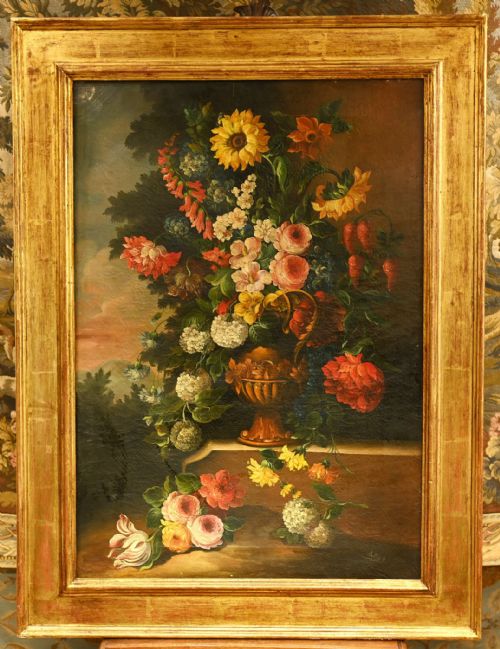


Framed Urn Flower Painting
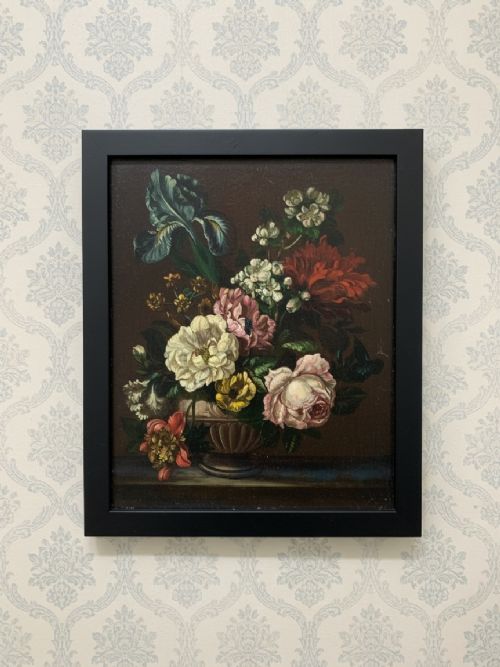
These framed urn flower painting works capture floral arrangements set within classical vessels, offering traditional decorative appeal for period interiors.
Framed Urn Flower Painting
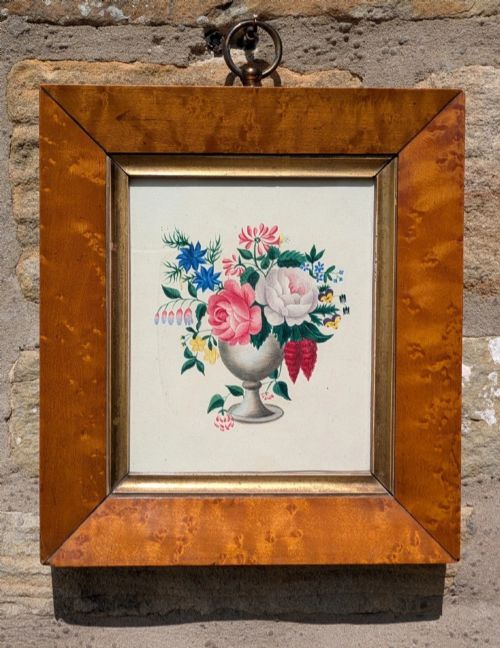
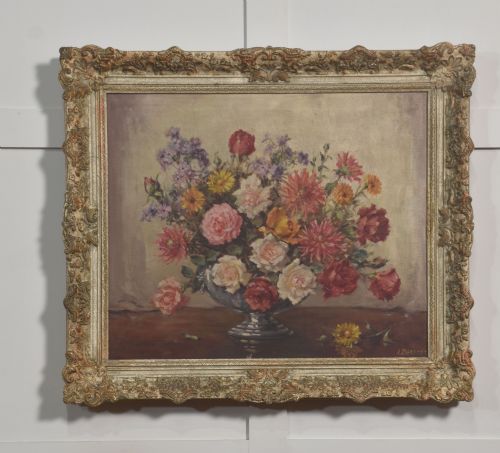
A framed urn flower painting presents a formal botanical arrangement held within an urn or vessel, rendered in oils or watercolour across various historic periods. Buyers examining this category encounter works ranging from early nineteenth century examples to twentieth century revivals drawing on Dutch Golden Age traditions.
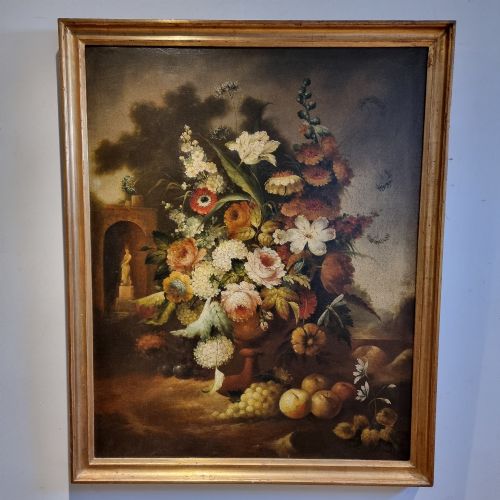
The compositions on this page frequently combine oil paint on canvas or wood panel with gilded wood frames, reflecting styles such as Flemish Revival, Post-Impressionism, and traditional still life. These pieces serve as focal points for wall display, preserving historic floral motifs through detailed brushwork.
How they were made
Makers utilised oil paint on prepared canvas or wood panels, building up layers to render the texture of petals, foliage, and the hard surfaces of classical urns. Watercolours on paper also appear, offering lighter botanical studies framed behind glass.
Frames are constructed from wood, frequently incorporating giltwood or gilded finishes that complement the darker, richer tones of the painted subjects within.
Framed Urn Flower Painting Retail Price Guide 2026
Typical asking prices for framed urn flower painting among the pieces listed under this phrase on Sellingantiques today, from the lower quarter to the upper quarter. They describe what is for sale here now, not the wider market.
A solitary pigeon occasionally shares the canvas with the flowers and fruit.
What varies in quality
The refinement of brushwork defines the upper tier of these works, where individual petals and the play of light on the urn show close observation. Lesser examples rely on repetitive application and stiffer floral groupings.
Frame construction and the integration of original gilding significantly influence the visual impact of the piece. Surviving frames that match the period of the painting elevate the overall integrity of the work.
I. Berezny·Terence Loudon·B Singleton
The Framed Urn Flower Painting Glossary
- Canvas
- A heavy woven fabric stretched across a wooden frame to serve as a support for oil paint. It provides a slightly textured surface that holds layered pigment.
- Giltwood
- Wood that has been coated with a thin layer of gold leaf or gilt powder. This finish is typical of decorative frames from the Regency and later periods.
- Oil Paint
- A slow-drying paint made by mixing pigments with oils such as linseed. This medium allows for deep colour saturation and subtle blending.
- Panel
- A flat piece of wood used as a rigid support for painting instead of canvas. Wooden panels are common in earlier works and provide a smooth surface.
- Still Life
- A painting featuring inanimate subject matter, typically commonplace objects such as flowers and fruit. In these pieces, the arrangement centres on an urn or vase.
Framed Urn Flower Painting: Frequently Asked Questions
What periods do these paintings date from?
The works span from the eighteenth century through the Regency era and into the twentieth century. Revival styles from later decades also draw inspiration from these earlier periods.
Specific dates on this page include pieces from eighteen hundred, nineteen twenty, nineteen thirty, and nineteen forty, alongside broader nineteenth century examples.
What materials are used in these works?
Artists employed oil paint on canvas, wood panel, or board, while some botanical watercolours appear on paper. Gilded wood and giltwood frames enclose the majority of the paintings.
These traditional materials ensure durability and maintain the historic character of each framed piece.
How should I hang a heavy framed painting?
Ensure the wall fixing is secured into a stud or uses appropriate wall anchors capable of supporting the weight of a wooden and gilded frame. Heavy oil paintings require robust picture wire and fixings.
Position the centre of the painting at eye level to achieve the best visual balance in a room.
Do these paintings feature original frames?
Many works retain frames appropriate to their period of creation, such as gilded wood mouldings from the nineteenth century. Some pieces may have been reframed during later restoration work.
Examining the corner joints and the wear on the gilding helps determine the age relationship between the painting and its frame.