
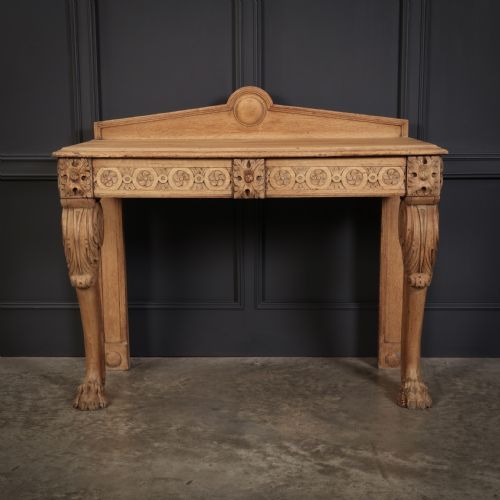


Carved Frieze Hall Table
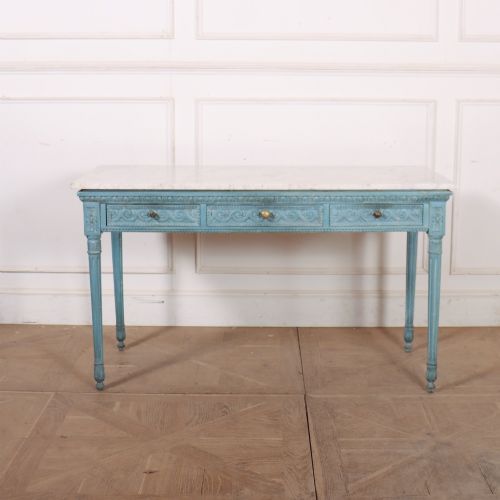
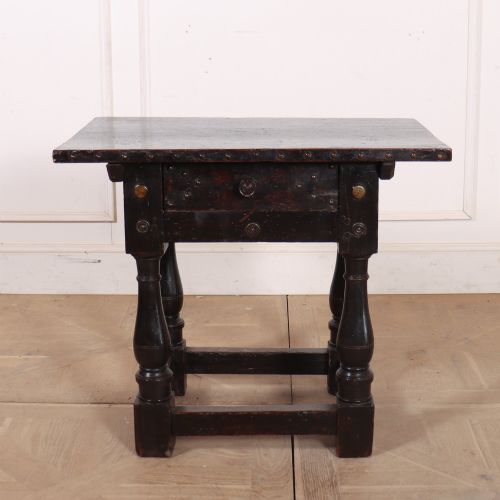
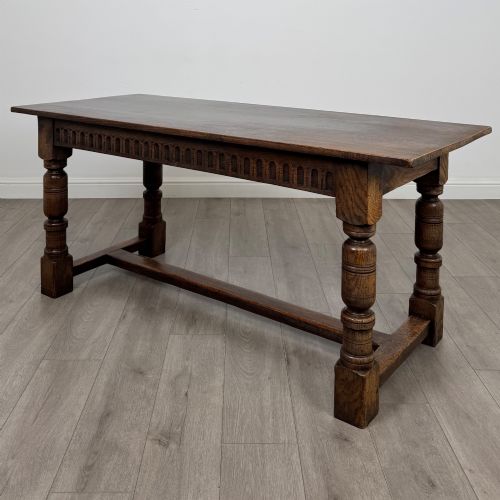
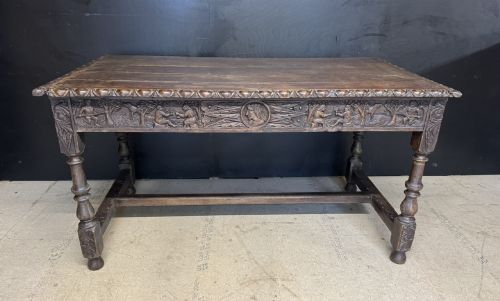
A carved frieze hall table brings architectural depth to an entrance, offering surface space and sculptural woodwork rooted in centuries of craftsmanship.
Carved Frieze Hall Table
A carved frieze hall table spans forms identified as console tables, side tables, and occasional tables across varied periods.
The selections encountered here range from seventeenth-century oak examples to nineteenth-century Italian consoles and twentieth-century interpretations.
These pieces function as narrow hallway surfaces, pairing functional tabletops with heavily carved structural borders.
How they were made
Makers utilised solid timbers such as oak, walnut, mahogany, and rosewood, frequently shaping structural elements by hand.
Surfaces often incorporate detailed relief carving along the frieze, complemented by occasional iron or brass hardware.
Selected pieces feature specialist treatments, including painted wood finishes, bleached oak, and fiddleback mahogany veneers.
What varies in quality
The depth and crispness of the frieze carving separate simpler regional carpentry from more ambitious workshops.
The choice of primary timber and veneer selection dictates the visual weight and textural richness of the surface.
Structural integrity relies on the retention of original joints and timber seasoning across centuries of use.
The Carved Frieze Hall Table Glossary
- Frieze
- The horizontal band running directly beneath the tabletop, frequently decorated with relief carving or mouldings. This central zone defines the visual character of the piece.
- Console Table
- A table designed to stand against a wall, historically supported by brackets or legs at the front. These narrow surfaces suit transitional spaces and hallways.
- Refractory Style
- A heavy, long table design adapted from sixteenth and seventeenth-century dining forms. Stretcher rails typically connect the legs for additional bracing.
- Fiddleback Mahogany
- A figured mahogany veneer displaying fine, undulating transverse grain patterns resembling the back of a violin. This decorative timber choice adds distinct chatoyancy to the surface.
Carved Frieze Hall Table: Frequently Asked Questions
Where should I place a hall table?
These tables fit naturally in narrow entryways, corridors, or against living room walls where floor space is at a premium. Their shallow depth allows them to serve as a landing place for keys and correspondence without obstructing movement.
Pairing the table with a mirror or wall hanging creates a balanced focal point upon entering a home. The lower surface area also accommodates small decorative objects or lighting.
How do I care for antique timber surfaces?
Maintain antique oak, walnut, and mahogany by dusting regularly with a soft, dry cloth. Avoid placing tables in direct sunlight or near heat sources to prevent the timber from splitting or warping.
Applying a quality beeswax periodically nourishes the wood and preserves its natural sheen without building up heavy chemical residue.
What is the difference between a console and a side table?
Console tables are traditionally designed to stand directly against a wall, sometimes securing to the wall structure itself for stability. Side tables are free-standing units with four legs intended to sit beside seating or along perimeter walls.
In modern usage, the terms often overlap, particularly when describing antique hall furniture with carved friezes.
How can I tell older oak from later revivals?
Seventeenth-century oak pieces display distinct hand-tool marks, pegged joinery, and patination developed through centuries of handling. Revival pieces from the nineteenth and twentieth centuries often exhibit machine-cut precision and cleaner, more uniform timber surfaces.
Examining the underside and drawer construction reveals the working methods and age of the woodwork.