

Carved French Provincial Furniture
Carved french provincial furniture brings rustic regional character and skilled hand-carving together, offering practical storage with distinct historical charm for everyday rooms.
Carved French Provincial Furniture
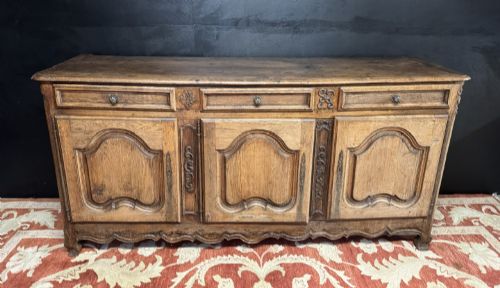
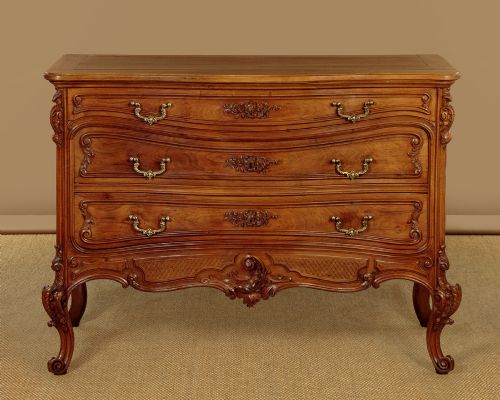
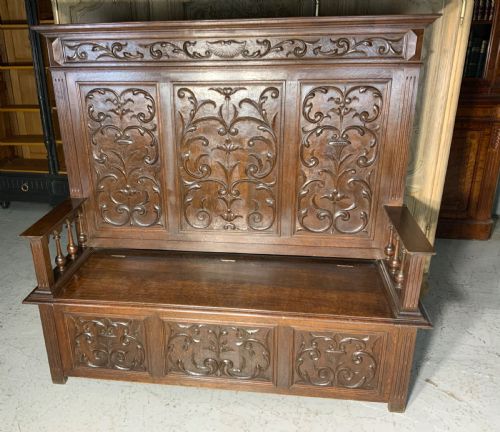
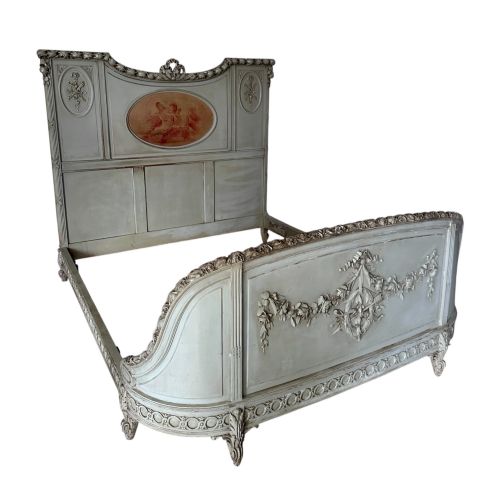
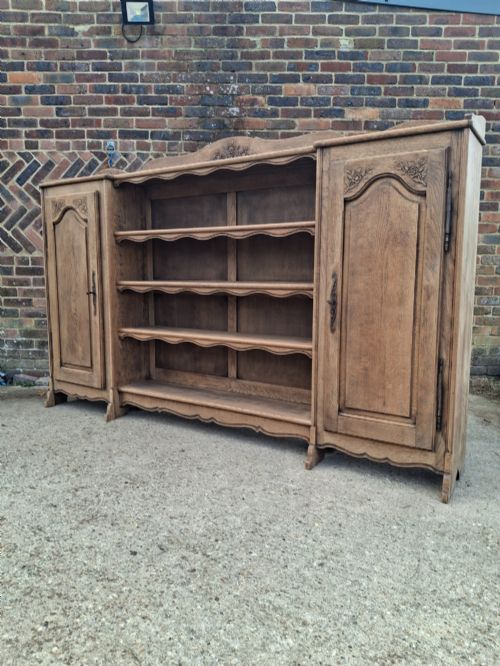
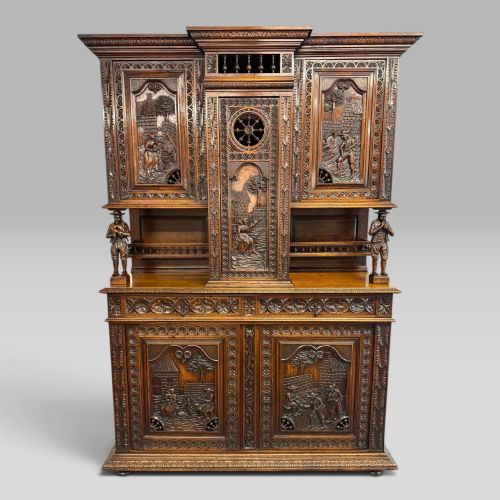
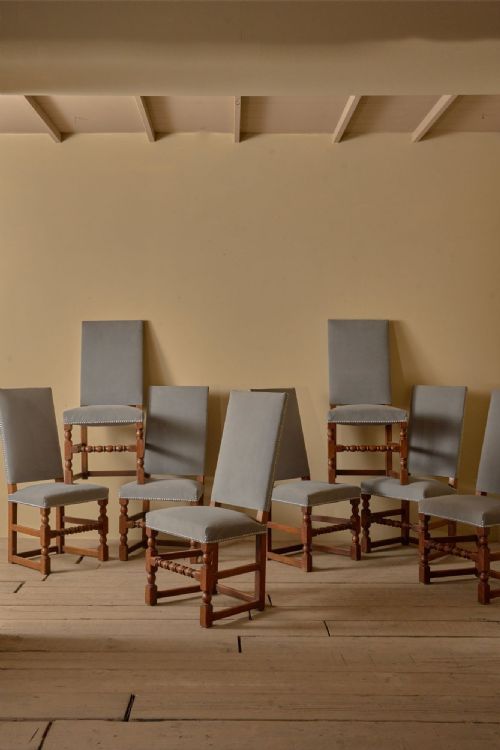
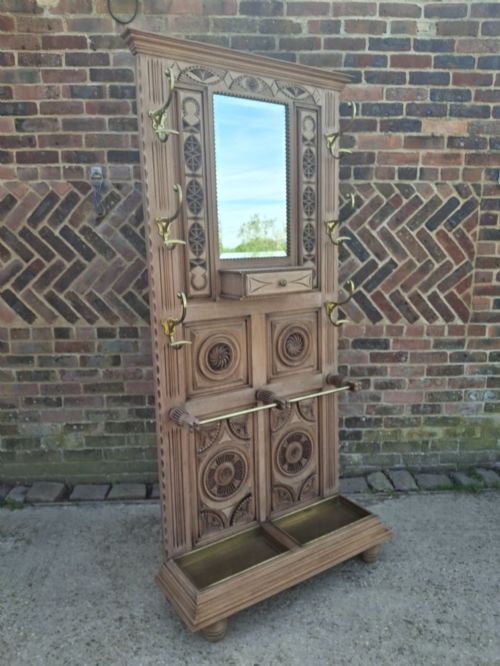
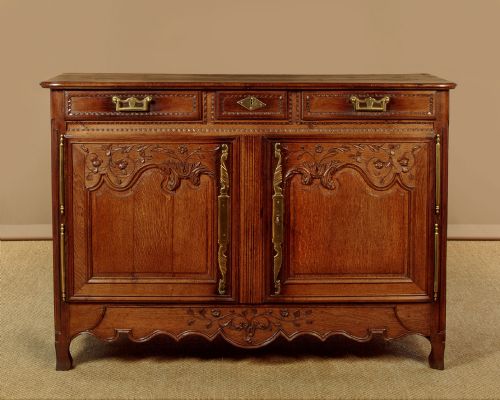
When you search for carved french provincial furniture, you encounter solid timber storage pieces, seating, and tables originating from various regions of France. The selection spans centuries of regional craftsmanship, from early eighteenth-century commodes to later nineteenth-century sideboards and cabinets.
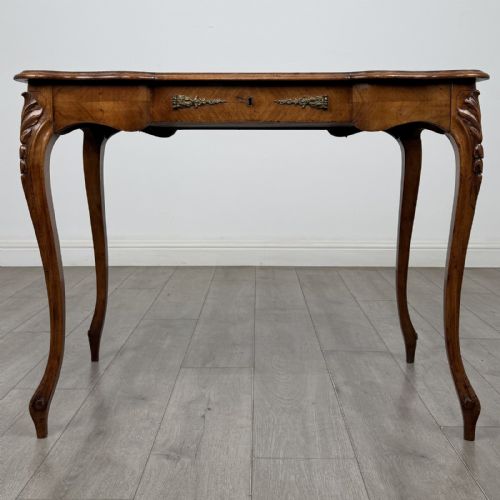
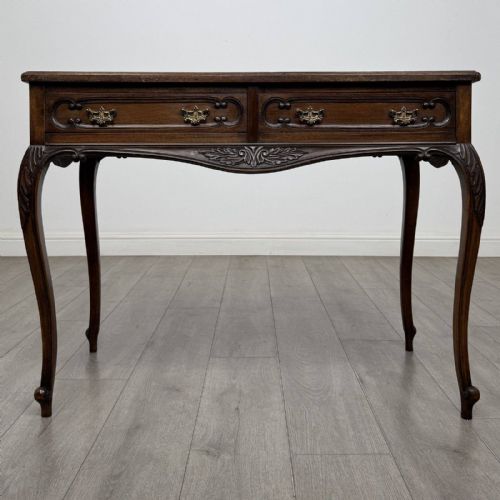
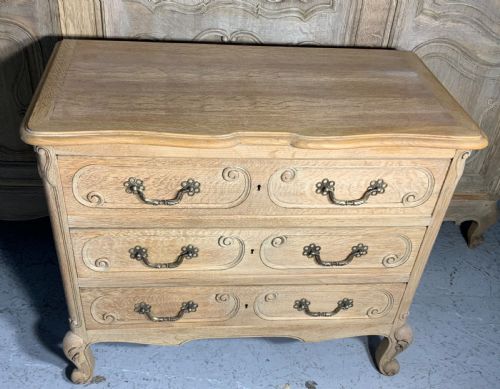
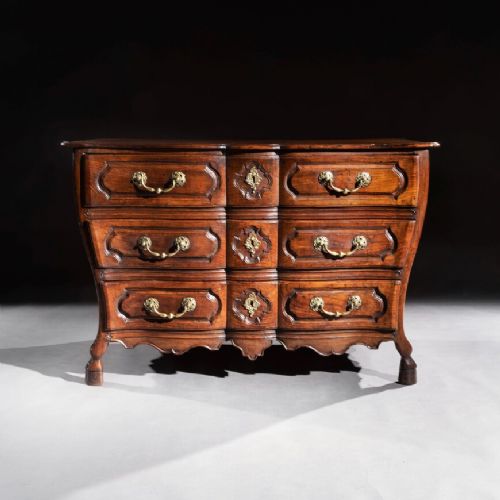
You are most likely to meet eighteenth-century commodes, chests of drawers, and oak sideboards on this page, alongside simpler bedside tables and washstands from the twentieth century. These items reflect the domestic needs of provincial households, favoring robust timbers and practical forms over courtly restraint.
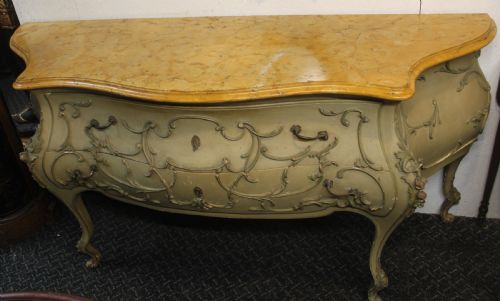
The regional variety encompasses walnut, chestnut, and oak pieces displaying local carving motifs, serpentine fronts, and bombe shapes. Each item demonstrates how provincial makers adapted metropolitan Louis styles to suit local materials and workshops.
Materials and Construction Techniques
Local timbers such as solid oak, walnut, chestnut, fruitwood, and elm form the structural foundation of these regional pieces, chosen for availability and durability. Craftsmen utilised hand-carving techniques to shape panels, apply floral motifs, and render cabriole legs directly into the dense wood.
Joinery methods rely on pegged mortise and tenon frames, hand-cut dovetails for drawer construction, and shaped panels fitted to allow for seasonal wood movement. Surfaces often exhibit original finishes, wax polishes, or later bleaching treatments that highlight the grain and carved details.
Carved French Provincial Furniture Retail Price Guide 2026
Typical asking prices for carved french provincial furniture among the pieces listed under this phrase on Sellingantiques today, from the lower quarter to the upper quarter. They describe what is for sale here now, not the wider market.
Materials span regional French hardwoods including chestnut, elm, beech, fruitwood, and dense structural oak.
Distinctions in Quality
The standard of carving distinguishes standard utility items from finer workshop commissions, with crisp undercutting and balanced proportions indicating higher skill. The choice of timber also dictates quality, as burr elm, finely figured walnut, and quarter-sawn oak demand greater expertise to work.
Original hardware, sound structural integrity without excessive timber replacement, and retained surface patination elevate a piece's standing. Inferior examples suffer from clumsy later alterations, replaced drawer linings, or heavy-handed stripping that removes the historical skin of the wood.
The Carved French Provincial Furniture Glossary
- Commode
- A low chest of drawers or cabinet, frequently featuring a serpentine or bombe profile. These pieces served primarily in bedrooms and reception rooms for storing linens and personal items.
- Bombe
- A bulging, outward-curving chest or commode shape that swells on the front and sides. This French cabinet-making technique requires advanced wood-shaping skills.
- Panetiere
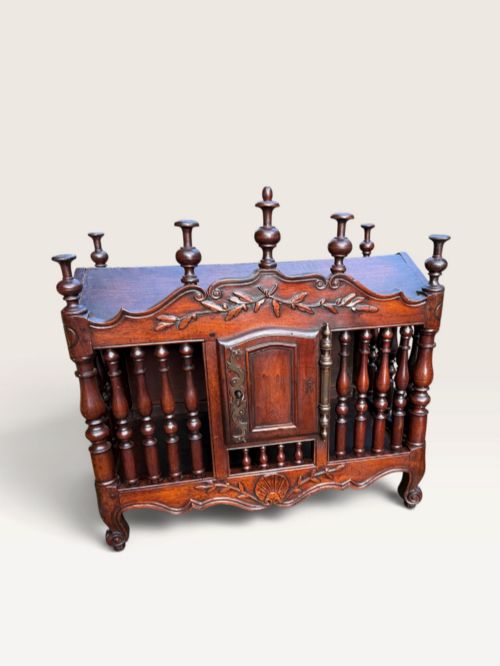
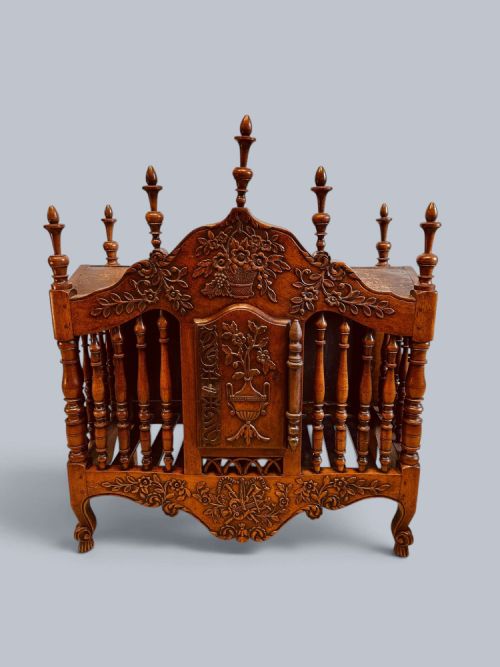
- A traditional freestanding wooden bread cage or food cupboard featuring turned spindles for ventilation. Originating in Provence, families used them to store loaves out of reach of household pests.
- Buffet deux corps
- A tall two-tier storage cupboard featuring a smaller upper cabinet set upon a deeper lower sideboard base. These substantial pieces provided principal storage in French provincial dining rooms.
- Bergere
- An enclosed upholstered armchair with wooden framing and a padded seat. Provincial versions often incorporate cane work on the back and sides.
Carved French Provincial Furniture: Frequently Asked Questions
What defines provincial furniture?
Provincial furniture refers to pieces made outside Paris in the French regions by local cabinet-makers rather than royal guild workshops. These items interpret metropolitan styles like Louis XV using native timbers and regional carving traditions.
Craftsmen adapted high-style designs to suit local domestic requirements, resulting in sturdy, practical forms with distinct regional character.
How do I date a commode?
Dating relies on examining construction methods, timber choice, and the evolution of hardware and carving styles. Eighteenth-century examples often feature hand-cut dovetails, pegged joints, and solid walnut or chestnut construction.
Later nineteenth- and twentieth-century interpretations utilise machine assistance or display revival decorative elements that mimic earlier stylistic periods.
Where were these pieces used?
Original owners placed these furnishings throughout provincial farmhouses, chateaux, and townhouses for daily domestic utility. Chests and commodes stored garments and linens in bedrooms, while buffets and cupboards served kitchens and dining areas.
Today, buyers integrate them into modern interiors as statement storage units in hallways, living rooms, and bedrooms.
Are these pieces made of solid wood?
Traditional provincial furniture utilises solid native hardwoods such as oak, walnut, chestnut, and fruitwood throughout the primary structure and drawer linings. Joinery methods depend on the natural weight and stability of these solid timbers.
Secondary woods or applied veneers appear less frequently in early regional pieces compared to urban Parisian workshops.