



Carved French Lamp Tables
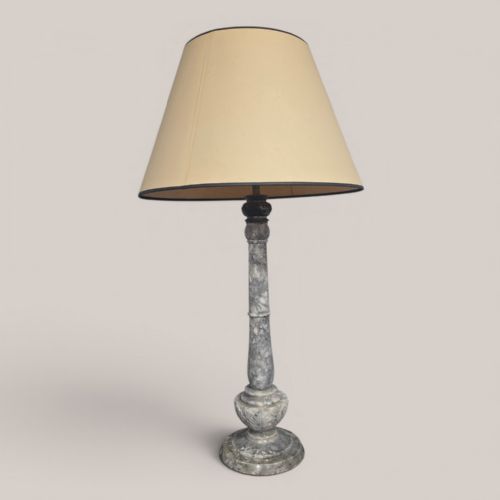
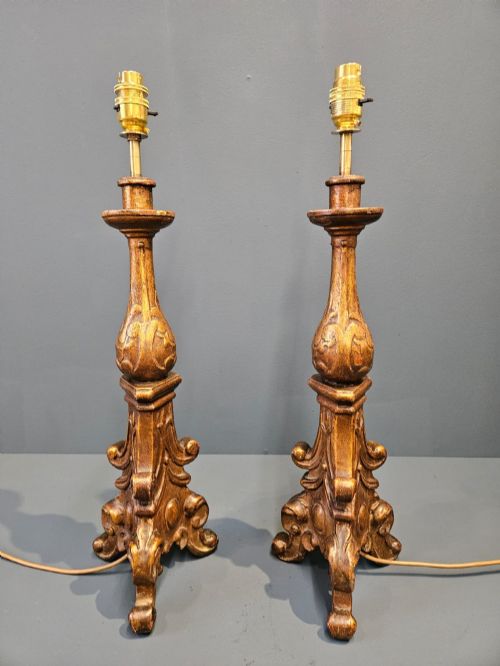
These carved french lamp tables combine decorative timberwork and marble tops to hold lighting in a traditional interior.
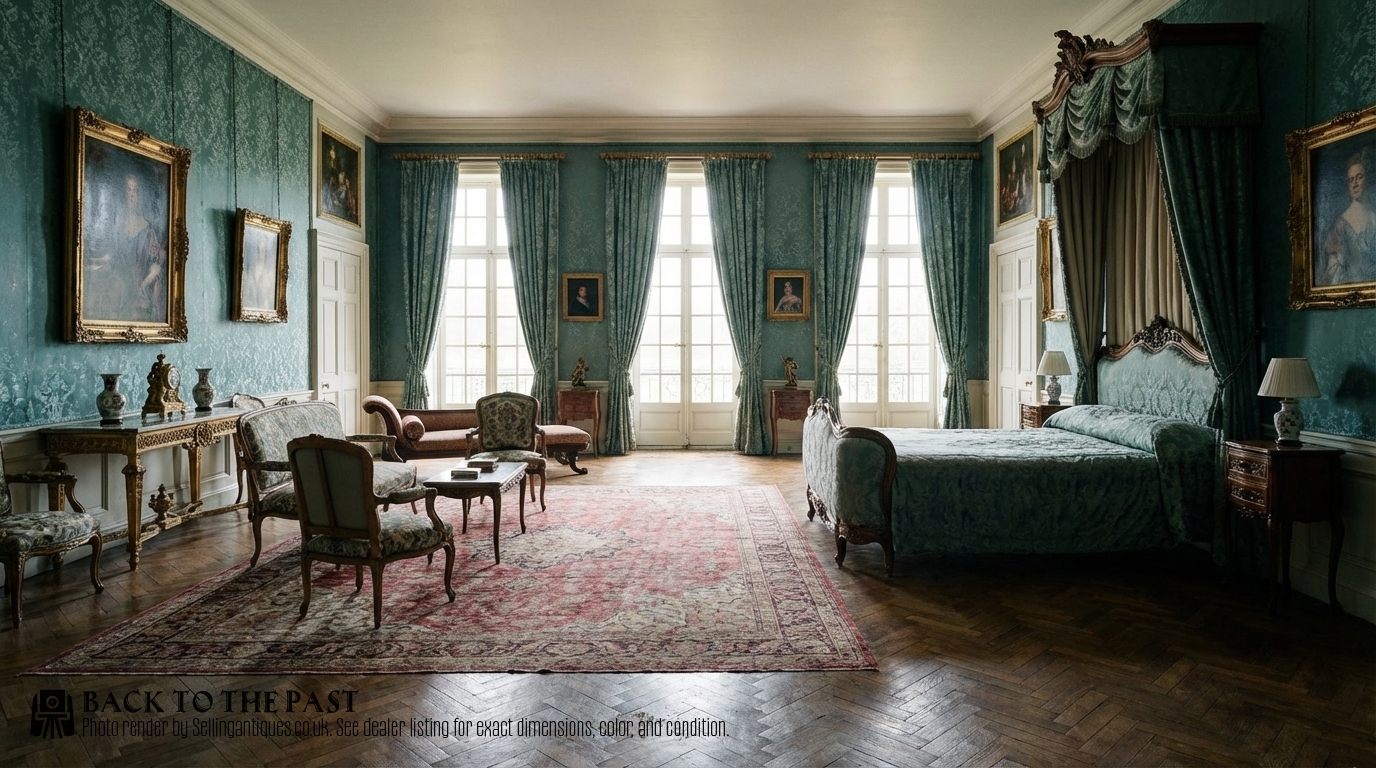
Carved French Lamp Tables
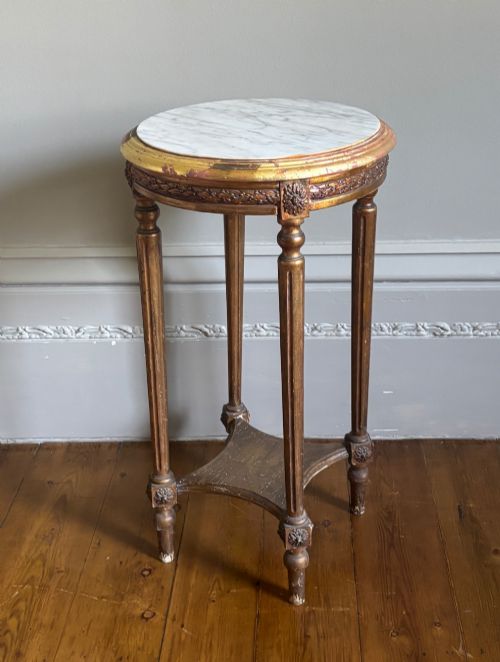
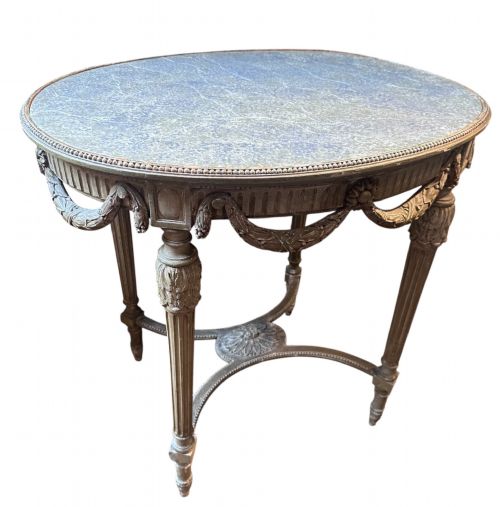
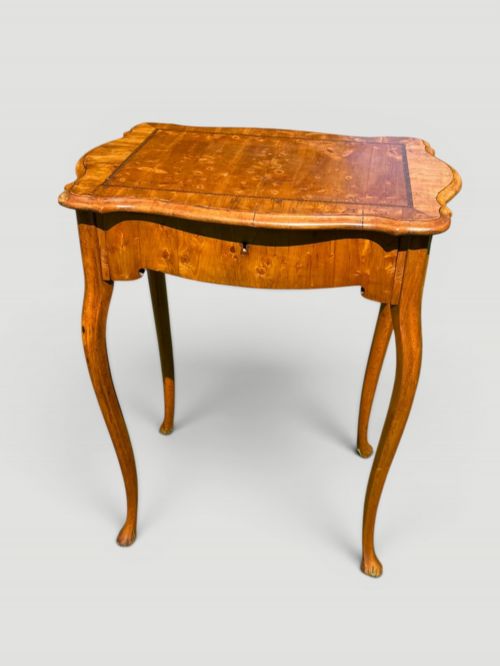
Carved french lamp tables appear in forms such as side tables, occasional tables, centre tables, bedside tables, and gueridon tables, alongside pieces adapted to hold lighting. They date across the eighteenth, nineteenth, and early twentieth centuries, reflecting changing stylistic revivals from the periods recorded.
The pieces on this page emerge predominantly from nineteenth century workshops and later decades, featuring structural timber forms paired with stone or gilt surfaces. Walnut, oak, mahogany, and rosewood supply the main wooden framing for these supports.
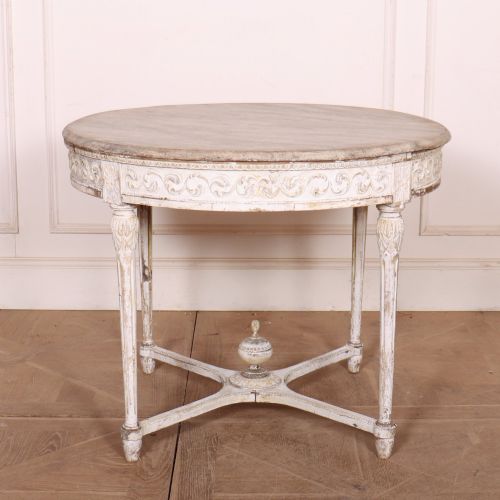
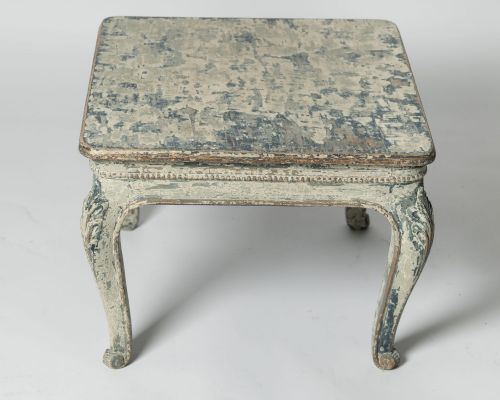
Makers drew upon French Provincial, Louis XV, Louis XVI, Neoclassical, Rococo, and Empire designs to shape the legs, aprons, and surfaces of these occasional pieces. Many incorporate circular or shaped tops designed to sit beside seating or support lighting fixtures.
How they were made
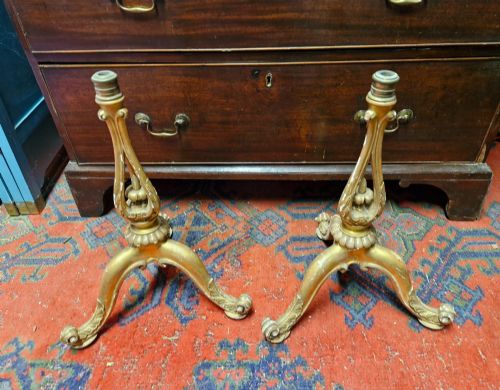
Carpenters and cabinetmakers shaped walnut, oak, mahogany, and rosewood using traditional joinery, incorporating turned supports, barley twist stems, and carved detailing along the legs and aprons. Giltwood, silver leaf, and gilt bronze mounts were applied to enhance the decorative outline of the timber and metal frames.
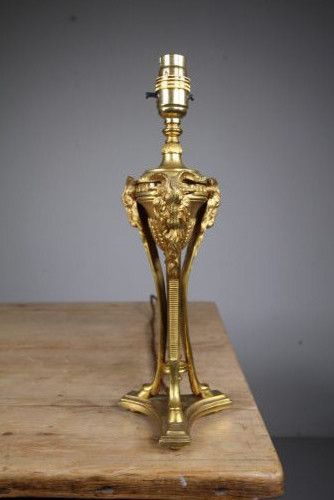
Insets of white or coloured marble, along with occasional onyx and canework, provide the upper surfaces for these tables, supported by wooden or gilt structures. Ormolu mounts, rams heads, and brass accents were cast and fixed to the corners and friezes of specific models.
The listings here span the eighteenth, nineteenth, and early twentieth centuries, incorporating materials such as marble, brass, giltwood, and walnut.
What varies in quality
The crispness of hand-carved detail in the wood and the quality of the gilding separate standard production from finer output. Deeply undercut foliage, balanced proportions, and clean joints indicate higher workshop standards during the construction process.
The grade and thickness of the fitted marble top, together with the precision of cast ormolu and gilt bronze mounts, determine the overall execution. Well-matched timber veneers and original fire-gilded metalwork distinguish the more substantial pieces in this group.
The Carved French Lamp Tables Glossary
- Gueridon
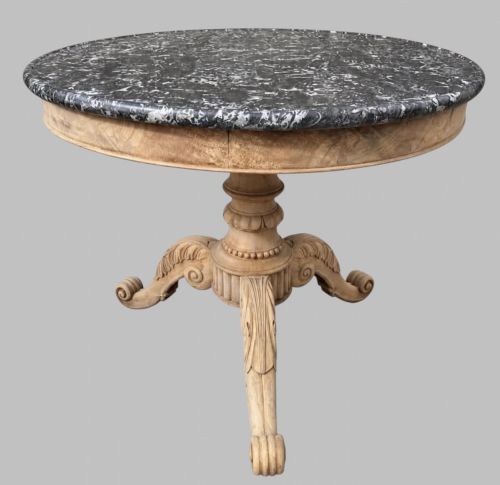
- A small circular table on a central pillar or tripod base, originating in seventeenth-century France. These pieces commonly feature marble tops and carved wooden frames.
- Ormolu
- Gilt bronze mounted or applied to furniture and lighting. The technique involves applying a mercury and gold amalgam to a bronze base before heating.
- Etagere
- A piece of furniture consisting of a set of open shelves for displaying small objects. Examples in the evidence combine oak, marble, and canework.
- Louis XVI Style
- A neoclassical design movement characterised by straight lines, symmetry, and classical motifs such as fluted columns and ribbon twists. It reappeared frequently in nineteenth-century revival pieces.
Carved French Lamp Tables: Frequently Asked Questions
What is a gueridon table?
A gueridon is a small circular table designed for occasional use, typically supported by a central pillar or three legs. These tables often feature inset marble tops and carved wooden frames.
Originating in France, they serve as compact surfaces for lamps, decorative objects, or drinks within a room layout.
How do I style a lamp table?
These tables fit beside armchairs, sofas, or beds to provide a functional surface for illumination and small personal items. Their decorative bases and marble tops allow them to anchor corner spaces or sit between seating.
Parks of carved wood and gilt detailing complement traditional interiors, echoing other antique furnishings in the same room.
What woods were used?
Cabinetmakers utilised walnut, oak, mahogany, and rosewood to construct the frames of these tables. Bleached walnut and figured burr wood also appear among the listed items.
These timbers were selected for their grain and structural stability, often enhanced with carved ornamentation or gilt finishes.
How do I identify the period?
Dating relies on stylistic markers such as Empire rams heads, Louis XVI straight fluted legs, or Rococo curved outlines. Construction methods and wood patination provide further clues to age.
Revival pieces from the late nineteenth and early twentieth centuries often borrow motifs from earlier eighteenth-century reigns.