



Carved Frame Accent Mirror
A carved frame accent mirror brings architectural presence and reflected light to a room through centuries-old woodworking traditions.
Carved Frame Accent Mirror
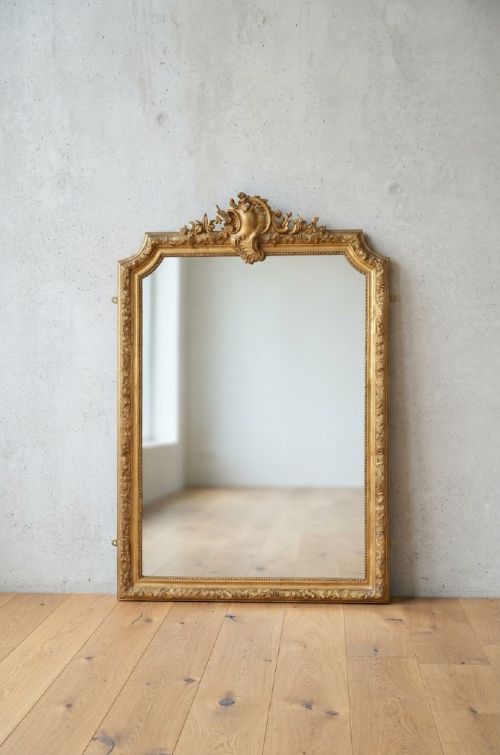
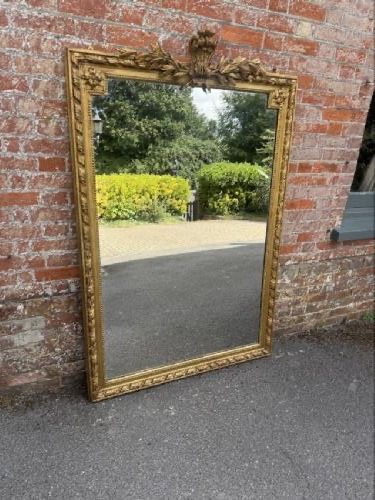
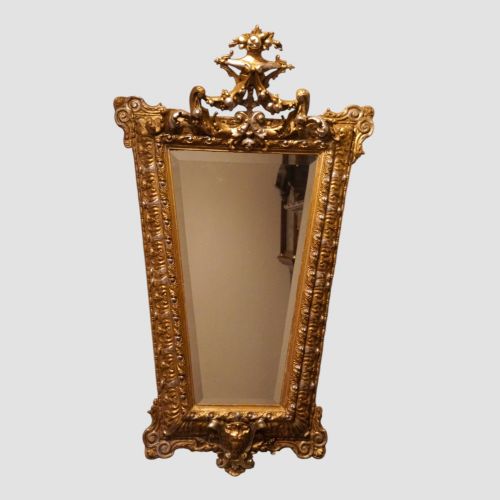
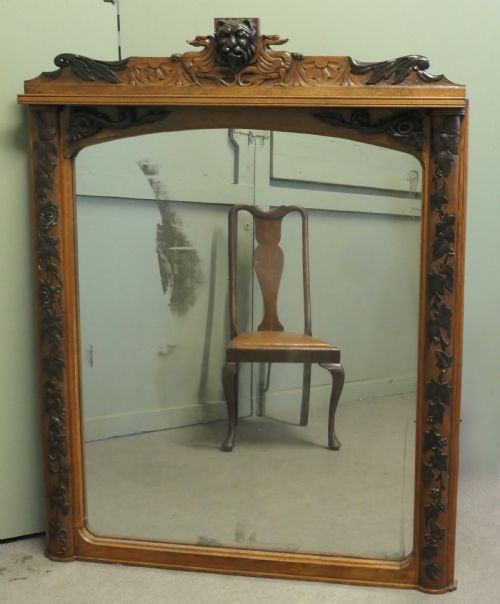
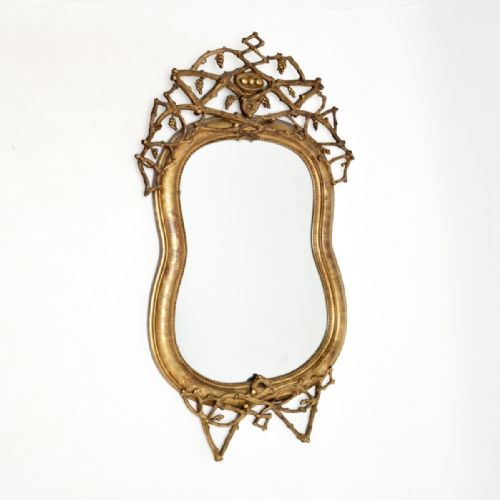
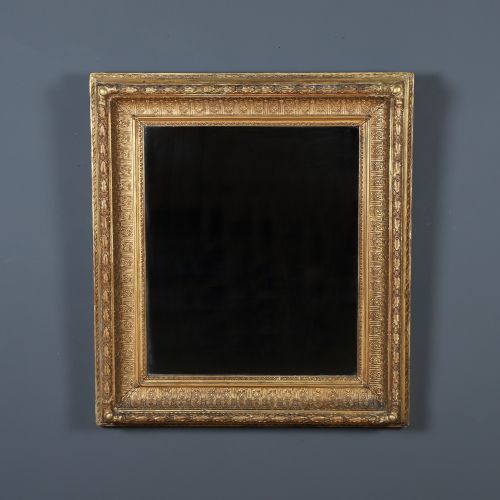
When you search for a carved frame accent mirror, you are looking at decorative wall pieces shaped from timber and finished with ornate surrounds. These mirrors serve both functional and ornamental purposes, historically placed above mantelpieces or along hallways to brighten dark interiors. The selection spans compact Italian Florentine pieces to large French overmantels designed for grand reception rooms.
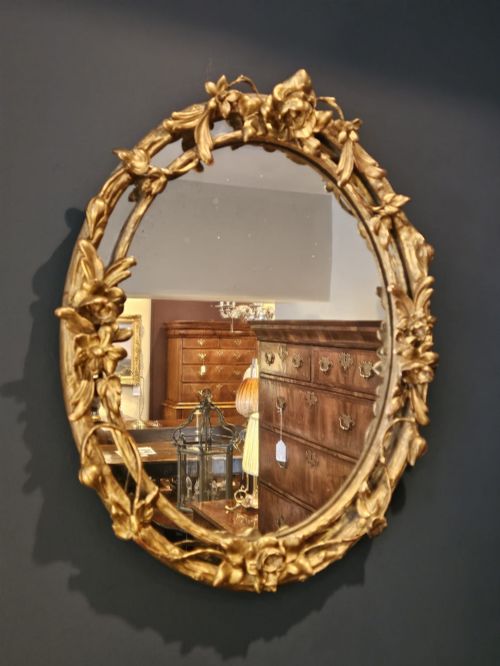
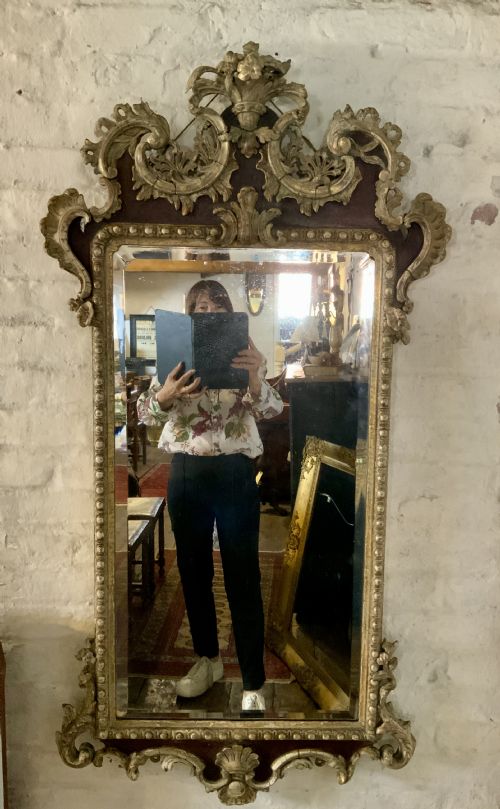
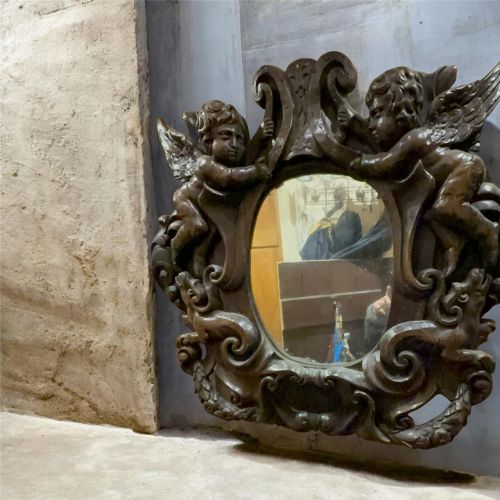
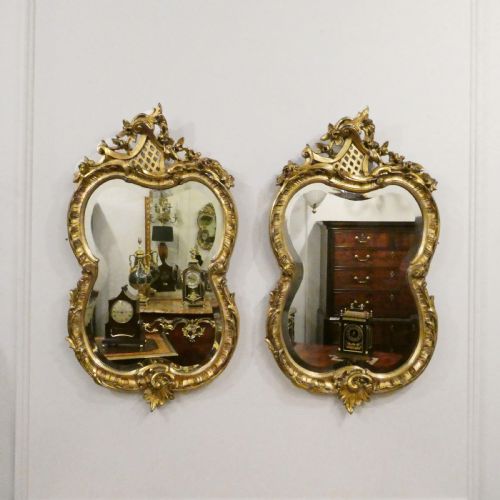
The most common examples encountered on this page date from the nineteenth century, often reflecting Rococo or Baroque revivals. Makers drew on earlier Georgian and eighteenth-century designs, applying heavy carving to woods like oak, walnut, and softer timbers. These pieces range from simple rectangular wall glasses to elaborate cartouche and oval forms with pierced work.
How they were made
Craftsmen shaped the structural surrounds from solid woods such as oak and walnut, or built up intricate surface details using gesso applied over a timber base. This plaster-like mixture allowed carvers to achieve sharp, deep relief work before applying gold leaf or liquid metal finishes. Many Italian and French examples combine carved wood and gesso to create complex scrollwork, leaf motifs, and floral garlands.
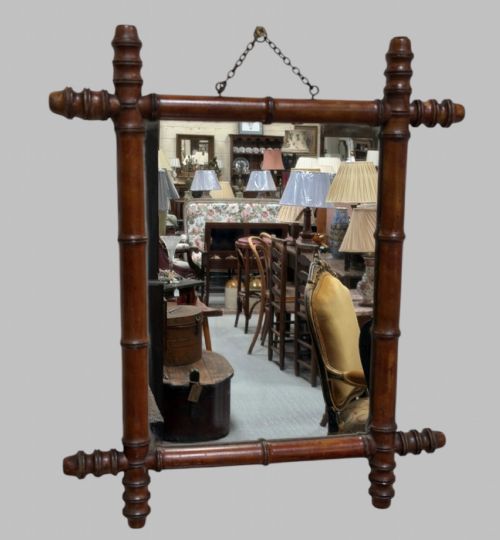
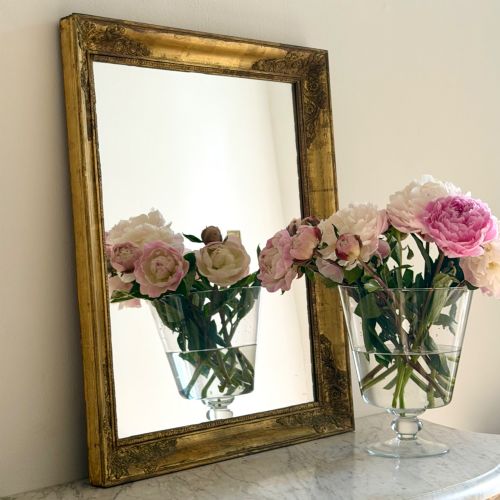
Gilding techniques involved laying thin sheets of gold leaf over a prepared bole ground, which was then burnished to catch the light. Alternatively, some frames received simple hand-painted finishes, simulated wood effects, or dark polishing to highlight the natural grain of the timber. Mirror glass was traditionally silvered and set into the rebated frame, occasionally featuring bevelled edges or hand engraving.
Listings feature 19th-century pieces alongside 18th-century examples, utilising materials such as giltwood, gesso, carved wood, and mirror glass.
What varies in quality
The distinction between ordinary and exceptional pieces lies primarily in the depth and crispness of the hand carving. Finer frames display undercut foliage, symmetrical scrollwork, and clean detailing that shows the direct touch of a skilled artisan rather than mass-produced moulding. The quality of the gilding and the preservation of the original gesso surface also dictate the overall character and visual weight of the mirror.
Structural integrity of the wooden frame and the originality of the mirror plate heavily influence the desirability of these objects. Period mirrors that retain their original silvered glass, backing boards, and fire-gilt surfaces present a more unified historical appearance. Minor losses to delicate gesso ornament are common in pieces of this age, but the crispness of the surviving woodwork remains the primary indicator of merit.
John Belchier
The Carved Frame Accent Mirror Glossary
- Giltwood
- Timber that has been decorated with gold leaf or gold powder applied over a prepared ground. It forms the lustrous finish seen on many nineteenth-century wall and overmantel mirrors.
- Gesso
- A plaster mixture of chalk and binder applied to wood frames to create a smooth surface for carving or gilding. It allows intricate three-dimensional decorative details to be moulded onto the timber.
- Overmantel Mirror
- A large horizontal mirror designed specifically to hang above a fireplace mantelpiece. These pieces frequently feature arched tops or elaborate crestings to fill the vertical wall space.
- Pier Glass
- A tall, narrow mirror historically hung on the pier wall between two windows. They reflect natural light back into the room and often coordinate with console tables placed below them.
- Cartouche
- An ornamental frame resembling a scroll or a shield with rolled edges. This decorative format appears frequently in Rococo revival mirror designs from the nineteenth century.
Carved Frame Accent Mirror: Frequently Asked Questions
Are these mirrors original to the periods stated?
The listings include pieces made during specific historic periods, such as the Georgian and Victorian eras, alongside later revival styles. Stylistic indicators like joint construction and wood species help confirm the manufacturing era.
Some nineteenth-century pieces deliberately emulate earlier eighteenth-century designs, such as Louis XV or George II patterns. Examining the backboards, fixings, and glass provides clear clues to the true age of the object.
How do I clean an antique giltwood frame?
Giltwood frames require extremely gentle maintenance to preserve the delicate gold leaf and underlying gesso. Dusting should be done lightly with a soft, dry brush rather than a cloth that might snag on intricate carvings.
Moisture and modern chemical cleaners will strip or damage historic gilding instantly. If stubborn dust settles in deep recesses, a dry artist's brush offers the safest method for clearing the crevices.
What is the difference between an overmantel and a wall mirror?
Overmantel mirrors are specifically proportioned in a wide, horizontal format to sit comfortably above a fireplace hearth. They were historically designed to draw light from windows across the length of the mantelpiece.
Standard wall mirrors feature square, vertical, oval, or cartouche formats suited for general placement around a room. Their proportions respond to furniture groupings rather than the specific architectural span of a chimney breast.