






Carved Floral Hardwood Stand
These carved floral hardwood stand examples bring intricate craftsmanship and rich timber tones to any interior.
Carved Floral Hardwood Stand
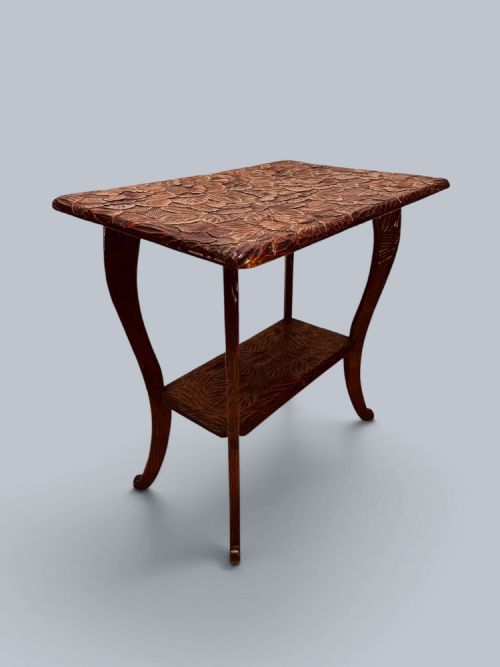
A carved floral hardwood stand serves as a decorative platform for plants, vases, and ornamental objects within the home. These pieces emerge across the nineteenth century and the early twentieth century, reflecting various regional influences.
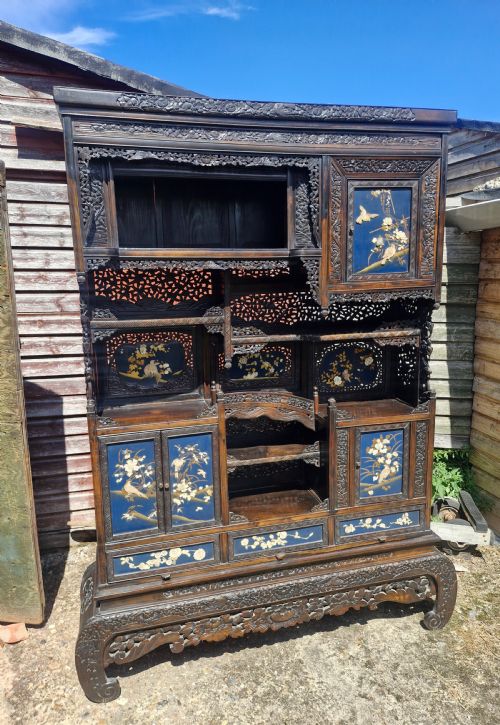
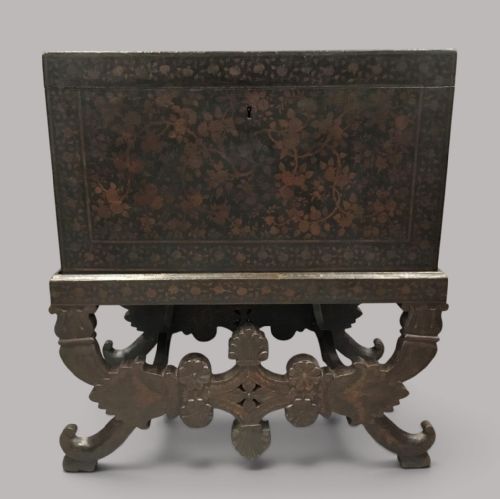
The selections on this page predominantly showcase Chinese Export, Anglo-Indian, and Victorian designs, rendered in robust timbers. Buyers encounter forms ranging from plant stands and jardiniere supports to occasional tables and vase pedestals.
Originating from diverse cultural workshops, these items integrate floral carving traditions with practical domestic utility. Each piece displays distinct regional carving motifs upon dense hardwood surfaces.
Materials and construction
Woodworkers utilise dense timbers such as rosewood, teak, and hongmu to construct these supports. These materials provide the structural integrity necessary for intricate, deep-relief floral carving.
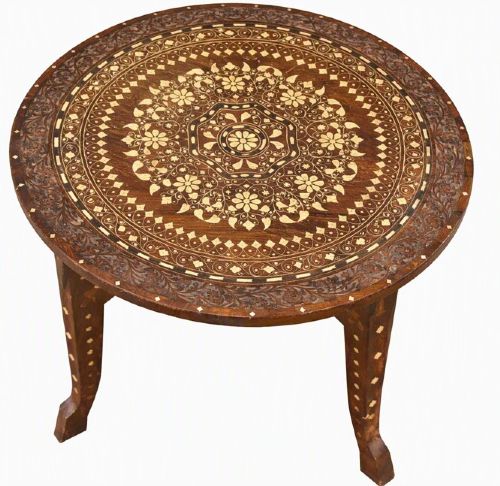
Artisans enhance select surfaces with contrasting details, incorporating marble inserts, bone inlay, and mother of pearl elements. These additions create textural variety against the dark, carved hardwood foundations.
Carved Floral Hardwood Stand Retail Price Guide 2026
Typical asking prices for carved floral hardwood stand among the pieces listed under this phrase on Sellingantiques today, from the lower quarter to the upper quarter. They describe what is for sale here now, not the wider market.
Listings feature items from the nineteenth century, the Victorian era, and the nineteen-twenties, incorporating rosewood, teak, and marble.
Assessing quality
The depth and crispness of the floral carving dictate the visual impact of the piece. Superior examples exhibit undercut foliage and sharp botanical details executed by skilled hands.
The selection of secondary materials, such as a finely figured marble inset or precise bone inlay, separates standard production from exceptional work. Structural stability and the preservation of the original timber finish further define the tier of the piece.
Liberty & Co·Liberty of London
The Carved Floral Hardwood Stand Glossary
- Hardwood
- Dense timber derived from broad-leaved trees, providing a durable substrate for intricate carving. It forms the primary structural material for these stands.
- Jardiniere
- A large ornamental pot or container for plants and flowers. These stands often support such vessels to elevate greenery within a room.
- Hongmu
- A traditional Chinese term for dense, red-toned hardwoods utilised in fine furniture. These timbers accommodate complex floral relief work without splintering.
- Bone Inlay
- Decorative technique involving small pieces of bone set into recesses within the wood surface. This method creates contrasting geometric or floral patterns.
- Anglo-Indian
- Style reflecting the cultural exchange between British taste and Indian craftsmanship during the colonial period. These pieces combine familiar European forms with dense regional carving.
Carved Floral Hardwood Stand: Frequently Asked Questions
What were these stands used for?
These pieces served as elevated surfaces for displaying decorative items, potted plants, and urns in formal rooms.
Their sturdy construction allowed them to hold heavy marble top inserts and large vases safely.
How do I style a hardwood stand at home?
Place a plant, a ceramic vase, or a lamp upon the surface to highlight the carved floral details.
They function effectively as occasional tables or plant pedestals in corners and beside seating.
How do I tell Chinese Export pieces from Anglo-Indian work?
Chinese pieces often utilise rosewood or hongmu with marble inserts and structured floral motifs.
Anglo-Indian examples frequently feature dense overall carving in teak, sometimes incorporating bone inlay.
What periods do these stands come from?
The listings span the nineteenth century, the Victorian era, and the early twentieth century.
Craftsmen during these periods drew on traditional Qing Dynasty designs and colonial aesthetics.