
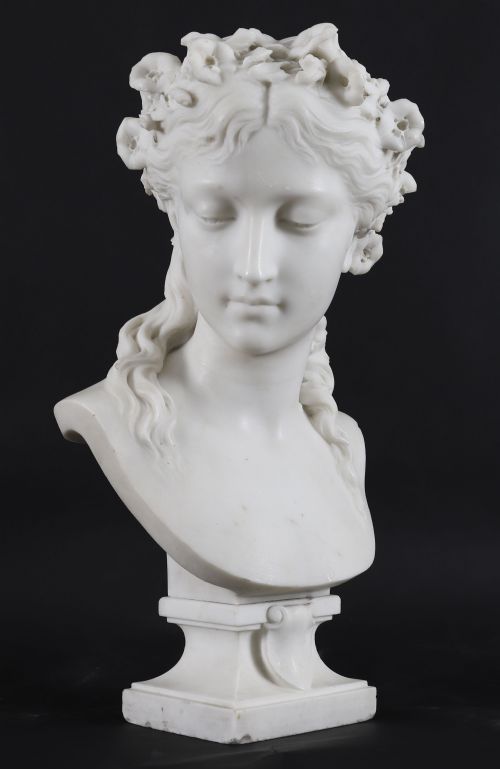
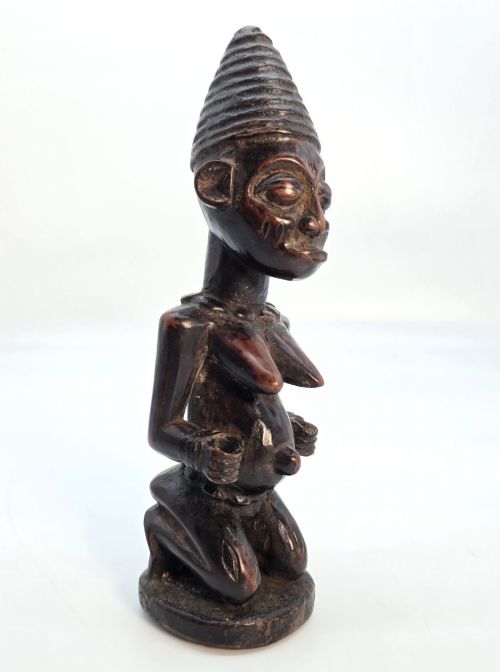
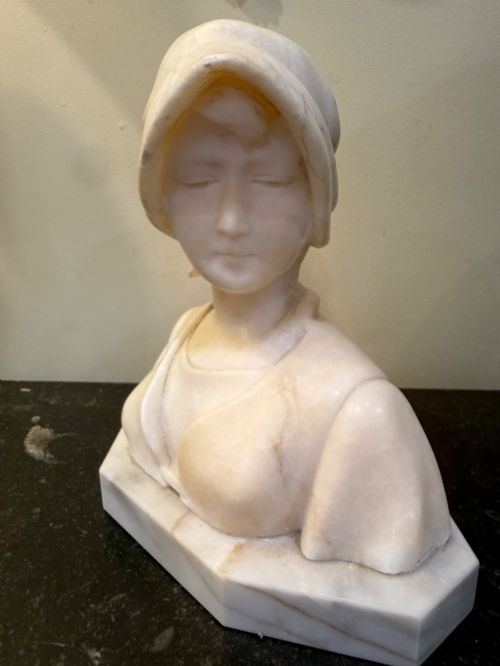
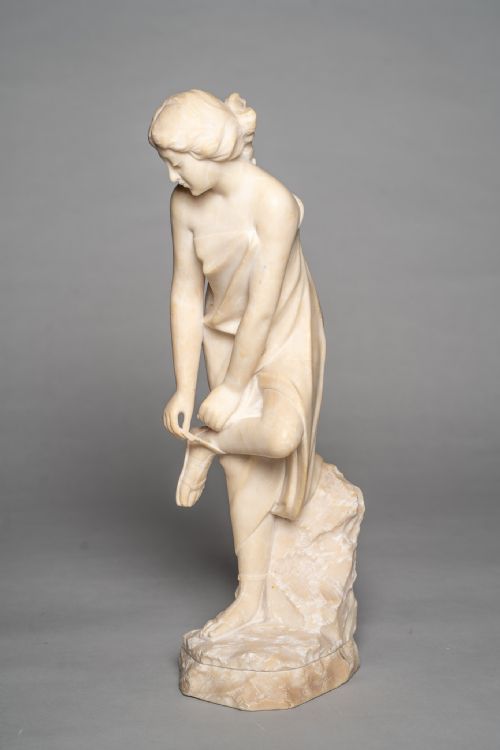

Carved Female Statue
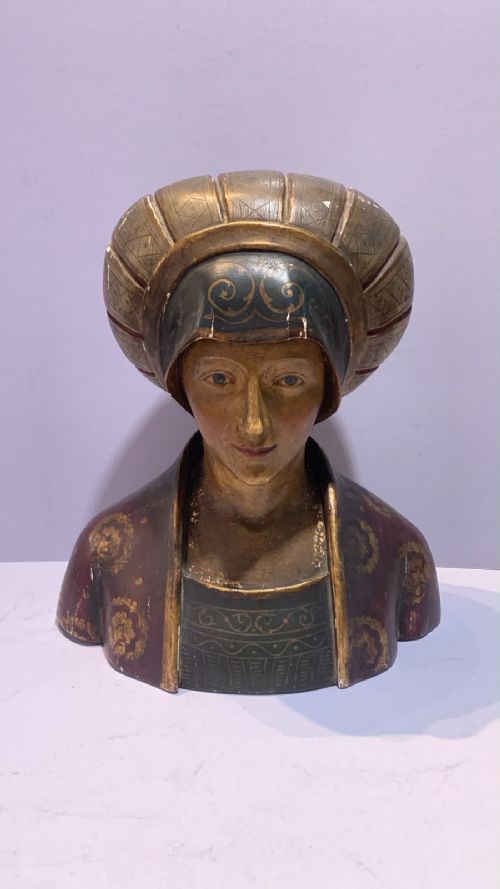
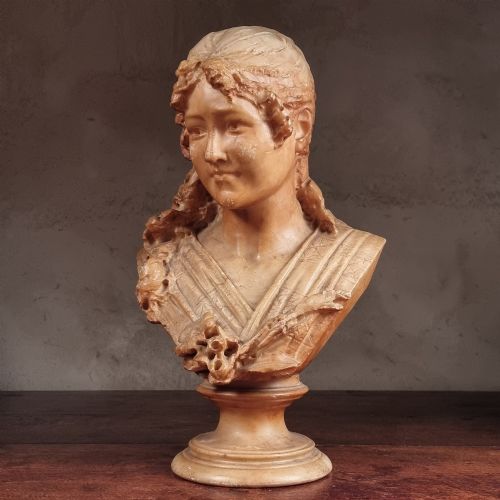
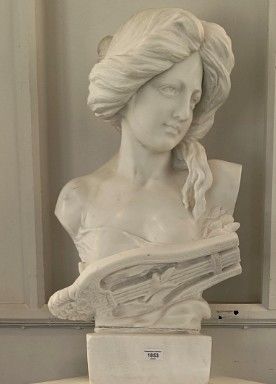
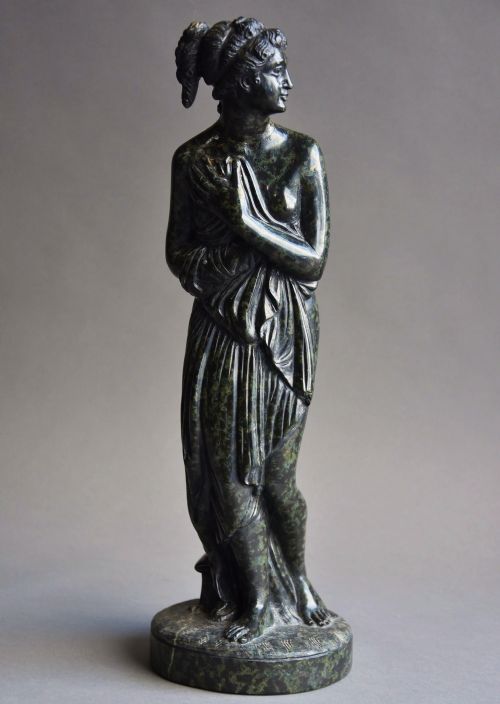
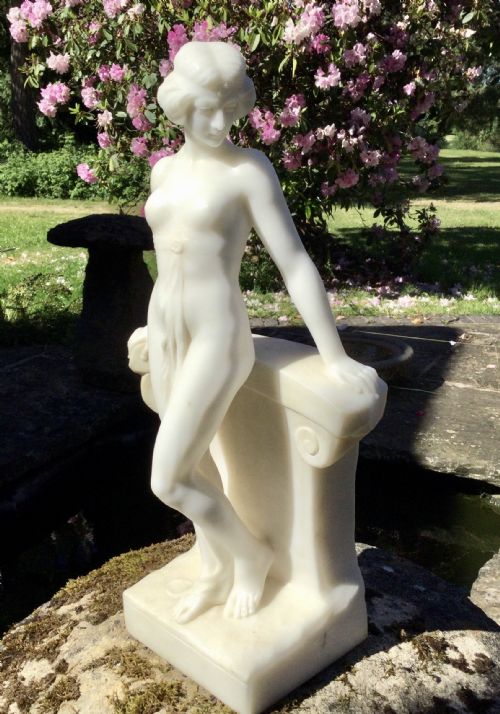
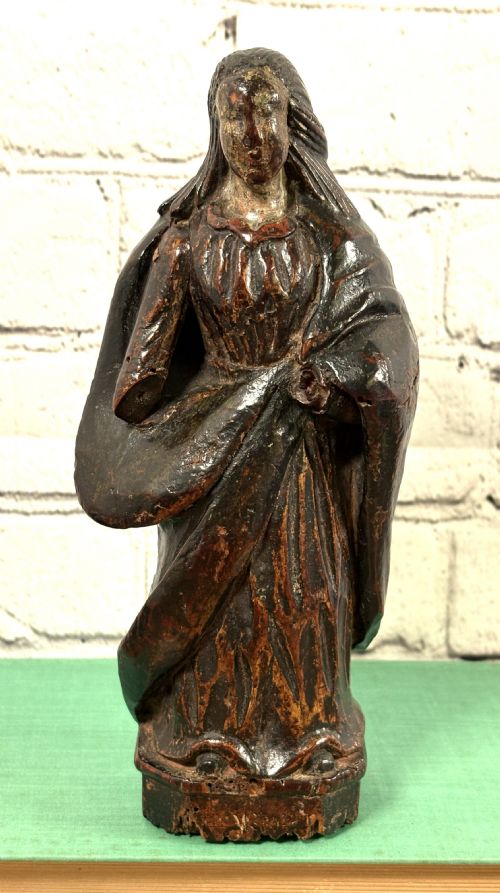
A carved female statue brings classical poise, quiet devotional presence and historic portraiture straight into a room.
Carved Female Statue
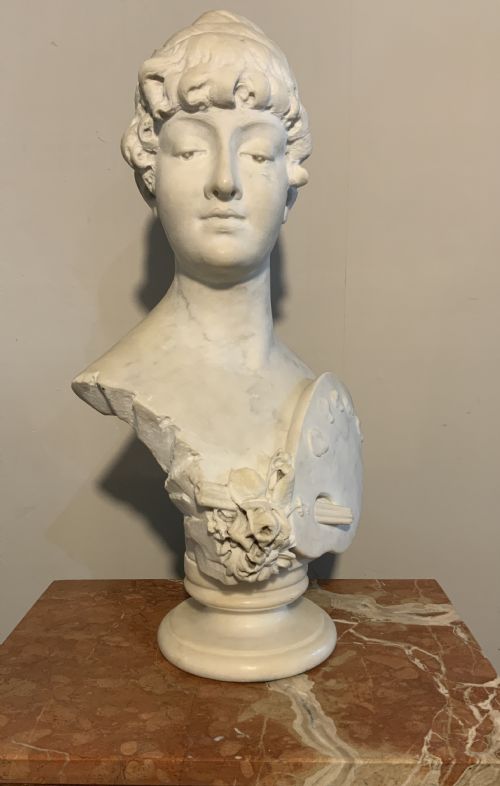
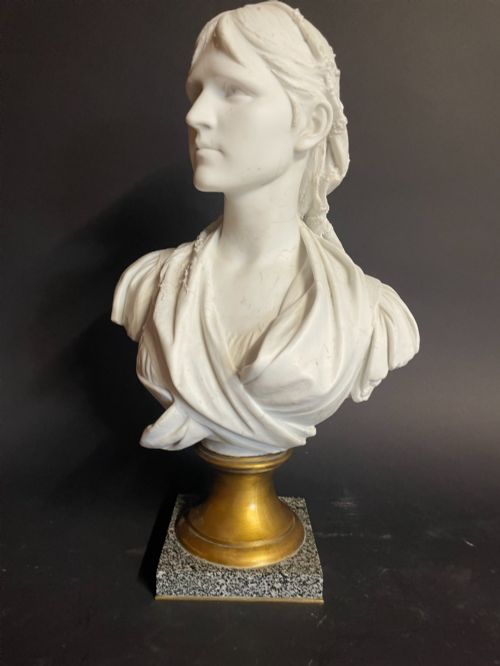
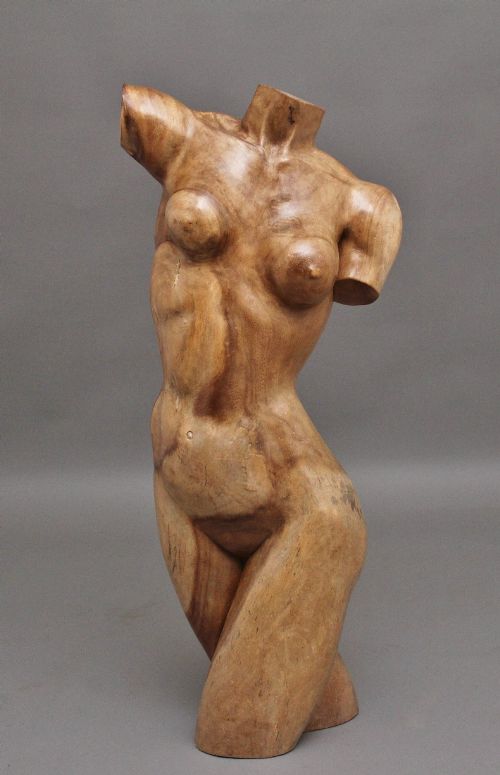
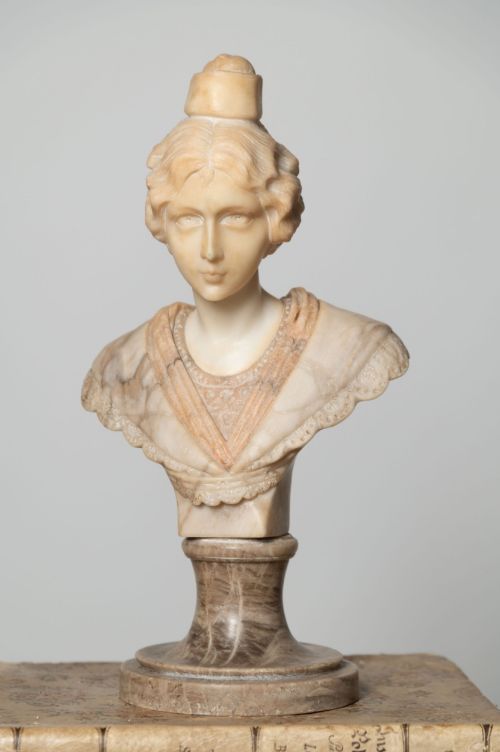
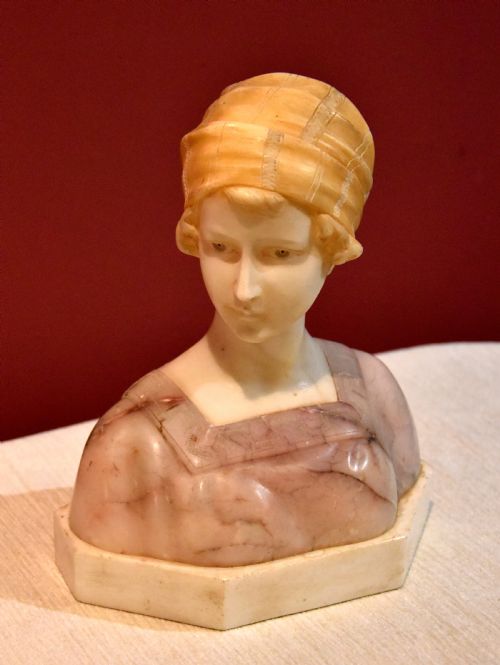
The selection ranges from Italian Grand Tour souvenirs and French salon sculptures to African tribal art and Japanese wooden carvings. Figures of goddesses, saints, dancers and noble ladies dominate the forms, reflecting centuries of artistic engagement with the female subject. Buyers find these works executed in varied scales, from intimate tabletop alabaster figurines to substantial garden statues and stone torsos mounted on iron stands.
Materials and technique
Carvers shaped these pieces primarily from stones and hardwoods, relying extensively on marble, Carrara marble, alabaster and limewood. Sculptors utilised chisels and rasps to coax delicate drapery, lifelike flesh and detailed hair from dense blocks of stone or timber. Selected works incorporate mixed media, pairing white marble with coloured bases like vert de mer or adding surface paint to wood.
Makers employed specialised techniques suited to their medium, such as thenata-tsukuri style for Japanese wooden figures or precise polishing for Italian alabaster and marble. The handling of the material dictates the tactile quality of each piece, whether achieving the translucent softness of a nineteenth-century alabaster nude or the robust grain of a seventeenth-century limewood saint.
One nineteenth-century marble lady thoughtfully brings along a pet lion.
Defining craftsmanship
Material selection and provenance elevate certain works, particularly signed pieces by recognised sculptors or fine Grand Tour marbles executed with polished precision. The integration of the base, the crispness of the detailing around hands and hair, and the preservation of the original surface finish separate standard decorative carvings from exceptional sculptural art.
Eugene Aizelin·Auguste Henri Carli·Carrier-Belleuse·Antonio Canova·Fritz Kochendorfer·Hans Müller
The Carved Female Statue Glossary
- Alabaster
- A soft stone prized for its translucency, frequently utilised for nineteenth-century portrait busts and figures. It accepts fine detail but scratches easily.
- Carrara marble
- A type of white or blue-grey marble quarried in the city of Carrara in Tuscany, favoured by European sculptors for its purity and fine grain.
- Grand Tour
- A traditional trip of Europe undertaken by upper-class European young men of means in the eighteenth and nineteenth centuries, producing demand for souvenir sculptures.
- Neoclassical
- A style rooted in the arts of ancient Greece and Rome that influenced European sculpture during the eighteenth and nineteenth centuries with themes of restraint and classical order.
- Limewood
- A pale, fine-grained timber historically chosen by European woodcarvers for its cooperative working qualities and suitability for intricate saintly figures.
Carved Female Statue: Frequently Asked Questions
Where should I place a heavy marble statue?
Stone and marble sculptures demand sturdy furniture or reinforced surfaces capable of supporting substantial weight without shifting. Position them away from high-traffic household paths to prevent accidental knocks.
Keep pieces out of direct sunlight and away from direct heat sources to protect the stone and any underlying wood or mixed-media bases from thermal stress.
How do I clean an alabaster bust?
Alabaster is porous and water-sensitive, meaning you must avoid liquid cleaners, damp cloths and chemical solvents entirely. Use a soft, dry brush or a feather duster to remove surface dust gently from crevices.
Professional conservation advice should be sought for stubborn grime to prevent permanent staining or surface degradation.
What indicates a Grand Tour sculpture?
Grand Tour pieces typically date from the eighteenth and nineteenth centuries, created as portable souvenirs of classical antiquities for travellers in Italy. They often reproduce famous classical statues, such as works after Antonio Canova, executed in marble, alabaster or bronze.
These sculptures reflect high educational and cultural aspirations of the period, frequently mounted on distinctive coloured marble bases.