
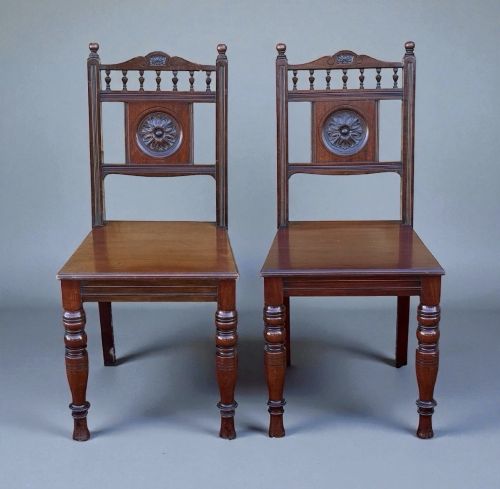
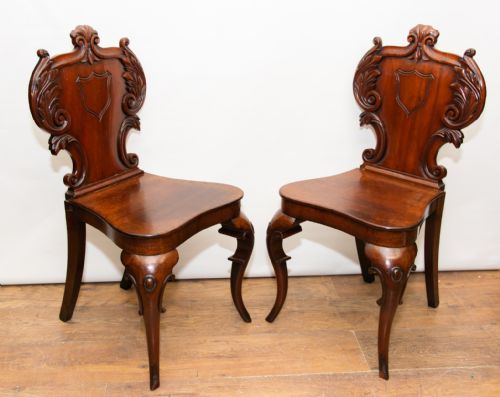
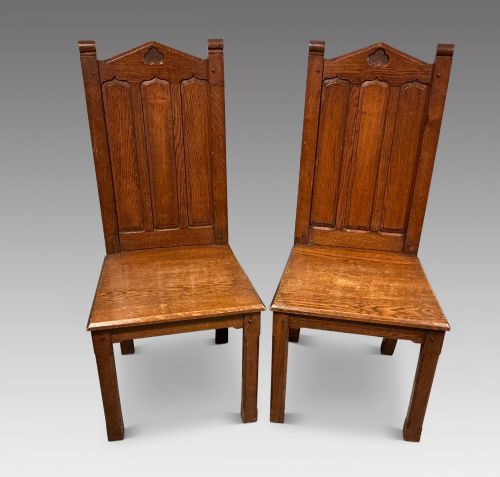

Carved Entry Chair
A carved entry chair sets the tone of a home, offering visitors an immediate sense of historical craft through solid timber and robust ornamentation.
Carved Entry Chair
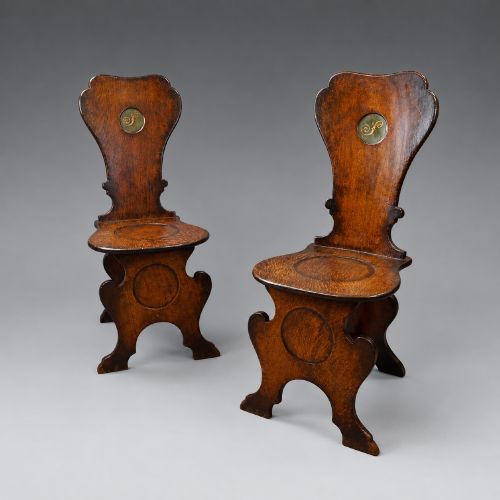
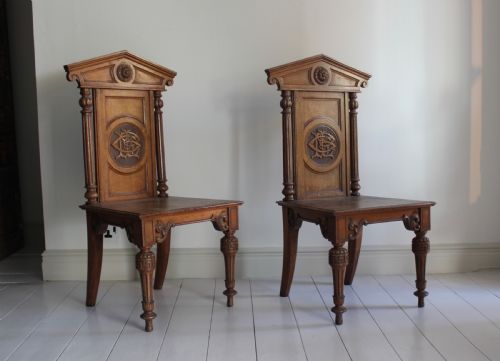
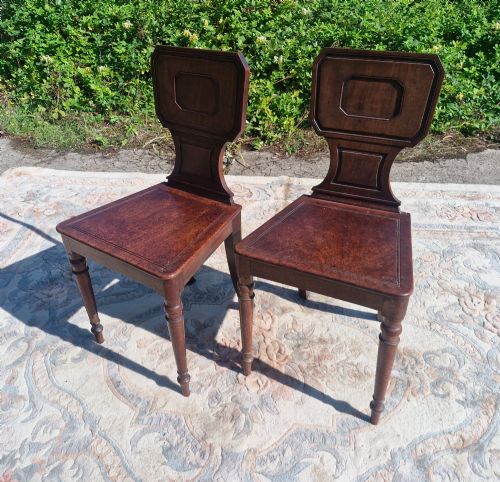
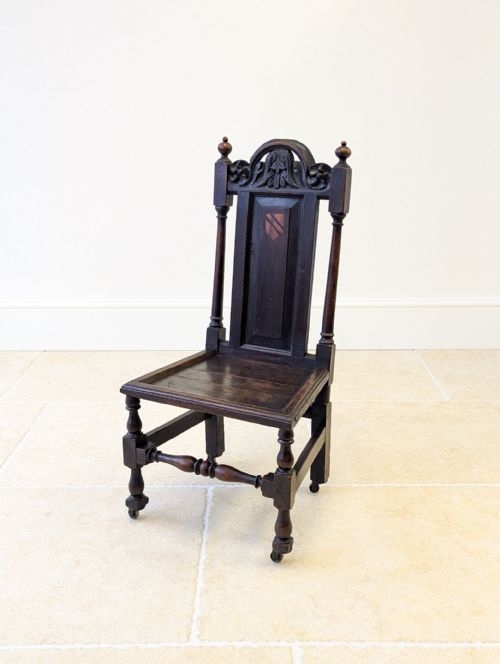
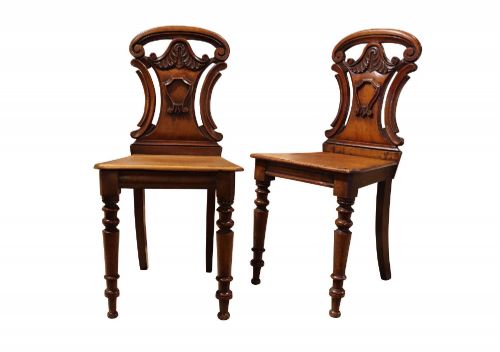
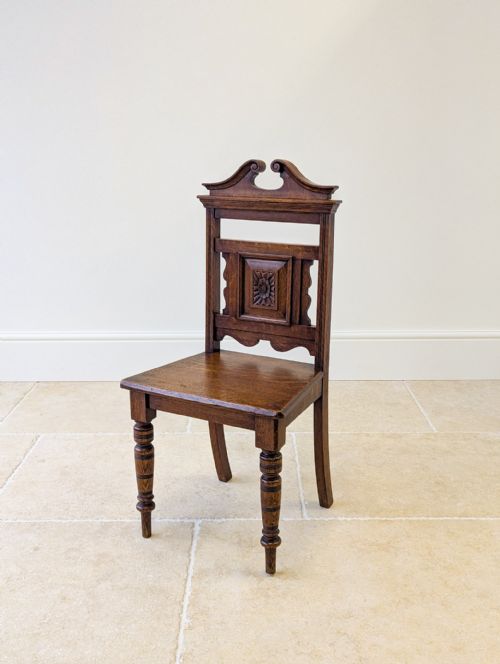
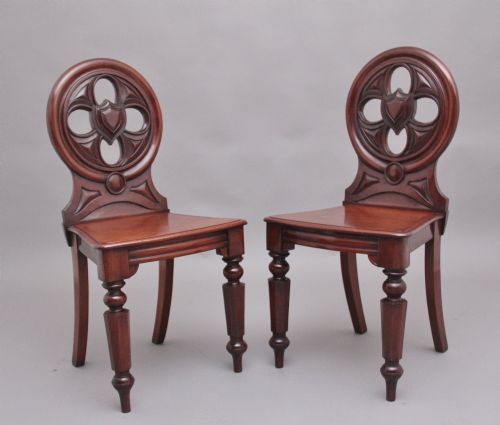
A carved entry chair encompasses robust seating forms designed for hallways, reception spaces, and landings, predominantly appearing as hall chairs or monks benches. These pieces frequently manifest in nineteenth-century incarnations, spanning the Regency, Victorian, and William IV eras.
Buyers will encounter numerous pairs alongside individual examples fashioned from heavy woods. The designs incorporate regional variations including Scottish and Irish specimens, alongside continental forms like Sgabello chairs.
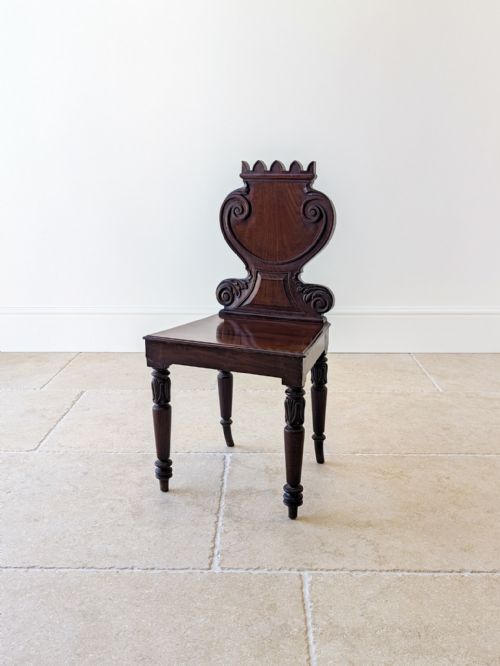
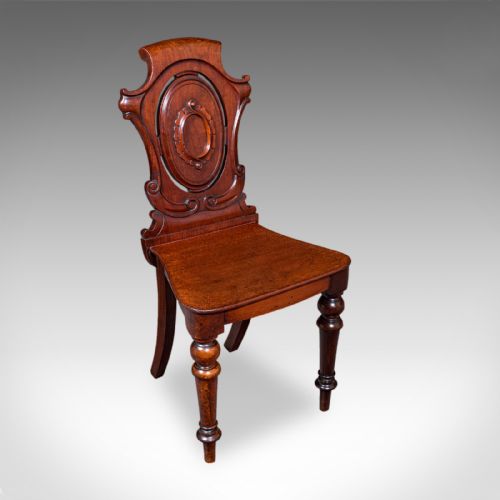
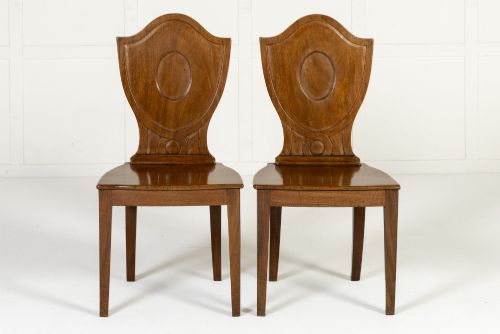
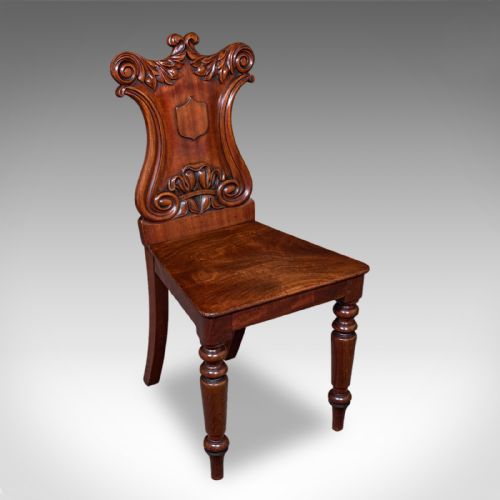
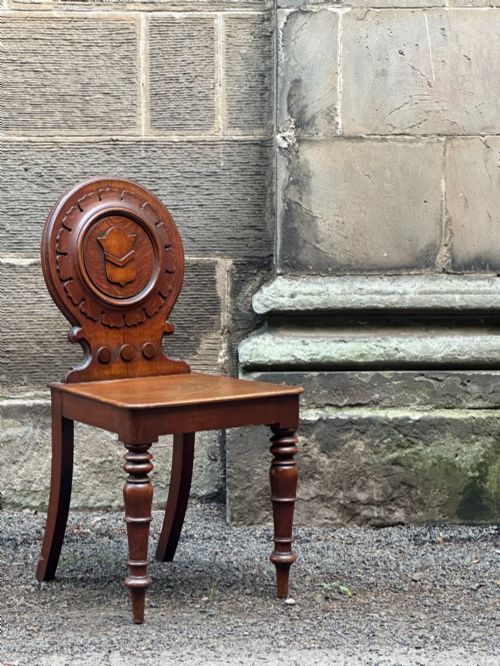
The silhouette often relies on solid timber construction with carved backs, sometimes integrating shield motifs, shell backs, or armorial crests. Such seating served as a formal greeting point in period homes rather than lounging furniture.
Materials and Construction
Cabinet makers relied heavily on dense hardwoods such as mahogany, oak, and walnut to withstand the rigours of high-traffic entryways. Certain examples incorporate brass elements, ceramic tiles like Minton inserts, or painted finishes upon the timber.
Joinery techniques prioritised rigidity and endurance, underpinning intricate surface carving on the backrests and seats. Workshops utilised seasoned timber planks joined securely to bear daily use without losing structural integrity.
Some nineteenth-century hall chairs feature subtly dished wooden seats, carved specifically to accommodate the voluminous crinoline skirts of Victorian visitors.
Judging Quality
The standard of carving dictates the visual hierarchy of these seats, separating utilitarian output from bespoke cabinet work. Crisp relief work on armorial crests or floral motifs demonstrates superior hand-tool dexterity by the artisan.
Timber selection and grain matching further define the tier of a piece, with figured mahogany or quarter-sawn oak commanding attention. Structural cohesion and the retention of original surfaces without intrusive modern repairs preserve the integrity of the object.
Gillows
The Carved Entry Chair Glossary
- Sgabello
- A Renaissance-style chair type featuring a wooden seat supported by two carved trestles rather than conventional legs. These typically display elaborate carving along the back and base.
- Armorial
- Bearing a heraldic coat of arms or family crest carved into the wooden backrest. These were often commissioned specifically for landed estates.
- Shield Back
- A chair back shaped in the outline of a heraldic shield, popular during the Georgian and Regency periods. This form allows for prominent central carving.
- Monks Bench
- A multifunctional furniture form that converts from a bench into a table by pivoting the backrest downward. They frequently appear in oak across the nineteenth century.
- Quarter-Sawn
- A method of milling timber that produces a distinctive grain pattern and greater dimensional stability. This cut often enhances the durability of heavy hallway seating.
Carved Entry Chair: Frequently Asked Questions
Where were carved entry chairs used?
These chairs stood in entrance halls, vestibules, and reception corridors of period houses. Visitors would sit briefly while waiting to be announced.
Because hallways experience heavy draughts and movement, the seats were built solidly from timber without upholstered cushions that might trap dust or damp.
How do I identify a Regency period hall chair?
Regency examples frequently display classical influences, utilising mahogany with incised or carved scrollwork and shield-shaped backs. Proportions remain clean and architectural.
Many incorporate painted heraldic crests or bold carved centre panels reflecting the classical tastes of the early nineteenth century.
Are these chairs comfortable for daily sitting?
Entry chairs were designed for brief utility rather than long periods of relaxation. The solid wooden seats and upright backs encourage a formal posture.
Living with them involves appreciating their sculptural presence and historical craftsmanship in transitional spaces like corridors and landings.
What is the difference between an oak and mahogany hall chair?
Oak examples often date from the earlier Georgian periods or later Gothic and Jacobean revivals, exhibiting a pronounced grain and robust, rustic character. They suit country house interiors.
Mahogany versions tend to align with Regency and Victorian aesthetics, offering a darker, smoother polished surface with sharper relief carving.